Here, the balance between the spoils and moral rot of murder are far preferable to the debasing rigors of tradition and hollow nationalism.



Chris Cabin is a co-host of the We Hate Movies podcast.
Here, the balance between the spoils and moral rot of murder are far preferable to the debasing rigors of tradition and hollow nationalism.
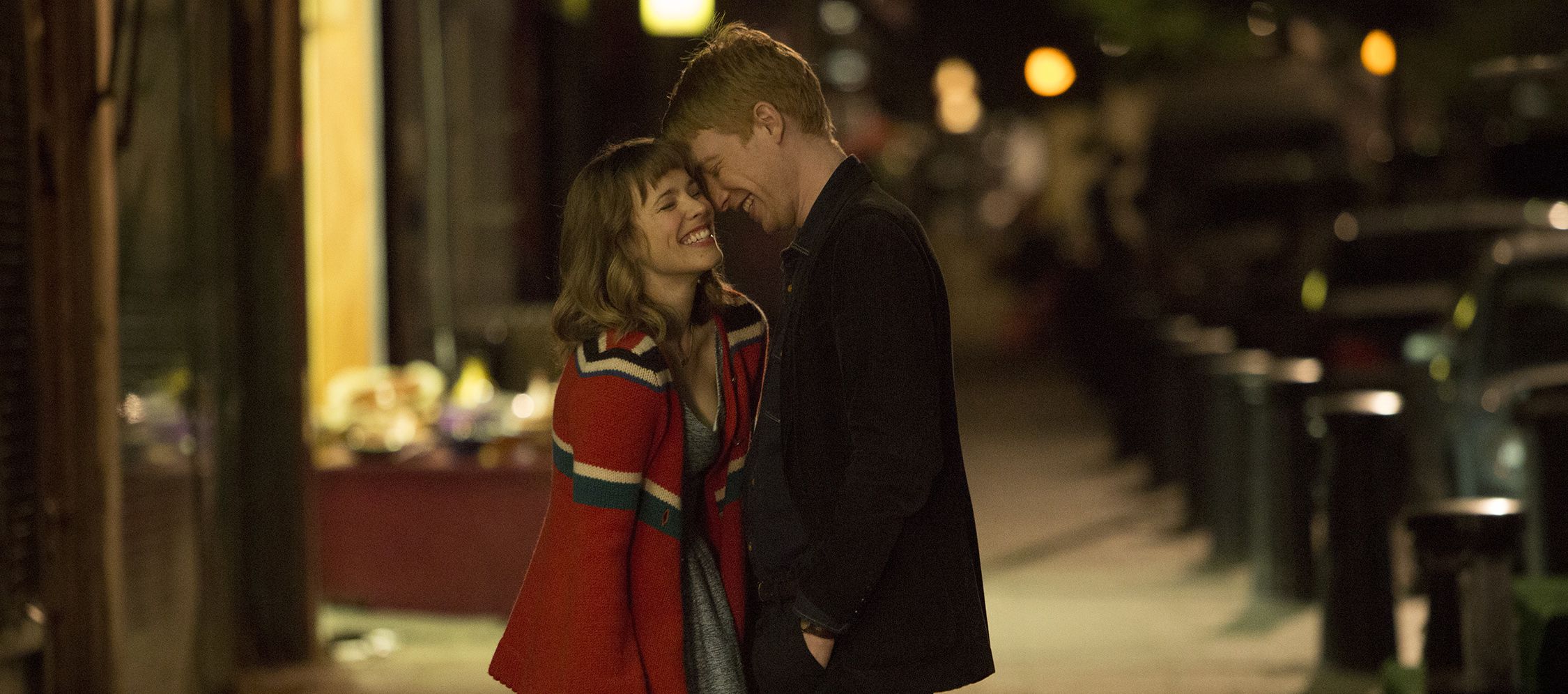
A surprisingly thoughtful romantic comedy that shirks a great deal of reason and consequence in the name of love.

Though adventurous in concept, the film shows the band crawling back under the carapace of their long-standing legacy.

Ron Howard’s by-the-seat-of-your-pants aesthetic makes the slower, darker sequences feel hurried and bland, especially when stacked up next to the racing sequences.

Enough can’t be said about how James Gandolfini comes so close to saving Nicole Holofcener’s latest articulation of white suburban anxieties.
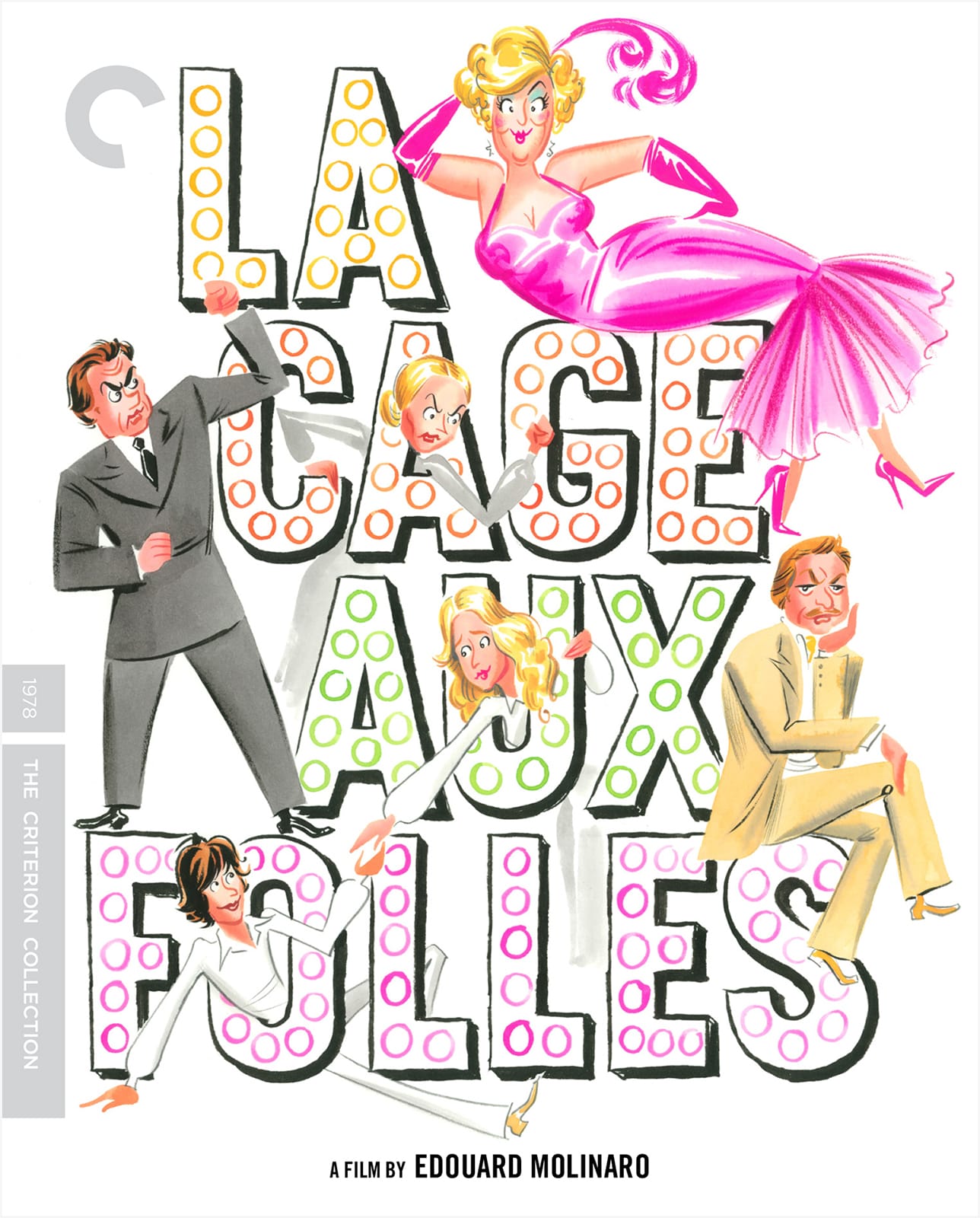
Criterion dolls up Molinaro’s spirited international hit with a routinely excellent A/V transfer and a smattering of hugely entertaining extras.

A full realization of the very worst fears one could imagine when James Wan unexpectedly emerged from the torture-porn murk with its original, spiritedly directed predecessor.
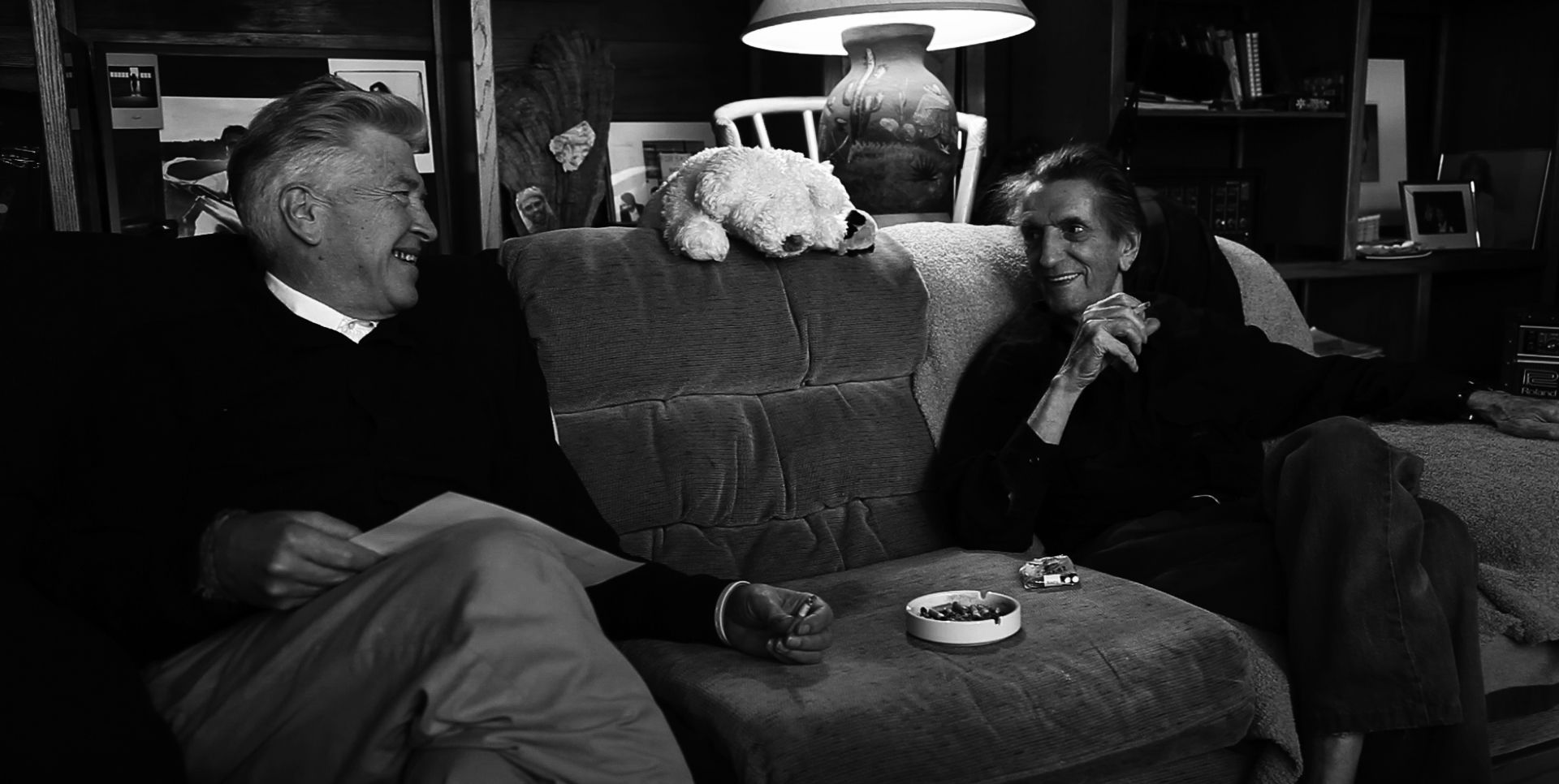
It feels like an introductory chapter to a more substantive, sprawling study of the actor.

Paramount jacks up the presentation of Bay’s unexpectedly bold Pain & Gain with a top-shelf A/V transfer.

We’re only allowed an insufficient glimpse of the anxiousness and curiosity that drive the film’s characters.

Magnolia does more than well by the visual and auditory splendor of Malick’s strangely ferocious sixth feature.

Robert Clouse works the material for efficiency and optimum thrill.

Ray’s ravishing modern fable of (male-centric) tradition in peril receives a typically beautiful Blu-ray from Criterion.

Criterion rightfully adorns this intoxicating ghost story with copious extras and a transfer befitting a new classic.

Mario Bava had spilled plenty of blood by the time he reached his 1974 swan song, Kidnapped.

The film doubles down on the first film’s love-hate relationship with ultra-violence, but A History of Violence this is not.

With the film, Lee Daniels quietly pushes his talent for hashing out visceral, violent emotions into unexpected dramatic terrain.
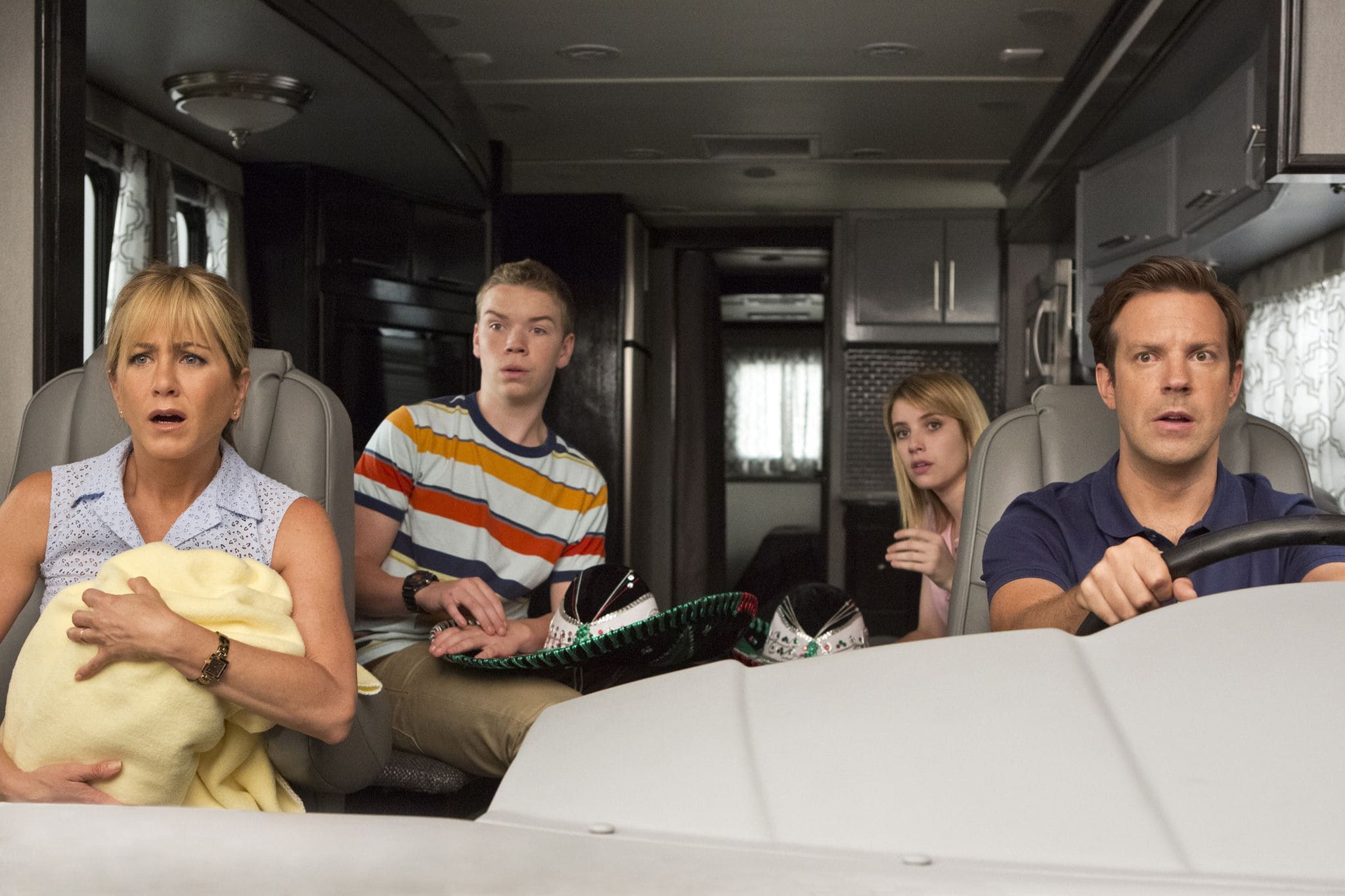
The cast partially eschews the family-friendly timidity that the film defers to in the end, but this would-be wild thing remains little more than a rowdy endorsement of the status quo.

Neill Blomkamp strides closer to the muscular, subversive genre terrain of Carpenter and Verhoeven.

Lee’s aching study of the “me” generation provides a stunning array of period detail to give distinct form to the social disconnect and discomfort of the Nixon era.