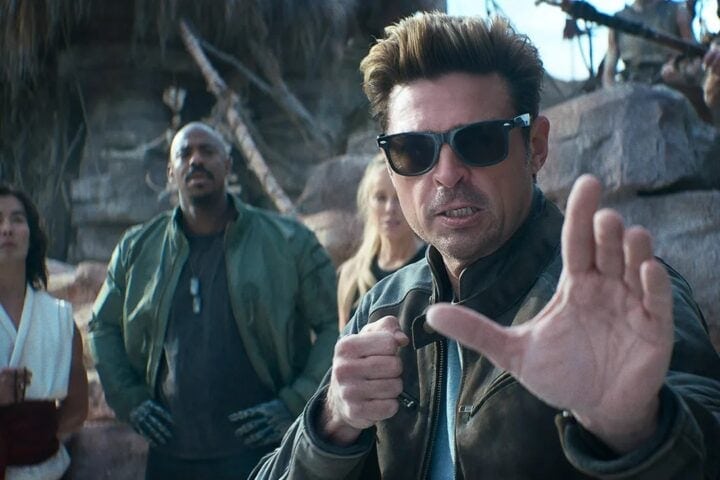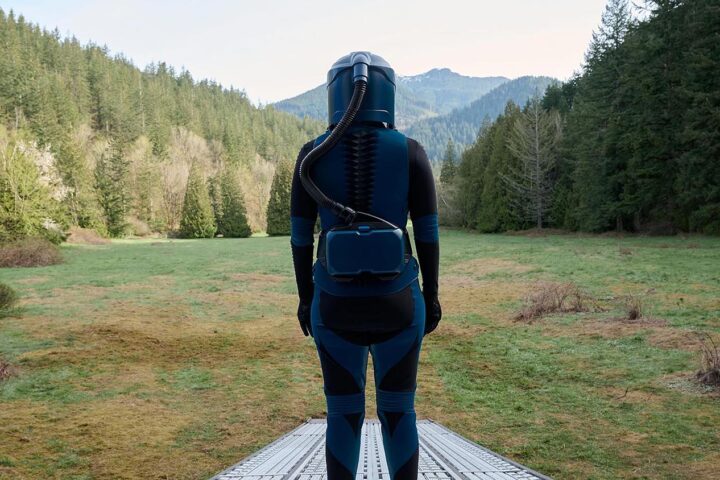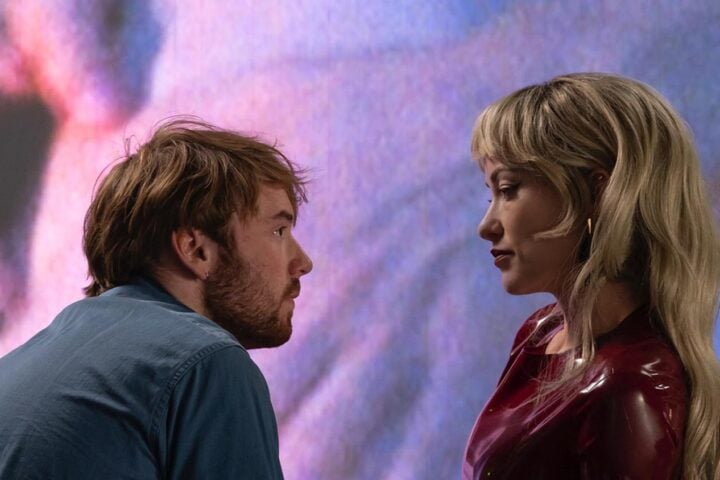
Showrunner Eric Kripke has the same problem that’s demolished so much of political satire over the last decade: reality having become stranger than fiction. After real life caught up with The Boys last season—to the point that right-wingers finally clocked the fact that the Amazon series isn’t, in fact, on their side—the fifth and final season has the unenviable task of wrapping things up with a plot that maintains the show’s transgressiveness.
Unfortunately, that’s easier said than done, because there’s shockingly little here that feels preposterous when any local news report can easily match its freak. Random acts of terrorism deployed to get the attention of the one percent and Hughie (Jack Quaid), Frenchie (Tomer Capone), and M.M. (Laz Alonso) rotting away in a hyper-nationalist detention center might have seemed shocking a few years ago. But just last week an underpaid worker allegedly lit a warehouse on fire in California in protest of his corporate overlords.
With its social allegory eclipsed by the six-o’clock news, then, The Boys loopily stumbles its way through a rather straightforward, logical conclusion, largely focused on the end goal of completing the superhero-killing super-virus that would finally end Homelander (Antony Starr) for good, and the ramifications of having that virus potentially kill Starlight (Erin Moriarty) and Kimiko (Karen Fukuhara) in the process. And aside from the newly and charmingly verbal Kimiko, our heroes are the least compelling they’ve ever been.
There’s still plenty of narrative ground to cover with Homelander. Having no more worlds to conquer, he decides that the last glass ceiling to break is to become God. He leverages all the powers of church and state to supplant Christ as savior of the universe, with both his pseudo-Fox News mouthpiece Firecracker (Valorie Curry) and a superpowered megachurch pastor, Oh Father (a deliciously smarmy Daveed Diggs), greasing the masses up to accept their new lord and savior. The best material in this final season is less about the efforts to stop him than in the narrative drilling deep on the lampreys who no longer have illusions about Homelander being anything but a psychopath, while still clinging to his cape for dear life anyway.
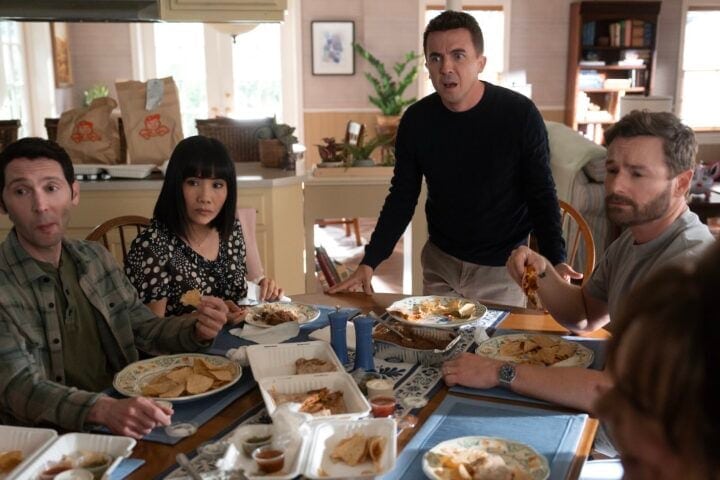
That, at least, shows the innate insanity and sadness behind the people who could only ever thrive in the kind of Christofascist regime Homelander ends up building. The season’s strongest episode, “One-Shots,” is composed of a series of vignettes exhibiting the specific ways in which everyone’s soul suffers under fascism, while still exhibiting some of the shock value that the series was able to elicit in previous seasons. (The fanservice cherry on top is that Kripke’s core Supernatural trio get an especially wild moment with a few big-name cameos.)
While the big finale has been withheld from critics, it’s hard to imagine the show’s punctuation mark being more than a punting of the ball, with multiple threads setting up America’s collapse as inevitable but survivable, and rebuildable through a radicalized youth. But after four seasons of The Boys, the fact that season five feels like a thinly veiled mirror of the status quo might be a bit deflating, but it’s not like we don’t have our own Homelanders to worry about.
Since 2001, we've brought you uncompromising, candid takes on the world of film, music, television, video games, theater, and more. Independently owned and operated publications like Slant have been hit hard in recent years, but we’re committed to keeping our content free and accessible—meaning no paywalls or fees.
If you like what we do, please consider subscribing to our Patreon or making a donation.