With a title like Unspeakable, one might imagine that Sundance’s miniseries about Canada’s contaminated blood scandal, in which thousands of hemophiliacs were infected with HIV and hepatitis after receiving tainted blood, is concerned primarily with the stigma surrounding those diseases. Yet the series, which attempts to narrativize two separate books about the scandal, as well as creator Robert C. Cooper’s own experience contracting hepatitis from hemophilia treatments, resists homing in on any one aspect of its sprawling story. The result is an untidy and cursory overview of a 40-year saga.
Unspeakable certainly simmers with rage, and Cooper’s disgust is palpable. Throughout, the series solemnly depicts each negligent decision made by parliamentary politicians and Canadian Red Cross bureaucrats, who ignored warnings from United States health officials and distributed potentially infected blood in order to save money. But while this staggering malfeasance provides an opportunity to interrogate a complex example of institutional failure, Unspeakable’s point of view is more incredulous than curious: The series is packed with characters who are consistently shocked and angry, yet it fails to tackle the unseen forces which enable and encourage the institutional rot that wrecks people’s lives.
Unspeakable attempts to underscore the tragedy of the scandal by offering its broad historical account through an intimate lens, following five separate Canadian families effected by the tainted blood supply. Yet because of the sheer breadth of the saga and the multitude of perspectives, the series often feels like nothing more than a dry historical outline. As the breakneck narrative breezes over entire years, we aren’t afforded the opportunity to connect with any one character. A pattern emerges, with short successions of scenes that dutifully lead to a consequential event, before action shifts to a new year, and the cycle is repeated. The effect is distancing, and made even more so by unceasing title cards that clumsily herald new locations with information that should ostensibly be provided by the scenes themselves. (One such mouthful reads “Heat-Treated Factor Concentrates Consensus Conference, Ottawa.”)
Because Unspeakable moves so rapidly through its timeline, much of the dialogue is composed of stilted exposition. Lines like “The way the two of you still don’t speak is fucked up!” and countless instances of characters announcing the parameters of their professions are jarring reminders of the constantly shifting landscape. In other instances, the series glosses over seemingly important developments, leaving the viewer without context. Ex-reporter Ben Landry (Shawn Doyle), the father of an HIV-positive, hemophiliac son, at one point resolves to take action, declaring, “There’s only one thing I’m good at.” Years pass by in the narrative before it becomes clear that he wrote a book about the scandal, which, ironically, seems based on one of the books which provided the inspiration for Unspeakable.
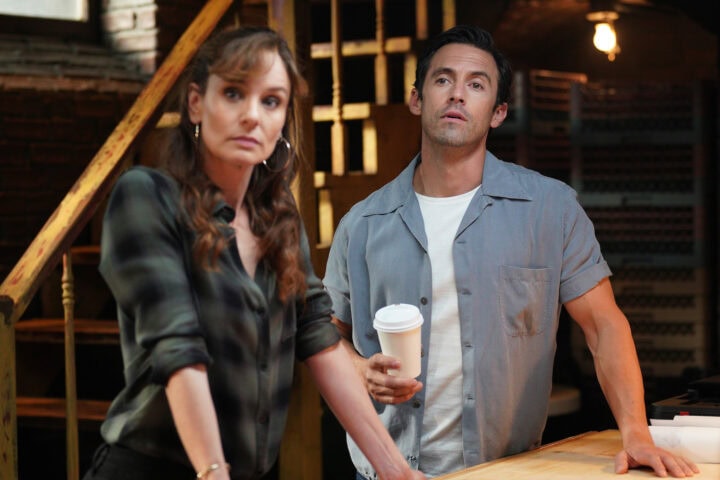
Unspeakable’s subject matter is self-evidently grave, but the series is filmed in a procedural style that lacks distinctiveness. The lighting is creamy and omnidirectional, and episodes are edited with a utilitarian devotion to plot. The quick pace does result in a sense of urgency, if only because the series never fully resolves one narrative tangle before it introduces another. Ben, still working as a reporter, attempts to expose the scandal in its early stages, while Will Sanders (Michael Shanks), the father of another hemophiliac, tries to convince the Red Cross of the impending crisis. Their efforts are portrayed as the kind of earnest journalistic persistence seen in films like Spotlight, but while Unspeakable’s emphasizes the failure of public institutions, it ultimately stops short of interrogating exactly why they failed.
Since 2001, we've brought you uncompromising, candid takes on the world of film, music, television, video games, theater, and more. Independently owned and operated publications like Slant have been hit hard in recent years, but we’re committed to keeping our content free and accessible—meaning no paywalls or fees.
If you like what we do, please consider subscribing to our Patreon or making a donation.