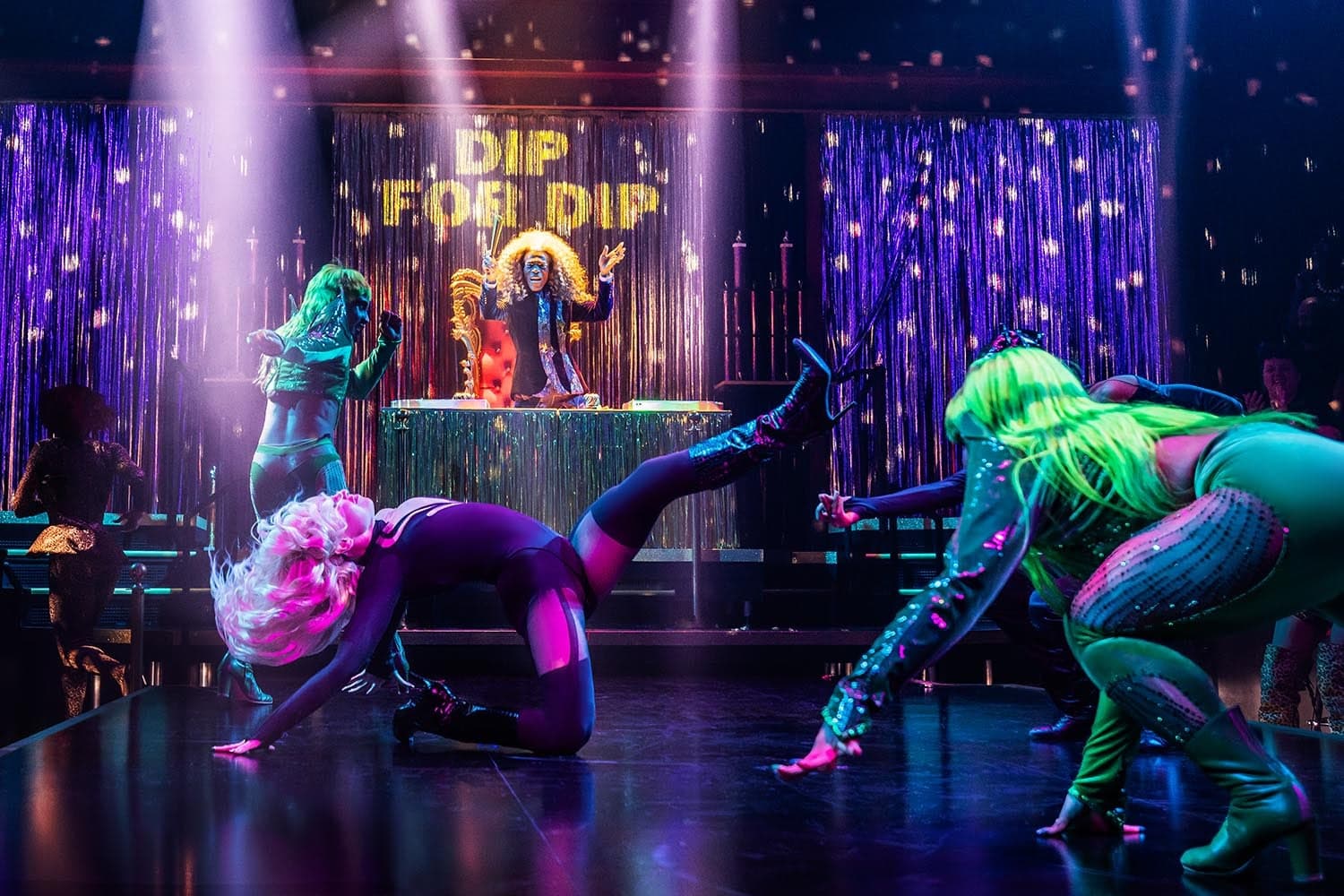
The category is…hands. For much of Cats: The Jellicle Ball, glance up to the house right box seat nearest the stage and you’ll see the celebrated ballroom emcee Junior LaBeija, opulently turbaned for their Broadway debut, peering down and majestically twirling their fingers, topped with bejeweled long nails, to the music. Yes, LaBeija acts in the show—they play the role of Gus the Theater Cat—but the performance is most exquisite in the way this ballroom elder models how to be an audience member: ever-alert, the club beats pulsing in their body and those hands, rippling like possessed branches with rhythmic minds of their own.
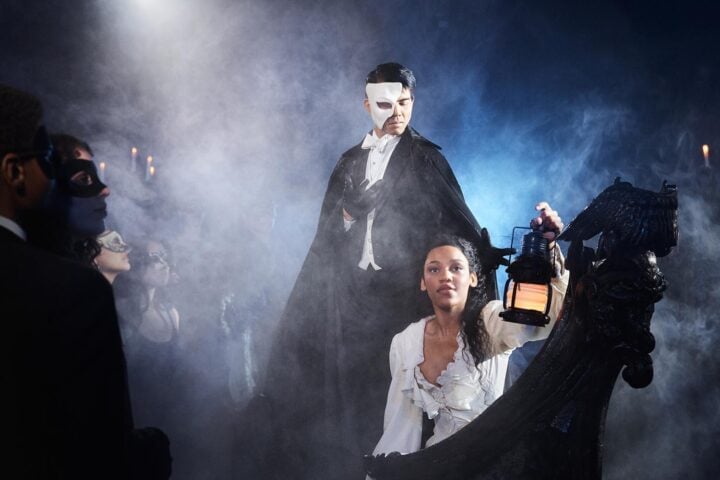
In the bizarro structure of the original Cats, Andrew Lloyd Webber and director Trevor Nunn strung poems from T.S. Eliot’s Old Possum’s Book of Practical Cats together around the hallucinatory conceit of a junkyard convention of “Jellicle cats” sequentially introducing themselves in hopes of being selected to ascend to the Heaviside Layer. Like many actual cats, they’ll do their own thing, and you can watch if you want, but don’t expect them to cater their behavior to your curiosity. “What’s a Jellicle cat?” the felines ask rhetorically, mocking the onlookers’ bewilderment, never offering a satisfactory answer.
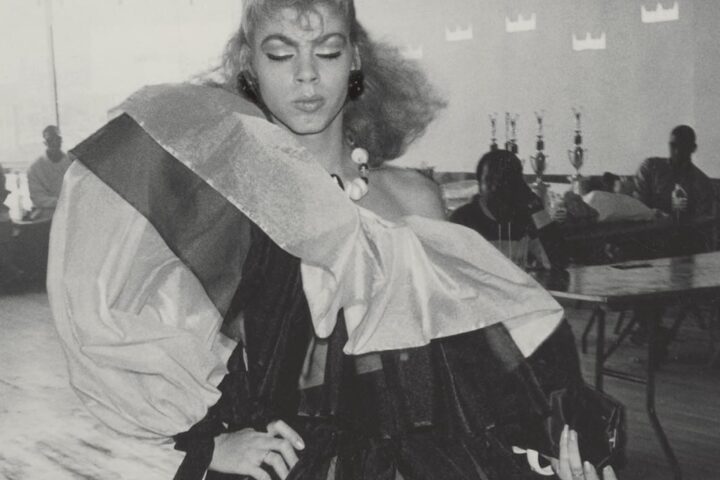
But in this stunning, galvanizing revival—perhaps inspired by Eliot’s reference to the special gathering as “the Jellicle ball”—directors Bill Rauch and Zhailon Levingston locate Cats’s previously missing soul in ball culture. At the root of the ballroom scene, a subculture consisting primarily of queer Black and brown people competing for trophies in a variety of categories, is community. The houses for which participants compete are chosen families, often refuges for transgender youth seeking somewhere to belong. And the casting of Cats: The Jellicle Ball itself becomes a celebration of communities coming together, ballroom icons like LaBeija and Leiomy sharing the stage with Broadway performers, including veterans like André de Shields, magisterially and winkingly commanding a minutes-long standing ovation upon his entrance, as Old Deutronomy, and Ken Ard, Broadway’s original Macavity, as the show’s DJ.
Thematically, all of that has nothing to do with Cats. But the magic of this production, which premiered downtown in 2024 at the Perelman Arts Center, is how the ballroom world perfectly fits the material. Each number convincingly matches a ballroom cat-egory competition, and the minimal plot in the original perfectly maps onto the social dynamics of the ballroom scene.
Grizabella the Glamour Cat (the moving “Tempress” Chasity Moore), carrying her belongings in a garbage bag, is a former champion whom the younger competitors have forgotten. Macavity (a deliciously sardonic Leiomy), “a master criminal who can defy the law,” is here on the run for police for “mopping” (shoplifting clothes and accessories for the runway). Almost no additions have been made to the script or score, just the patter of the ball’s emcee Munkustrap (Dudney Joseph Jr.), and the supple storytelling of the staging does most of the work silently.
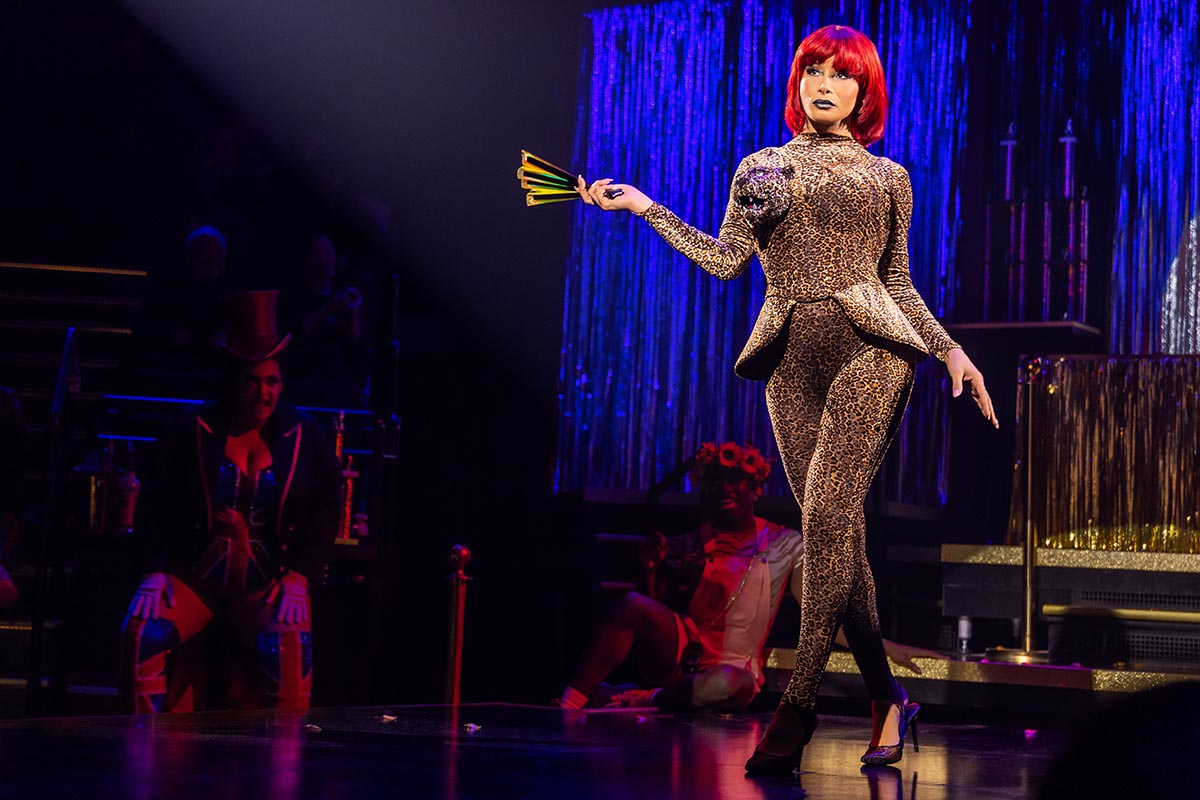
If Cats was flattened by its aggressively literal depiction of felinity—whiskers and paws and hairballs—Cats: The Jellicle Ball soars by shedding the original’s fur. The performers are people now, wearing Qween Jean’s glorious array of runway outfits, with all the glitter, form-fitting sultriness, and eye-popping patterns befitting an emporium for queer joy.
And while PAC’s thrust stage runway swept the entire audience into the action more than a proscenium setup can allow (there’s still limited on-stage seating), the show’s fun remains contagious. Much of that is due to Omari Wiles and Arturo Lyons’s irrepressible vogue-driven choreography, including duckwalks and death drops that saucily emerge from each cat’s personality. At the end of the opening number, the cast catwalks down the runway—a freight train of explosive movement barreling towards the audience. And Adam Honoré’s lighting design is often a hype man itself, drawing attention to every individual performer; the lighting is sometimes so precise that each cast member is spotlit in their own color.
Yes, Cats’s music can still rankle occasionally, even if there are now club beats beneath the mainly faithful orchestrations. But Cats: The Jellicle Ball has enough tricks up its fabulous sleeves to make even the most dreadful songs from the original find purpose through their newfound meanings. Take “Bustopher Jones,” a size-shaming novelty number about a fat cat, in all senses of the word, who’s “grown unmistakably round.” Here, Rauch and Levingston find a redeeming home for Bustopher (the dynamic Nora Schell), now heralded by signs as a “Phat cat,” in the Luscious Body category, which cheers on plus-size competitors.
On the runway, insults become accolades and caveats become causes for celebration. Some of the sing-songy tunes may still cloy and claw at you (good luck escaping the nightmarishly catchy “Shimbleshanks the Railway Cat”), but every song serves a redemptive purpose.
Cats: The Jellicle Ball radiates, too, in its particular interest in honoring queer elders. That’s baked into this version of the story, with projections of real founding house mothers from the ballroom scene that includes the fictional Grizabella and her own House of Glamour. Her legacy, Old Deutronomy reminds the next generation, must be venerated. And that extends to the presence of de Shields and LaBeija, meta-theatrically embodying living history in both their on-stage relationships and off-stage bios. There’s a generous spirit here, one that Nunn and Lloyd Webber didn’t quite conceive of: Instead of Macavity kidnapping Old Deutoronomy, now the elder allows himself to be framed for Macavity’s crimes, going off to jail to protect his litter.
Eliot once told an interested editor that he wouldn’t be willing to publish his cat poems individually. “It seems to me that one by itself looks rather silly,” he opined, “whereas a number together might, I hope, appear to have some reason for existence.” More than anything, Cats: The Jellicle Ball insists, through the hard-fought victory of Black and brown queer joy, that it’s togetherness that gives all of us a reason for existence too.
Cats: The Jellicle Ball is now running at the Broadhurst Theatre.
Since 2001, we've brought you uncompromising, candid takes on the world of film, music, television, video games, theater, and more. Independently owned and operated publications like Slant have been hit hard in recent years, but we’re committed to keeping our content free and accessible—meaning no paywalls or fees.
If you like what we do, please consider subscribing to our Patreon or making a donation.