The film is a parable warning against nostalgic attempts to recreate the past.
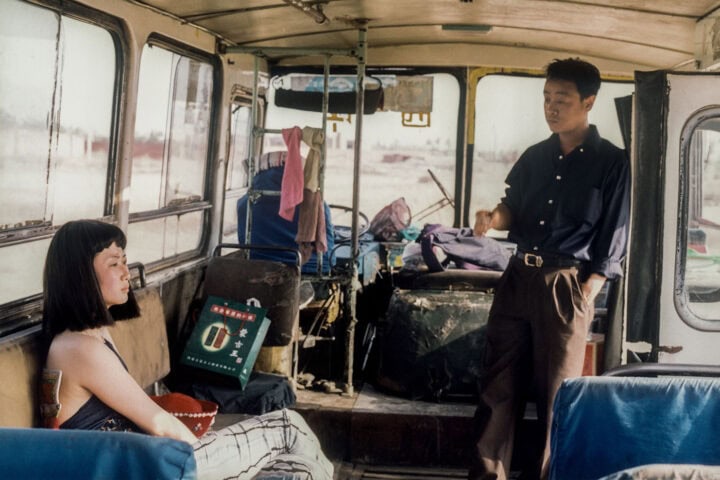

The film is a parable warning against nostalgic attempts to recreate the past.
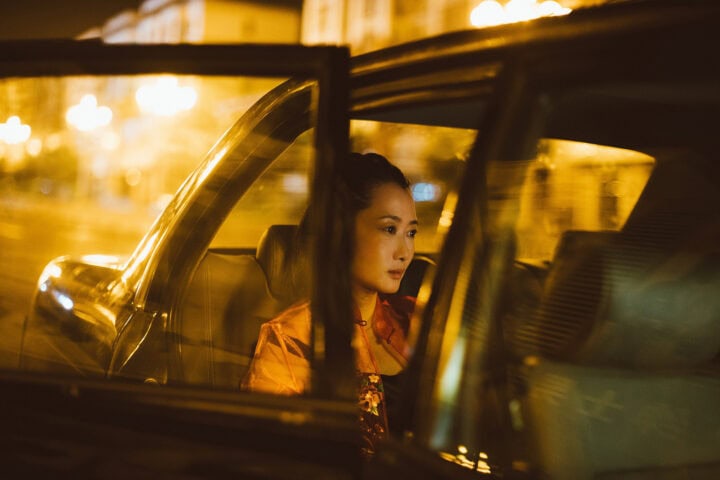
The film is a profound statement on the dissonances that inform 21st-century China.

Hopefully the arguments against Capernaum from the more discerning jury members will be strong enough to keep Nadine Labaki’s film from taking the Palme d’Or.

Walter Salles reinforces the impression of Jia’s art as emerging fluidly from the vagaries of his own life.

It’s the fleshed-out first segment that best presents characters with actual lives, as compared to the thinly veiled talking points of the film’s second half.
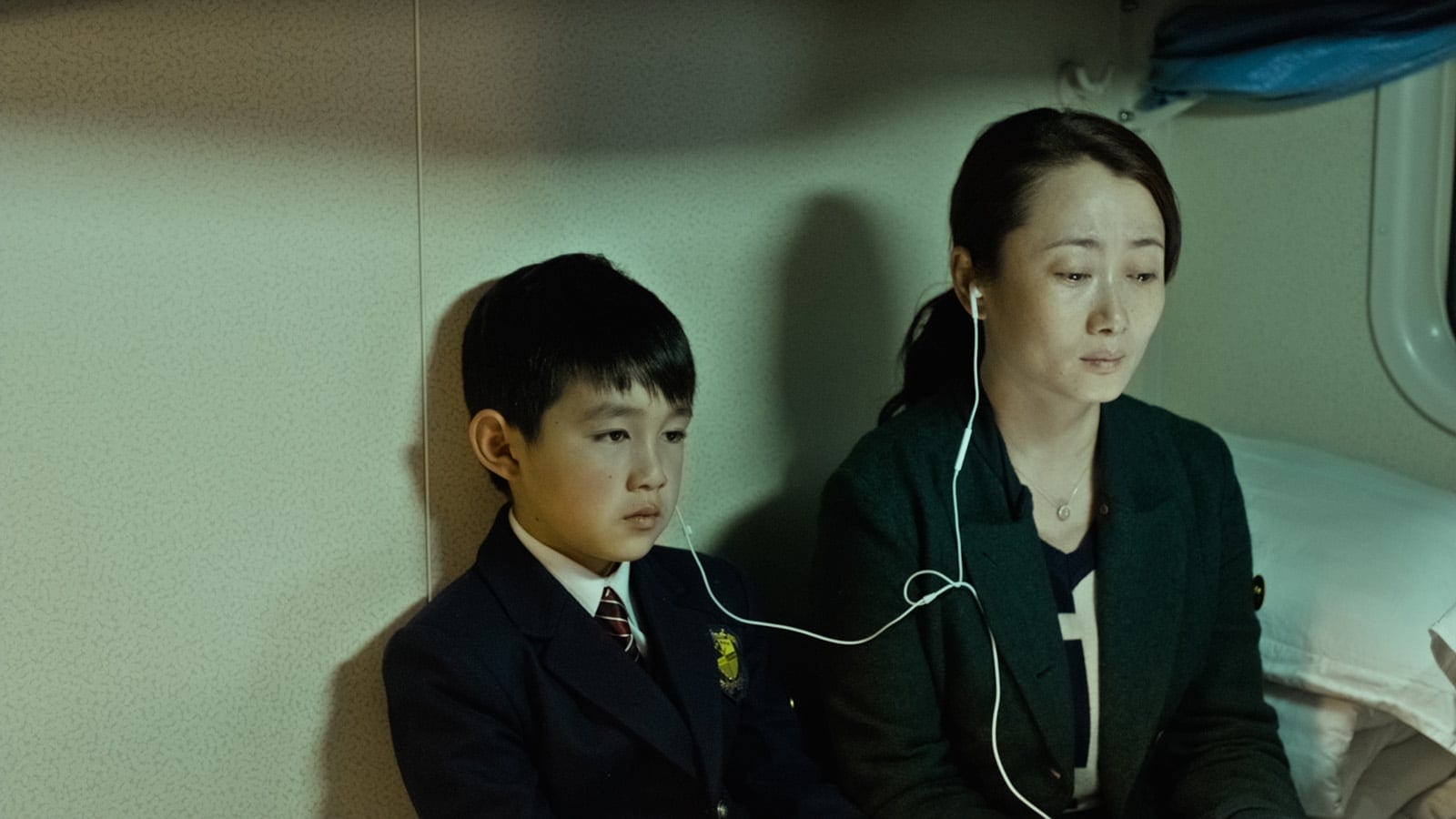
It’s the unlikely third-part arrival in a widescreen, English-speaking Australia in 2025 that proves to be Jia’s undoing.
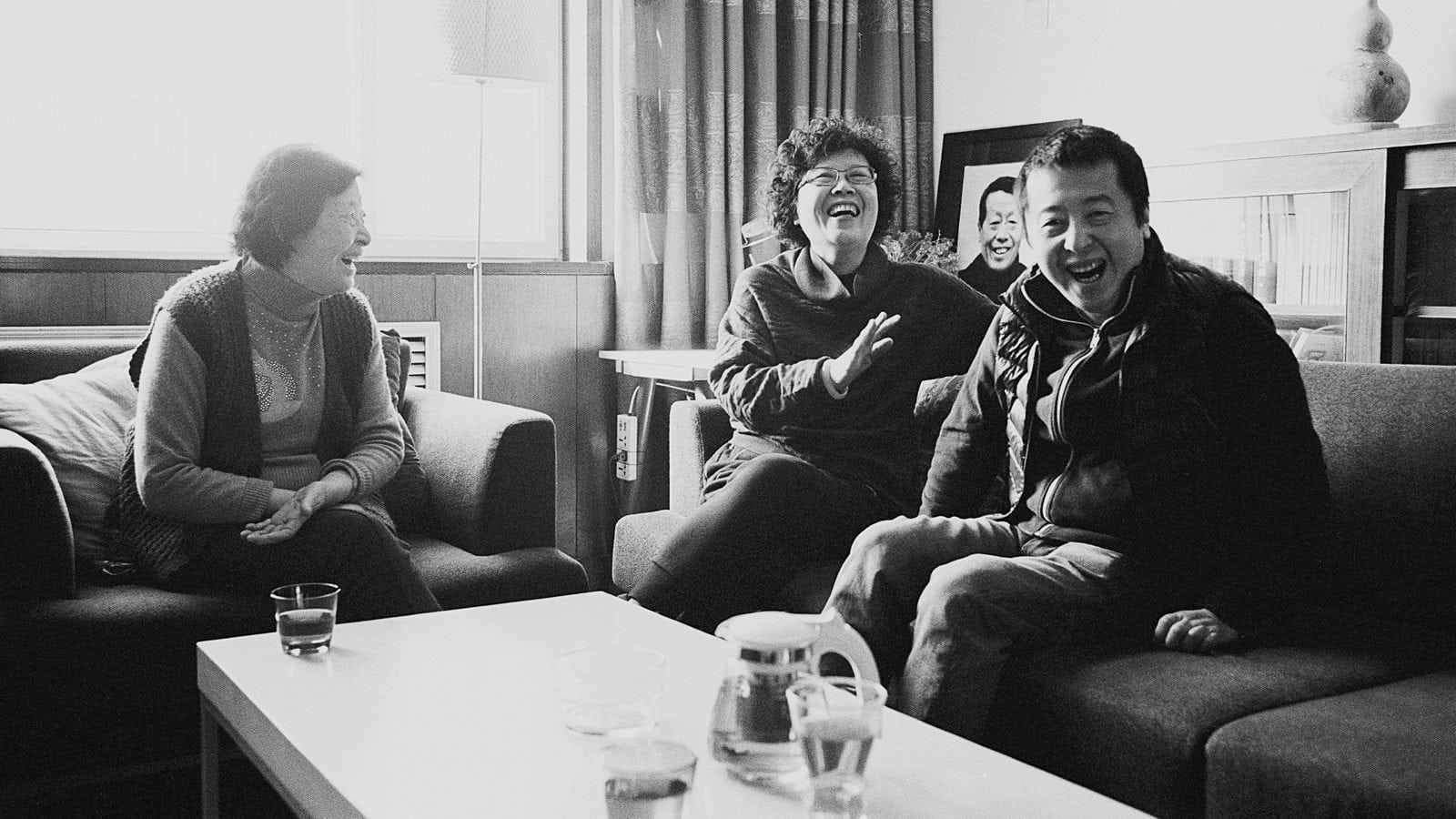
It’s perhaps only natural that a film festival as wide-ranging as the Berlinale would include a few documentaries about filmmakers.
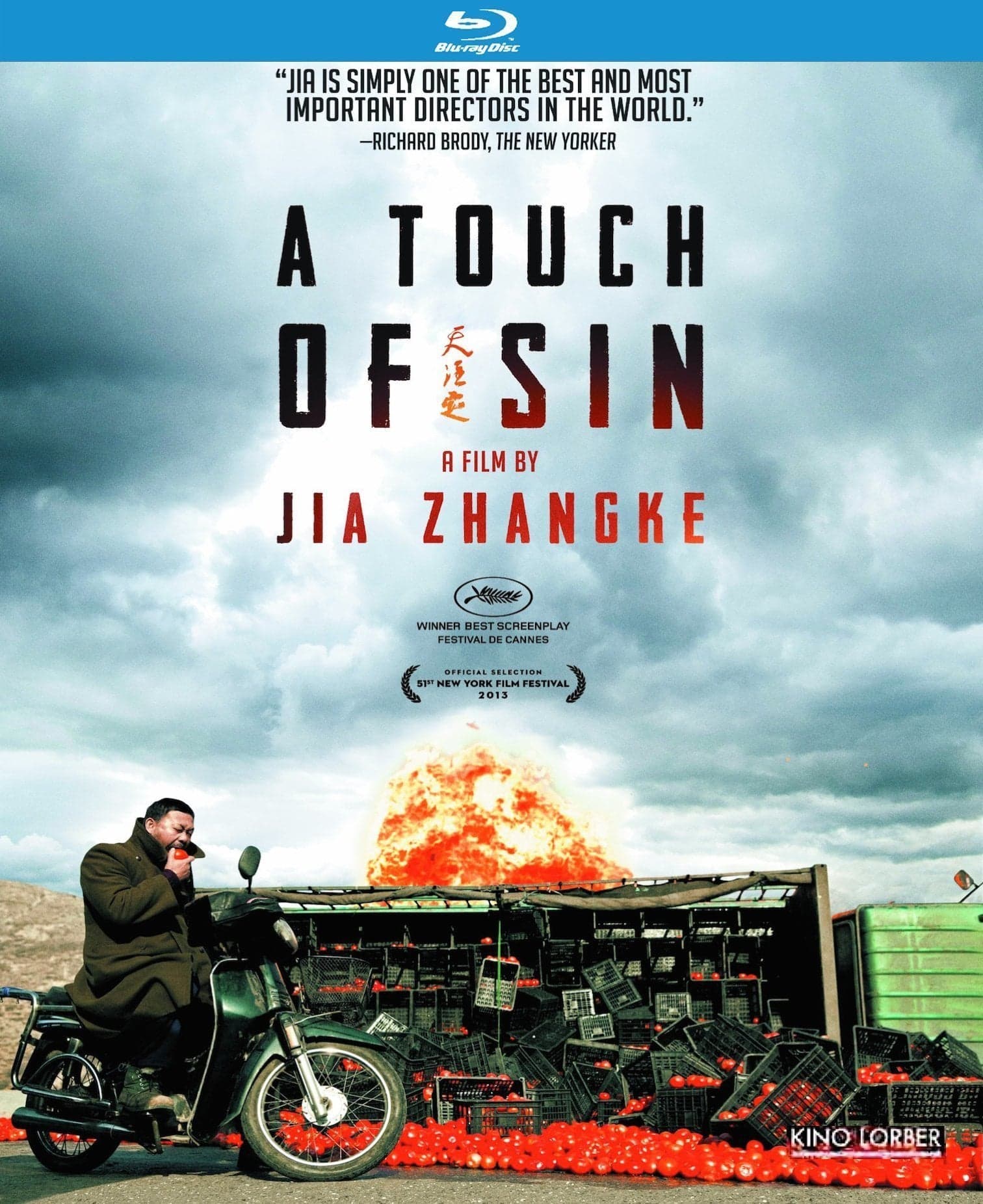
Jia’s tetraptych offers a haunting look at a system in which late capitalism and its provoked responses are terrifying and consumptive.

Here, the balance between the spoils and moral rot of murder are far preferable to the debasing rigors of tradition and hollow nationalism.

In contemporary Shanghai, Jia has located a nexus of past and future and, predictably, he’s more interested in the rubble than the glamour.
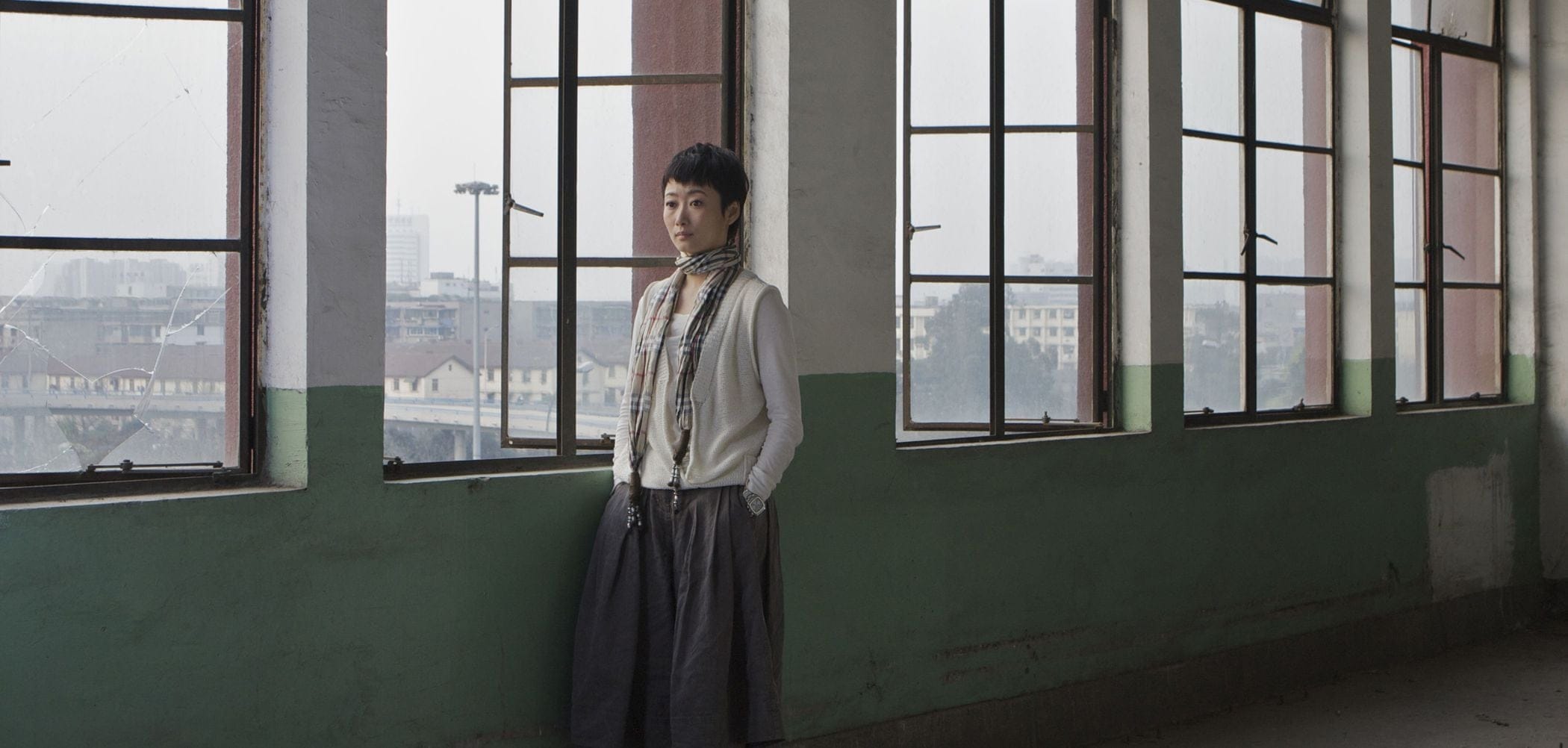
Jia Zhang-ke’s latest is simultaneously more and less than meets the eye.

Jia Zhang-ke has an uncanny way of grounding his portraits of alienation in settings that are at once allegorical and tangibly lived-in.

Fans of the film shouldn’t throw out their Region 2 editions since New Yorker Video hasn’t upped the ante in quality control or in the features department.
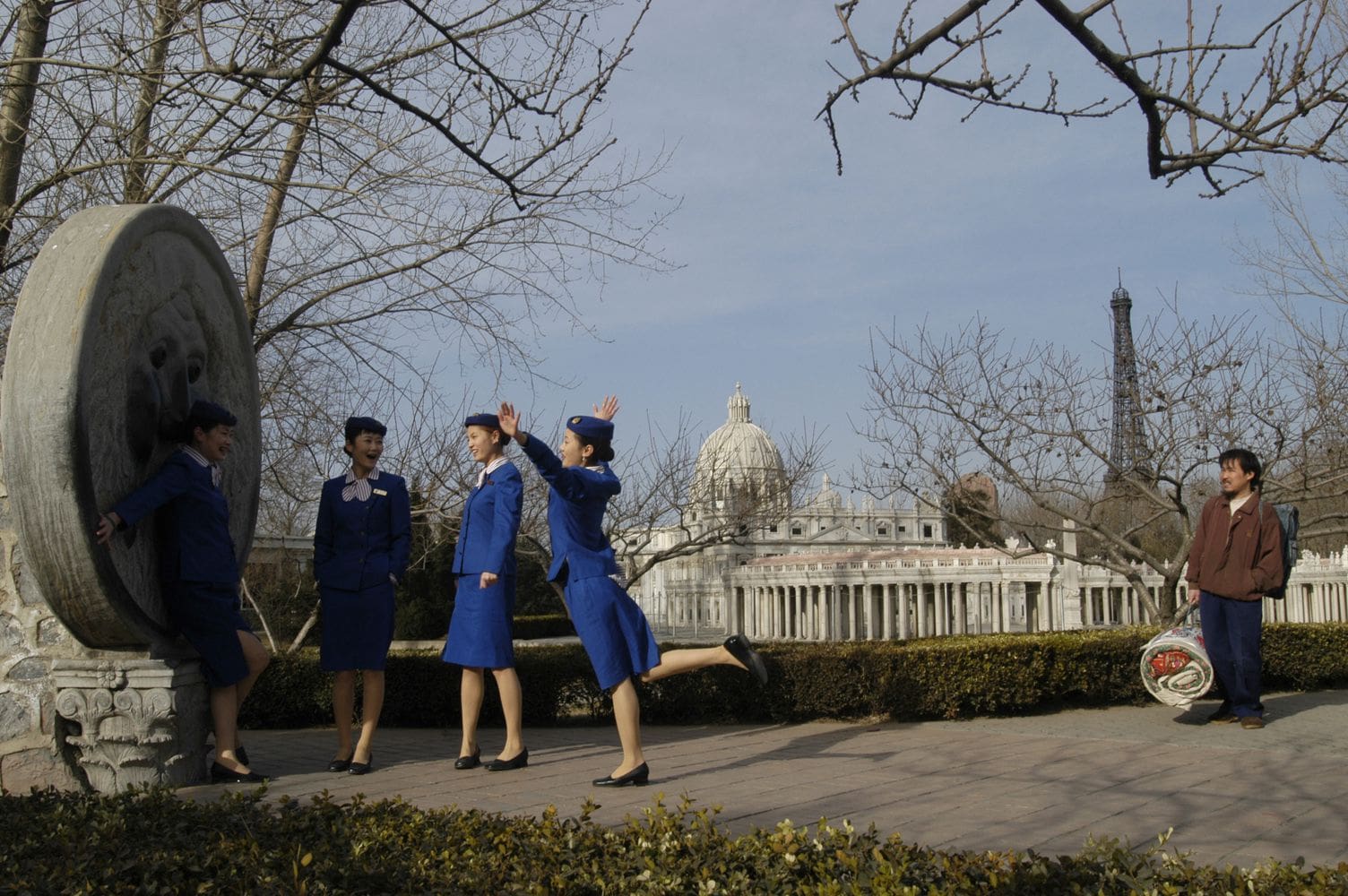
World Park is less crossroads of the world than land of confusion.

To gauge the suffocating allure of Platform, imagine if the protagonist from A Man Escaped never made it out of his Gestapo hell.

If you don’t buy this DVD for the lousy video transfer, at least buy it for the critics quoted on the cover (wink, wink).

Jia Zhang-ke’s haunting follow-up to Platform tracks various stages of underdevelopment.