RJD2 eventually went in some poorly-reviewed direction or other I didn’t follow; apparently things got a lot whiter and clumsier.


RJD2 eventually went in some poorly-reviewed direction or other I didn’t follow; apparently things got a lot whiter and clumsier.

Textbook blog-hype band: first album praised beyond (but only a little beyond) its merits, automatically slammed by same for their follow-up.
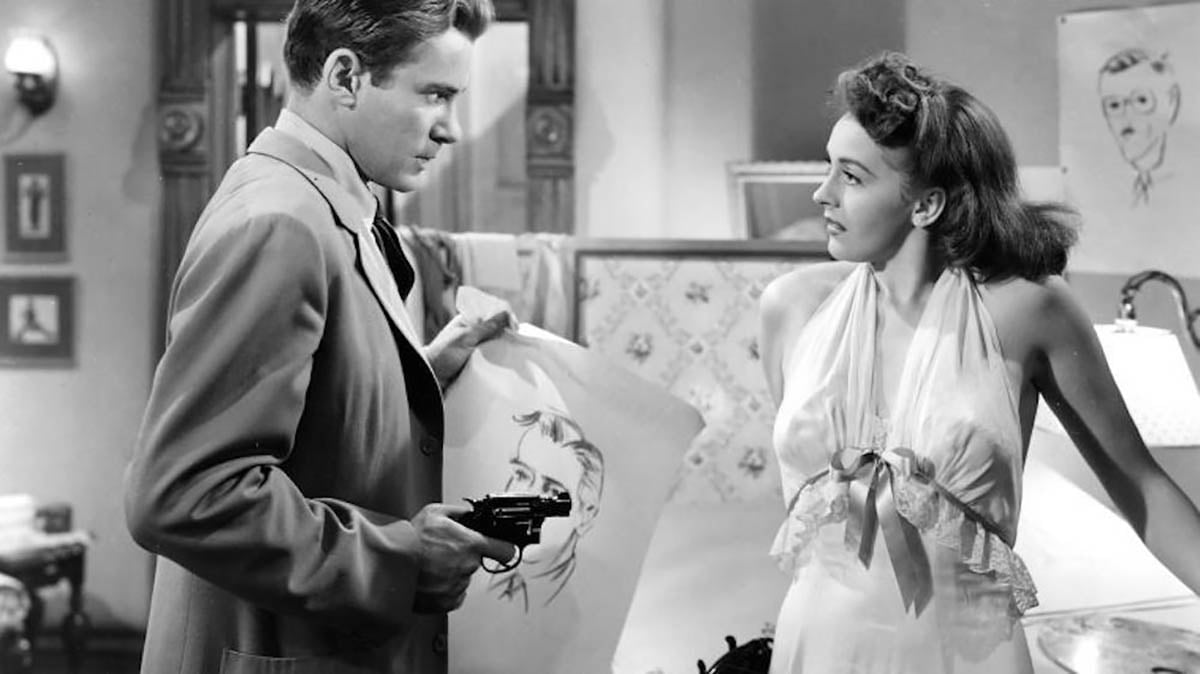
The second day of Noir City featured four wildly different films, each in service to noir in its own way.
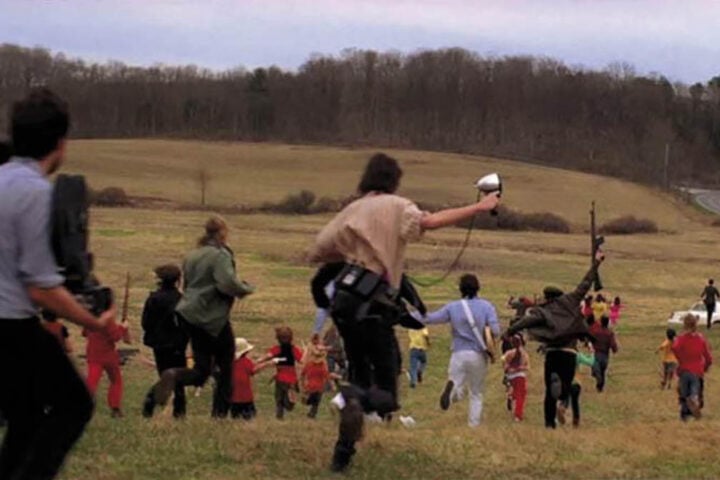
Arguably, the aughts traveled through three or four distinct phases of journalistically notable indie rock trends

Hello, and welcome to my much-delayed project to annotate my top 100 songs of our not-so-dearly-departed decade.

There was always something hard and saucy about Jean Simmons’s demeanor.

Opening night provided the perfect double feature to highlight this year’s double-L themes with 1948’s Pitfall and that same year’s Larceny.

Caprica’s pilot is ambitious, a bit overflowing with plot threads that beg for resolution

And now, a retelling of a recent conversation between two teenage girls and an older, wiser relative who gets owned.
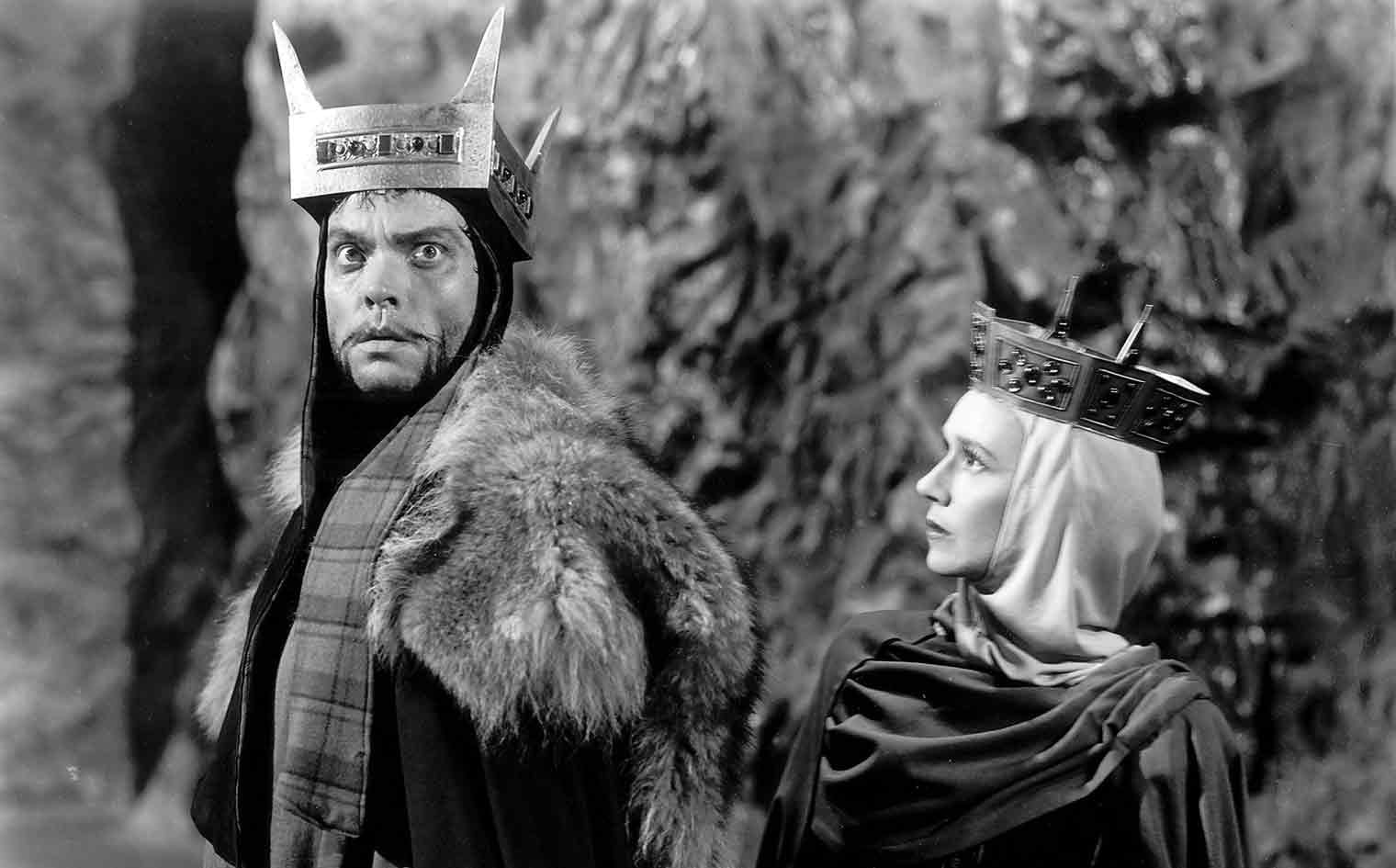
François Truffaut wrote that Welles made two kinds of films, those with guns and those with snow.

The cardinal sin of reviewing a film must be criticizing it for omissions it never cared about including in the first place.
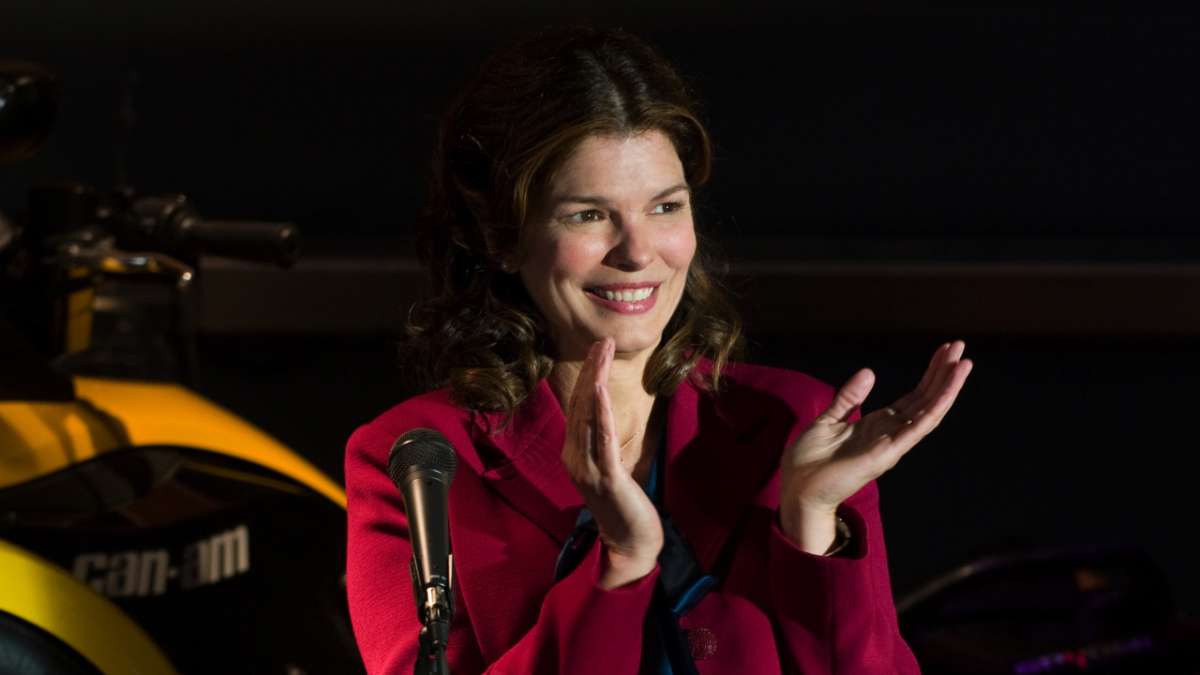
After watching the beginning of season four of Big Love, I think we can safely give up on ever having a premiere of this show that isn’t a busy and exhausting whirlwind.
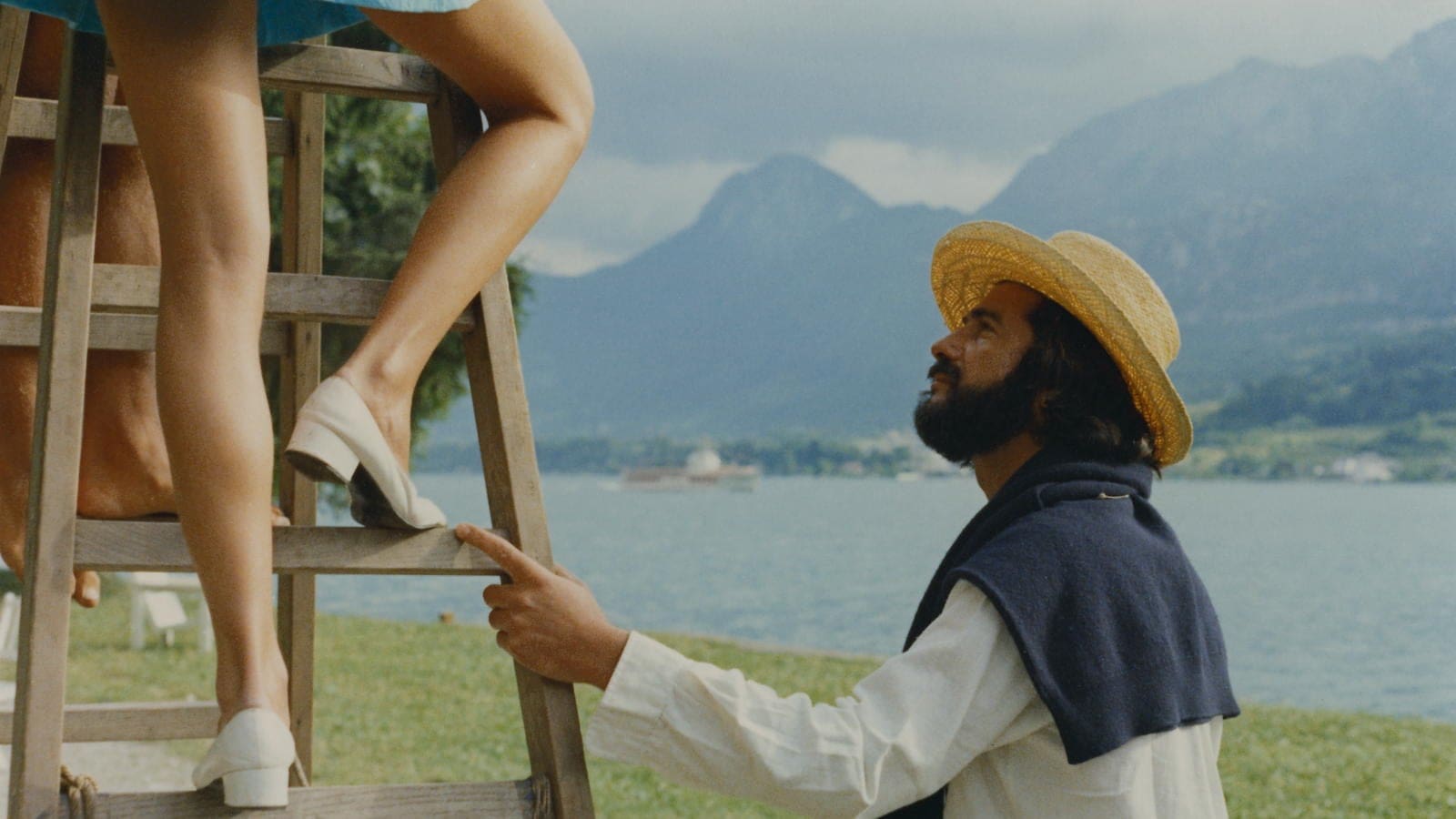
What is surprising, at least for me, is my immediate thought upon hearing of Rohmer’s death.

Linklater’s two films move us towards a new understanding of the genre of romantic films.

In David Cronenberg’s Crash we are given a collection of characters with often overlapping but not always similar sexual fetishes.
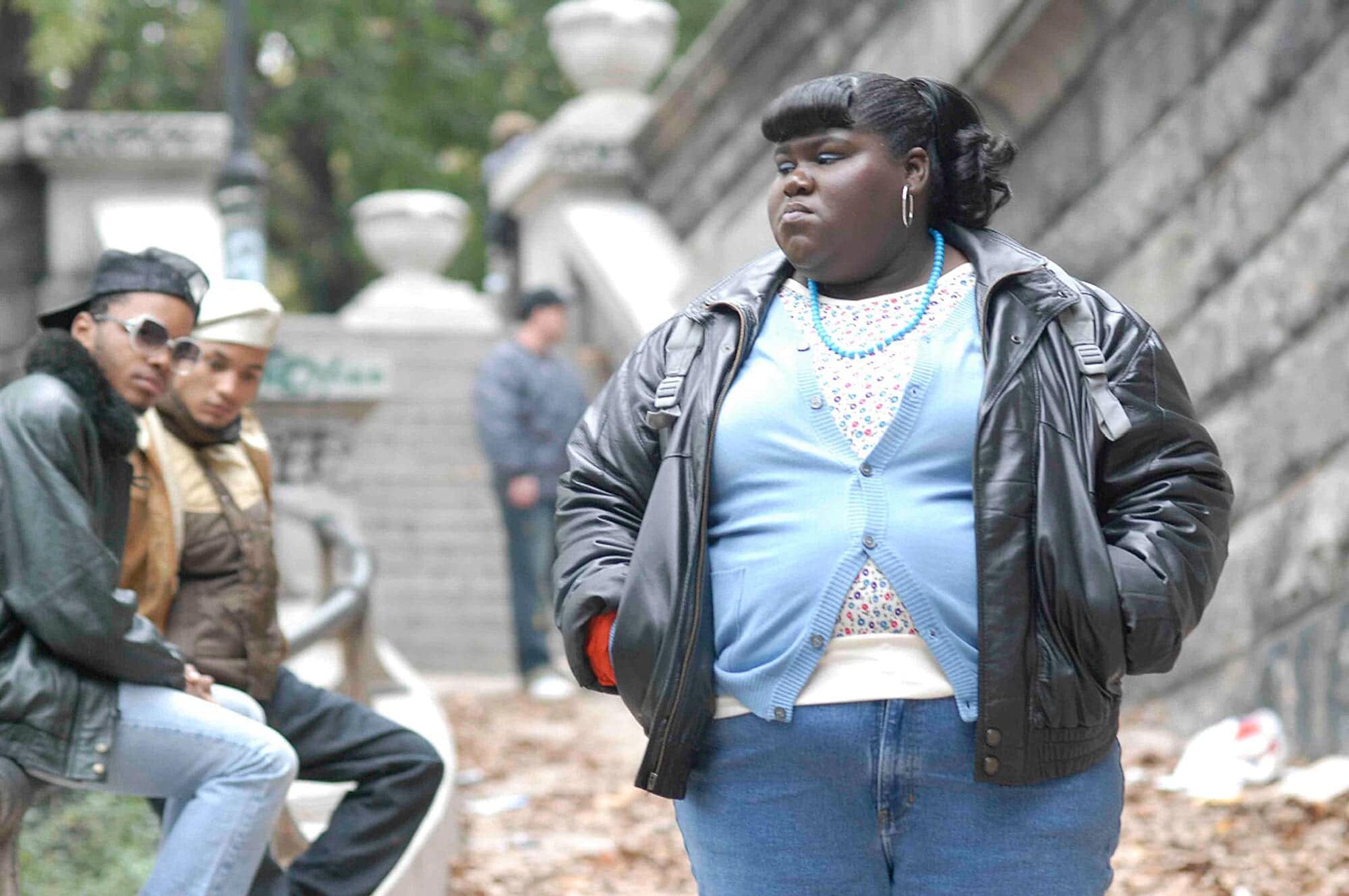
The process of education has begun, which is what the film is going to be about.

One point that the script doesn’t make sufficiently clear—at least, it confused me on first viewing—is that the initial Time Lord scenes take place before the three pieces of narration in Part One.

Successful or not, there’s something about the rebbot that I gravitate toward.
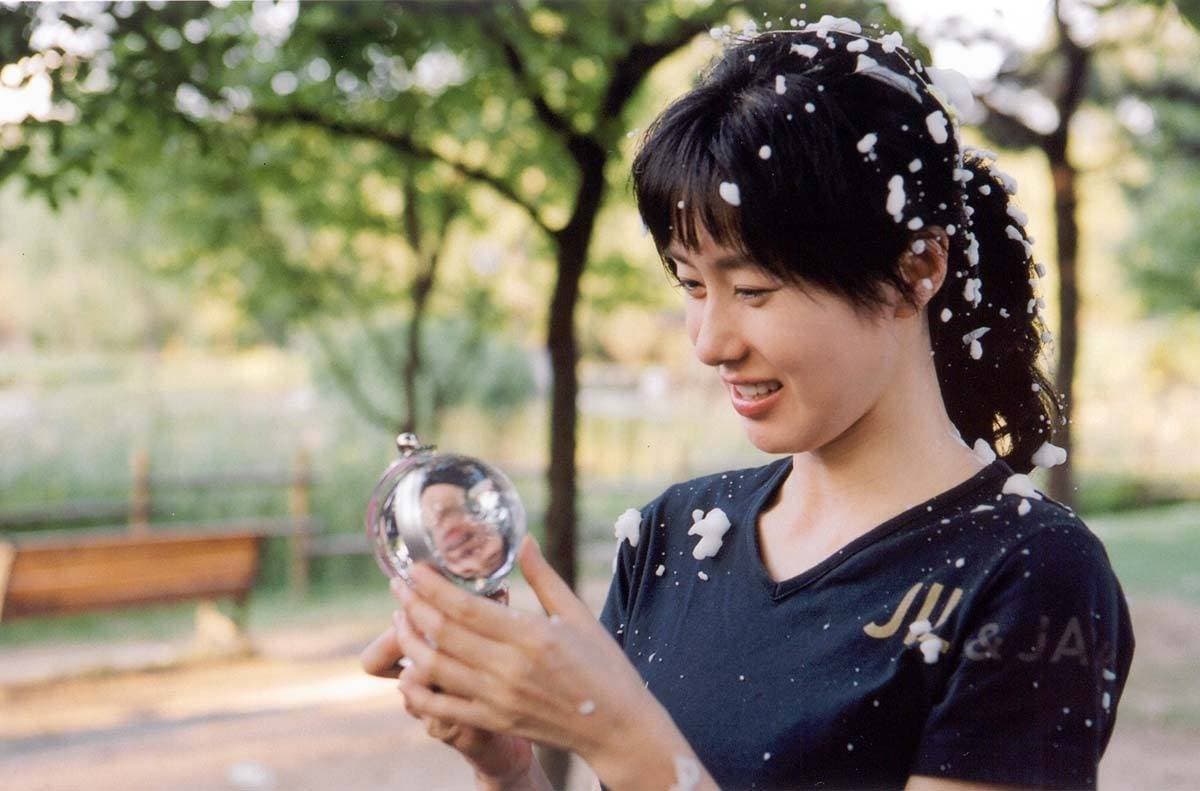
Lee Yoon-ki is a humanist.

Chabrol, Depardieu, murder, family quarreling—all seemingly wonderful elements that, when put together, should be engaging and fascinating.