Let us delve into the depths of the man’s work, let us explore his psyche, let us find out what makes him tick.


Let us delve into the depths of the man’s work, let us explore his psyche, let us find out what makes him tick.
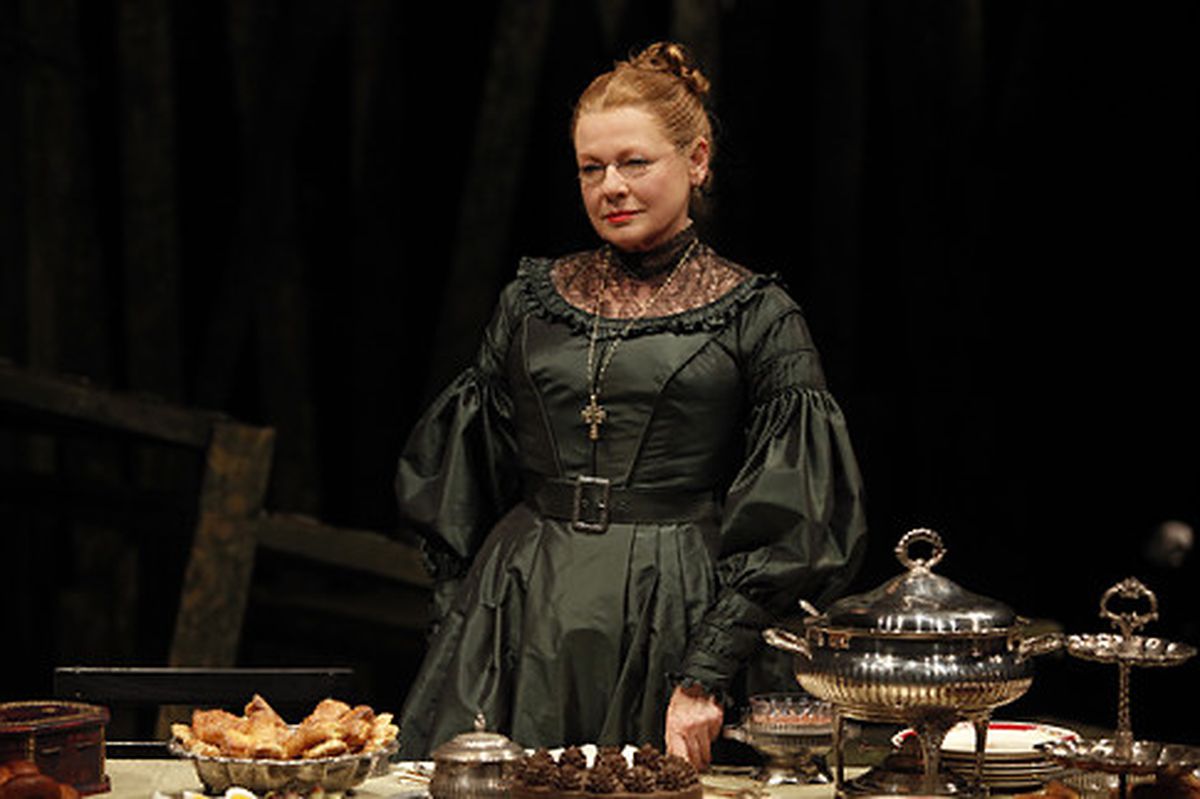
Brian Kulick’s herky-jerky production is never quite sure what to do with the great Dianne Wiest.
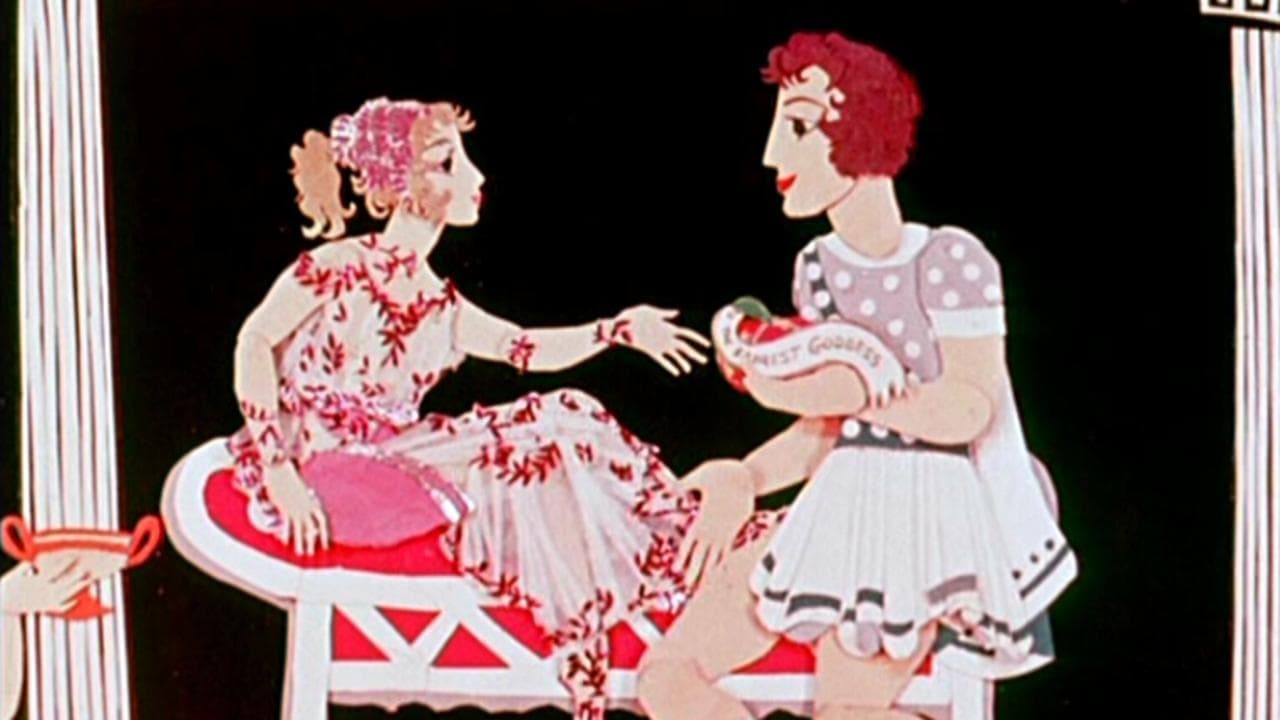
The films and videos shown at Orphans, all shorts or excerpts, don’t always last as long as the talks that precede them.
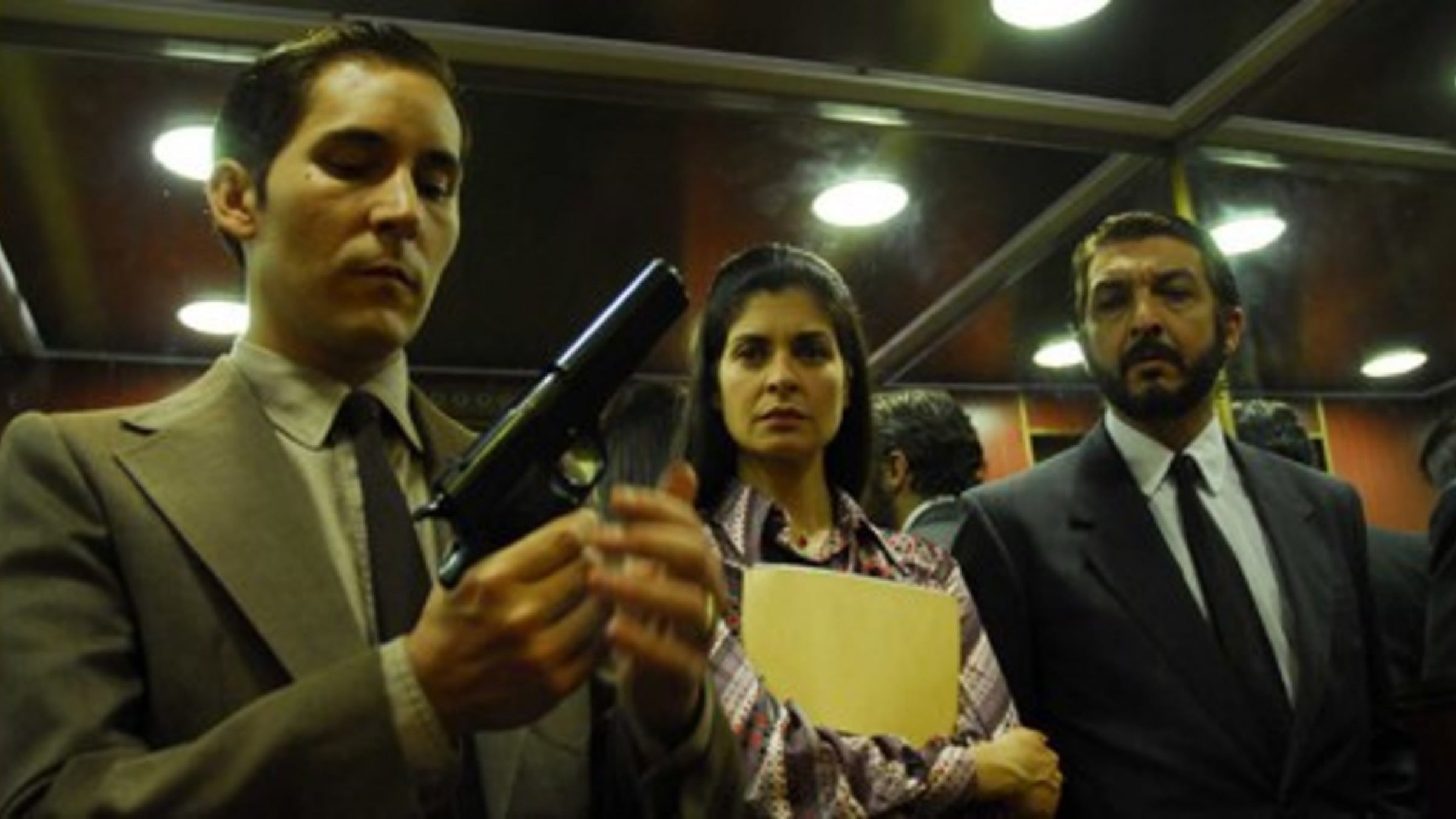
Juan José Campanella has a resume most people would kill for.
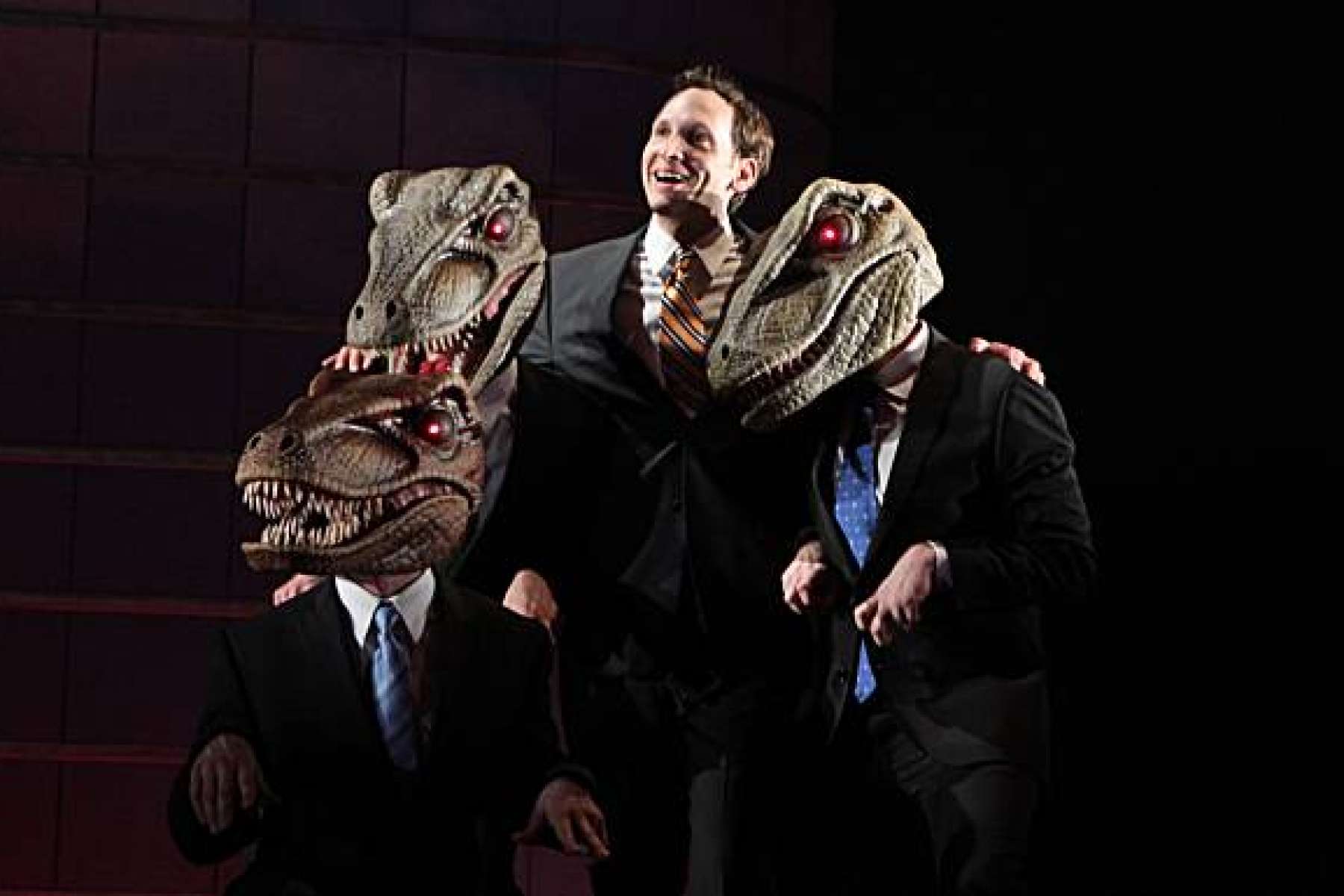
Perhaps the biggest question surrounding this show is why it’s even on Broadway in the first place.

Every Doctor sooner or later has to face the Daleks.

The film doesn’t exactly unearth any new idea or notion about the Rwanda genocide, but it still serves as a well-researched, educational guide.
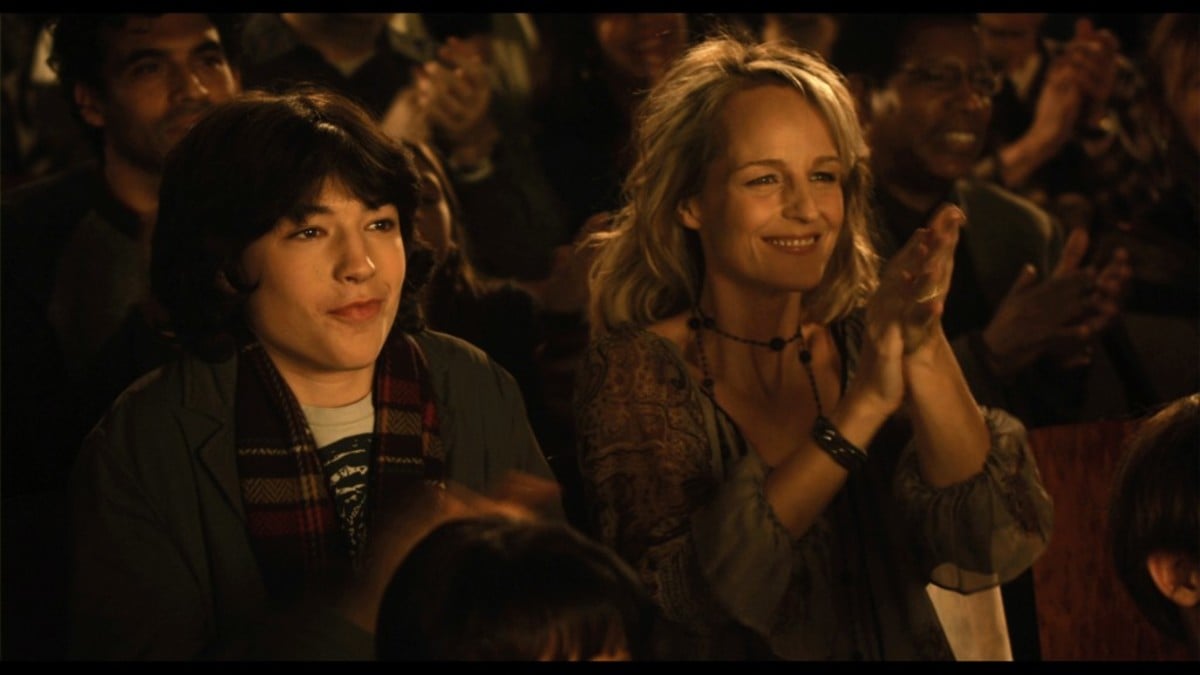
The film is a quaint but inane portrait of a modern-day Big Apple family.
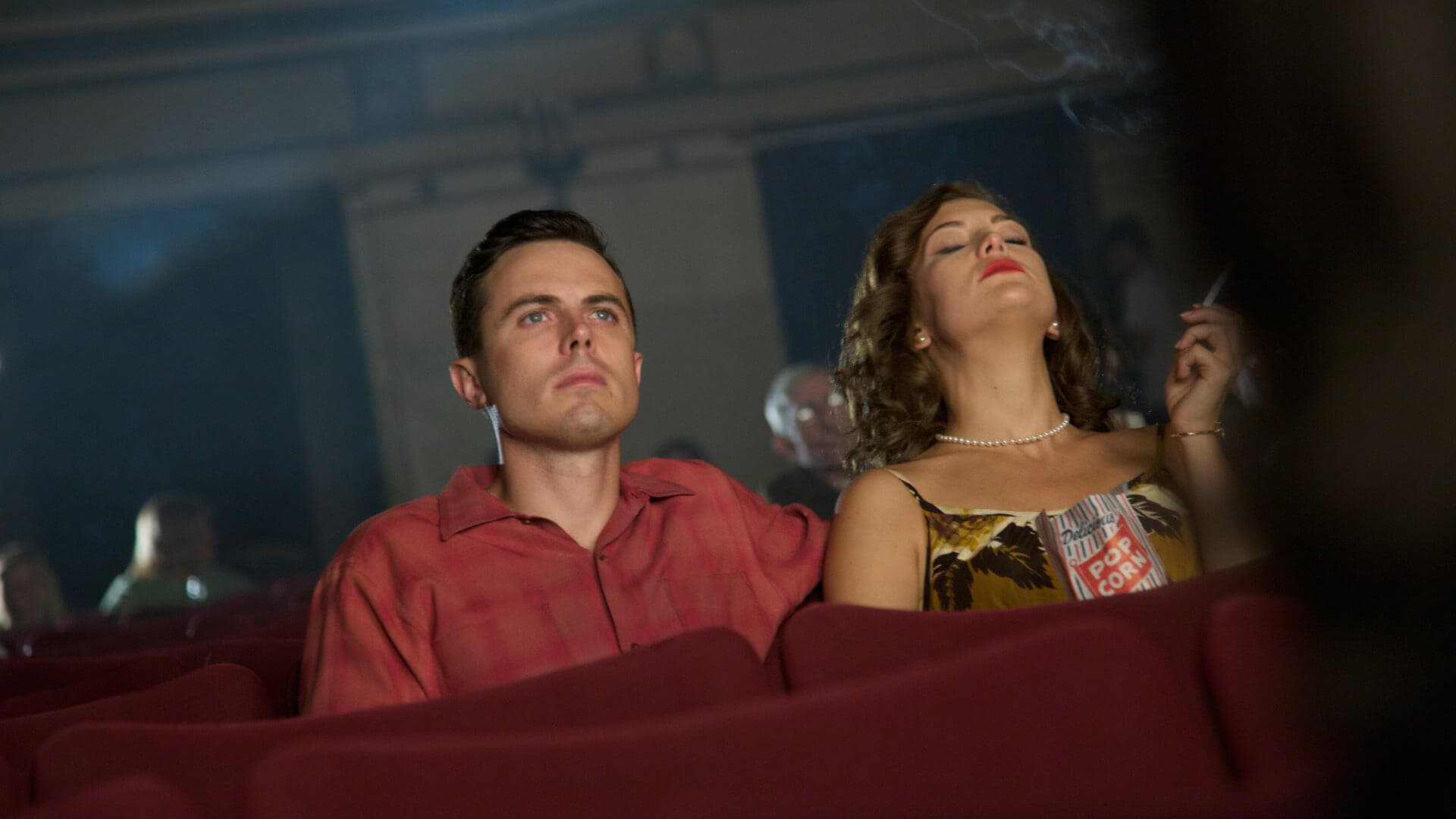
This period psychological thriller features two scenes of startling violence, but they’re far more unpleasant than shocking.

The film suggests a condensed version of Michael Apted’s Up series.

Jay Anania’s William Vincent is a turgid experiment in elliptical lyricism.
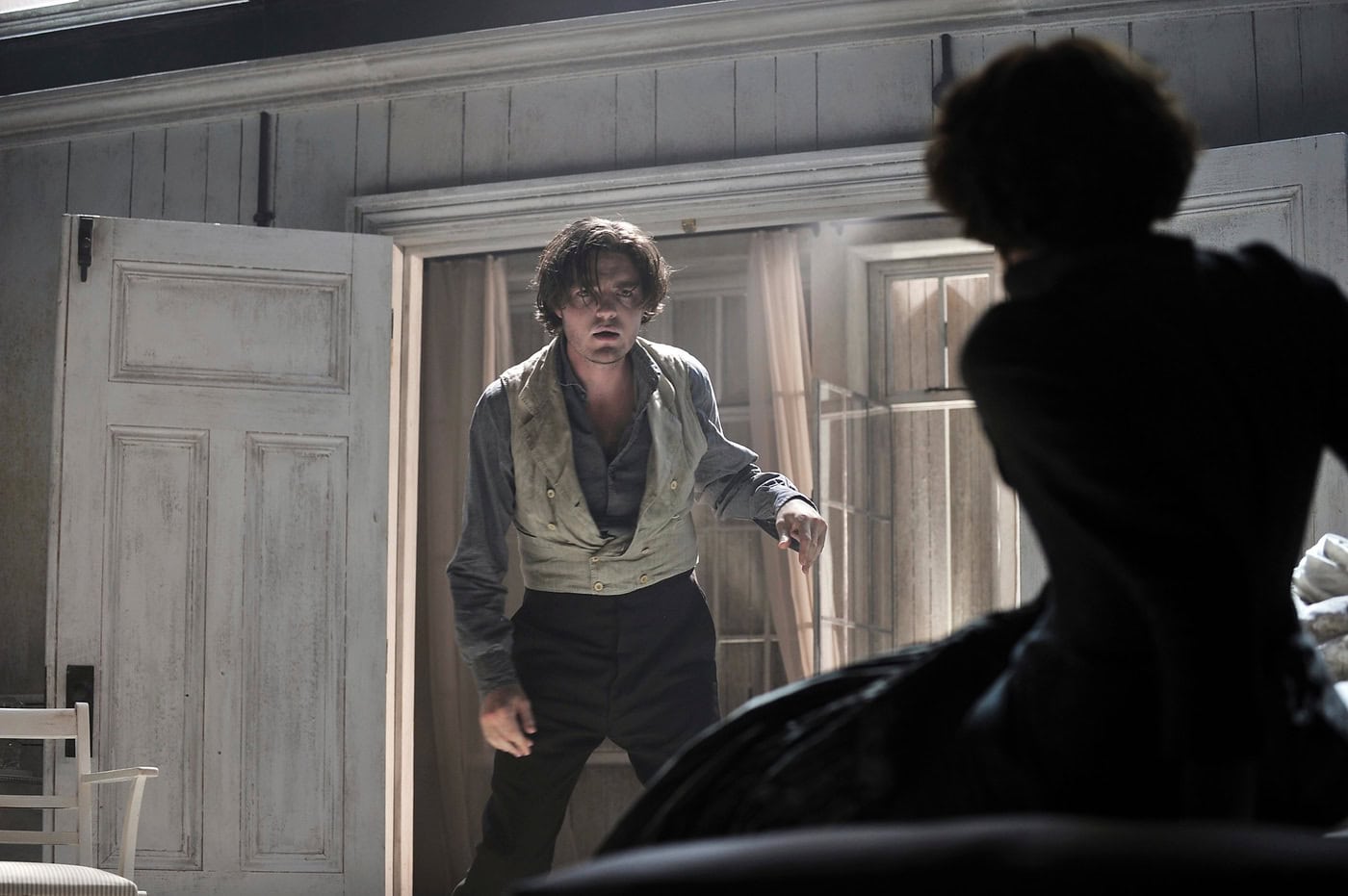
This adaptation is striking for the way that it both softens the edges of and preserves the problematic acidity of August Strindberg’s play.
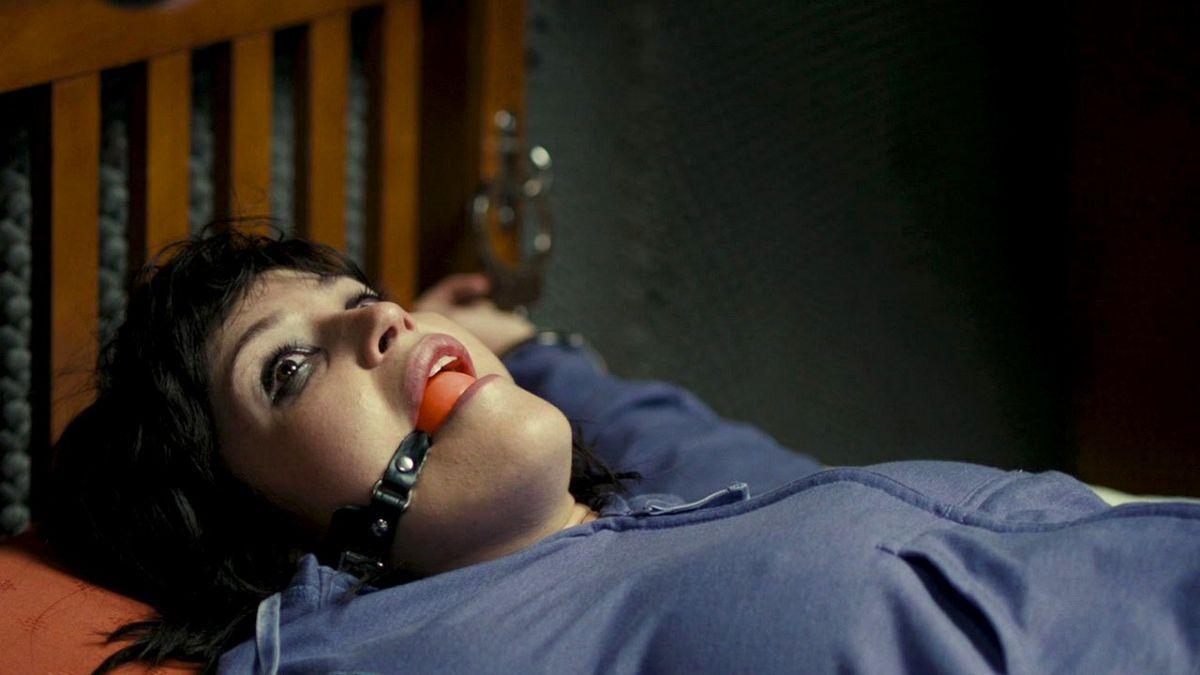
The Disappearance of Alice Creed initially coasts on its intriguing setup but quickly unravels in the second half.
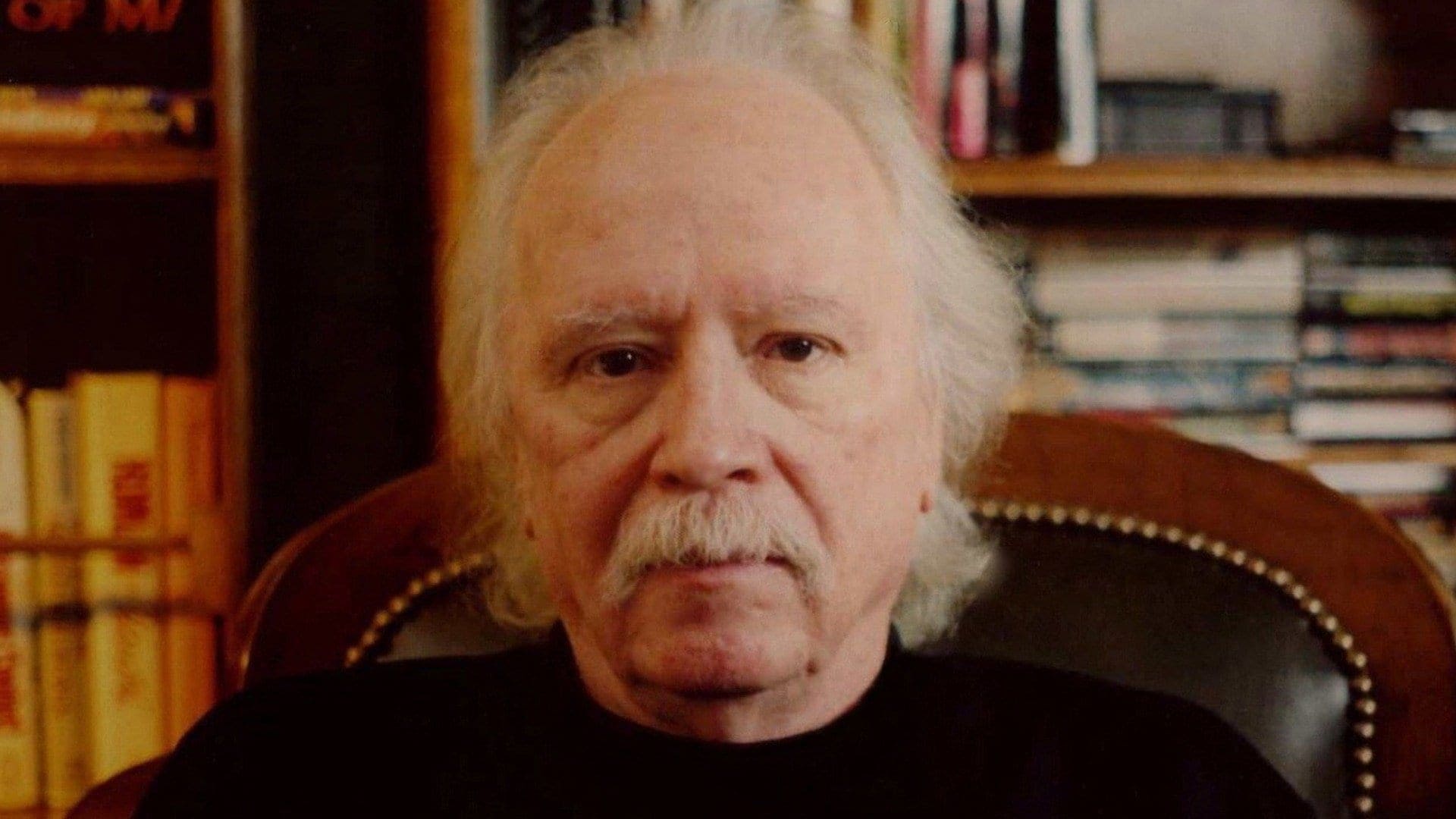
I like the way the filmmakers have organized the film into sections, which at least gives the illusion of forward momentum.

To watch Open House is to revisit some of the hoarier conceits marking the last half-century of the non-supernatural horror film.

The setting is impressively strange right from the opening shot.

Don’t go looking for a story where there is none.
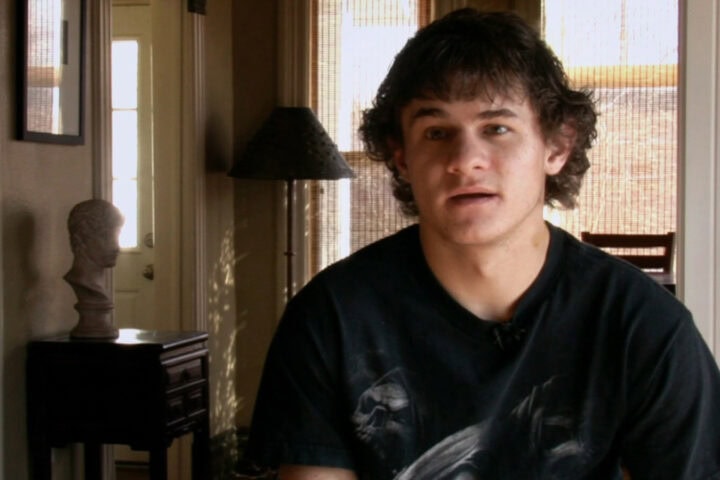
The documentary is cautiously inspiring in its snapshot of independence blossoming amidst oppression.

Lucky Life reflects on issues of remembrance, life, and death with a heartfelt lyricism bordering on affectation.

The film is a series of sight gags and quirky scenes that don’t build upon one another.