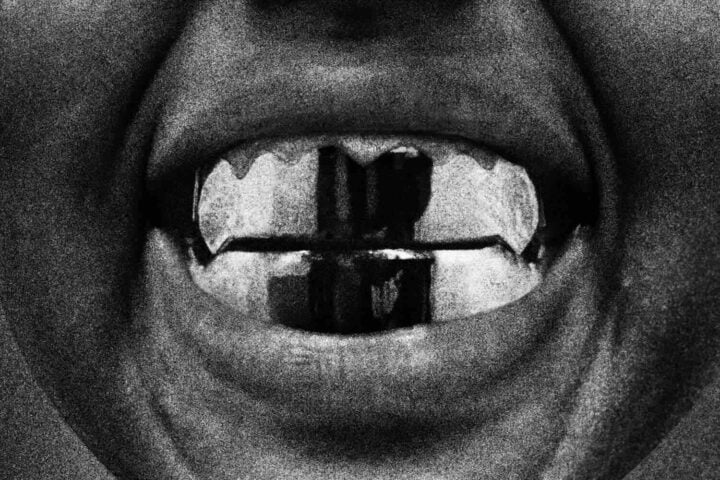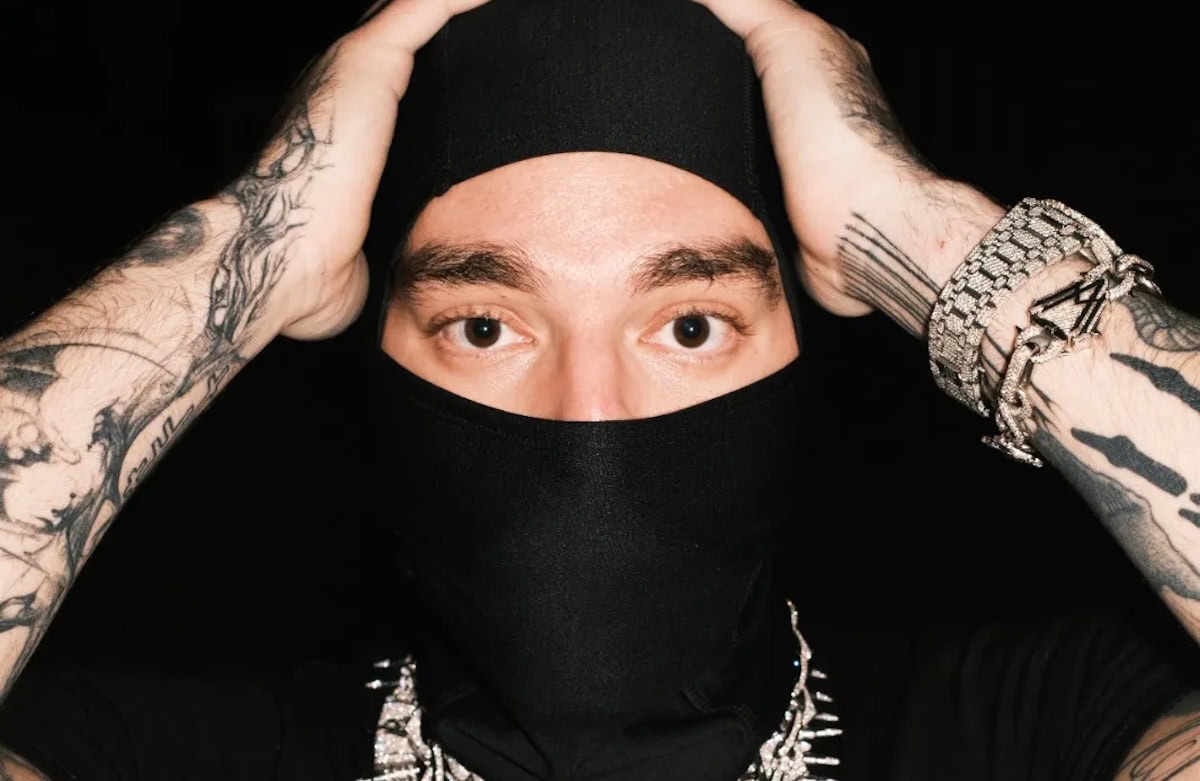
A double album featuring A-list guests and nostalgia-mining samples, Yeat’s ADL has all the fixings of a big-event rap release. It also displays a level of polish that the rapper’s music has rarely sustained up to this point. The distinction between disc one, A Dangerous Lyfe, and disc two, A Dangerous Love, comes down mostly to tone—the second half is slightly mellower—but the split seems intended to emphasize the project’s lofty aspirations. In focusing on polish and broader appeal, though, the album sacrifices something central: the zany, off-kilter personality that once defined both Yeat and his music.
Yeat’s best songs draw their energy from the production—fuzzy, overdriven synth lines, blown-out 808s—as he further animates the chaotic tracks with his elastic flows and absurdist ad-libbing. ADL flips that balance: The beats are cleaner, more restrained, and often pushed to the background—“Griddlë,” with its cadet-march pulse, is one of the few moments that even gestures toward Yeat’s earlier sound—placing an unusual amount of weight on him as a lyricist.
But Yeat simply can’t carry the songs on ADL on rapping alone, especially when he has so little of interest to say. When his music thrived on overload, with the production throwing everything at the wall and letting the noise cohere into something compelling, that limitation could be masked. Here, though, those shortcomings are laid bare all too frequently. On “Dangerous House,” for one, Yeat drifts through a flat, perfunctory verse about a flailing relationship, delivered with so little inflection or presence that it barely registers.
Which makes something like “Naked” feel almost revelatory by comparison. The track is juvenile, flimsy, and transparently engineered for virality, but it’s at least animated, with a hook—“I just like to see you naked / I don’t like the games you playin’”—that really sticks.
What’s most frustrating about ADL is how often it mistakes people-pleasing for ambition—which may be the only explanation for “Lose Control,” a ghastly rap-rock crossover that sounds engineered for the end credits of a middling DreamWorks Animation movie, or the forgettable “Let King Tonka Talk,” which features a brief, cringeworthy cameo from Kylie Jenner. Yeat reaches in every direction on ADL, and while his willingness to experiment—albeit in far more commercial ways—is commendable, he seldom develops any idea beyond a surface-level pass.
Since 2001, we've brought you uncompromising, candid takes on the world of film, music, television, video games, theater, and more. Independently owned and operated publications like Slant have been hit hard in recent years, but we’re committed to keeping our content free and accessible—meaning no paywalls or fees.
If you like what we do, please consider subscribing to our Patreon or making a donation.