
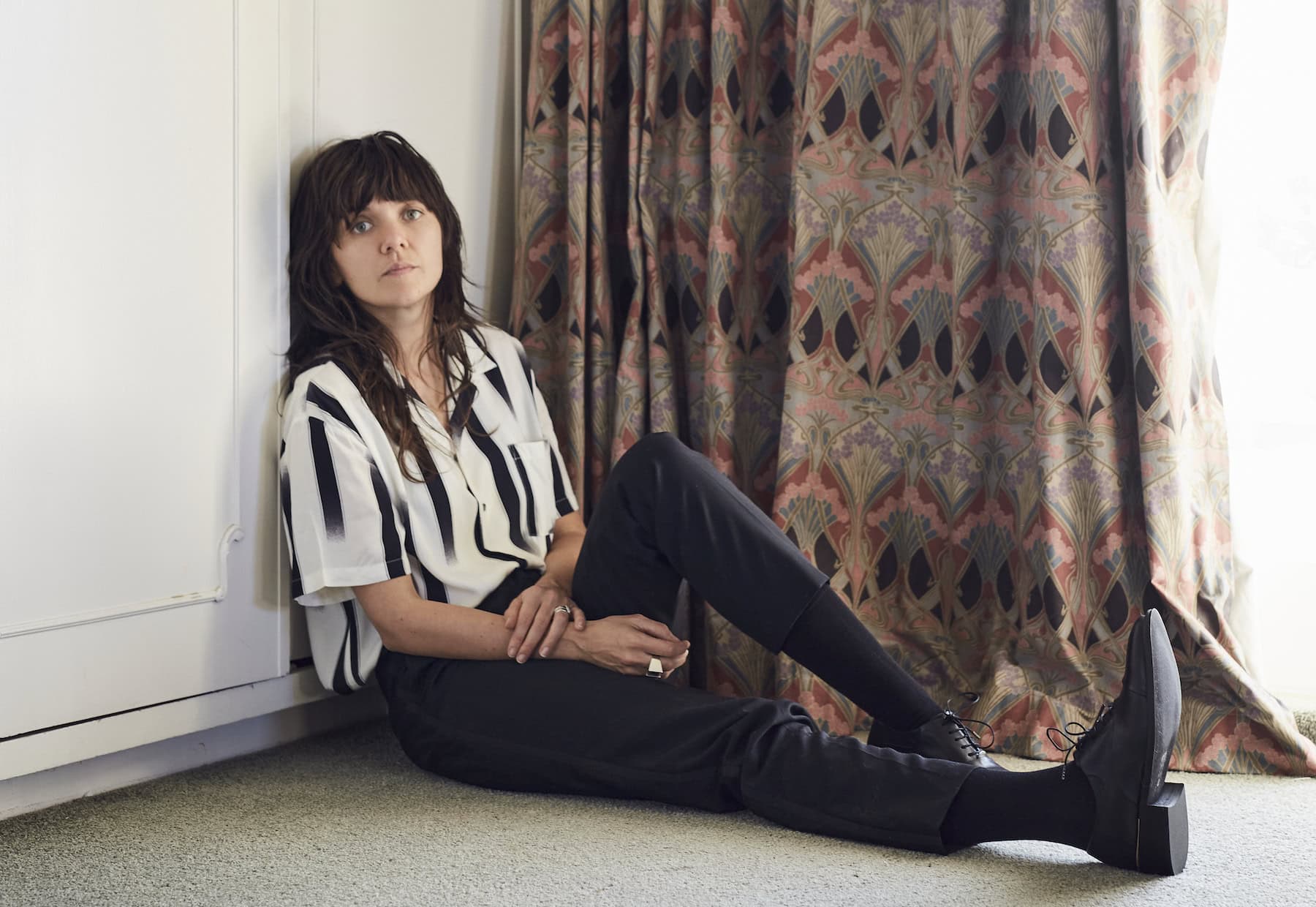
Courtney Barnett isn’t exactly the voice of her generation. After all, the 33-year-old Aussie singer-songwriter’s music only tangentially touches on some of the defining characteristics of millennials, from an abiding commitment to social justice, to an exploration of new racial, gender, and sexual identities, to online addictions.
And yet, Barnett’s third solo album, Things Take Time, Take Time, captures something deeply true and profound about how she, and her contemporaries, relate to the world and each other. As we constantly yearn for real human connection across the digital void, the singer’s latest batch of sweet, open-hearted songs not only give voice to a generation’s endemic social anxieties, but even provide an endlessly empathetic blueprint for confronting them.
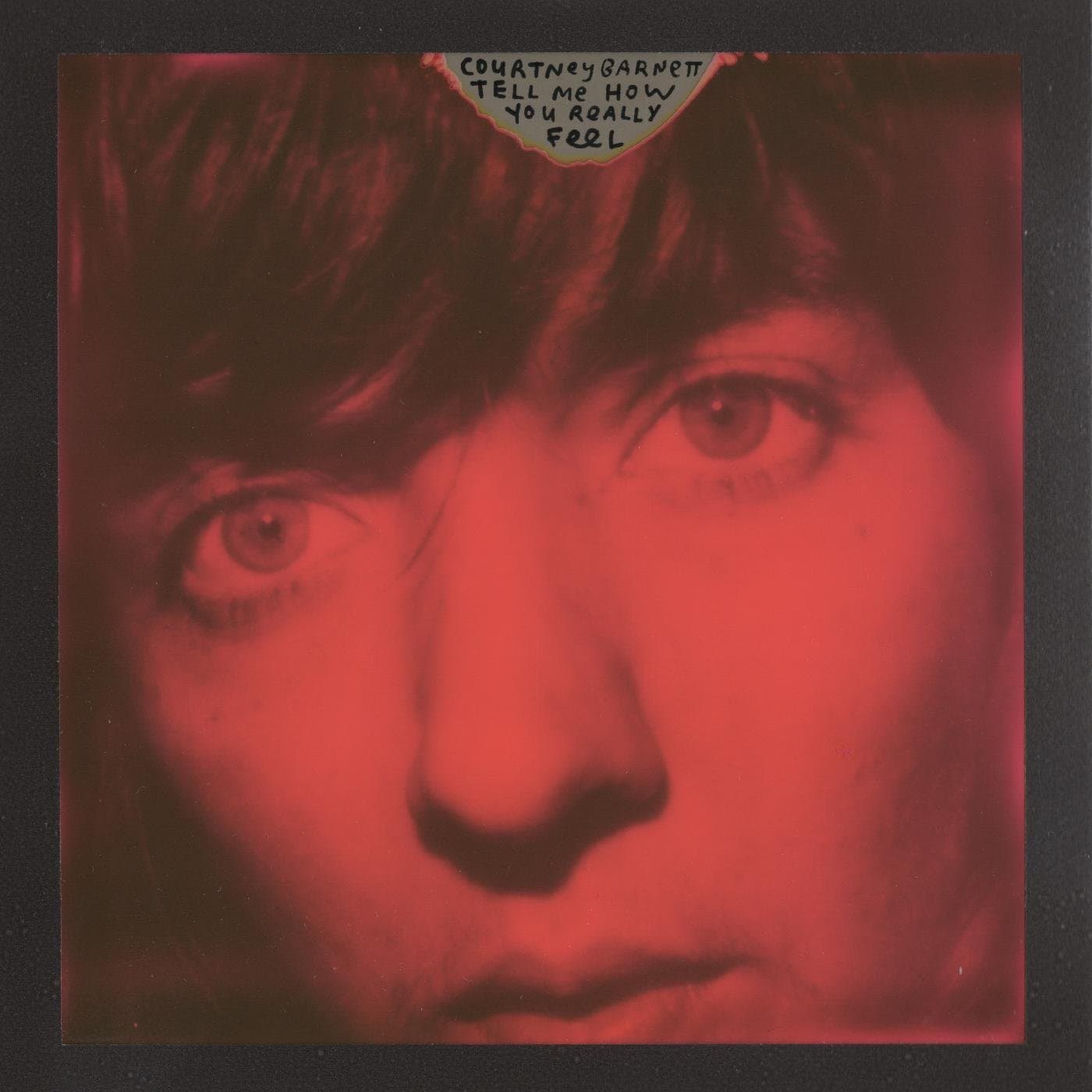
Barnett has already accrued a small but incredibly formidable catalog rife with whip-smart observational lyricism and infectious power-pop hooks. Things Take Time, Take Time, then, isn’t a departure from 2015’s Sometimes I Sit and Think, and Sometimes I Just Sit or 2018’s Tell Me How You Really Feel, but rather a fully realized crystallization of her melodic instincts and the themes that she’s previously explored. She wrote most of the album in 2020, holed up alone in a Melbourne apartment while riding out the Covid-19 pandemic, and as such a sense of solitariness permeates its 10 songs.
Indeed, rather than record with her touring band, Barnett is accompanied only by Warpaint’s Stella Mozgawa, who co-produced the album with the artist. The results are cozy and intimate, with multiple tracks employing basic drum-machine patterns in place of more forceful live kits. There are no stomping rock songs like “Pedestrian at Best” here, with several tracks—“Here’s the Thing,” “Splendour”—instead reveling in their languidness.

Despite this, and despite Barnett’s candid explorations of her struggles to accomplish so much as getting out of bed, Things Take Time, Take Time is never given over to despondency. In fact, this is Barnett’s most joyous album to date, the result of her persistence in reaching out to the rest of the world rather than retreating from it. For one, the visceral opening track, “Rae Street,” finds Barnett waking up in the morning with nothing to look forward to: “I might change my sheets today,” she shrugs. But rather than wallow in hopelessness, she sees an opportunity to spend the day gazing out the window and people watching. She rattles off some ostensibly mundane observations, her laidback, jangly guitar strumming mirroring the unhurried pace of the day that unfolds in front of her: a garbage truck rolling by; painters working on a house across the street; a harried mom next door yelling as her “kids run amok.”
But from these small moments scattered across “Rae Street,” deep human insights emerge: “Lay it all on the table/You seem so stable/But you’re just hanging on,” Barnett observes. She’s probably singing as much about herself as anyone else, but it sounds more like a direct appeal to the listener. She sees us as clearly as the people on the street below.
Barnett spends much of the rest of the album seemingly singing directly to us. Lyrics like “Are you good, are you making ends meet?/At the end of the day you’re awake with your thoughts/And I don’t want you to be alone” feel like encouraging words from an old friend. Barnett didn’t invent this trick, as it’s been around since long before YouTube and TikTok made parasocial relationships such a thing. According to Paul McCartney, he and John Lennon appealed to their fans by subliminally addressing early songs like “She Loves You” and “Thank You Girl” to them. It worked spectacularly then and, in Barnett’s hands, it still does.
As much as they offer solidarity to others, though, these songs are clearly very personal for Barnett, whether she’s opening herself to new love on the effortlessly charming “If I Don’t Hear from You Tonight” or seizing on methods of overcoming depression on “Turning Green” and “Write a List of Things to Look Forward To.” This sense of self-realization extends to the music itself. Barnett’s flat, wry voice and conversational singing style have always leant her songs a personally distinctive flair. But it’s remarkable how thoroughly she’s able to synthesize so many familiar musical strains—the bluesy fingerpicking of “Before You Gotta Go,” the bubbly indie-pop vibe of “Write a List of Things to Look Forward To,” the quirky new-wave synths of “Sunfair Sundown”—so thoroughly that the songs somehow sound like no one else could have written them. The simplicity of the arrangements means that each melody on its own must do the heavy lifting to underscore the emotional impact of the lyrics.
Things come to a head on Things Take Time, Take Time’s closing track, “Oh the Night,” as Barnett maxes out the album’s defining characteristics. At first, the stark piano that drives the song seems like an unnecessary signifier of intimacy and authenticity. But once Barnett gets to the meat of the song, its emotional potency becomes undeniable: “Sorry that I’ve been slow, you know it takes a little/Time for me to show how I really feel/Won’t you meet me somewhere in the middle/On our own time zone.” And wherever that time zone is, you’ll feel as if you want to meet her there. As is often said, Bob Dylan had his finger on the pulse of his generation. If so, then Barnett has a comforting hand resting on the shoulder of hers.
Since 2001, we've brought you uncompromising, candid takes on the world of film, music, television, video games, theater, and more. Independently owned and operated publications like Slant have been hit hard in recent years, but we’re committed to keeping our content free and accessible—meaning no paywalls or fees.
If you like what we do, please consider subscribing to our Patreon or making a donation.



Thanks for the review. It is a remarkably great album. I woke up this morning and just wanted to listen to it. In particular, the last track was in my head. I did a quick search to see if anyone else felt the ending track “Oh The Night” was as perfect as I felt it was. Take care.