Car Seat Headrest’s The Scholars isn’t the band’s first dalliance with a narrative format. Their 2011 album Twin Fantasy, which was re-recorded and re-released in 2018, is a concept album about adolescent self-discovery and sexual awakening. The Scholars similarly centers on young adults, but these characters are less concerned with sex and drugs than the esoteric traditions and mysterious happenings at the fictional Parnassus University. The story is vague as best, introducing enigmatic figures like a med student with supernatural healing powers and an aspiring furry with an overbearing mom, before climaxing with a destructive raid by students from Parnassus’s neighboring rival Clown College.
It’s an especially fraught time for academia, what with centuries of tradition seemingly in peril of being trashed by clowns, and this 70-minute rock opera touches on those institutional anxieties. The track “Equals” alludes to an oft-publicized culture of mob justice wherein one student grapples with feeling ostracized after being accused of stealing one of the college’s treasured artifacts: “And am I guilty again?/Is that all that I am?” But the album’s appeal lies less in its narrative or thematic elements than its musically intricate compositions and full-bodied performances, which often soar to exhilarating heights of classic-rock crunch.
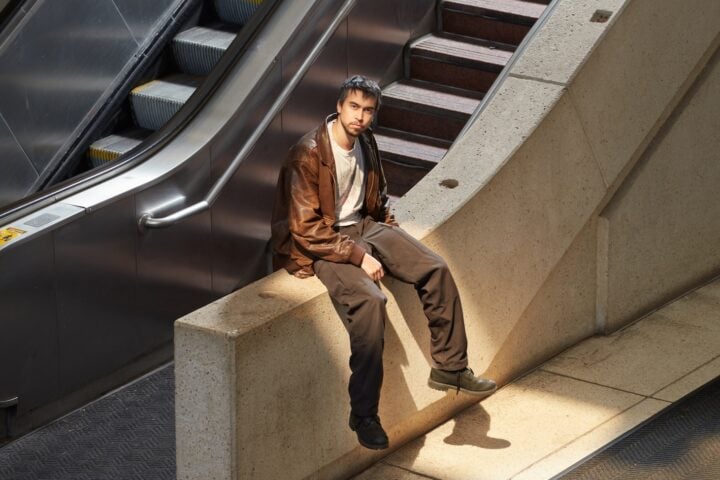
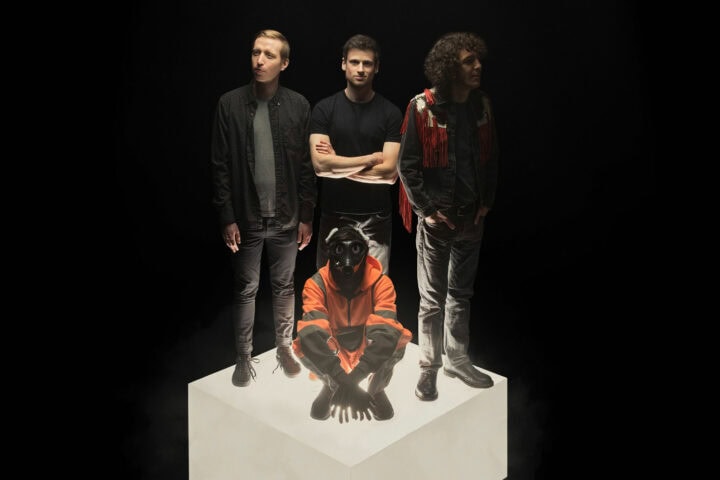
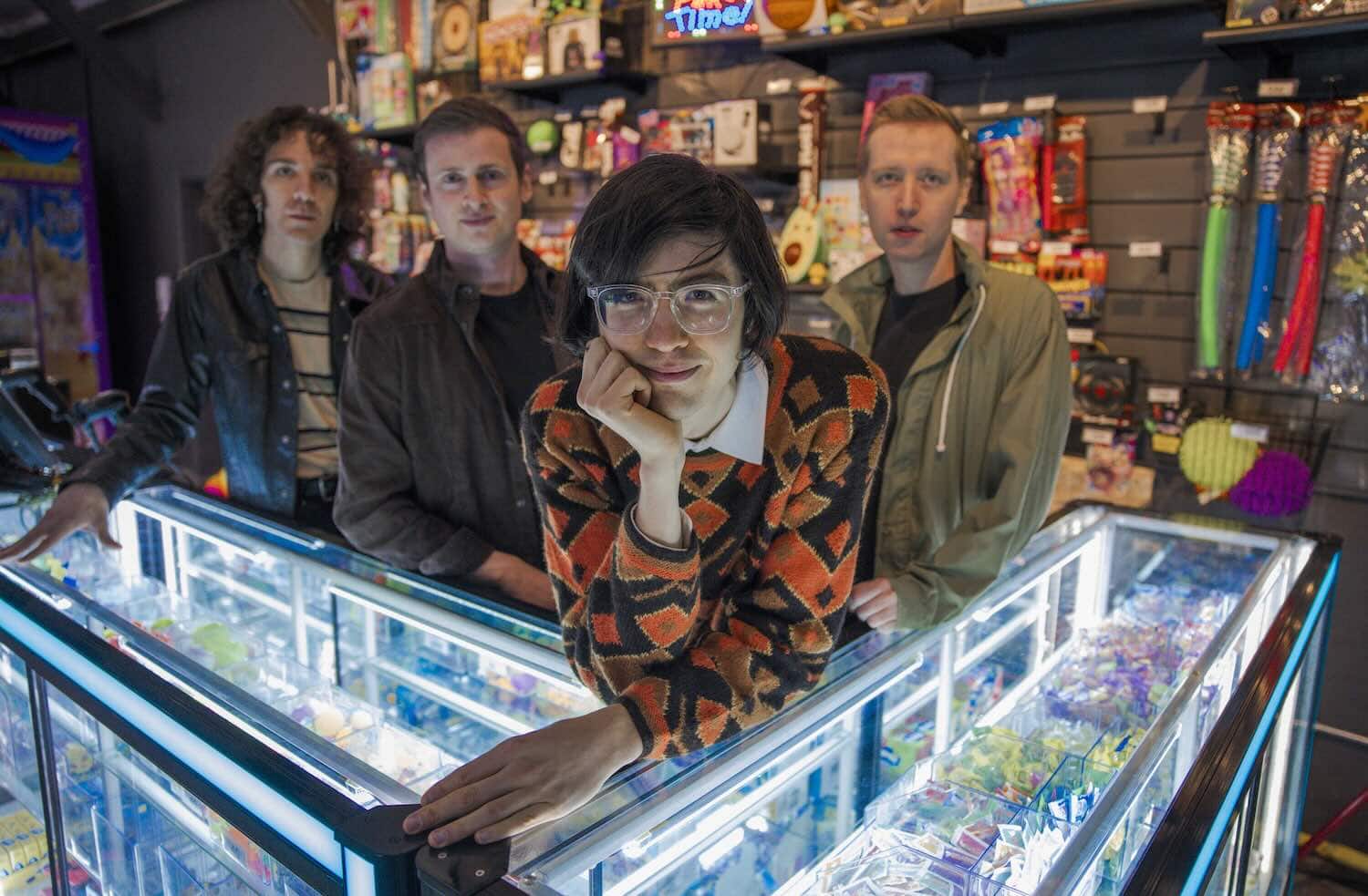
Accordingly, The Scholars marks the complete transition of Car Seat Headrest from its origins as frontman Will Toledo’s solo home recording project into a fully collaborative effort, with much of the music evolving from jam sessions rather than Toledo bringing in pre-written demos for his bandmates to elaborate on. Ethan Ives in particular takes on a more prominent role in the band’s music, orchestrating the album’s carefully layered guitar parts and singing partial lead vocals on a couple of tracks. But the whole four-piece lineup gets plenty of room to flex its muscles, with songs like “CCF (I’m Gonna Stay with You)” aiming for the sort of cathartic fist-pumping anthemia that most modern rock bands tend to shy away from.
The Scholars touches on a range of styles, like the manic surf-punk of “The Catastrophe (Good Luck with That, Man)” and the brooding acoustic post-punk of “Lady Gay Approximately,” which recalls Bob Mould’s acoustic material. But amid several references to famous rock operas of the past—“Planet Desperation” namedrops David Bowie’s Ziggy Stardust, while “Gethsemane” features a couple of synth breaks that nod to the Who’s Who’s Next—the album’s big suspended guitar chords and rolling organ parts find the band giving into their old-fashioned rockist impulses.
There’s nothing ironic or flippant about the way Car Seat Headrest approach this type of material. Pulling off song structures this complex and musicianship this tight requires the utmost seriousness of purpose. Plus, Toledo’s laidback drawl, sounding better than ever, provides an appealing contrast to the kind of sexed-up, golden-god howling that one typically associates with this kind of muscular rock material.
The most electrifying passages on The Scholars do get diluted over the course of the album’s second half, which comprises a series of multi-part epics. Car Seat Headrest are old hands at lengthy suite-style songwriting, which is evident in the way that the superb “Gethsemane” maintains its propulsive energy for more than 10 minutes. “Reality” and especially the nearly 19-minute “Planet Desperation,” on the other hand, are needlessly drawn out, namely for the way they stich in scarcely hard-hitting moments between slow, meandering sections.
It’s all in service of a plot that’s never explicitly fleshed out enough to foster the level of investment necessary to make this lumbering concept album feel worth sitting through until the next banging riff rolls around. But you have to be willing to get a little big in the britches to make a rock opera, and on balance, The Scholars is closer to the Who’s Quadrophenia than Yes’s Tales from Topographic Oceans on the frippery scale. It’s also a critical reminder that rock ‘n’ roll can and often should be an audacious thing.
Since 2001, we've brought you uncompromising, candid takes on the world of film, music, television, video games, theater, and more. Independently owned and operated publications like Slant have been hit hard in recent years, but we’re committed to keeping our content free and accessible—meaning no paywalls or fees.
If you like what we do, please consider subscribing to our Patreon or making a donation.