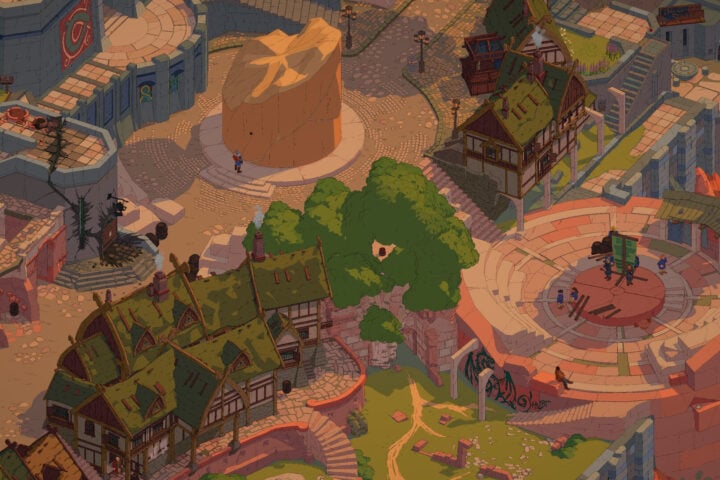
Zero Parades for Dead Spies isn’t the first game to be measured against an impossibly high standard. While in most cases this is the result of marketing hype or the sloppy shorthand of comparisons to genre-defining greats, the game’s albatross is especially noteworthy. In short, its studio, the Estonia-based ZA/UM, is responsible for the masterful Disco Elysium.
In the years that followed that game’s release, ZA/UM was unceremoniously gutted for reasons so thorny that covering them comprehensively here would be a fool’s errand. But the gist is this: The majority of ZA/UM’s original staff (and in particular its leadership) is gone, functionally making Zero Parades a new game from a new studio.
From the jump, this makes it nearly impossible not to compare Zero Parades to its predecessor at every turn—a temptation that’s intensified by the games’ significant visual and mechanical similarities. Ultimately, these comparisons bring you to the unsurprising, fairly uninteresting conclusion that Zero Parades is no Disco Elysium. But with that out of the way, we’re left with the more important question of what kind of game Zero Parades is.
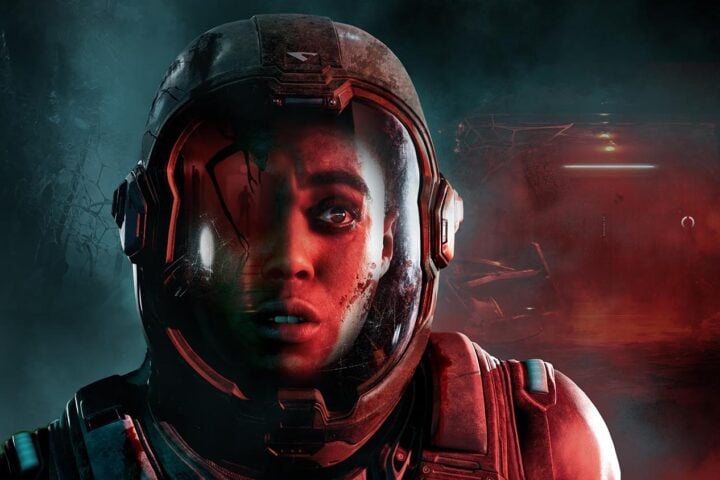
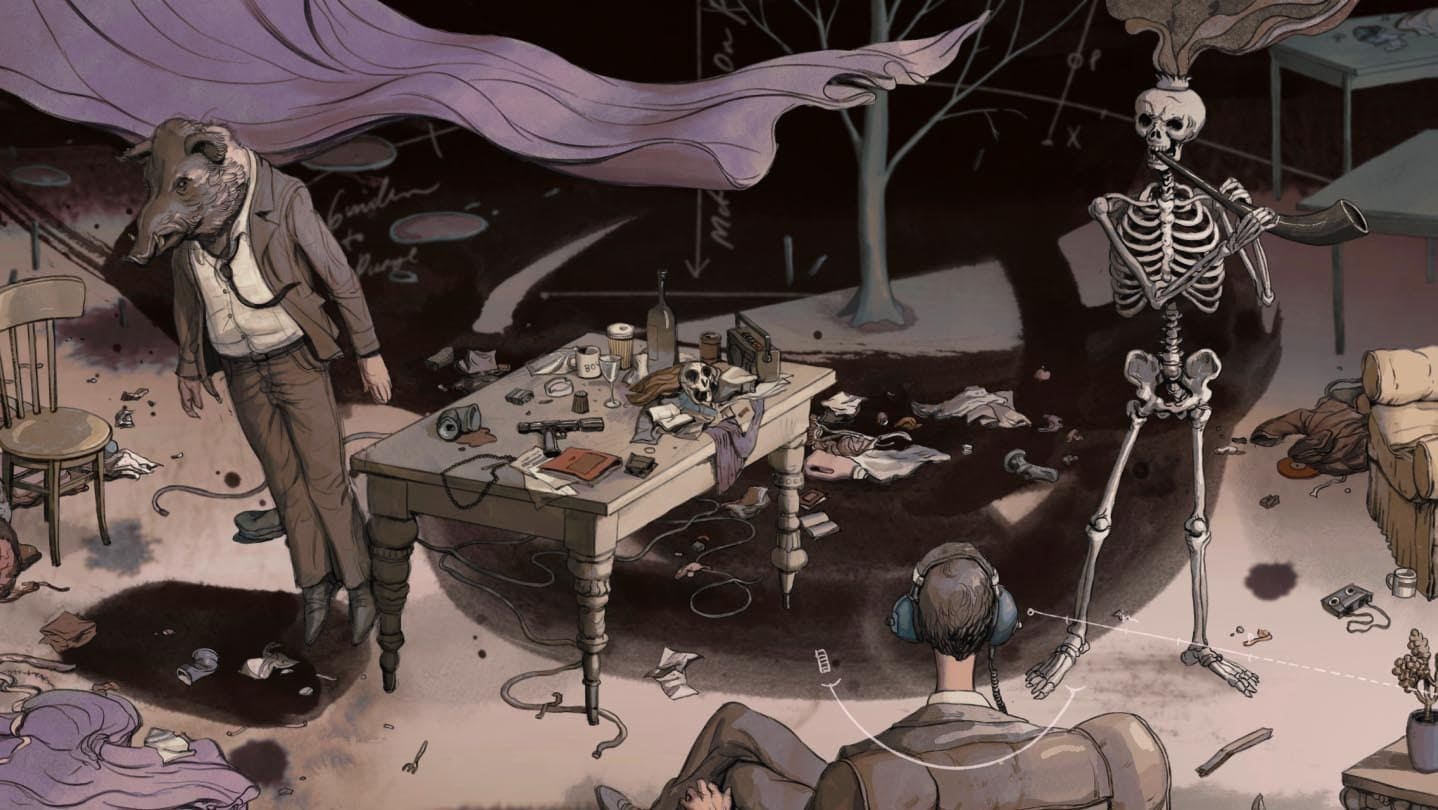
On a basic level, this is a grittily nasty espionage RPG. You play as an agent, Cascade, who’s recently been assigned to a new mission in the city-state of Portofiro after spending several years frozen in the basement of the spy organization known as the Opera, for whom she works. As is to be expected of a recently thawed individual, Cascade has a bit of catching up to do on the state of the world and, inconveniently, the exact nature of her mission. A lead arises almost immediately, though, as she finds her would-be partner-in-espionage, Pseudopod, incapacitated in his underwear with a pair of headphones slumped off his head.
Strangely, you find a mysterious red disc that Pseudopod was listening to. Stranger still, playing the disc reveals that it contains only static. Could it be the disc that caused all of this? And if so, how? It’s the one thread you have to pull at in your fog of initial uncertainty.

The standout nature of this particular storyline, though, is partly a reflection of Zero Parades’s biggest problem, which is the simple fact that much of the game’s first act can feel aimless and fumbling. It’s not that nothing happens. It’s more that it can be hard to discern how events connect to each other or to any particularly compelling goal. Which would be easier to overlook if it weren’t for the fact that this section constitutes at least a half-dozen hours of playtime.
Relievingly, this gives way to a clear-cut mission that ups the personal emotional stakes and with them the narrative urgency. Ultimately, the job is to assassinate a high-ranking foreign minister, but first this requires getting together a team. Many of the candidates are members of Cascade’s former crew, who disbanded after their last mission failed spectacularly—an outcome for which Cascade blames herself, and which is what landed her in that freezer in the first place.
Many of the game’s best moments are those in which you discover what these ex-spies have been doing since then. These tend to be fairly tragic, and they present different answers to the same central question. When someone’s ideology fails them, and their purpose in society slips away entirely, how do they keep going? In Cascade’s old crew, we see several answers, most of which involve some amount of self-destruction. It’s also our job to find a path forward for them.
So, too, with Cascade, whose way forward is charted with a nice bit of mechanical flair in the form of “thought conditioning.” As you play, you’ll occasionally be alerted that you’ve encountered a new thought, and you have the option to equip it to one of a limited number of slots. These thoughts come with statistical benefits and drawbacks, and will often offer unique bonuses, like extra XP when choosing apologetic options or an easier check when claiming to be a diplomat. But they also all come with a catch: taking a small amount of damage any time you “violate” one by making a roleplaying decision that’s in some way counter to it.
It’s too bad that things take so long to truly coalesce. Because if you do give it enough time, Zero Parades reveals itself to be an intelligent and nuanced narrative RPG. It digs into ideas about rebuilding after tragedy that aren’t only interesting but which, given the history of ZA/UM and of those few original developers who still remain on board, seem like they’re also deeply felt.
This game was reviewed with a code provided by ZA/UM Studio.
Since 2001, we've brought you uncompromising, candid takes on the world of film, music, television, video games, theater, and more. Independently owned and operated publications like Slant have been hit hard in recent years, but we’re committed to keeping our content free and accessible—meaning no paywalls or fees.
If you like what we do, please consider subscribing to our Patreon or making a donation.