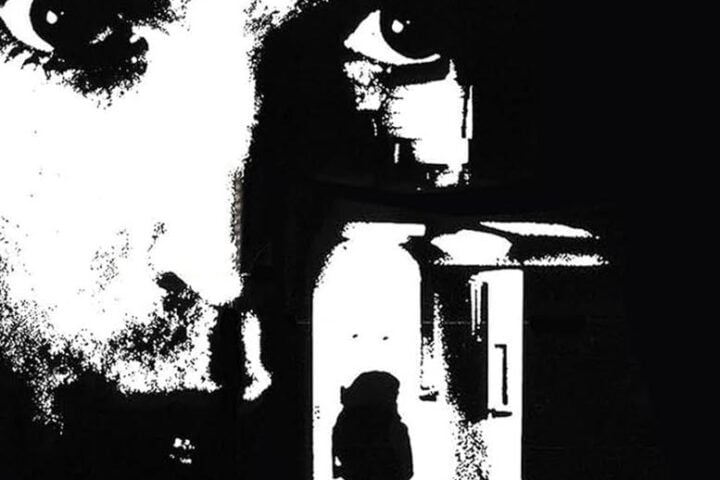
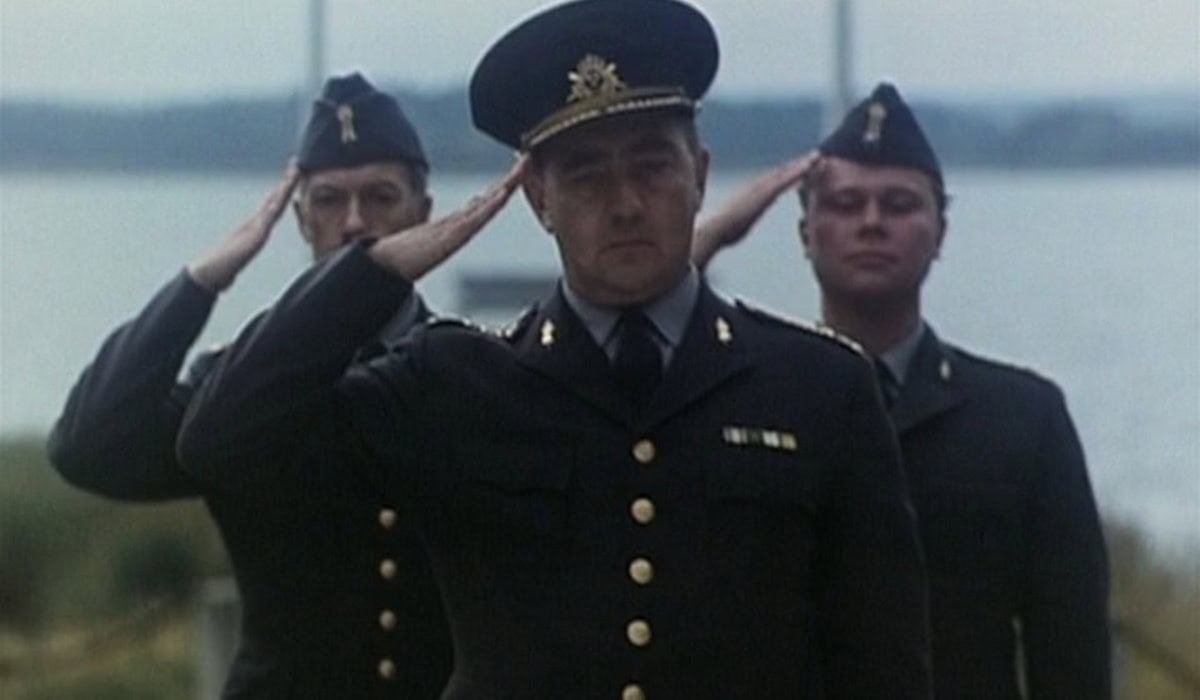
If it’s been hard out there for a pimp in recent decades, that wasn’t always the case. In the beginning, there was Ramrod, the scarfaced, rockabilly psycho whose reign of terror on Ho(llywood) Boulevard anchors Gary A. Sherman’s Vice Squad, a definitive second-feature sleazterpiece (executive produced by, among others, Frank Capra Jr. and former AMPAS president Robert Rehme).
The film’s post-Urban Cowboy tagline reads “On the street, the real trick is staying alive.” And, as played by Wings Hauser as though he gargled octane between takes, Ramrod struts into the film with Tony Manero’s rapacious mojo, coolly hunting down a trifling hooker named Ginger (MTV charter VJ Nina Blackwood) who made off with his cut, nuzzling up to the locked door of her motel hideaway and oozing charm until she unlocks the door. “I cannot believe how stupid you are,” he leers, clearly not having any time for sweets, before tying Ginger down to the vibrating mattress, stuffing her mouth with single-ply toilet tissue, removing his suede Stetson jacket, retrofitting a wire clothing hangar, and scrambling the moneymaker between her legs into eggs benedict.
Vice Squad was initially conceived as an anthology-style series of episodes culled from the real-life experiences of an L.A. beat cop (the pseudonymous Kenneth Peters): a hard, direct look at a diffuse, scattered underground world. Somewhere along the way, the filmmakers honed it down to one linear narrative, effectively ramping up the intensity and using all other separate-but-equal subplots as indecently entertaining window dressing: tricks, tatted leathermen, transgender junkies, sugar pimps, chickenhawks, and septuagenarians who also know kung fu.
Season Hubley plays Princess, a mom-by-day-madam-by-night browbeaten into putting the finger on Ramrod (in every sense) for the murder of her fellow prostitutes, while wearing Detective Tom Walsh’s (Gary Swanson) wiretap. Entrapped and enraged, Ramrod busts out of the squad car, setting up the rest of the film’s one-night timeline as a two-pronged manhunt: find either Princess or Ramrod before they find each other.
An unapologetically violent and seamy flick, Vice Squad’s vices are its virtue. After all, cinematographer John Alcott—who lensed Stanley Kubrick’s 1975 magnum opus Barry Lyndon, quite possibly the most sumptuously opulent film ever made—maintains a surprising street cred by shooting every raunchy setup from a sewer’s-eye view.
Okay, so the mix of intense, bloody retribution and scuzzy, freakshow locations runs the risk of both encouraging a Travis Bickle-style street-cleansing “real rain” solution and commodifying street life—as does the film’s rich old pervert who hires Princess to pretend she’s mourning him at his private, Penthouse Forum wake. But Princess handily shoots down any such airs—and reaffirms the film’s lowbrow veracity—when she bluntly informs Walsh, her chivalrous would-be suitor from the right side of the tracks, that he’s “never gonna change the streets.” Especially since he can’t even afford her on his salary. It’s hard out there for a po po.
Since 2001, we've brought you uncompromising, candid takes on the world of film, music, television, video games, theater, and more. Independently owned and operated publications like Slant have been hit hard in recent years, but we’re committed to keeping our content free and accessible—meaning no paywalls or fees.
If you like what we do, please consider subscribing to our Patreon or making a donation.