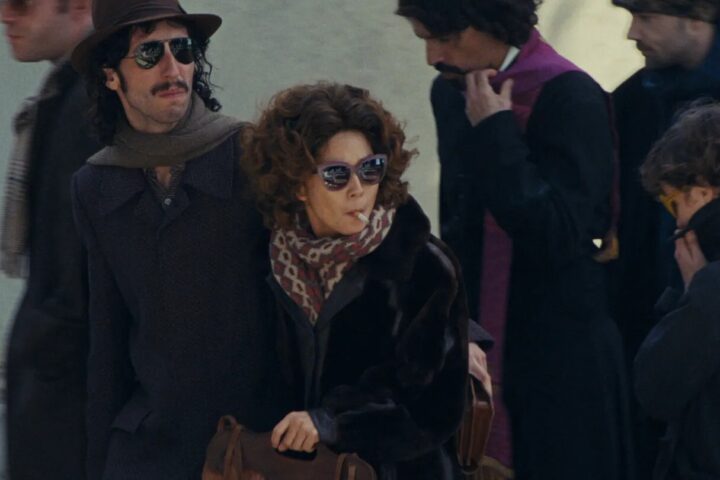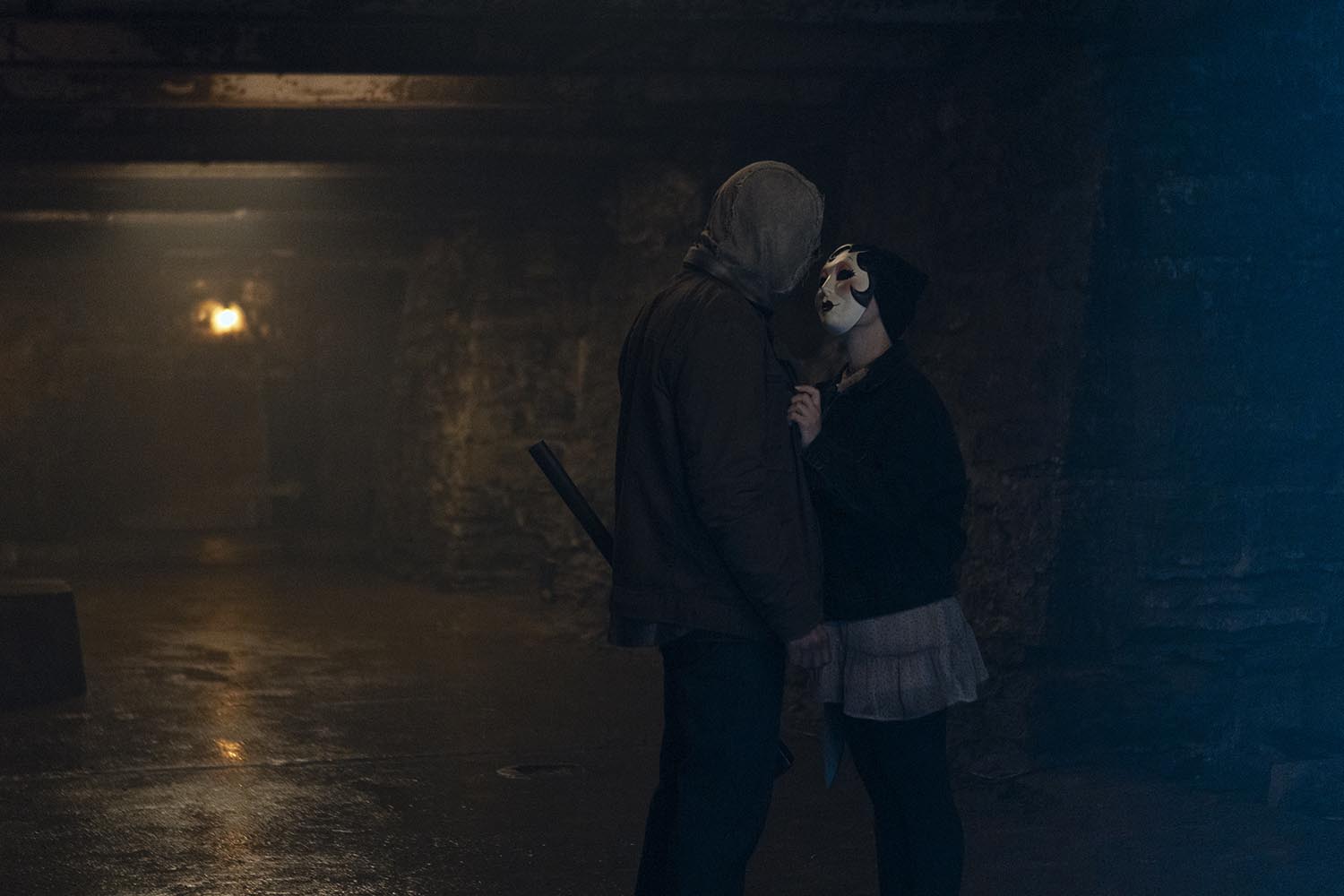
After so much narrative wheel-spinning through its first two chapters, Renny Harlin’s Strangers trilogy was firmly on its way to becoming one of the more befuddling reboot exercises in recent memory. Then, midway through the end credits of The Strangers: Chapter 2, came a montage of “Next Time On…” footage that seemingly teased an abundance of revelations that had been vaguely hinted at ever since our beleaguered heroine, Maya (Madelaine Petsch), first drove into the small town of Venus, Oregon, with her boyfriend. The third and final installment does finally provide us with those revelations, though it’s hard to imagine fans, if there are any, of this misbegotten trilogy being at all surprised by them.
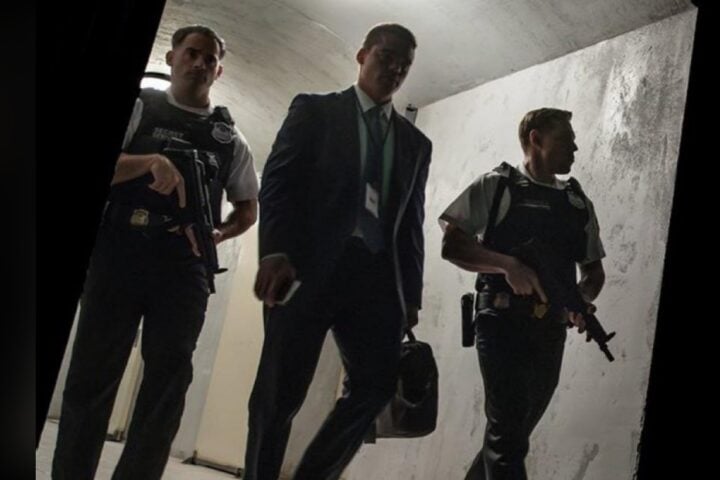
In the prior film, brief flashbacks of a very troubled young boy and girl invited us to suspect that they grow up to become the titular killers, and Chapter 3 immediately confirms our no-brainer guess. Consequently, the film continues to expand on the children’s aberrant development through the years into Scarecrow (a.k.a. Man in the Mask) and Pin-Up Girl, developing a lifelong bond as they commit murders of out-of-towners that are then dutifully covered up by the boy’s father, Sheriff Rotter (Richard Brake). Along the way, they recruit a disturbed young woman (Krystal Ellsworth) to become Dollface and a flashier murder trio is born.
Anyone well-versed in the backstories of horror movie villains is unlikely to find any of this information particularly surprising. The stark anonymity of these killers, and the randomness of their violence, is what helped turn Bryan Bertino’s 2008 original film into a cult classic (Johannes Roberts’s 2018 sequel, The Strangers: Prey at Night, is also nothing to sneeze at), and the more we “learn” about these killers, the more that mystique is upended.
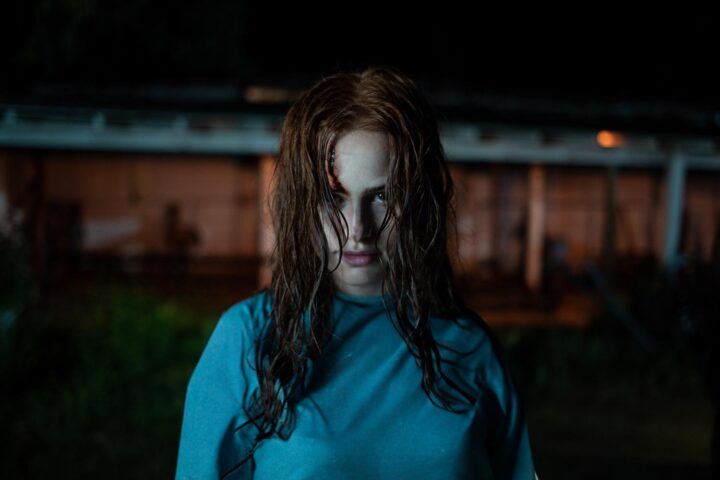
Chapter 3 unfortunately doesn’t come to life much in its present-day sequences either, with Maya still on the run after having killed Pin-Up Girl, unmasked as local diner waitress Shelly (Ema Horvath) at the end of Chapter 2. Maya’s attempt to find an escape through Venus’s woodsy environs is again cut short when she steals a police car but then veers off road and crashes into a tree. From there, the remaining two killers promptly arrive on the scene to take her into captivity, a cliché string of events that at least sets up the first halfway interesting plot beat in the reboot series: Maya being forced to become the new Pin-Up Girl.
This turn of events is initially intriguing, with Maya succumbing to a kind of Stockholm syndrome that sees her developing a greater capacity for violence. It’s easy to imagine the nihilistic avenues that Chapter 3 could have gone down from there, but the film, as written by Alan R. Cohen and Alan Freedland, takes the easy way out: Maya snaps out of her traumatized fugue state and goes about enacting revenge against her tormentors. Which wouldn’t have been a deal breaker if her moves weren’t so transparently borrowed from the final girl playbook.
During Chapter 3’s climax, Maya confronts Scarecrow once and for all and the present-day identity of the man under the mask is made unmistakably plain. But given the nature of all the breadcrumbs that have been laid for us to follow toward this revelation, it’s just one final failed moment of dramatic catharsis that’s likely to result in a shrug from audiences—a response that effectively sums up Harlin’s ill-conceived reboot series.
Since 2001, we've brought you uncompromising, candid takes on the world of film, music, television, video games, theater, and more. Independently owned and operated publications like Slant have been hit hard in recent years, but we’re committed to keeping our content free and accessible—meaning no paywalls or fees.
If you like what we do, please consider subscribing to our Patreon or making a donation.