At first blush, The Bubble, a pandemic-inspired showbiz satire about narcissistic actors in the midst of making the sixth entry in a successful action franchise, feels like a significant departure for Judd Apatow. And yet, in a certain sense, the Hollywood ethos depicted here feels like the logical extension of the filmmaker’s work to date.
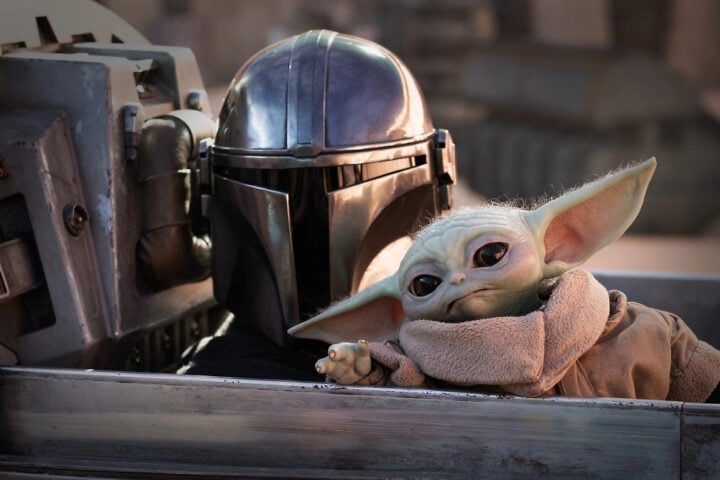
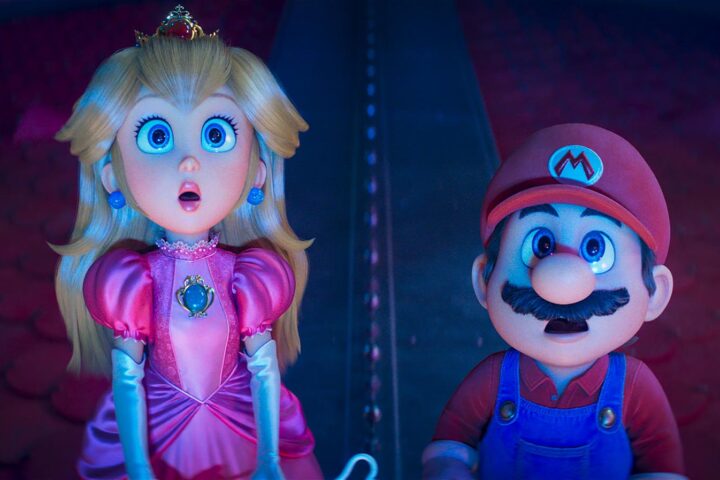
Apatow’s films often center on emotionally stunted individuals whose pop-culture fixations form a shield against the real world and the pressures of adulthood, and The Bubble shows that the entire entertainment industry now reflects this ethos, churning out endless sequels to childish movies that are marketed to adults in the absence of more mature fare. “Can we play to the top of our audience’s intelligence?” asks Cliff Beasts lead Dustin Mulray (David Duchovny) during one on-set argument, to which the director (Fred Armisen) almost piteously responds: “No no, our audience is down here. They’re kids, that’s our audience.”
Apatow and co-screenwriter Pam Brady build the film-within-the-film around the conditions of its making. Set during the start of the Covid-19 pandemic, The Bubble sees its characters washing produce and entering two-week quarantines upon arriving on set. At one point, a sniffle is the cause of much panic. But given how quickly the American mood shifted from paranoia to exasperation during the early days of the pandemic, the characters’ hypochondria and obsessive behaviors badly date a film that’s set only two years in the past. At this point, a more relevant Hollywood comedy on similar subject matter would focus on actors refusing to get vaccinated or alter their behaviors in any way that would keep their colleagues safe.
The Bubble’s best jokes highlight the discrepancy between the actors’ terror of getting sick and the casualness with which PAs and other lowly staffers mention having testing positive multiple times, as well as the absurdity of how the A-listers treat extended quarantine in well-supplied living conditions as hell on Earth. But by the time that the film reaches its midpoint, it abandons the critical distance with which it approaches these attitudes and, as is Apatow’s wont, settles for sympathizing with its spoiled, oblivious characters.
Apatow’s comedies have always had a shaggy quality to them, a trait that carries over to The Bubble, though less in improv-heavy dialogue than a scattershot approach to satirical targets in which nearly any joke that lands is followed by another one that undercuts the former. The addition of a viral TikTok star (Iris Apatow) to the Cliff Beasts 6 cast leads to a number of remarks about the shifting nature of fame, with a compelling germ of an idea that finds parallels between the zoomer obsessing over her follower count and the older actors constantly fretting about their waning star power. But this notion is quickly abandoned.
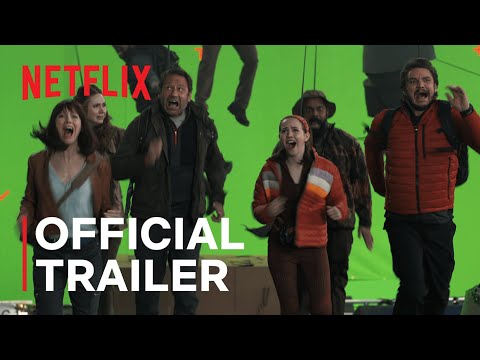
It’s difficult to tell whether scenes that poke fun at the actors for having to perform in front of a green screen for the entirety of a film’s production are targeting pandemic shooting conditions or just the general, VFX-heavy nature of modern big-budget filmmaking. The Bubble boasts a strong cast of comic players like Keegan Michael-Key, Leslie Mann, and Peter Serafinowicz, as well as spirited turns from Karen Gillan and Pedro Pascal, but no one ever develops their character beyond a superficial depiction of selfishness and insecurity.
Though lacking the overt sentimentality that both elevates and limits Apatow’s other films, from The 40-Year-Old Virgin to The King of Staten Island, that treacly quality slips in at the margins—namely in this one’s steadfast refusal to do anything other than tease its characters for their entitlement and self-importance. For a film about studio greed putting workers in potential danger in order to keep the old content mill running, The Bubble ultimately makes a limp and dubious case that any act of creativity, no matter how compromised, brings enough pleasure to viewers to offset the system’s prevailing soullessness.
Since 2001, we've brought you uncompromising, candid takes on the world of film, music, television, video games, theater, and more. Independently owned and operated publications like Slant have been hit hard in recent years, but we’re committed to keeping our content free and accessible—meaning no paywalls or fees.
If you like what we do, please consider subscribing to our Patreon or making a donation.