Charlie Chaplin’s “The Immigrant,” Ousmane Sembene’s Black Girl, and Alain Gomis’s Like a Man, like many immigrant stories, often cluster around familiar themes and topics. These films touch on the immediate prejudice one feels in one’s new home, the inability to find work and fit in, and, after a few years or a few generations, the inability to fully relate to those back home. Alain Gomis’s new feature, Dao, embeds those themes within bits of conversation before turning up the music and making his characters dance. The usual concerns of the immigrant film simmer in the background, but Dao’s cast is so large and complex that, like meeting new people at a party, one doesn’t quite know what to expect.
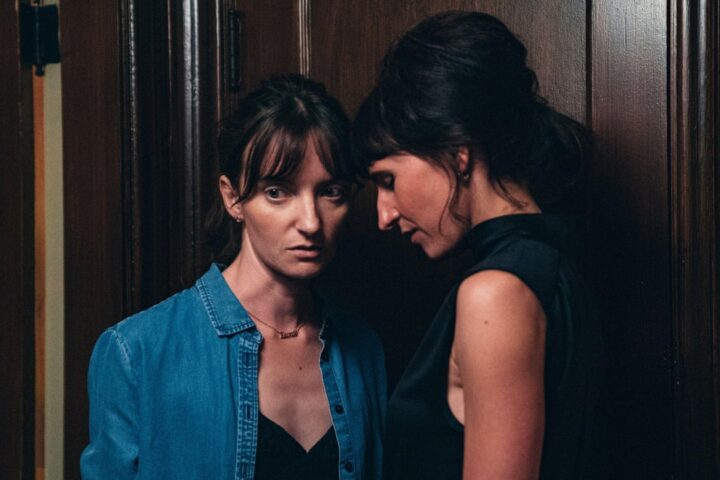
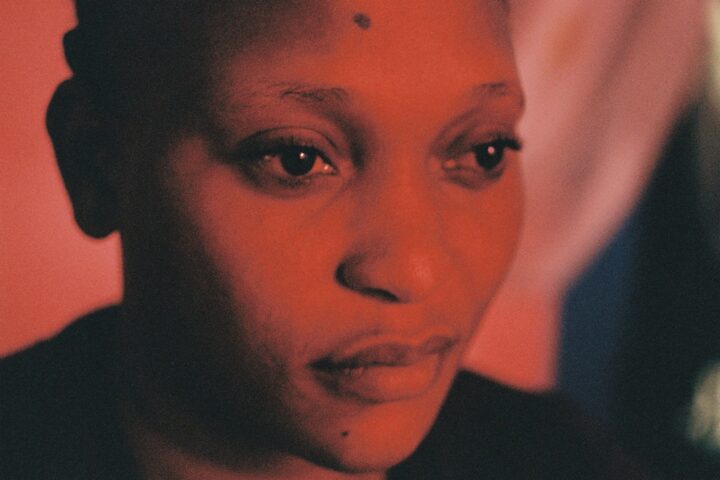
Gomis’s film has three interwoven narratives, but as none quite follows any formal plot trajectory, it may be better to call each of them a gathering—and rooted in an improvisatory humanism. First, we see documentary footage of Gomis interviewing the actors and non-actors who play key roles and bit parts in the film. We hear the filmmaker off screen as he questions rather than coaches them: “What would you like to play in this film?” The main actresses, D’Johé Kouadio (who plays Nour) and Katy Corréa (who plays Nour’s mother, Gloria), practice acting exercises, which sometimes just means silently touching each other.
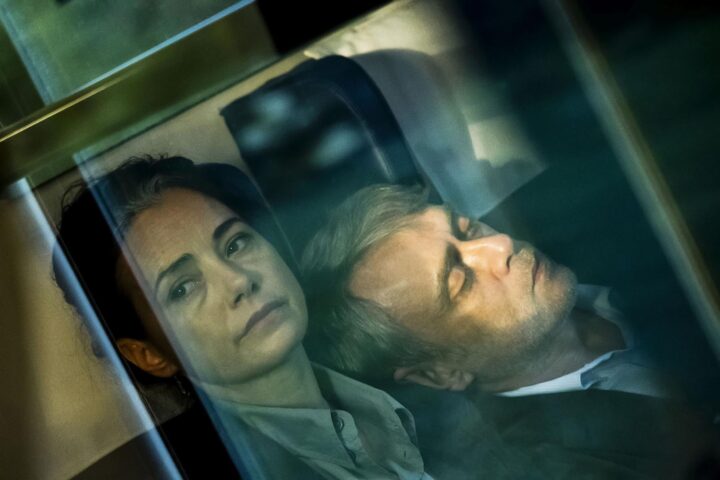
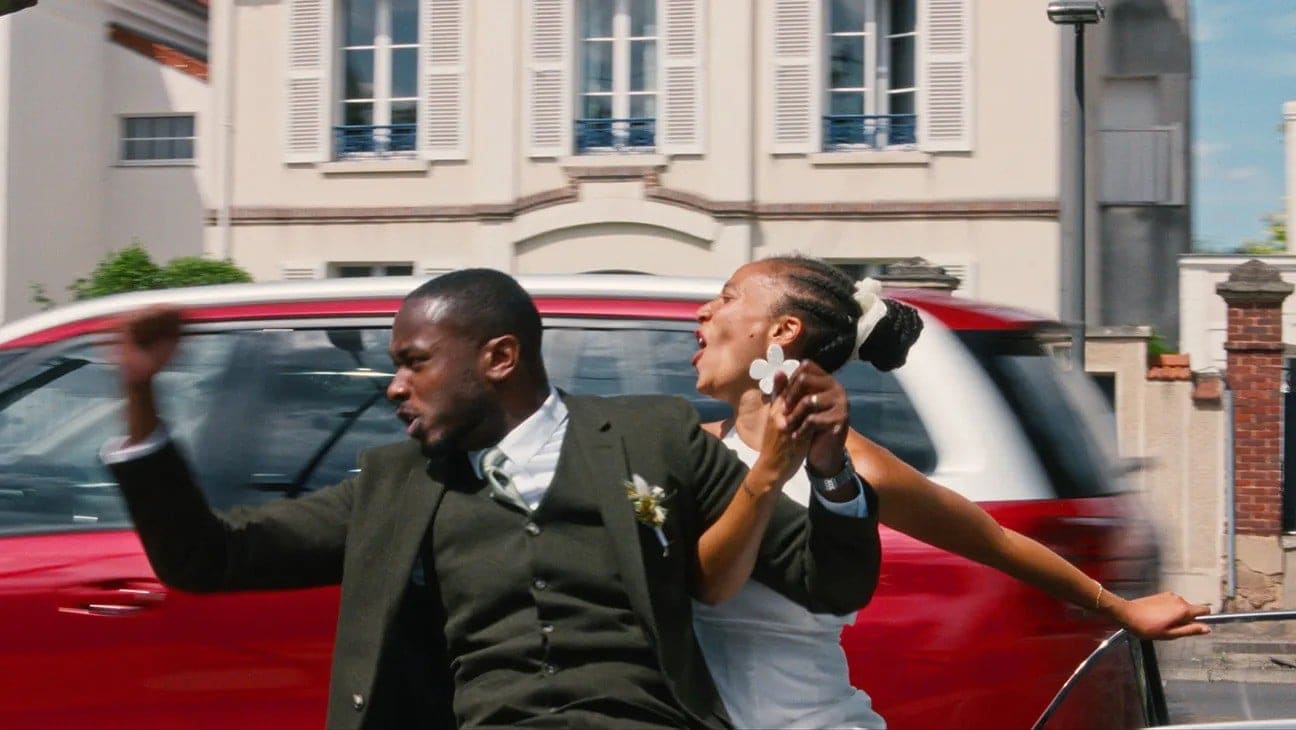
Then there’s the patchwork of conversations and dances that occur at Nour’s wedding, as old flames are reignited and years-long family squabbles are squashed. But Gloria seems to be lost, staring blankly on the day she should be the happiest, as she’s intermittently thrown into a third narrative: her memory of visiting family in Guinea-Bissau when her father, two years after his death, was deemed a “pure soul.” Again, though this sequence builds toward the days-long ceremony itself, Gomis instead focuses on bit of conversations among the dozens of actors as they reflect on Gloria’s father, welcome Nour (who’s visiting her mother’s village for the first time), and laugh about French colonization and their new white family members.
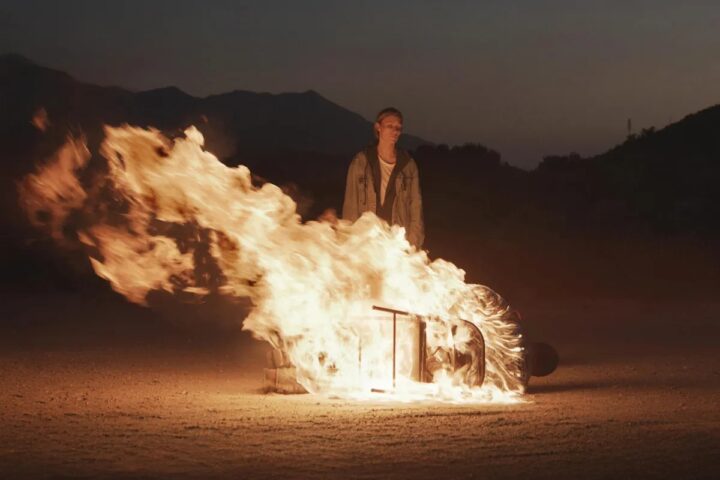
It’s no exaggeration to point that half of Dao’s three-hour runtime is dedicated to showing ceremonies and dances in full. There’s even a moment in one of the behind-the-scenes interviews with a Bissau-Guinean actress in which she questions whether the ceremonies depicted will be simulated or real, then requests they be shown, so they can be committed to film forever. As it juxtaposes the careful and controlled actions of the ceremonial rites with the freeform wedding dances, Dao very much reveals itself to be indebted to performance art.
Though fights flare up, and there are many solemn moments, the film is by and large a celebratory and positive one. As it bounces around from conversation to conversation to paint a portrait of a community at once both fractured and reassembled thanks to these congregations, Dao comes to suggest a less sardonic version of one of Robert Altman’s hangout movies.
Both the ceremony and wedding sequences are bound by music. The men of this West African village usually initiate the community’s ceremonial songs, but after a long conversation about different opinions of women and women’s work among French and Bissau-Guinean men, the village’s women launch into a own song-and-dance number, replete with washing tools as drums. The wedding celebration often breaks out into drunken chants, contemporary African electronic music from the DJ, and even a spirited rendition of “Killing Me Softly with His Song.”
The ceremony itself involves many moving parts—including a Ouija-like performance where Gloria’s father’s spirit gives responses through the men carrying his mock coffin—but most importantly, it’s the songs, sung by those in attendance, that give rhythm to each part. And a single intense jazz piece links the peaceful end of the ceremony to the explosive end of the wedding, as the film’s editing cuts quicker than usual between the two timelines.
Dao’s structure does prove a bit too loose in parts, with interesting developments in the family’s history simply fading away or cuts between the ceremony and the wedding arriving at confusing times. But that’s perhaps the expected consequence of an improvisatory work, and Gomis and his five other credited editors have certainly cut this film around the rhythm of these semi-impromptu performances rather than any kind of narrative logic.
Also, like jazz improvisation, it can often seem like one player or piece goes on forever, dragging out the three hours at the expense of the more interesting performances that could have been. But at the end, it’s still a fine time with such a joyous family, with such spirit of reunification through dance and song and drink, that none of those pesky details really matter that much.
Since 2001, we've brought you uncompromising, candid takes on the world of film, music, television, video games, theater, and more. Independently owned and operated publications like Slant have been hit hard in recent years, but we’re committed to keeping our content free and accessible—meaning no paywalls or fees.
If you like what we do, please consider subscribing to our Patreon or making a donation.