Writer-director Dito Montiel’s The Son of No One is what you might call go-for-broke if you’re feeling generous. It’s one of those films in which an onslaught of histrionic genre miseries is meant to pass as a serious, contemporary examination of America’s collective guilt and disillusionment. The film, particularly at a slim 90 minutes, is dense with conspiracies, mental illness, child abuse, sex abuse, drug abuse, murder, seizures; even a dog is killed for effect. Montiel quite consciously means to pummel with the significance of it all, as he appears to be striving for a moody tone poem in which the collected atrocities converge into a sonata of universal pain. But The Son of No One is really just another cop movie with once great, now mostly blustery actors shouting profanities at one another.
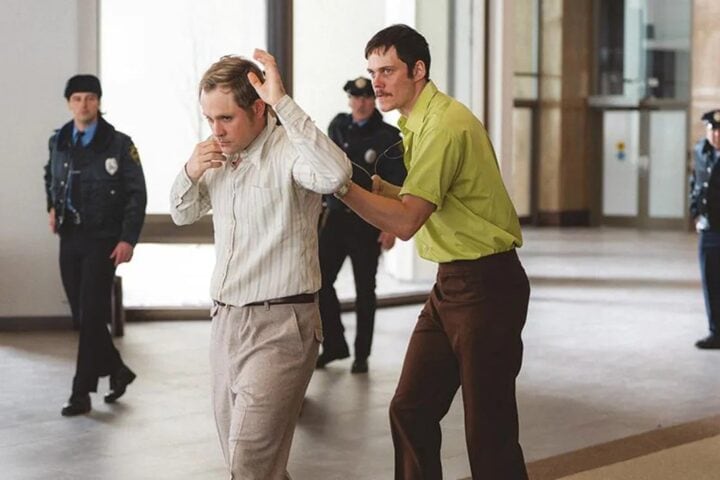
The plot makes no sense from the get-go, as it’s about the covering up of crimes, committed in self-defense and by accident, respectively, that basically require no covering-up. In 1986, Jonathan White, a white boy living in the largest projects in New York City, killed an older black man who broke into his home to attack or kill the boy for reasons that remain naggingly obscure (I think we’re supposed to chalk it up to life on the street). Shaken up, understandably scared out of his mind, Jonathan accidentally kills a white junkie hoping to blackmail him for the first murder. A few days later (maybe, as the film is fuzzy with time), a grizzled cop (Al Pacino), former partner to Jonathan’s father, kneels beside the boy and utters a few words that will prove to haunt both men: “No one cares.”
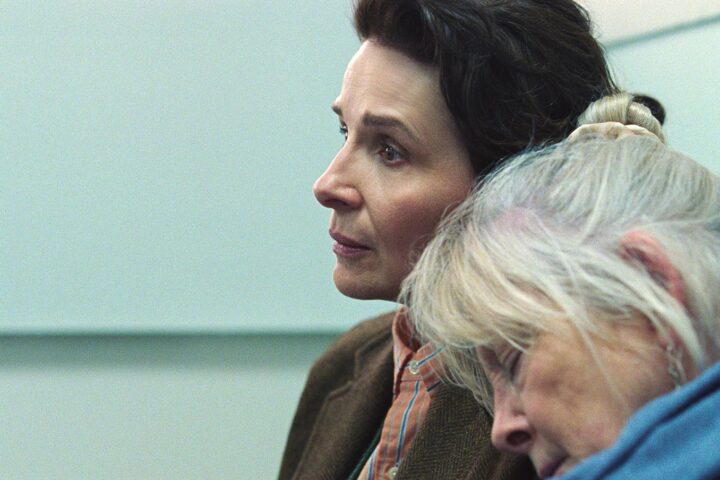
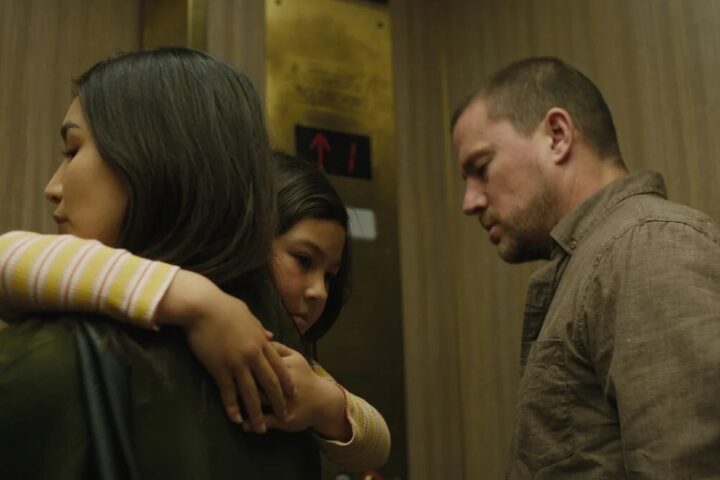
In the second timeline it’s 2002 and Jonathan, now played by Channing Tatum, has grown into a hunky cop living in Staten Island with his pretty wife (Katie Holmes) and little girl, when a public relations fiasco stirs a mysterious someone to write letters to a gossip hound (played, inexplicably, by Juliette Binoche) hinting around at the cover-up of Jonathan’s past misdeeds. The rest of the film, which also features Ray Liotta in a performance even more grizzled than Pacino’s, mostly concerns Jonathan’s mounting fear and, perhaps, interior torture and guilt, as his past resurfaces to expose multiple levels of government corruption and compromise.
Montiel is clearly aiming for a 9/11 parable of the dangers inherent in placing desperate, unchecked faith in those of power during times of catastrophe—a great subject for a film. The Son of No One, however, with its convenient, at times just plain insane plotting and hothouse atmosphere of evil and decay, bears closer resemblance to genre films like Cop Land or Narc, only without their control or narrative thrust. Montiel has talent and would appear to have conviction in his material (see his vastly superior A Guide to Recognizing Your Saints), but this film is the worst of all worlds: a preachy genre exercise.
Image/Sound
The Son of No One has a traditionally gritty aesthetic characterized by a camera that’s continually in motion as well as an emphasis on washed-out gray and black colors—a look that can occasionally pose problems for DVD transfers. The transfer here, however, is clean and attentive. The image is always in proper focus and I didn’t detect any edge enhancement. The 5.1 mix, meanwhile, more than adequately captures the proper sonic dimensions of a film that’s rife with shootings, score, and profanity.
Extras
The audio commentary by writer-director Dito Montiel and editor Jake Pushinsky is informal and heavily reliant upon in-jokes, which is what you’d expect from old friends who’ve been collaborating for years now. While the filmmakers really don’t disclose much of interest (there’s quite a bit of “we shot this here, we shot this there”), they’re still genial and generally pleasant to listen to. A few skippable extended scenes are also included.
Overall
A dull, barely coherent cop movie gets a decent Blu-ray transfer. Skip it.
Since 2001, we've brought you uncompromising, candid takes on the world of film, music, television, video games, theater, and more. Independently owned and operated publications like Slant have been hit hard in recent years, but we’re committed to keeping our content free and accessible—meaning no paywalls or fees.
If you like what we do, please consider subscribing to our Patreon or making a donation.