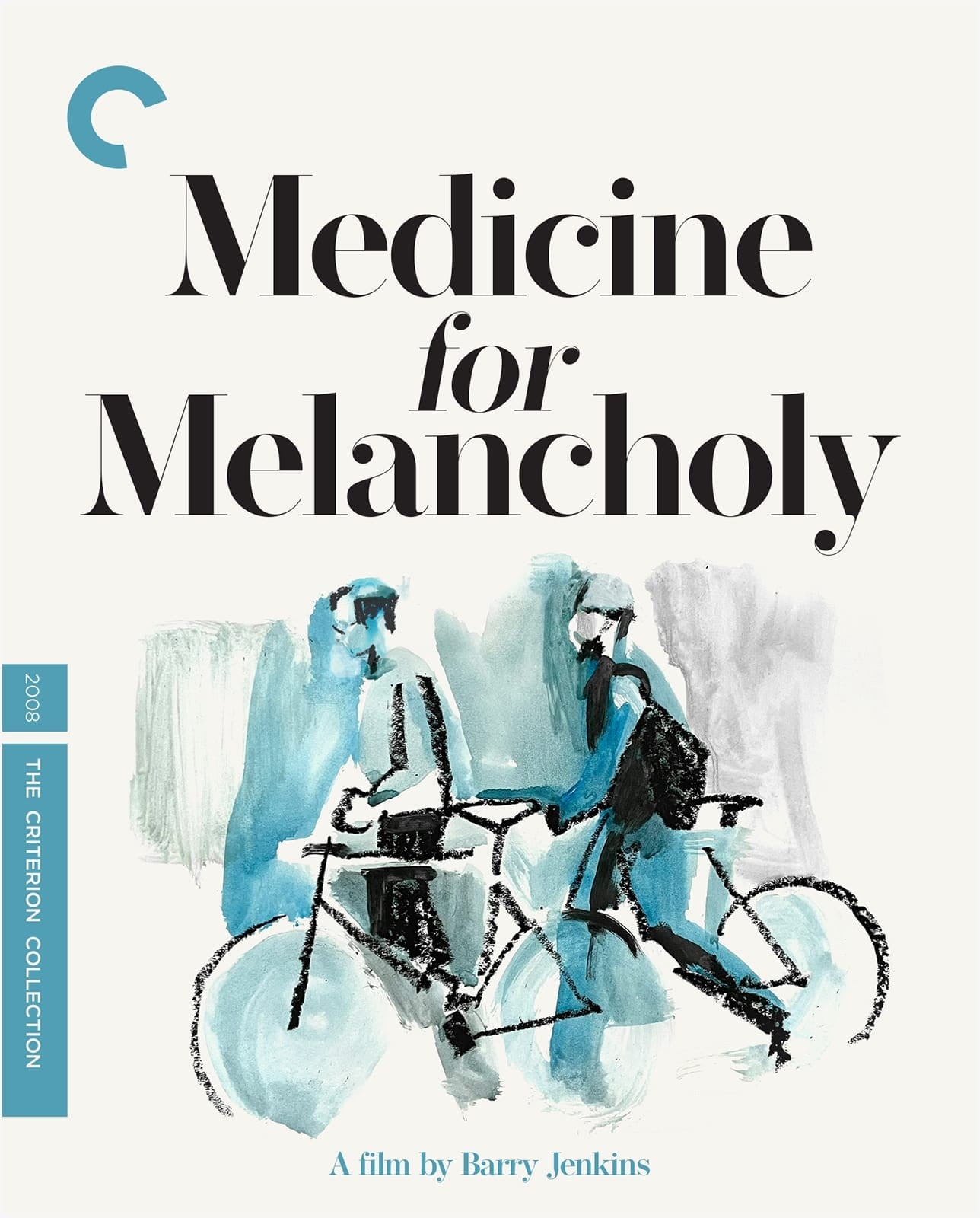
 In the manner characteristic of low-budget “issue” films, writer-director Barry Jenkins’s Medicine for Melancholy is a triptych of progressive themes—reluctant romance, race, and urban displacement—interwoven by the circuitous gab of an unremarkable but authentic two-person cast. Each of these three topics is given its own compartmentalized narrative thread, but unlike with other multi-layered works of metropolitan malaise (The Visitor immediately springs to mind), all three of the socio-humanist plotlines uniformly fail along with the leads’ addled relationship.
At dawn, African-American bedfellows Micah (Wyatt Cenac) and Jo (Tracey Heggins) retrace the inebriated, hormonal footsteps of an impromptu one-night stand with humiliating ignorance. Jo resists Micah’s sober advances but Micah continues hounding, suffering from the misconception that their accidental sex possessed a germ of meaning. Biographical details begin to emerge. Micah lives in San Francisco’s modest but colorful Tenderloin district, Jo in the affluent Marina with her presumably yuppy (and white) boyfriend. Micah balks at Jo’s lifestyle and her lack of ethnic fidelity, while Jo insists that Micah’s self-image is reductive. Somehow their garrulous dialectic inspires them to make love again. They cease to become individual characters and float into the hazardous waters of over-generalized worldview emblems.
Jenkins’s attempts to represent San Francisco’s fractured identity with borderline caricature is admirable, but where are the Asians and Latinos that populate the city’s underbelly? As with Medicine for Melancholy’s overbearingly deliberate cinematography, the cast’s skin color is egregiously two-toned for an area this diversified (to suggest “Black” and “white” as the polar opposites of racial identity in a multi-ethnic metro area is a hopeless fantasy). And even disregarding the glaring demographic omissions, one wonders at the ease with which Micah—the quintessentially self-proclaimed “angry young Black man”—continually seduces Jo away from her vaguely fastidious and, again, white art curator lover. Jenkins depicts Micah as flawed but seems alarmingly drawn to his proud creed of separatism and anti-miscegenation.
The occasional moments of genuine beauty are unsurprisingly visual—one dolly shot drawing us into the meniscus of a 50-gallon aquarium hauntingly drips light—but the ubiquitous editorializing urges us to dismiss the scant poetic potential. During one odd scene we’re shown a group of young people bemoaning the proposed moratorium on rent control in the city, which they conclude would eradicate “everything [they] love about San Francisco overnight.” And yet afterward Jenkins abruptly shows us placid, moonlit streets bereft of homeless derelicts, graffiti, or dilapidation. Medicine for Melancholy is a dreamy postcard of San Francisco, ultimately just as repressive as Jo’s gentrified apartment. Examining the Ansel Adams-like cityscapes and Irving Penn-influenced portraiture one would never assume there was any cause for grumbling.
Image/Sound
Criterion’s transfer from a new high-definition digital master retains the softened image that Barry Jenkins and DP James Laxton were going for with the lens filter they used for the entire shoot. Despite this softness, the image detail is still fairly strong, especially in close-ups of the actors and in the interiors of cramped apartments. The color balancing stays true to the extremely desaturated look, making the gradual increase in colors, particularly reds and yellows, throughout the film all the more apparent. The 5.1 audio track, while not exactly immersive, does nicely capture the hum of the San Francisco exteriors, while dialogue is plenty crisp.
Extras
In the first of two audio commentaries, Jenkins is joined by editor Nat Sanders and producers Justin Barber and Cherie Saulter, and they all go into great detail about the film’s production, including the challenges of working with a limited budget and the methods used to desaturate the image. Jenkins returns solo in the second, newly recorded commentary, and his fondness for having made the film with a tight-knit group of friends immediately comes through. Aside from providing more stories of the production, Jenkins speaks at length about Wyatt Cenac and Tracey Heggins and how the former’s improvisation not only changed the trajectory of his character, but also complemented Heggins’s more traditional performance style.
Elsewhere, we get a new program featuring Sanders and Cenac, who discuss the intimacy of the production. Cenac also talks about what attracted him to the role of Micah and how his feelings of alienation within the alternative comedy scene informed his performance. The disc also comes with a brief bit of camera test footage and a blooper reel, while the accompanying booklet includes an essay by critic Danielle Amir Jackson, who explores the film’s themes of race and solidarity and nicely ties them into her discussion of Jenkins’s sensual visual style.
Overall
Featuring two audio commentaries, Criterion’s Blu-ray of Barry Jenkins’s debut feature provides ample insight into a crucial period of artistic growth for the filmmaker.
Since 2001, we've brought you uncompromising, candid takes on the world of film, music, television, video games, theater, and more. Independently owned and operated publications like Slant have been hit hard in recent years, but we’re committed to keeping our content free and accessible—meaning no paywalls or fees.
If you like what we do, please consider subscribing to our Patreon or making a donation.