The Leeds junglist tells a story in the wrong order, in the right way.


The Leeds junglist tells a story in the wrong order, in the right way.
We managed to track down the notorious RPG-rap pioneer for a few questions, as he walks us through his most coveted release to date.
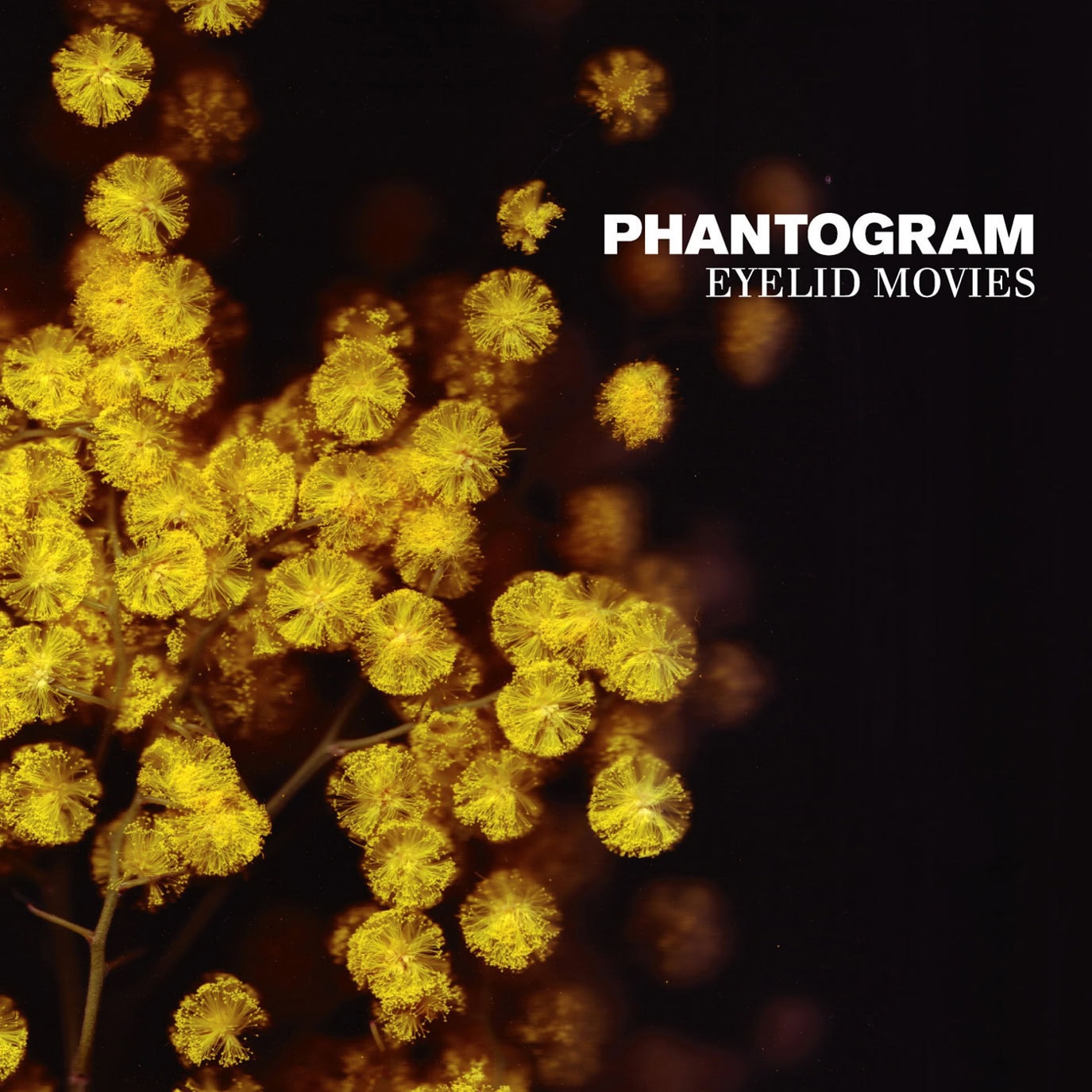
hantogram isn’t solely stuck in a late-20th-century reverie.

Like The Flaming Lips, Andrew Bird’s a musical existentialist: Lyrics of doubt and worry against a reassuring musical backdrop.

I’m New Here is marked by non-adherence to traditional song structures and a short, 28-minute running time.

There’s something to be said for defying convention, but Curfman’s mastery of tried-and-true blues forms is impressive in its own right.
If none of the songs are particularly innovative, AM has come up with a record that’s never less than charming.

Black Noise is a triumph of minimalism and fragile soundscapes.
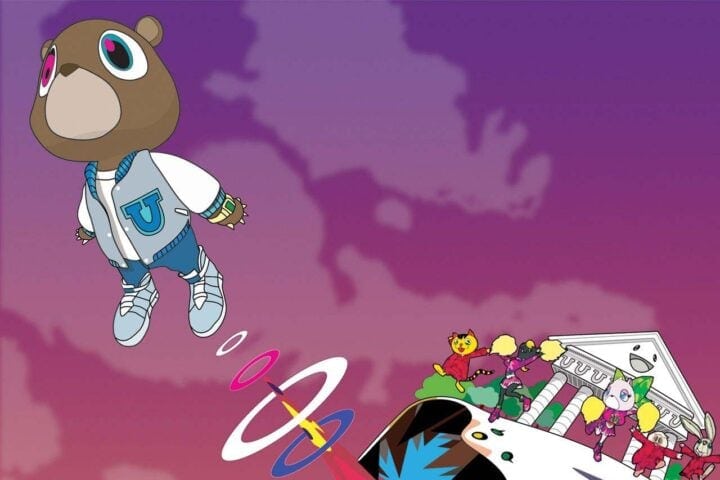
Due to semi-popular demand, we’ve decided to post #101—250 of both our Best of the Aughts: Albums and Best of the Aughts: Singles lists.

Moorer has ventured into the atmospheric, American gothic territory of Neko Case, Fred Eaglesmith, and Scott H. Biram.
Josh Turner has struggled to this point in his career to find material that is equally as distinctive.
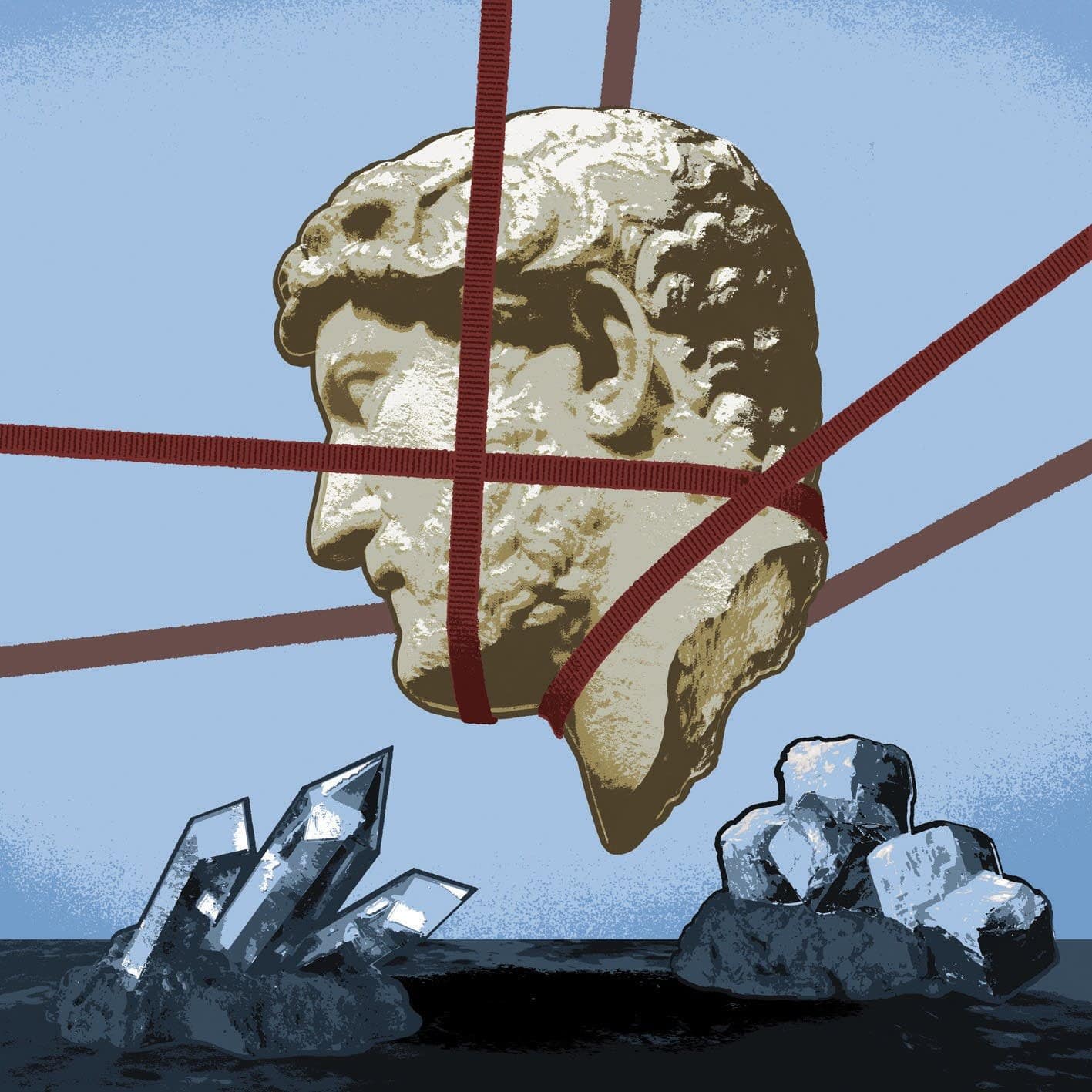
Hot Chip is faced with the task of controlling the erratic habits they developed on 2008’s Made in the Dark.

There’s a lot of controversy about how closely, if at all, From a Basement on the Hill mirrors Elliott Smith’s intentions for its final form.
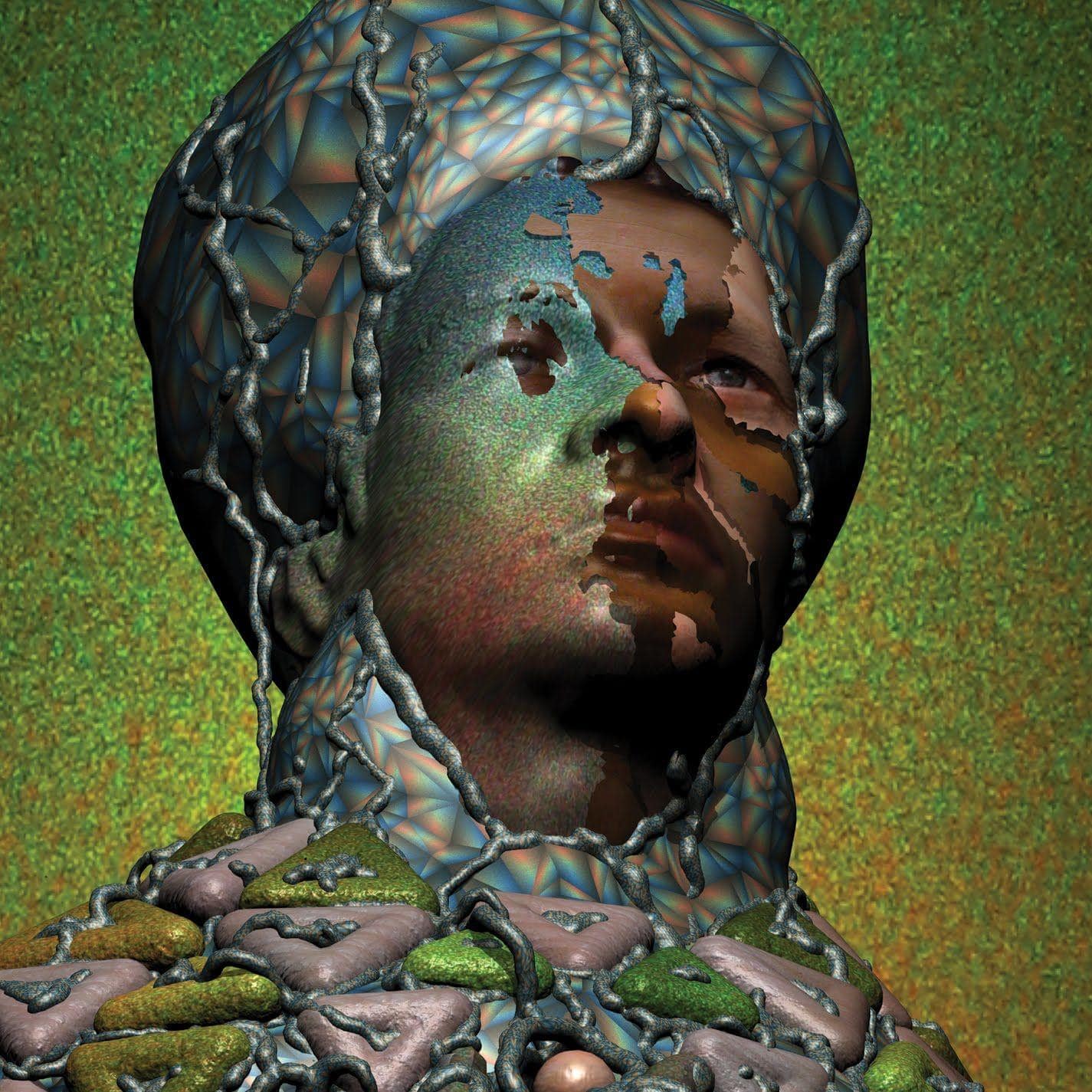
This is is Yeasayer’s wonderfully freakish, plagiarism-as-flattery bow to the nerdy altar of ’80s synth-rock.

The splendidly odd Neko Case has the looks of a pin-up girl and the voice of an “American Idol” champion.

The Watson Twins let J. Soda and Russell Pollard’s production overshadow them on too much of Talking to You, Talking to Me.

Last year, for reasons I don’t entirely understand, Gucci Mane suddenly become a rap critic favorite.
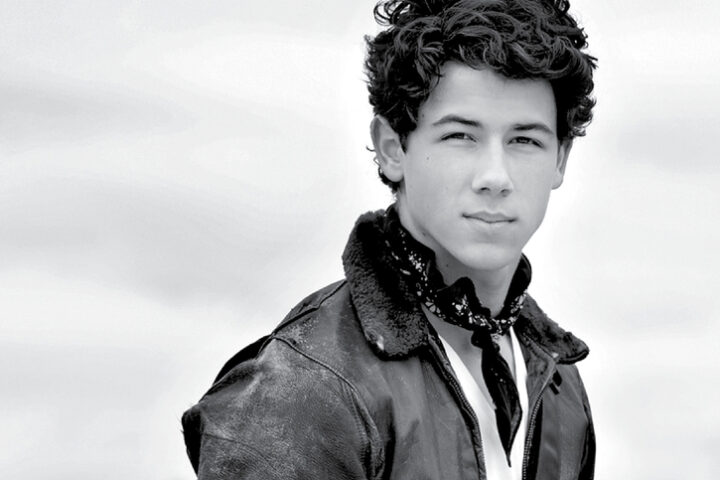
The album stands as a welcome reprieve from the trying-to-pass-a-kidney-stone yelps that Joe Jonas attempts to pass off as singing.

Mellow’s name was a lie: Perfect Colors, their second (and seemingly final) album proper, is breathlessly sarcastic.

On the majority of Heligoland, Massive Attack’s idea of heterogeneity is limited to rotating guest vocalists.
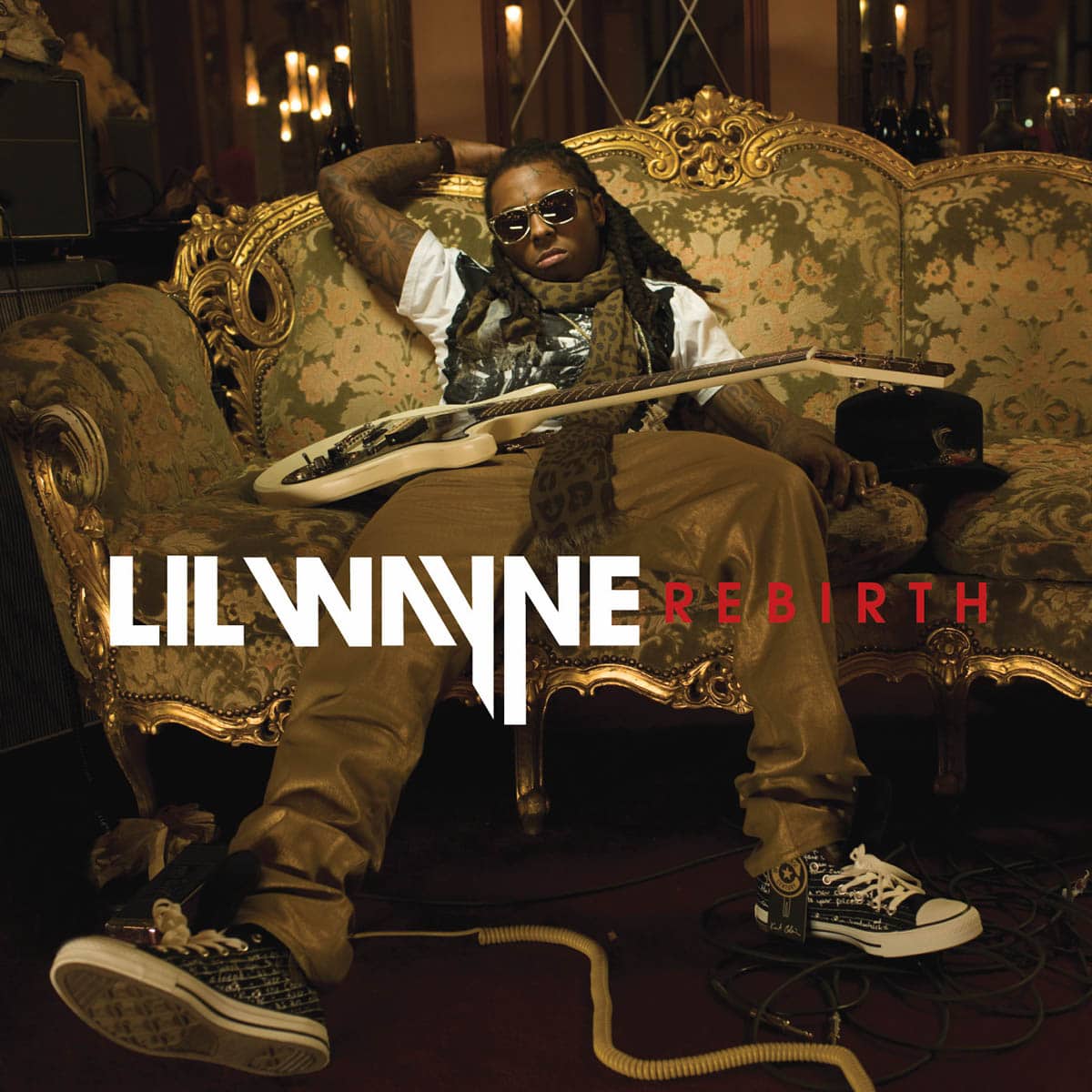
On Rebirth, Lil Wayne feels like an out-of-shape boxer being pummeled by his own beats and guests.