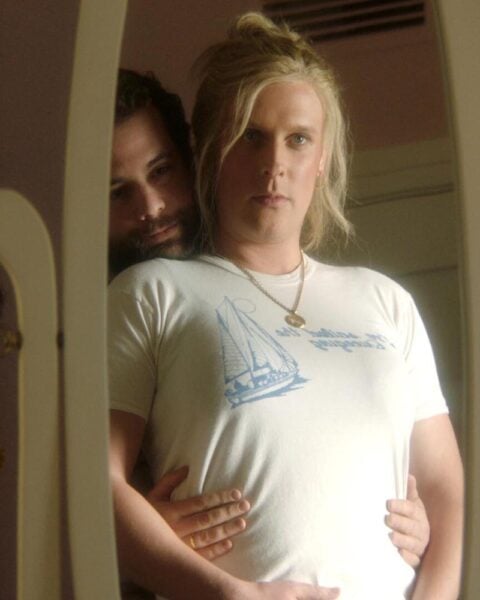
The Aussie director discusses why horror was the right vessel for his commentary.
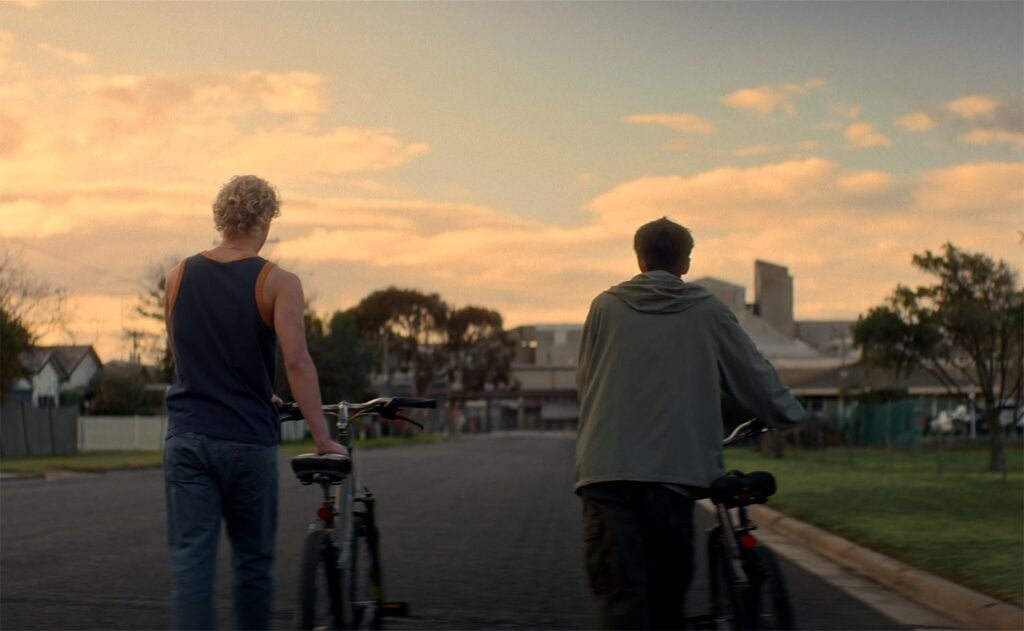

The Aussie director discusses why horror was the right vessel for his commentary.

Virtually every one of Altman’s signature hallmarks are very much alive in his 1980 film.
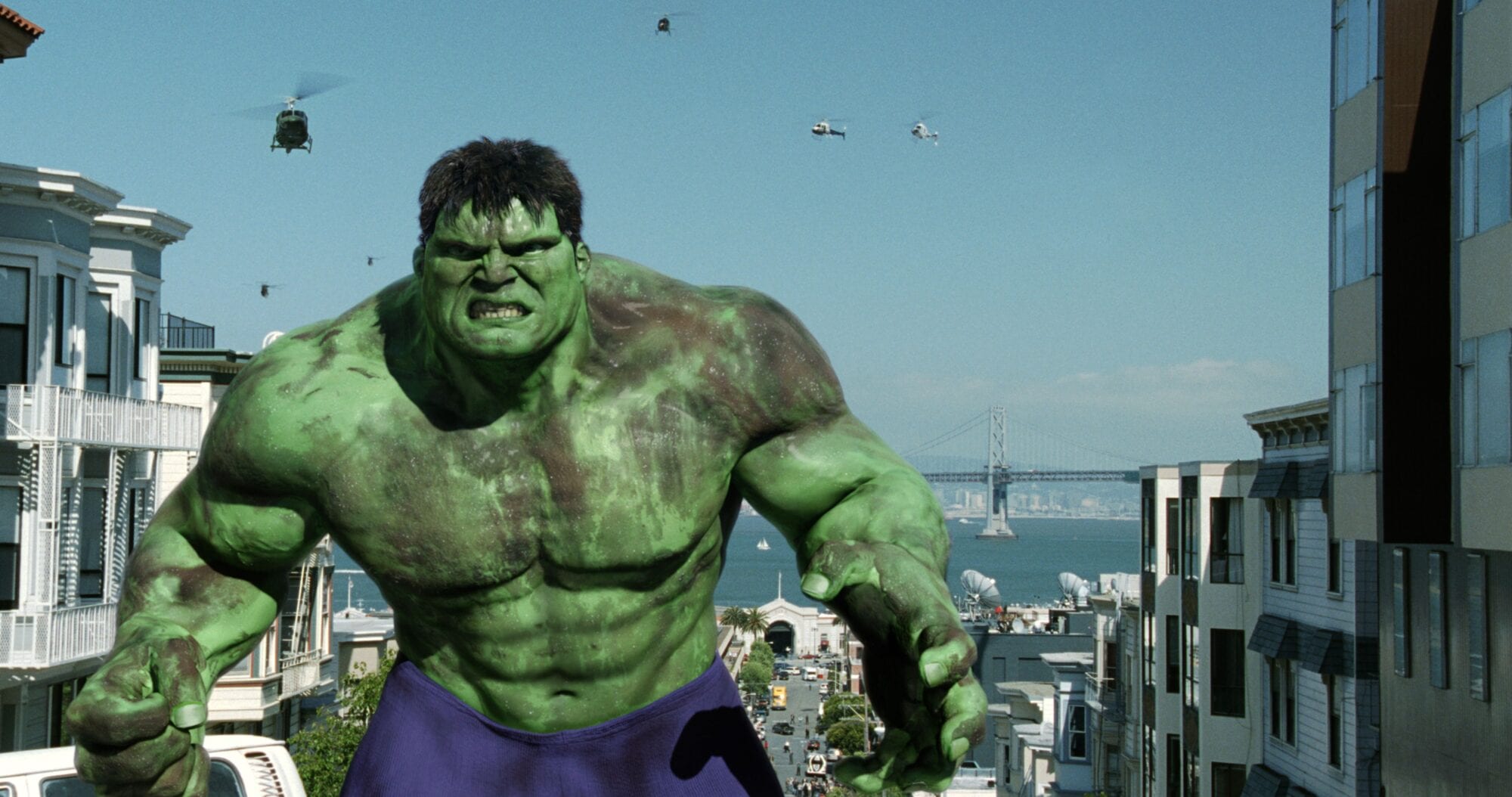
There’s an assured poise to Hulk, a surprising trait to find in a film about an unwieldy green goliath with a penchant for decimating everything in sight.

Olivier Assayas’s obsession with the blurry line between fantasy and reality is lofty but unfocused.

The film suggests a grueling seminar for screenwriters with writer’s block.
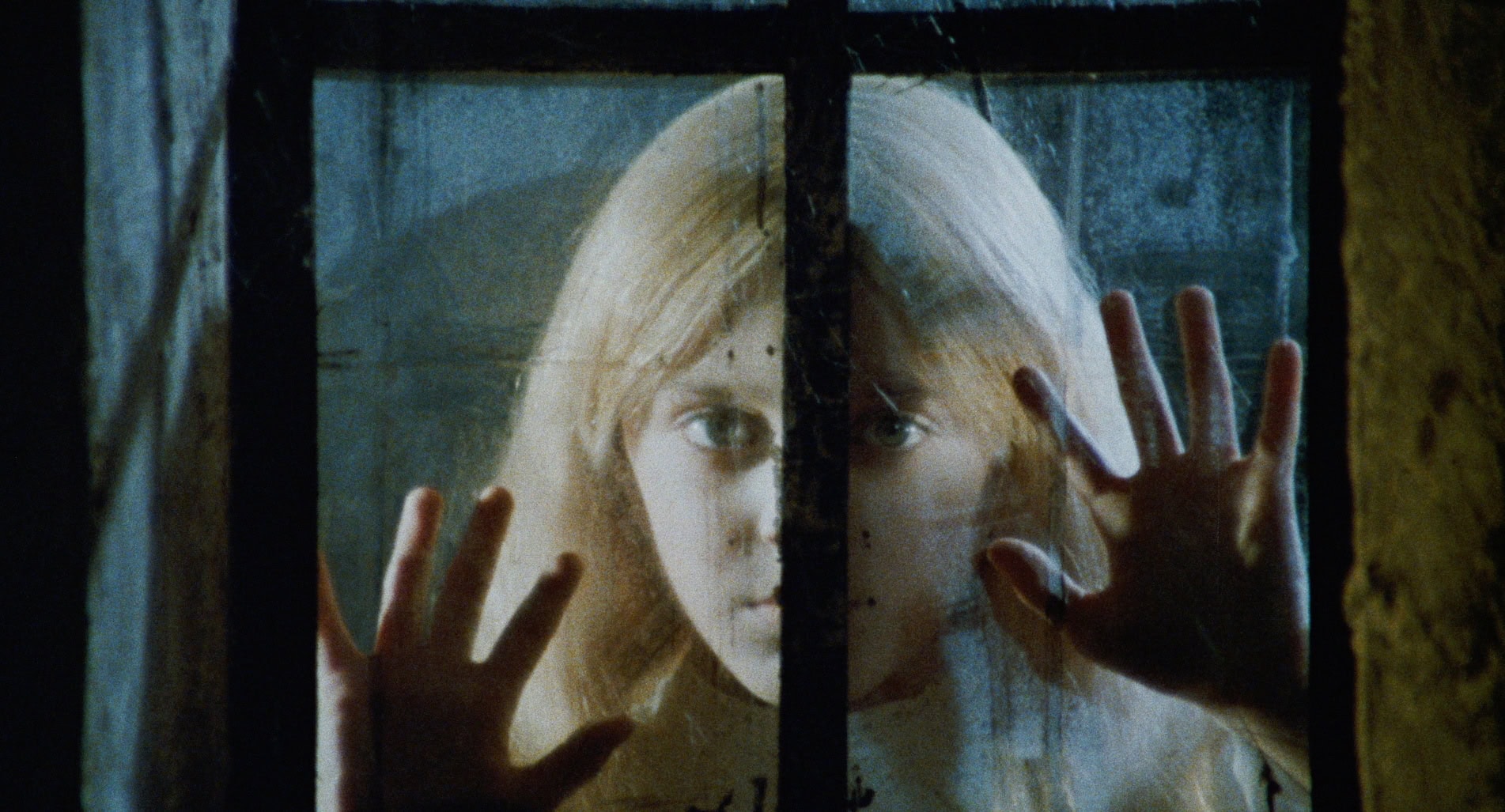
The conflict between modern medicine and superstition lends the film a striking moral urgency.

The indie heavyweight suggests that he hasn’t stopped drifting himself and that he too continues to look for that elusive “thing.”
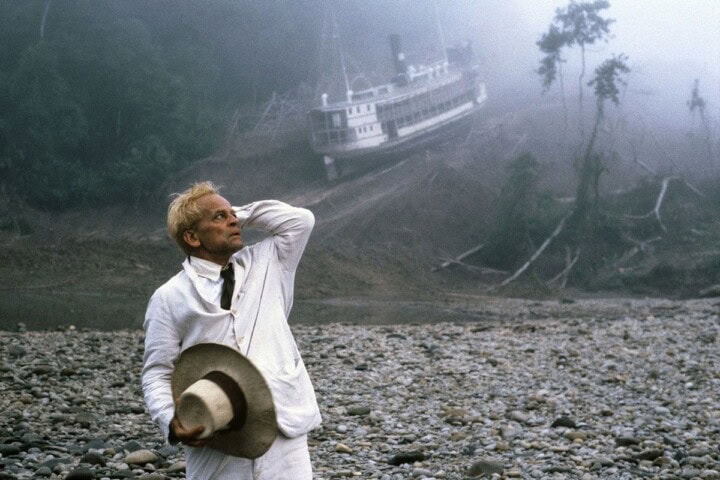
Fitzcarraldo is the preeminent testament of Herzog’s labor as a filmmaker.

Here, visual inventiveness and narrative incoherence combine to form a result that’s both entrancing and sleep-inducing.
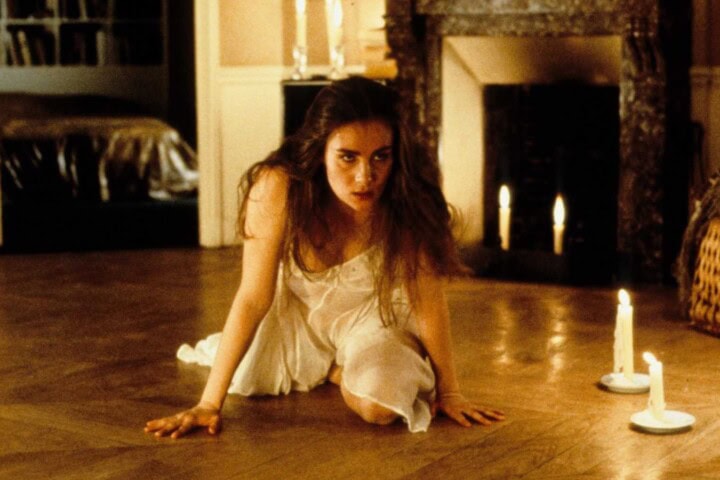
Think of the film as Roman Polanski’s Who’s Afraid of Virginia Woolf.
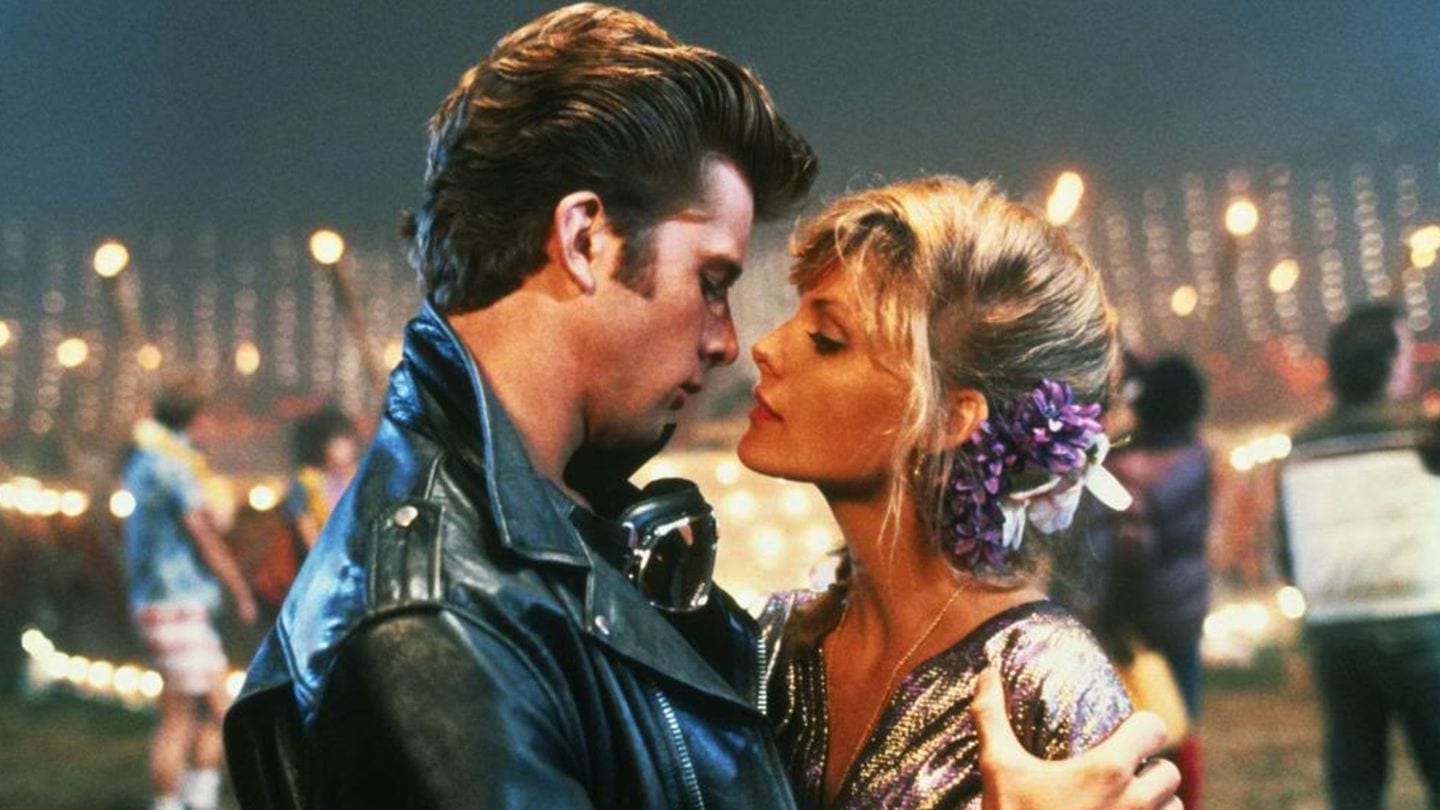
Surely the obligatory sequel to what has to be a top contender for the “worst ’70s blockbuster” crown must carry some weight as a camp classic.

It’s easy to be seduced by François Ozon’s deadly use of silence.
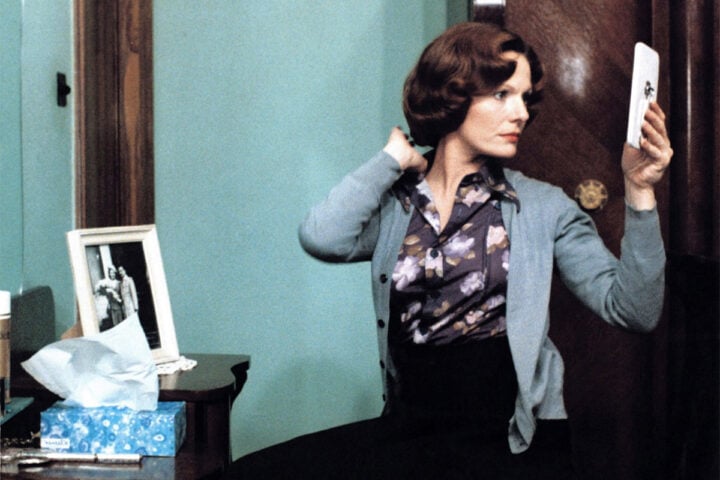
An astonishing work of subtextual feminism which has to count as one of the seminal films of the 1970s.

Mercifully, there’s no offending sermon to talk down to the film’s demographic.
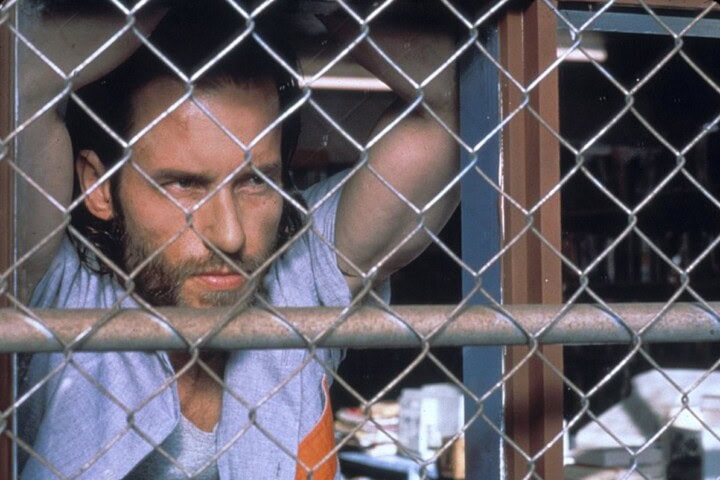
Scott Roberts builds his off-kilter caper with spare parts from every crime film made by the Tarantinos and Guy Richies of the world.
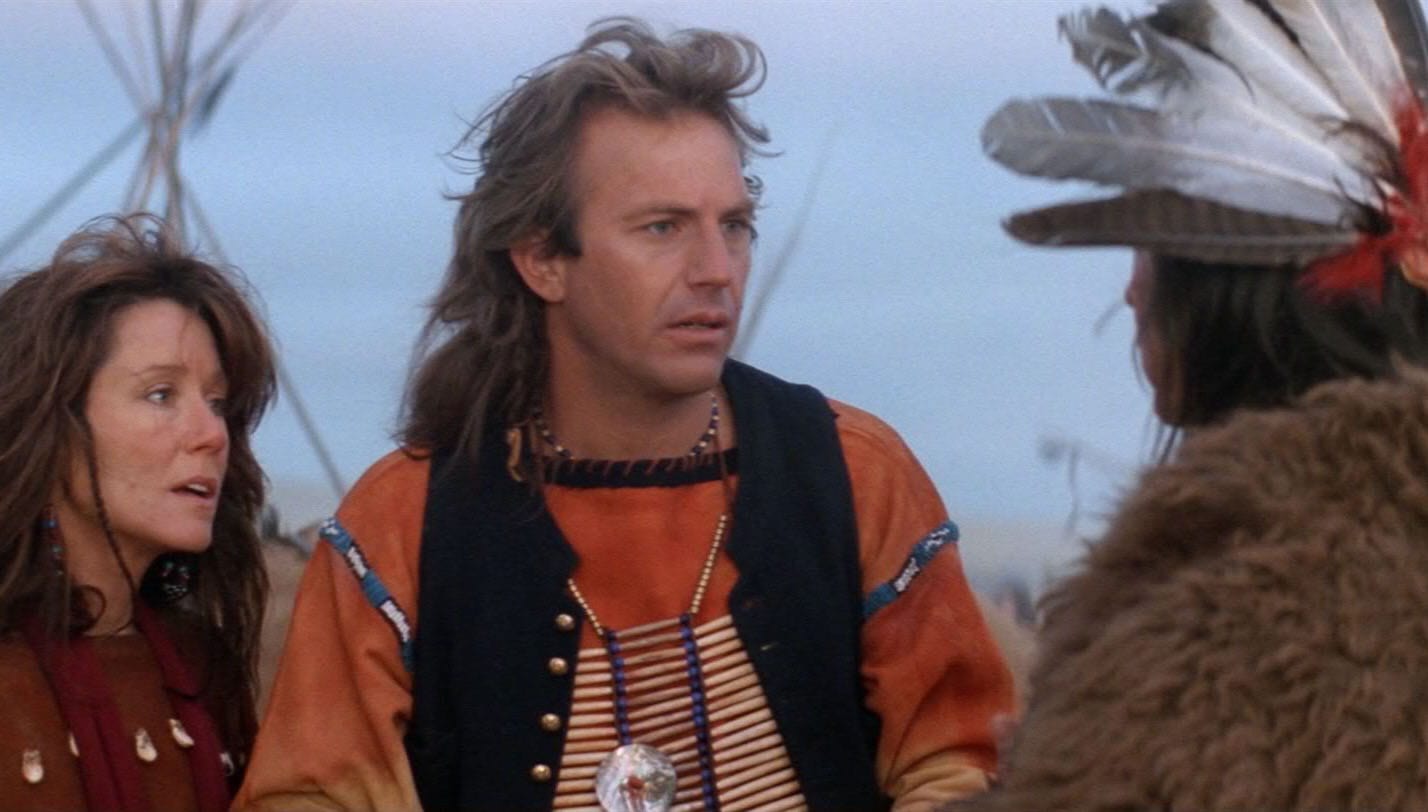
If the film’s visual splendor lacks profundity, Costner does provide a handful of transcendent moments.
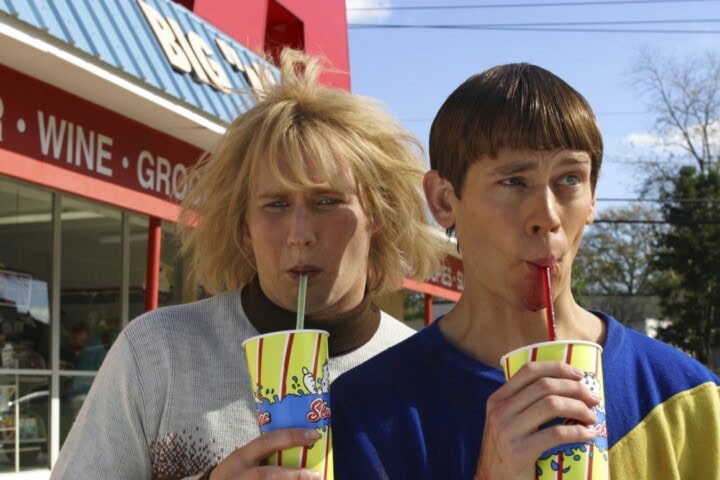
Its self-devouring gags quickly reach their expiration way before their all-too-familiar payoffs are announced.

Horror fans take note: Danny Boyle’s 28 Days Later is the real deal.
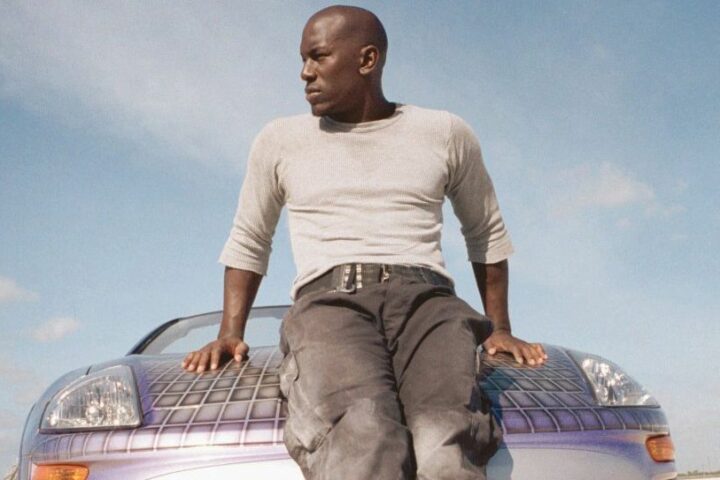
This unabashedly meaningless affair wholeheartedly subscribes to the more-is-better recipe for cinematic second installments

Alberto Cavalcanti’s contribution might be the finest single episode to appear in any horror anthology film.
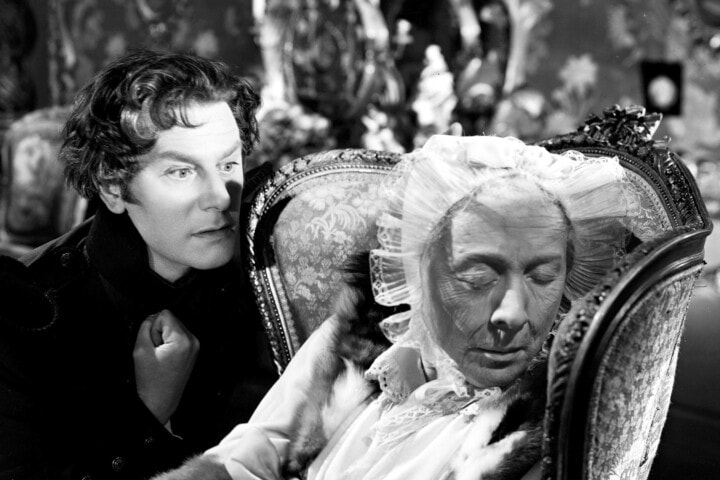
Ealing Studios’s opulent adaptation of Alexander Pushkin’s novella is a cult classic in search of an audience.