Refn discusses his love of fairy tales, falling through the rabbit hole of streaming, and more.


Refn discusses his love of fairy tales, falling through the rabbit hole of streaming, and more.

This third entry in the animated kiddie series appears to be more, um, fair and balanced.

Local Color takes every cliché of nascent-artist movies and serves them up with an arrogant lack of shame.

Up has been driving me nuts.
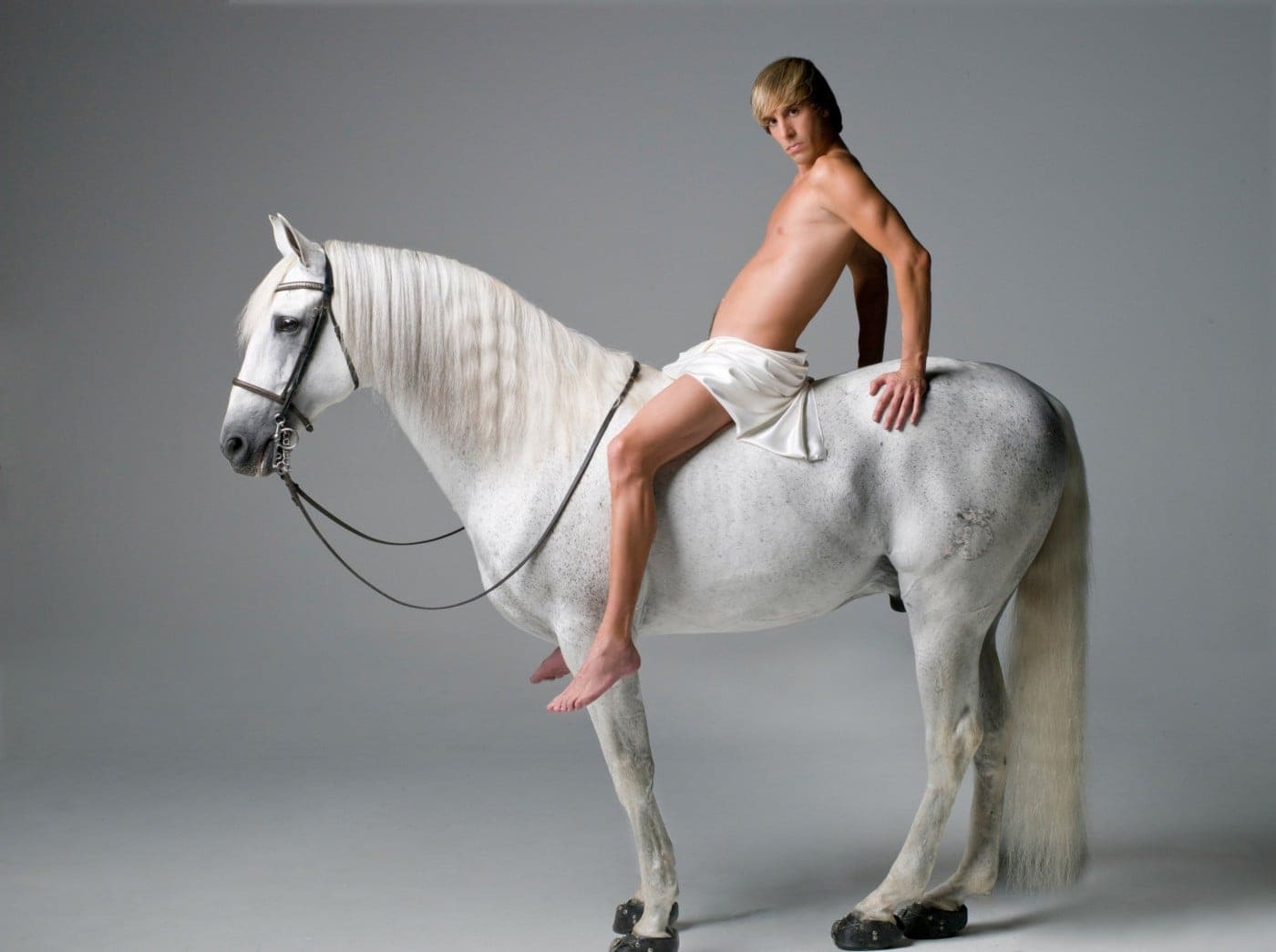
Larry Charles’s Brüno is like Milk, but with a talking penis.
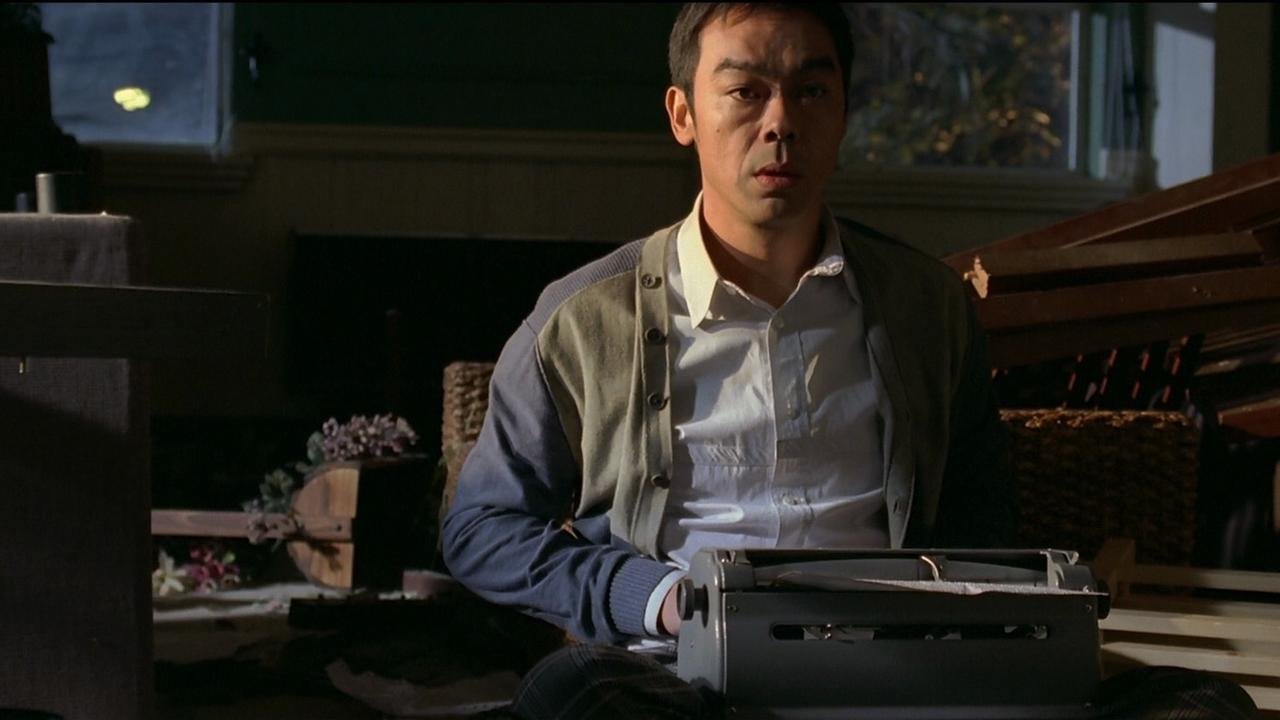
Writer-director Wai Ka-fai’s collaborations with Johnnie To stand out from To’s filmography.
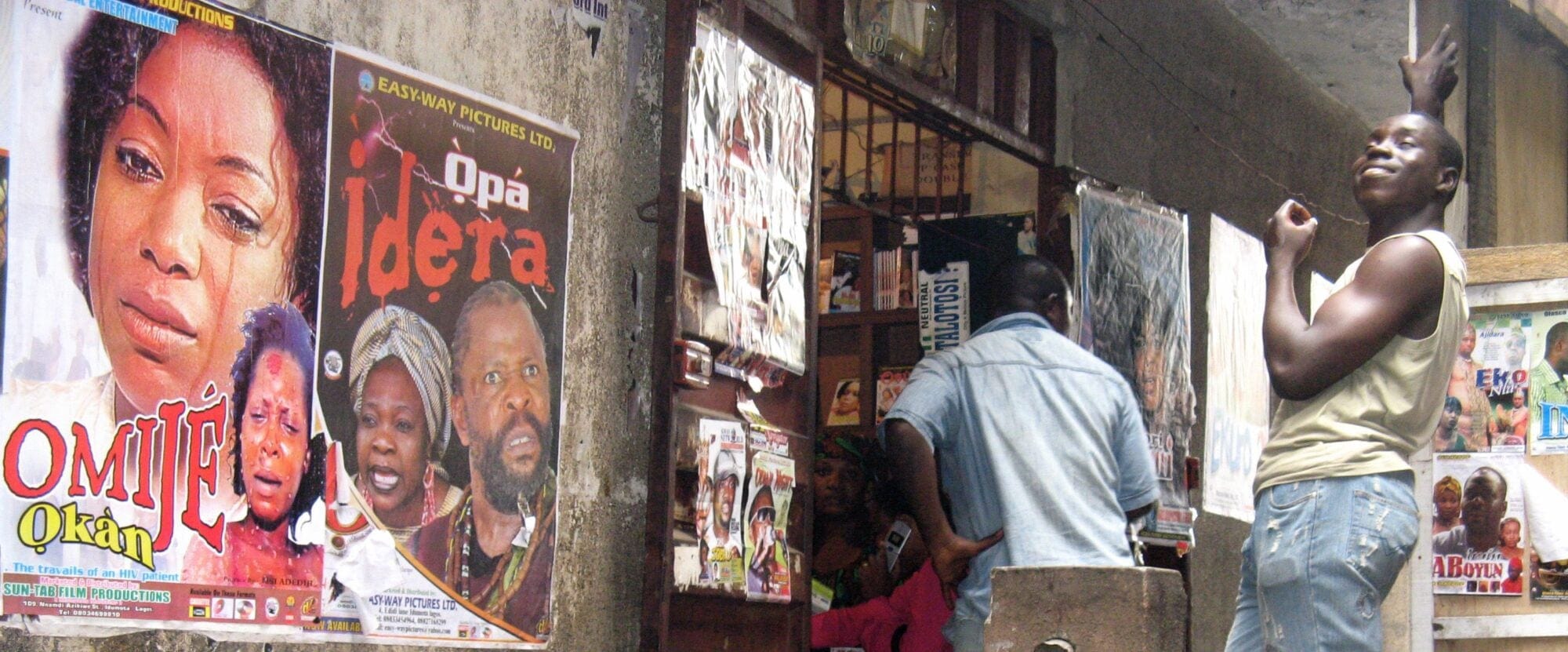
Nollywood Babylon examines the world’s third largest film industry.

If you think it’s hard raising a child as a single mother, try doing it in prison.

Agnès Varda’s film is as insistently wry as it is haunting.
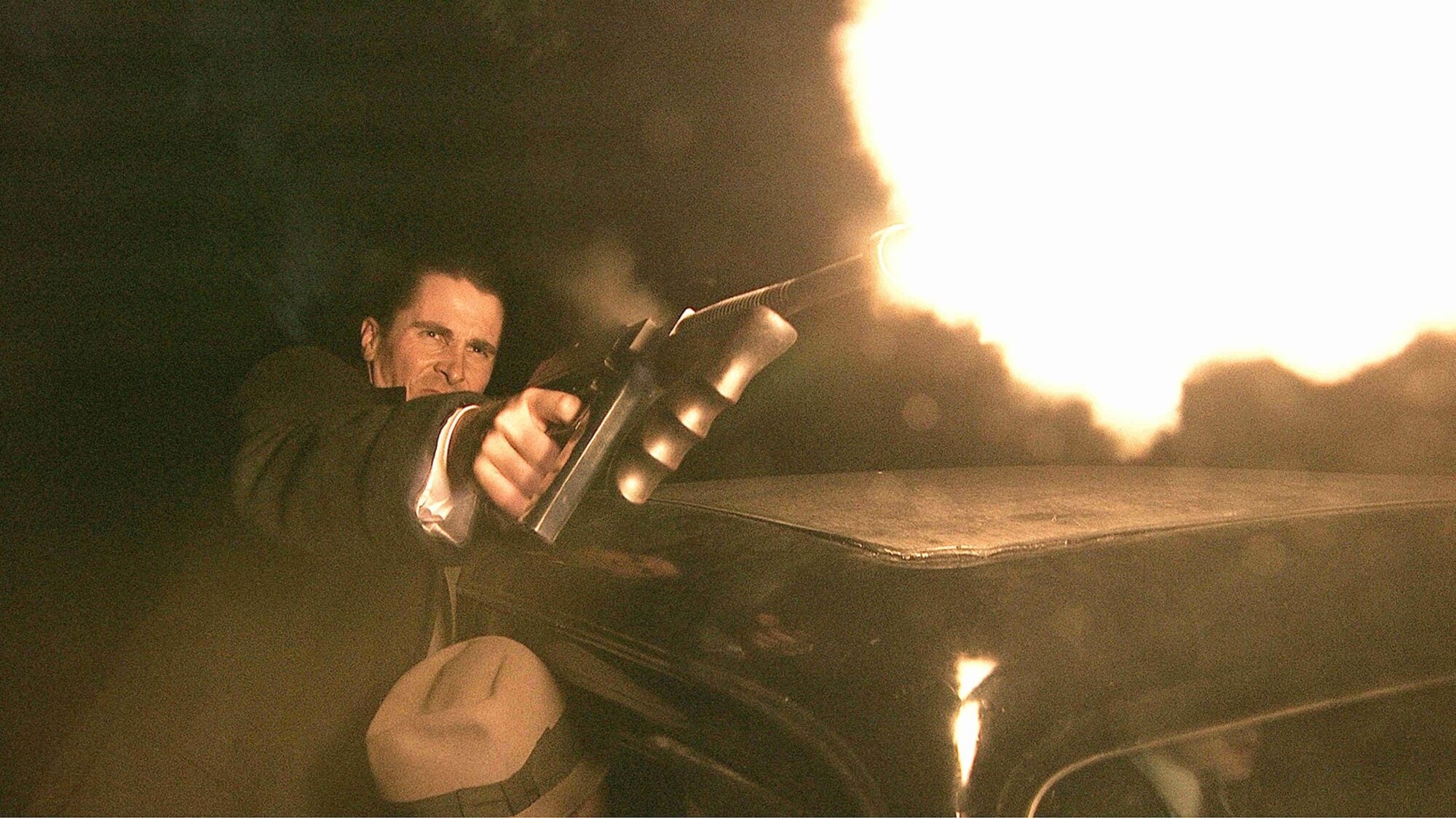
The film casts the life of John Dillinger as one defined by the symbiotic relationship between crime and celebrity.
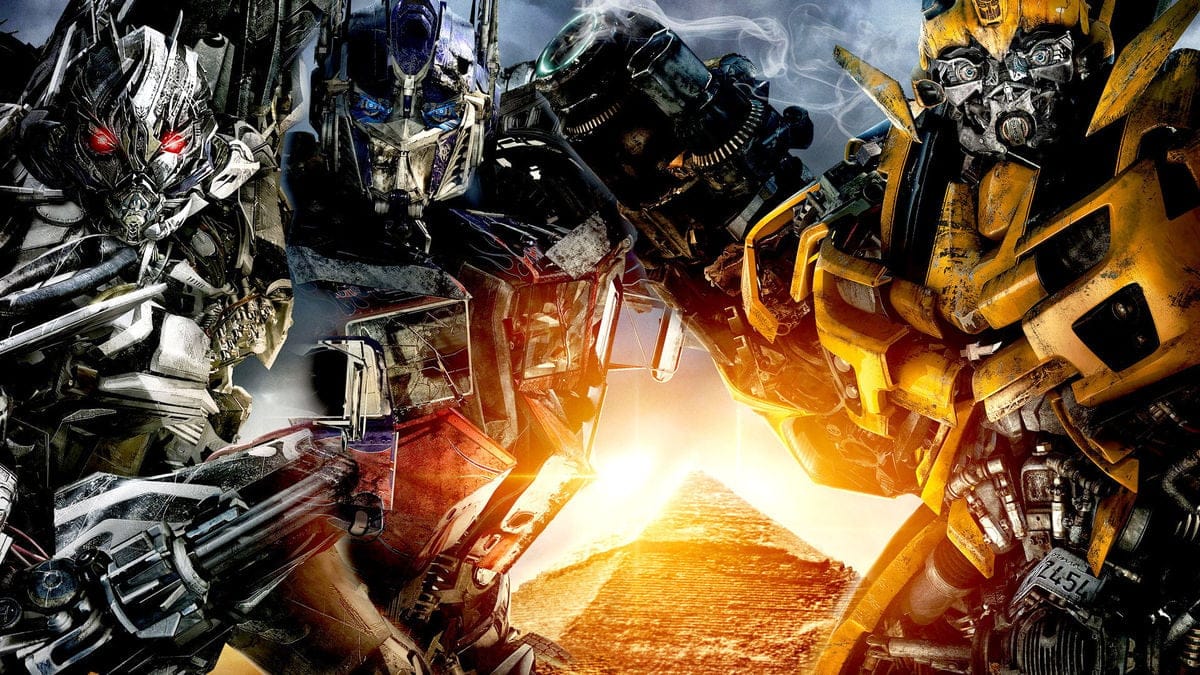
I’m sick of this notion that movie critics don’t like to have fun.
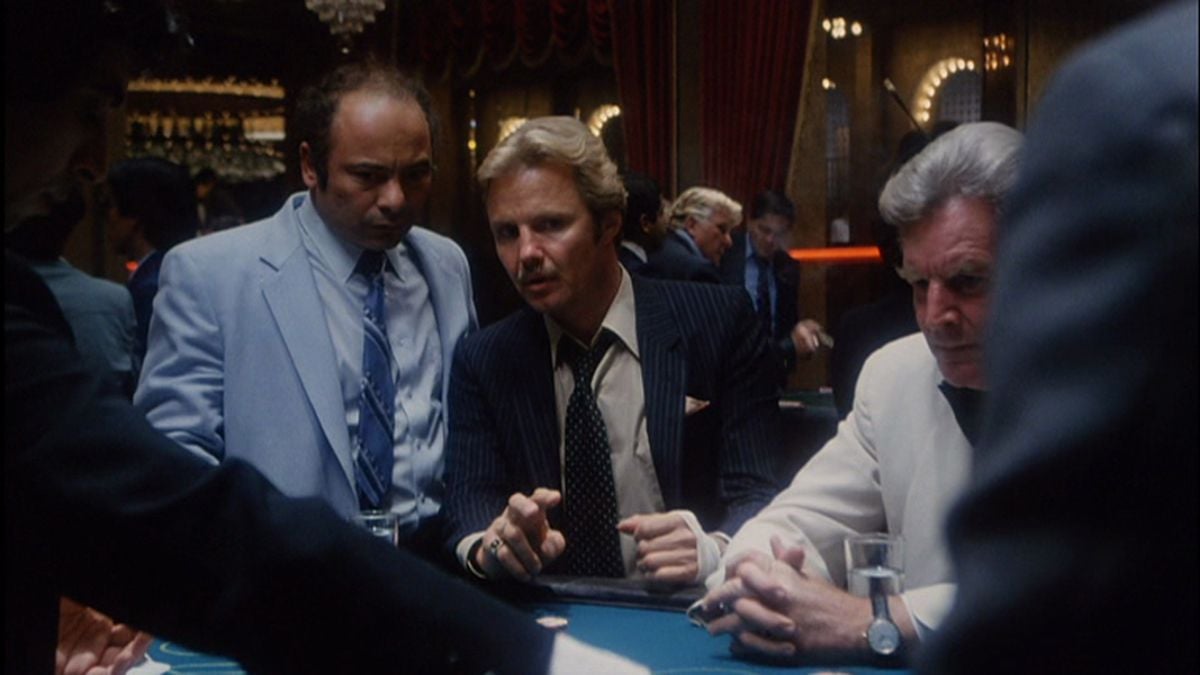
The movie is fascinating, and undeniably entertaining from an archival point of view.

The Hurt Locker is a work of exhaustive filmic intricacy that required Bigelow to contemplate even “the sound of heat and dust, and the sun.”

One thing that Michelle Pfeiffer can’t be blamed for are the sins that the camera and the make-up artist perpetrate.

It suffers from sheer sloppiness of script that results in scenes of comedic frivolity coming off as screechingly forced.
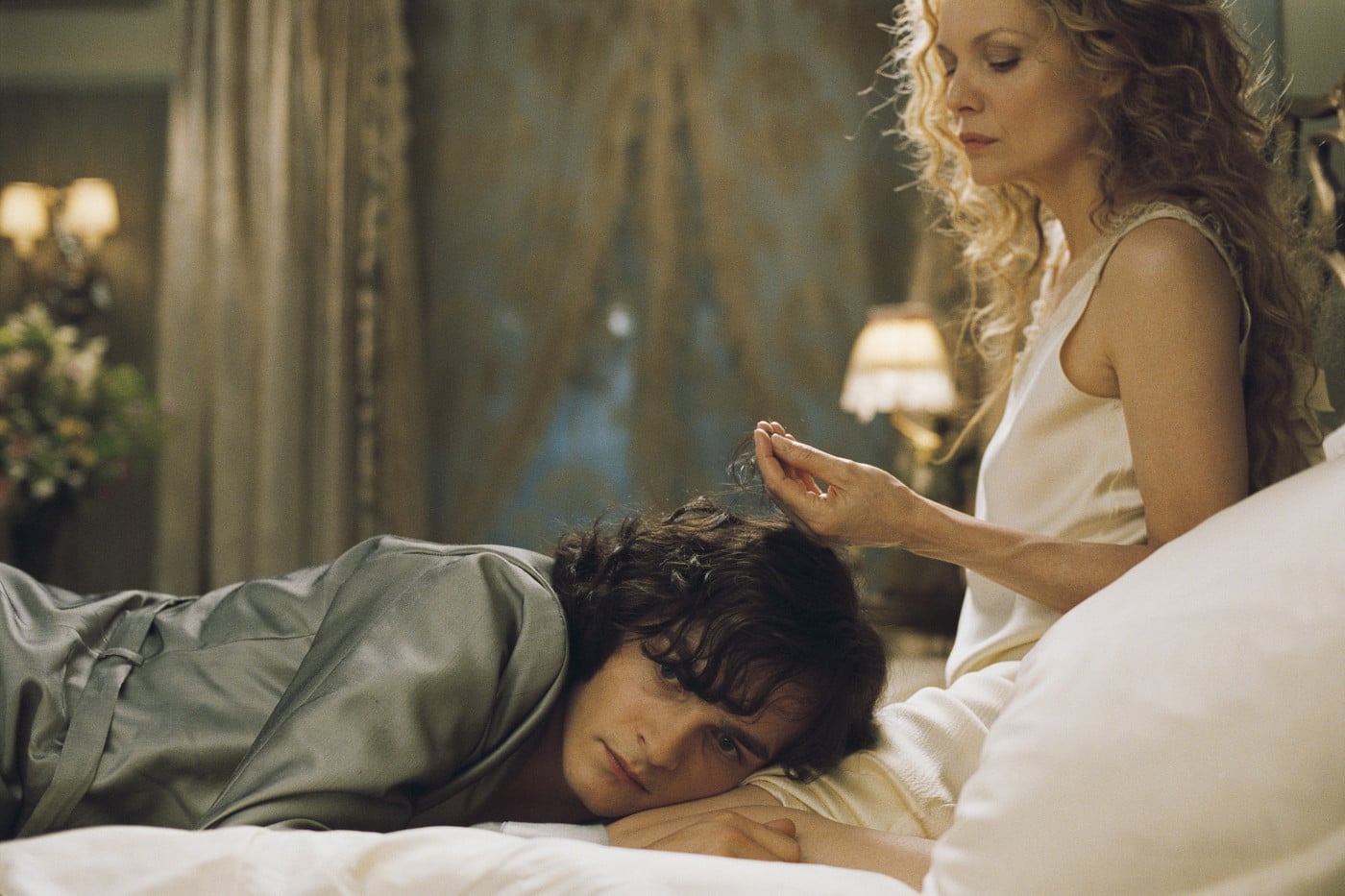
Colette’s ruthless sensibility gets lost in what amounts to just another costume melodrama.
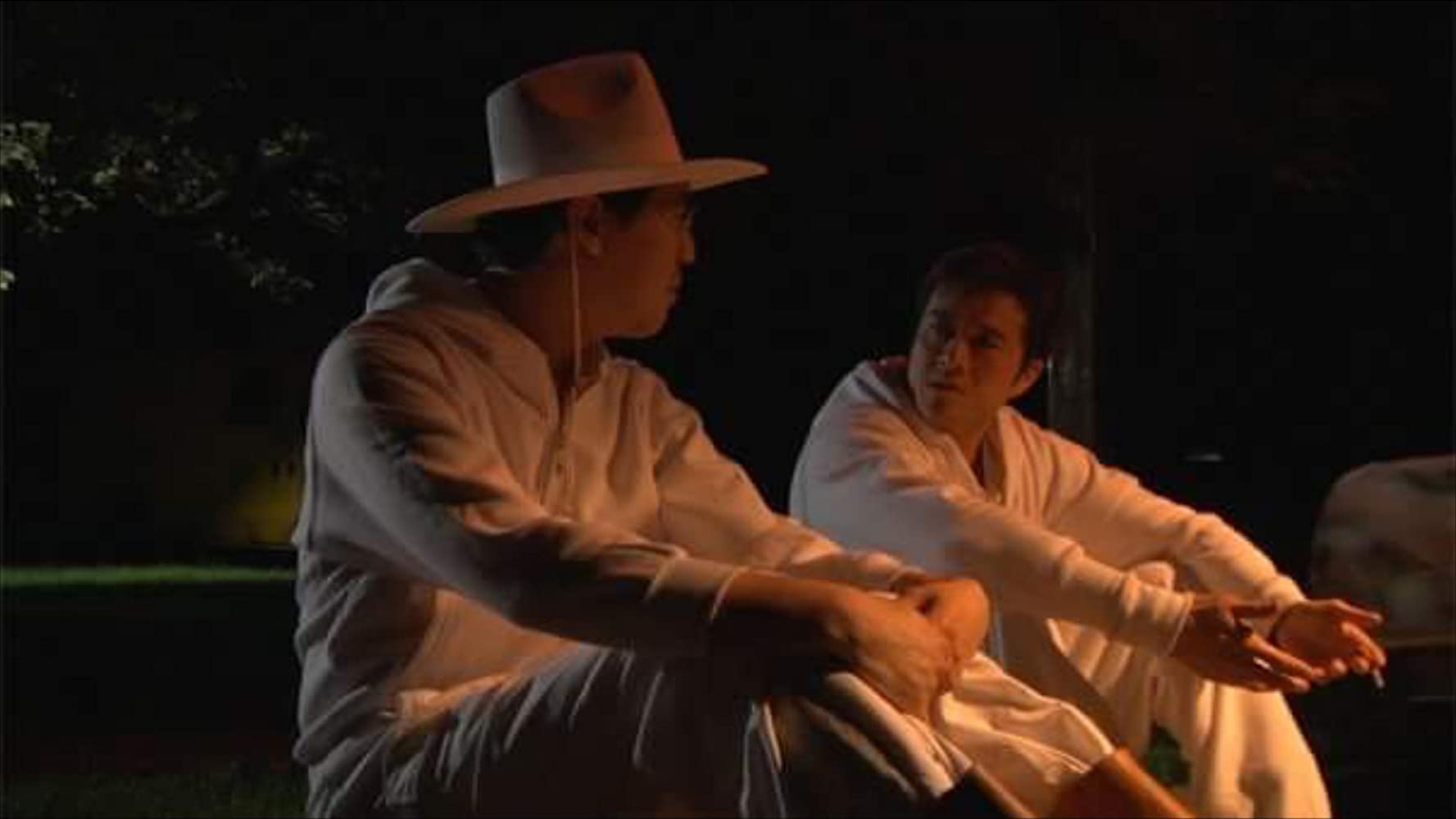
We are approaching the middle of our shooting schedule, and finally making some headway.
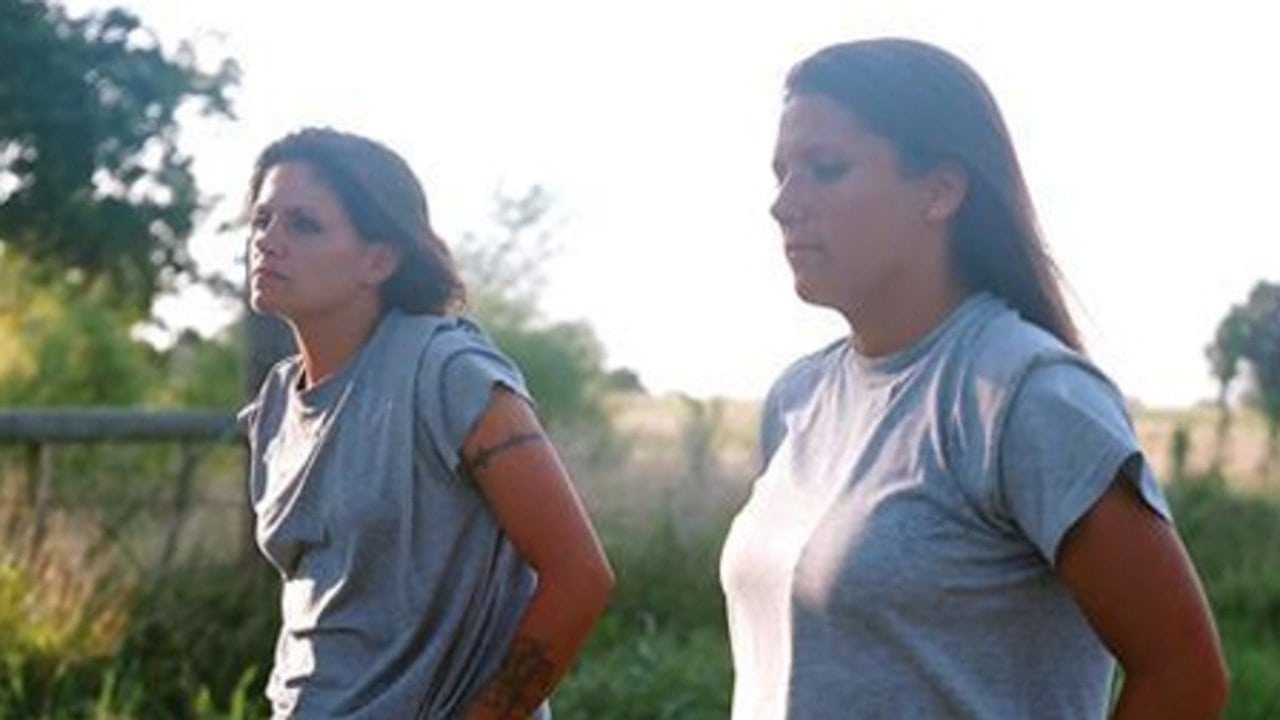
The rodeo provides a welcome relief to the monotony of life behind bars.

Landon Van Soest’s documentary is often bleakly resigned to the limits of resistance.
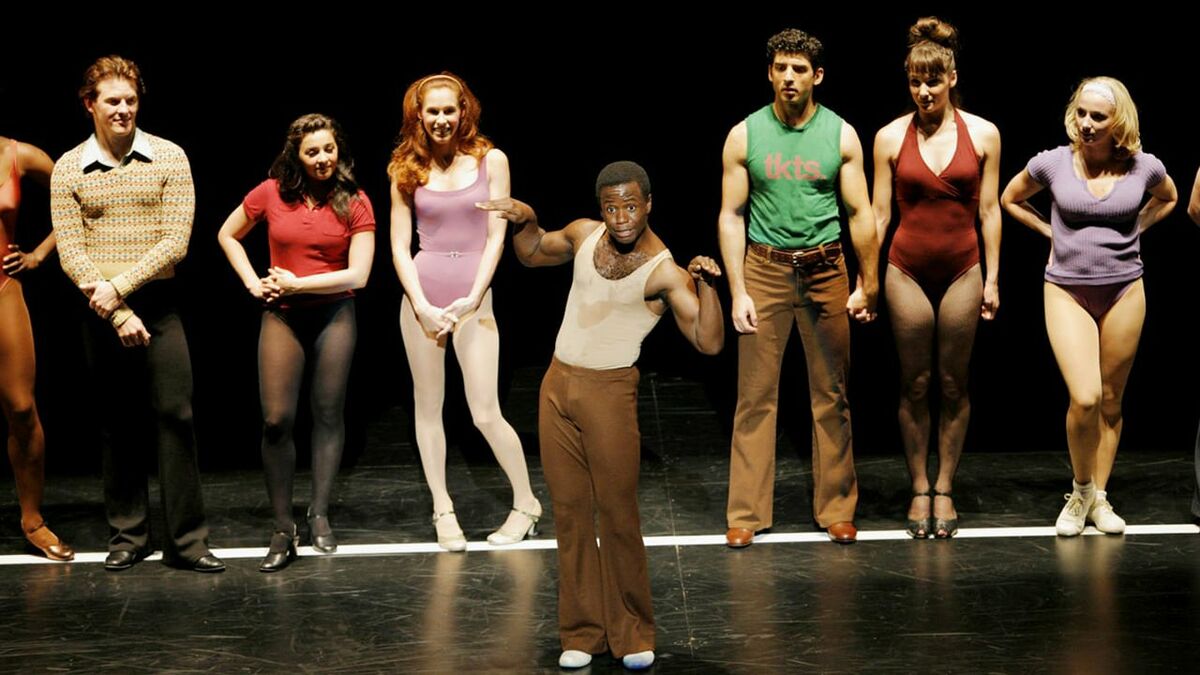
The shortcomings of the material appear quite clearly, the haze of nostalgia notwithstanding.

Banal, belligerent, and brain-dead, it ultimately succeeds only at being far less than meets bare-minimum cinematic standards.