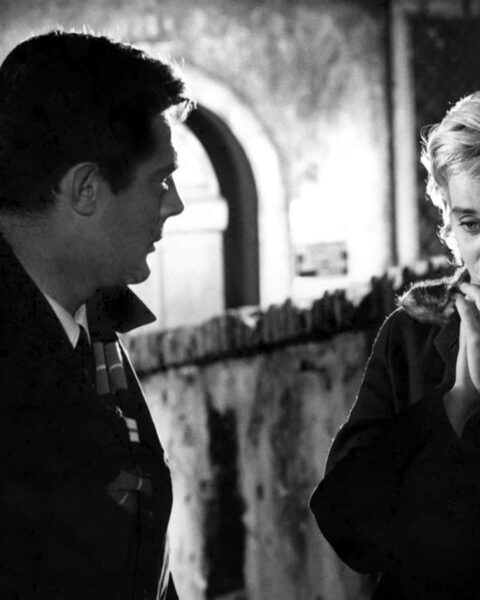
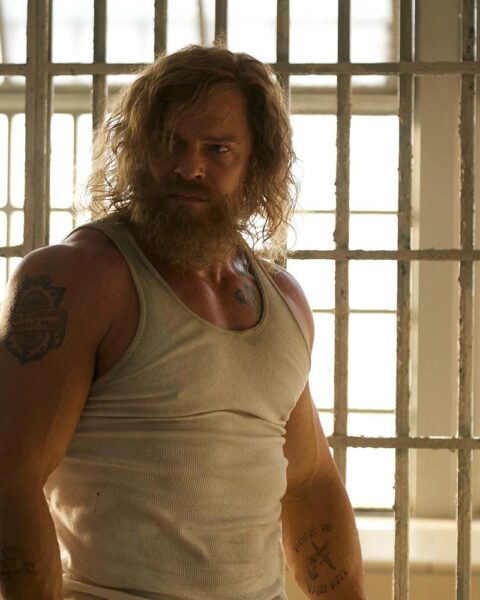
Refn discusses his love of fairy tales, falling through the rabbit hole of streaming, and more.


Refn discusses his love of fairy tales, falling through the rabbit hole of streaming, and more.

I spent the first two weekends in October sitting in the Bing Theater for the Alain Resnais retrospective.
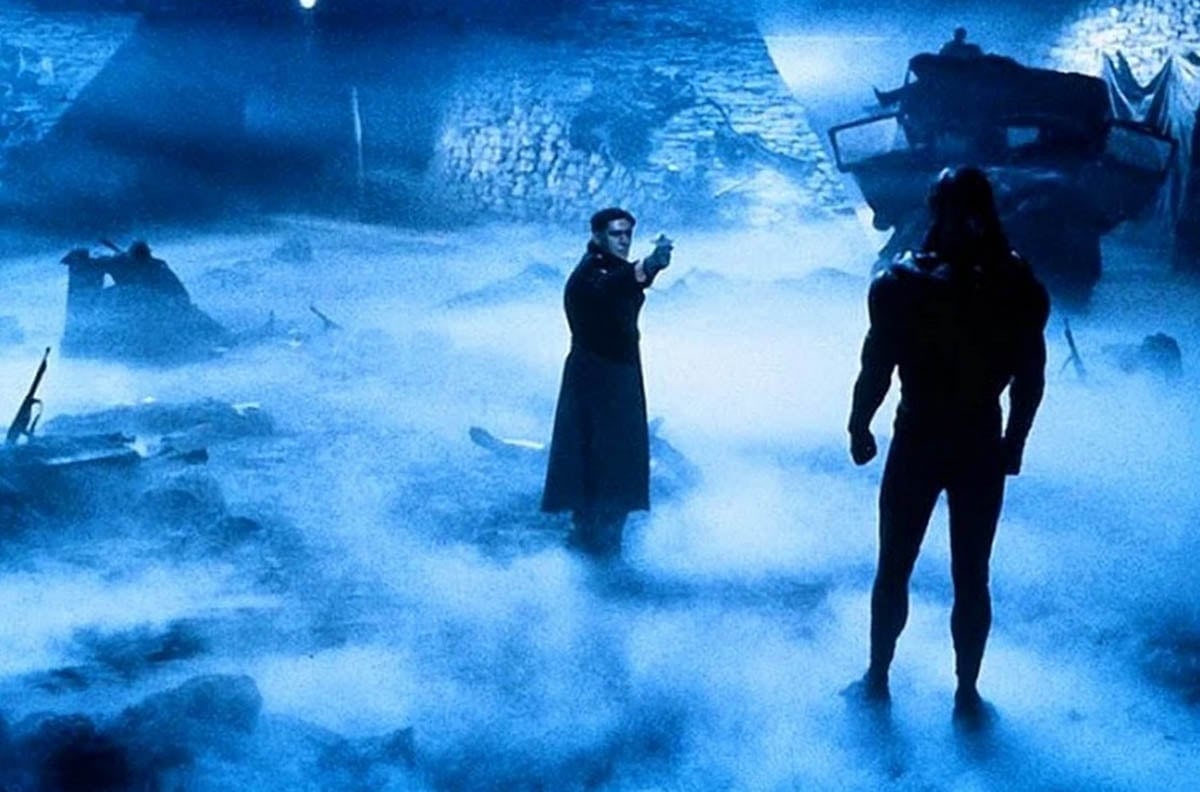
As dated as it is, Michael Mann’s second theatrical release after Thief remains an intriguing mess of historical provocation.
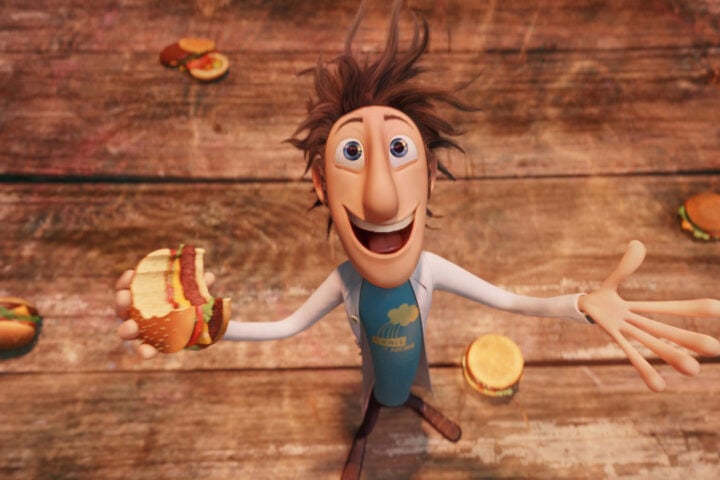
I suspect that the children’s book this is based on is probably a charmer, and I can see why kids would love it.

The film stumbles in its transparent, half-hearted attempt at achieving teen-cult status.
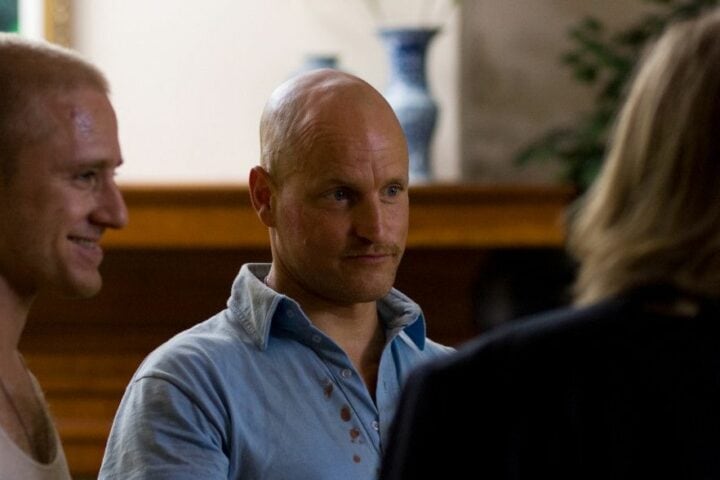
The cumulative effect of these episodes is undoubtedly a searing reminder of the most inevitable outcome of war.
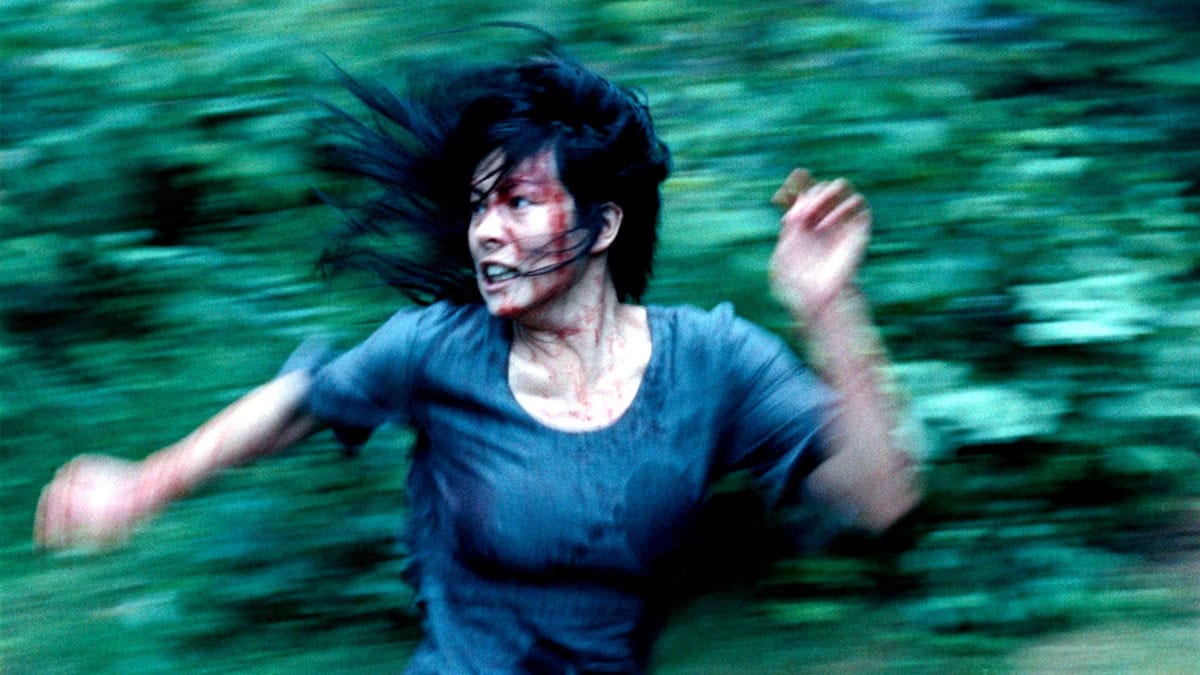
Martyrs has an intelligence and a dogged determination to do and to say what its predecessors could or would not.

For a film that explores the realms of the avant-garde, or anti-art, (Untitled) is drudgingly conventional in narrative and structure.

2012 could be about any disaster, rendering moot the half-baked proclamations of the Mayan calendar that are so central to the film.

At a particularly rundown corner of Almodóvar Boulevard and Tarantino Lane, you’ll find Women in Trouble.
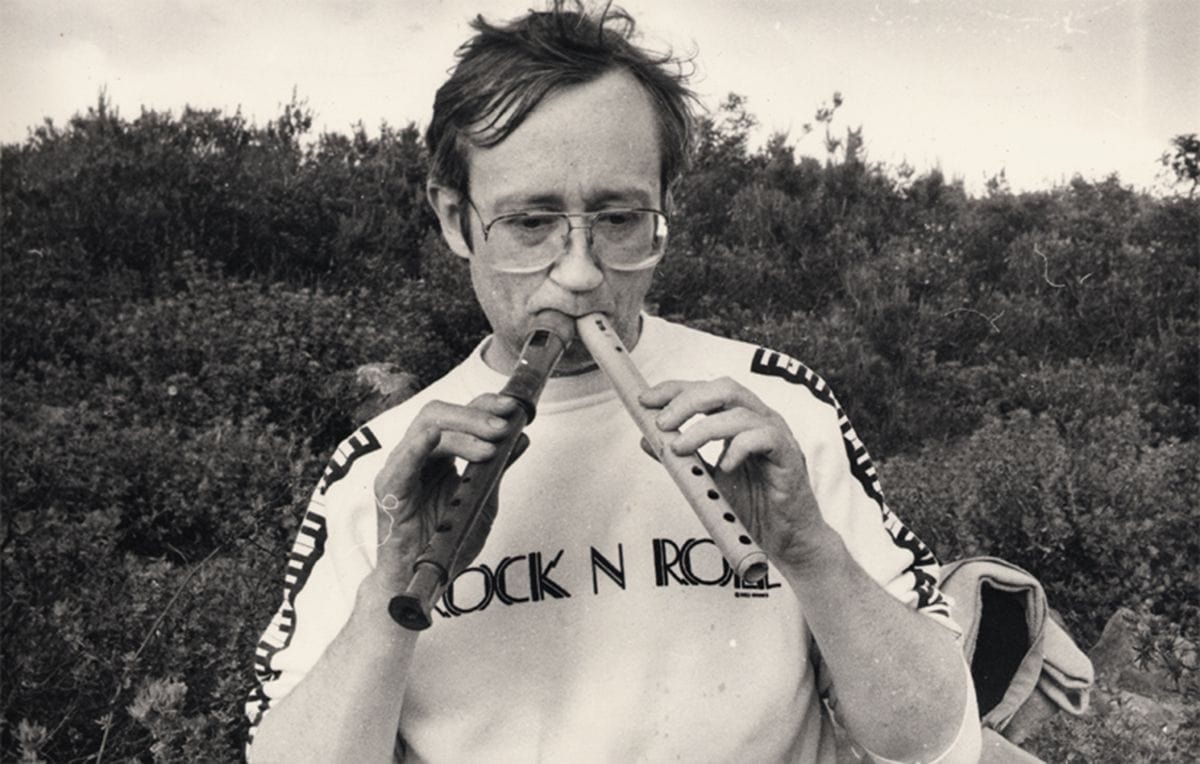
Using the folk music of a remote land as a tool to recreate the image of a difficult, departed father is the agenda of The Hand of Fatima.

As Zombie closes the second Halloween, he leaves the door ajar to underwrite, of course, another sequel.
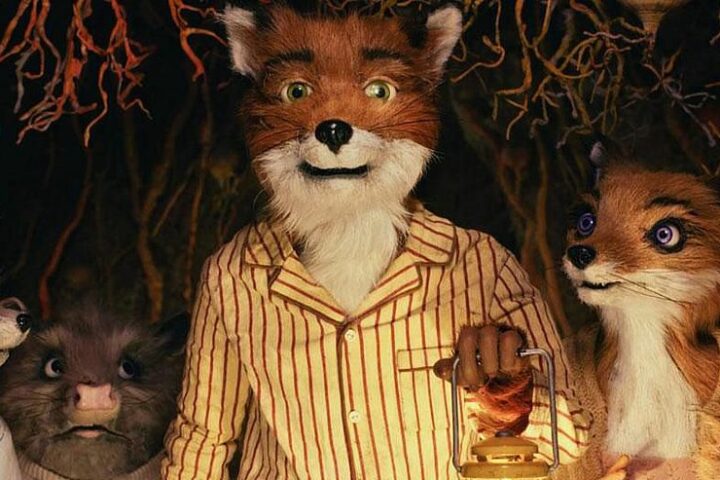
Given its canny beauty and quick wit, Fantastic Mr. Fox seems primed to also burrow into issues of self, uniqueness, and community.
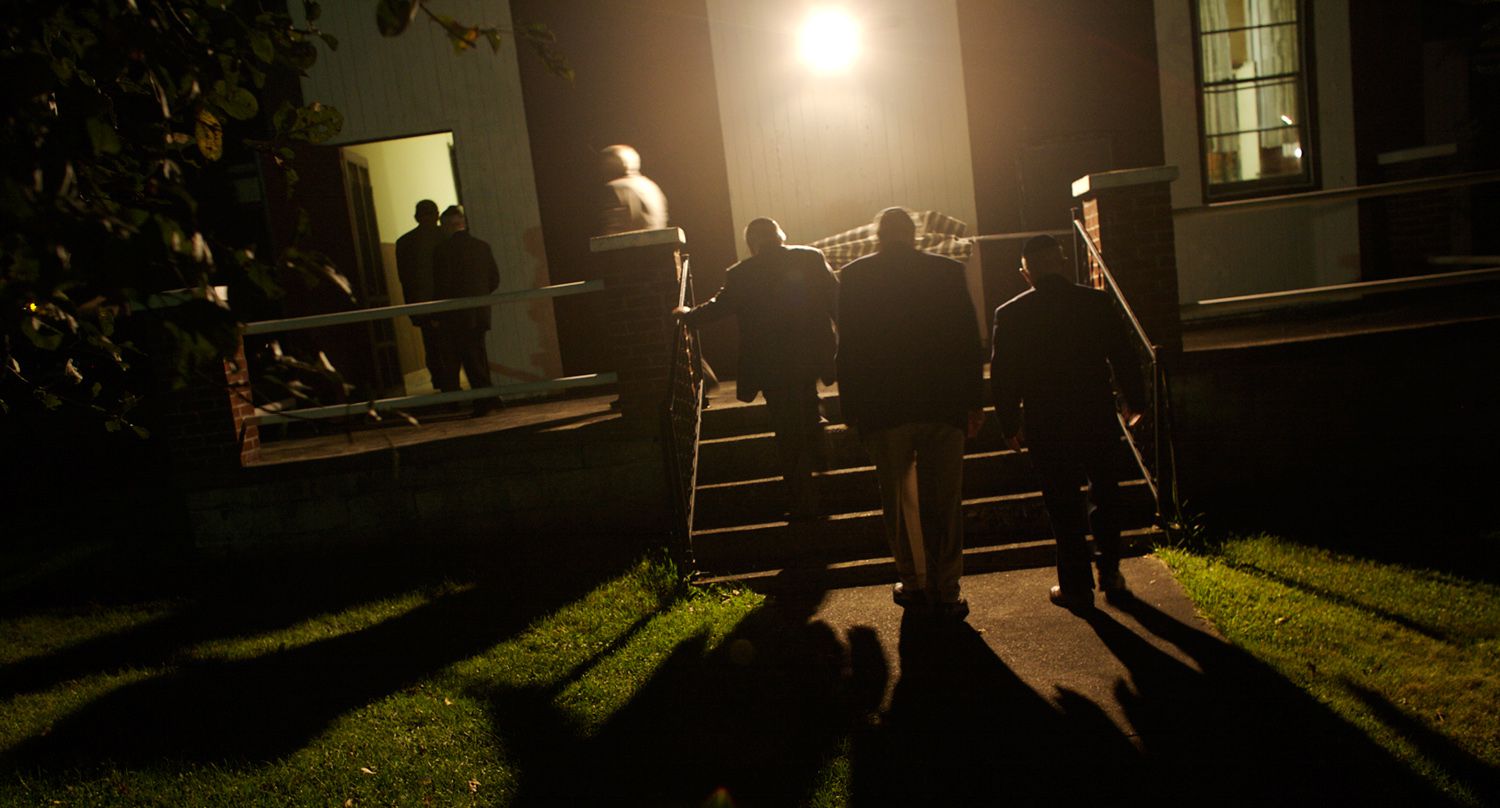
Andrew Jacobs assembles an image-rich mosaic of group psychology that surprisingly illuminates the ineffable.

In the end, End of Poverty? is just too small-minded to succeed.
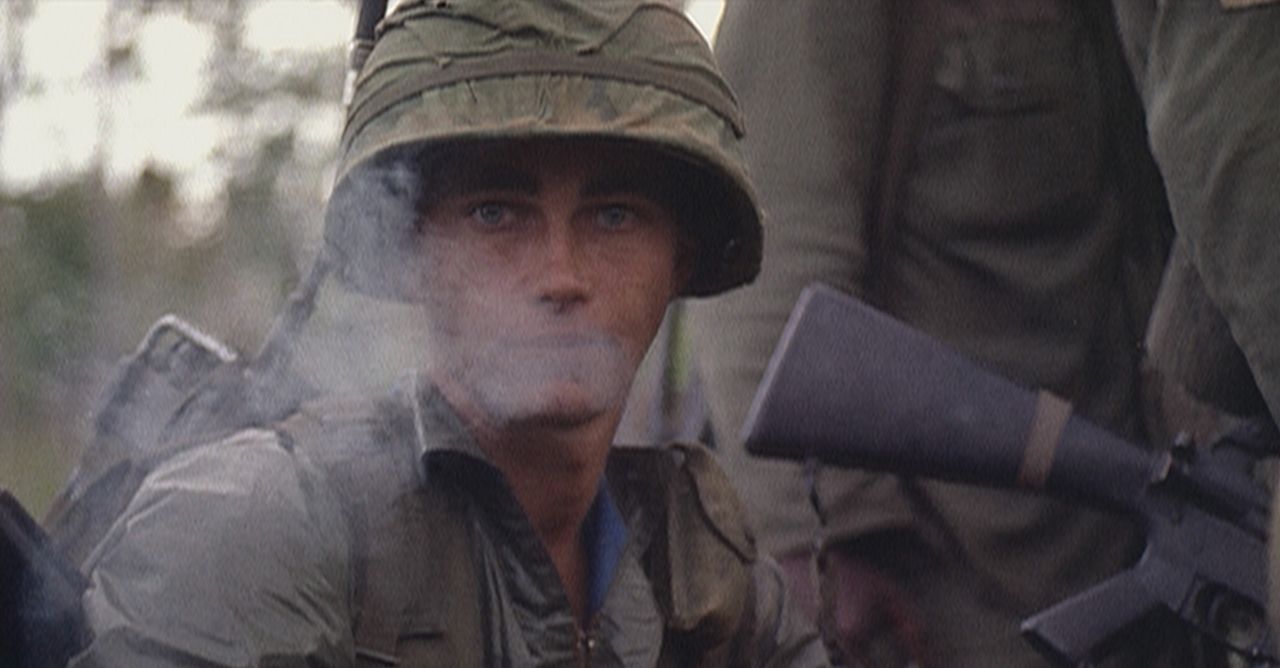
There’s something almost frightening about the failures of The Good Soldier.

The most audacious thing about writer-director Peter Rodger’s Oh My God may be its appallingly bad taste.

Writer-director Richard Curtis is about as rock ‘n’ roll as the average great-grandmother.
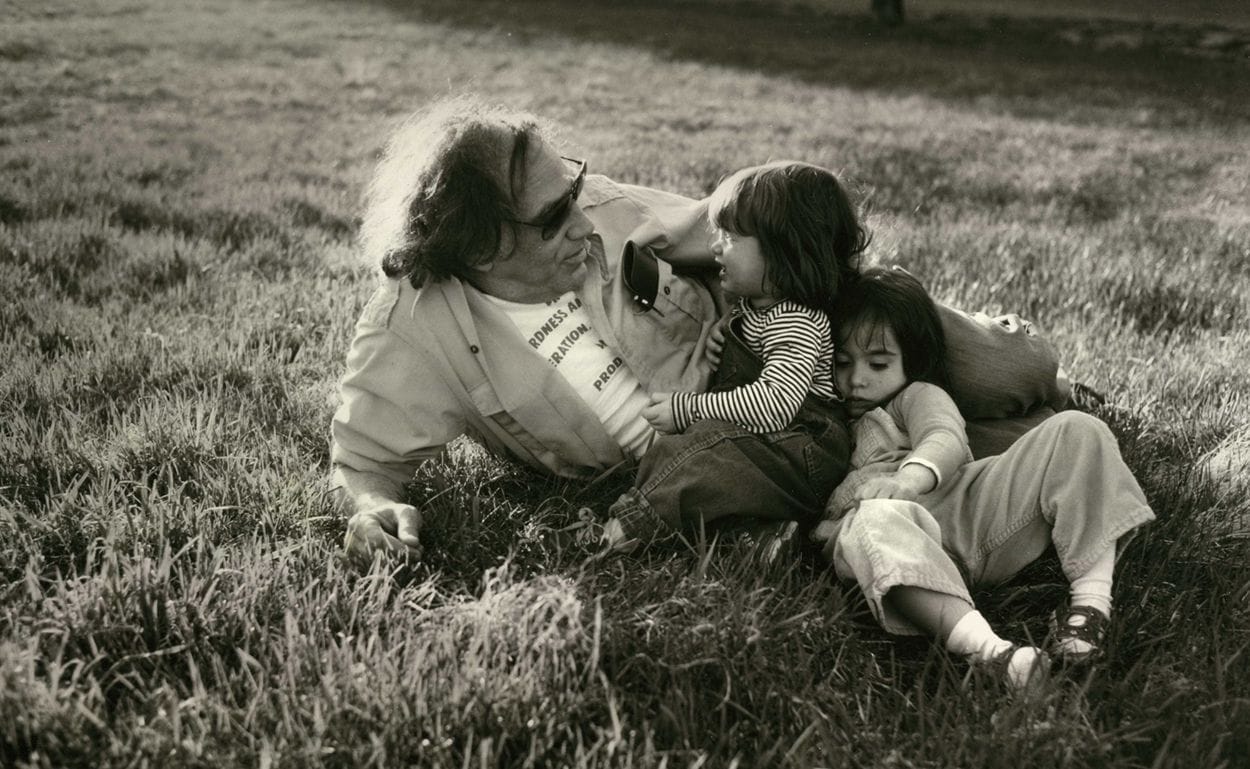
The film finds the origins of Kunstler’s anti-establishment rage for justice in his wounding by bayonet in WWII’s Pacific theater.
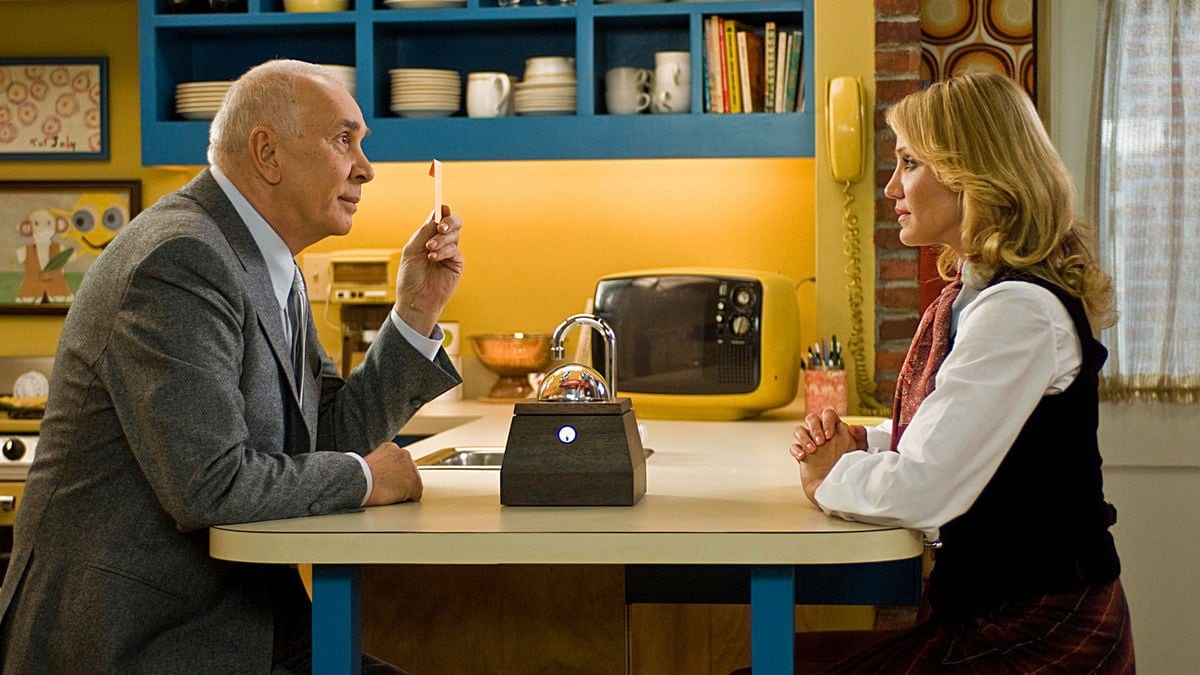
The sticking point for The Box is how well it succeeds as Richard Kelly’s version of a mainstream, commercially viable bit of speculative fiction.

Gene Wilder is, of course, the reason that most people think they like this movie.