On the occasion of Spider-Man: Brand New Day’s release, we ranked all the films in the MCU.

On the occasion of Spider-Man: Brand New Day’s release, we ranked all the films in the MCU.
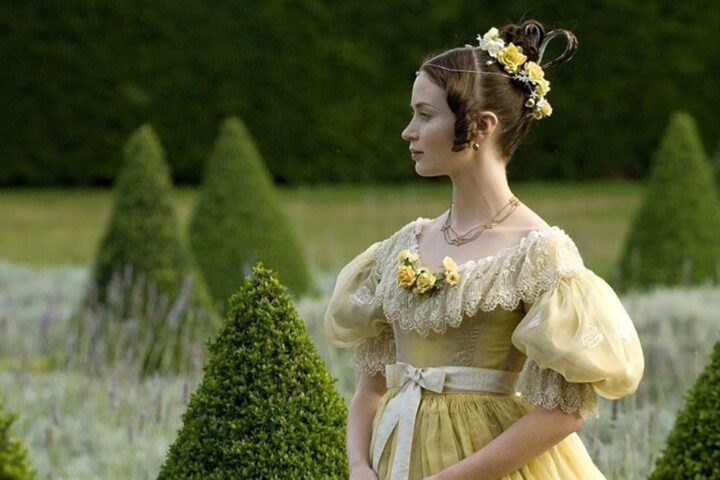
The film’s vapid fluffiness makes the similarly frou-frou but ultimately more politically considerate Marie Antoinette difficult to hastily dismiss.

The film posits an endlessly malleable universe whose objects can be remade nearly as fast as they’re destroyed.
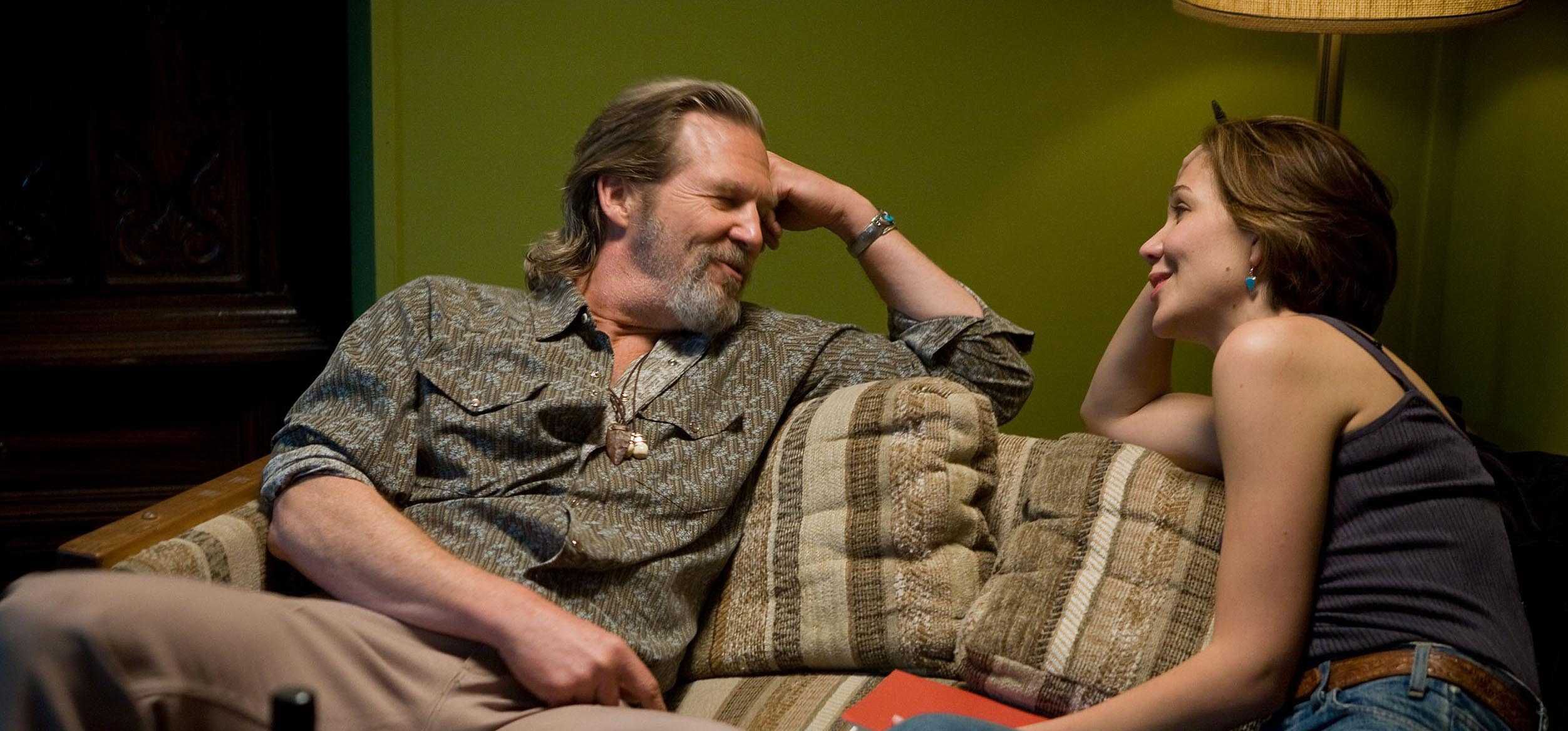
So long as it’s moseying along without a clear sense of direction, the film exudes a laidback, ’70s-cinema character-study coolness.
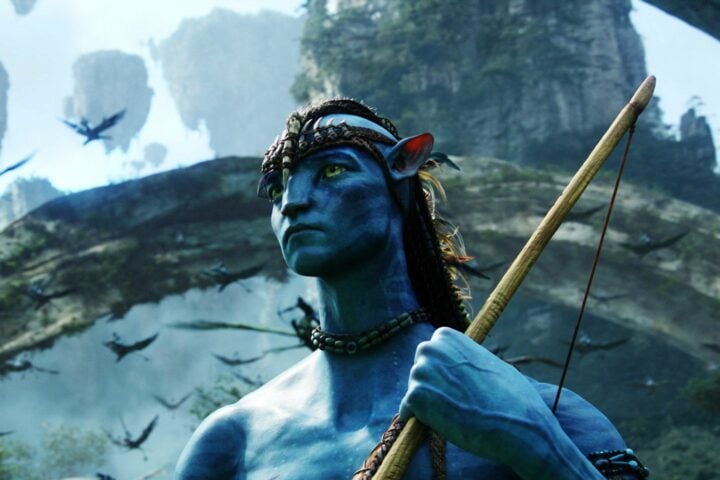
Avatar is a steroidal hodgepodge of been-there, done-that melodrama and paper-thin present-day allusions.
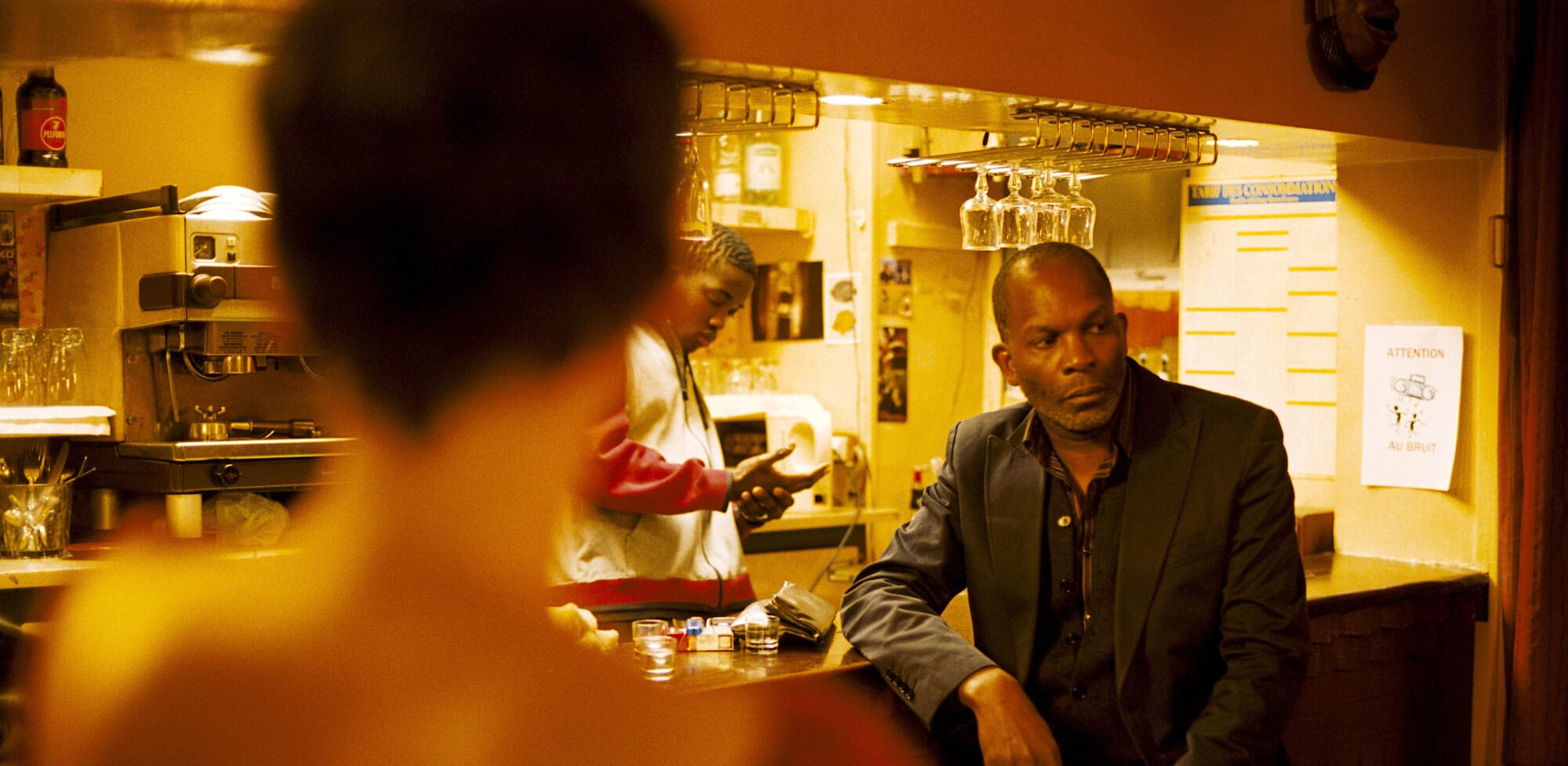
The year delivered a cinematic bounty for those intrepid enough to venture outside their staid megaplex comfort zones.
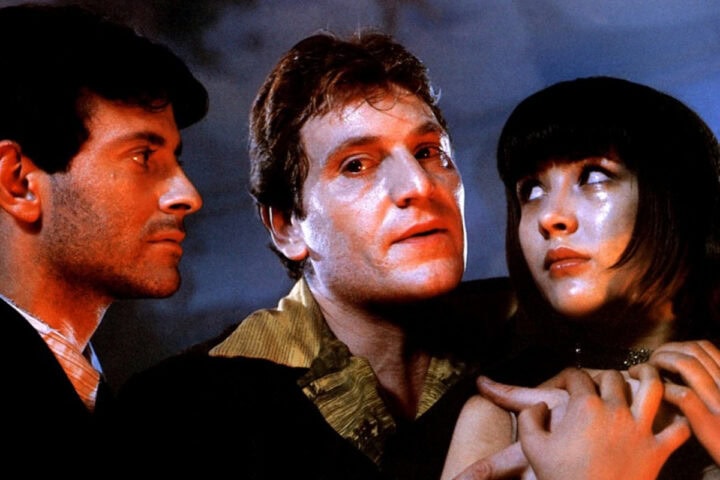
One has to be adventurous and willing to ride the wave of satire, allusion, loquacity, and the stitched-togetherness of it all.
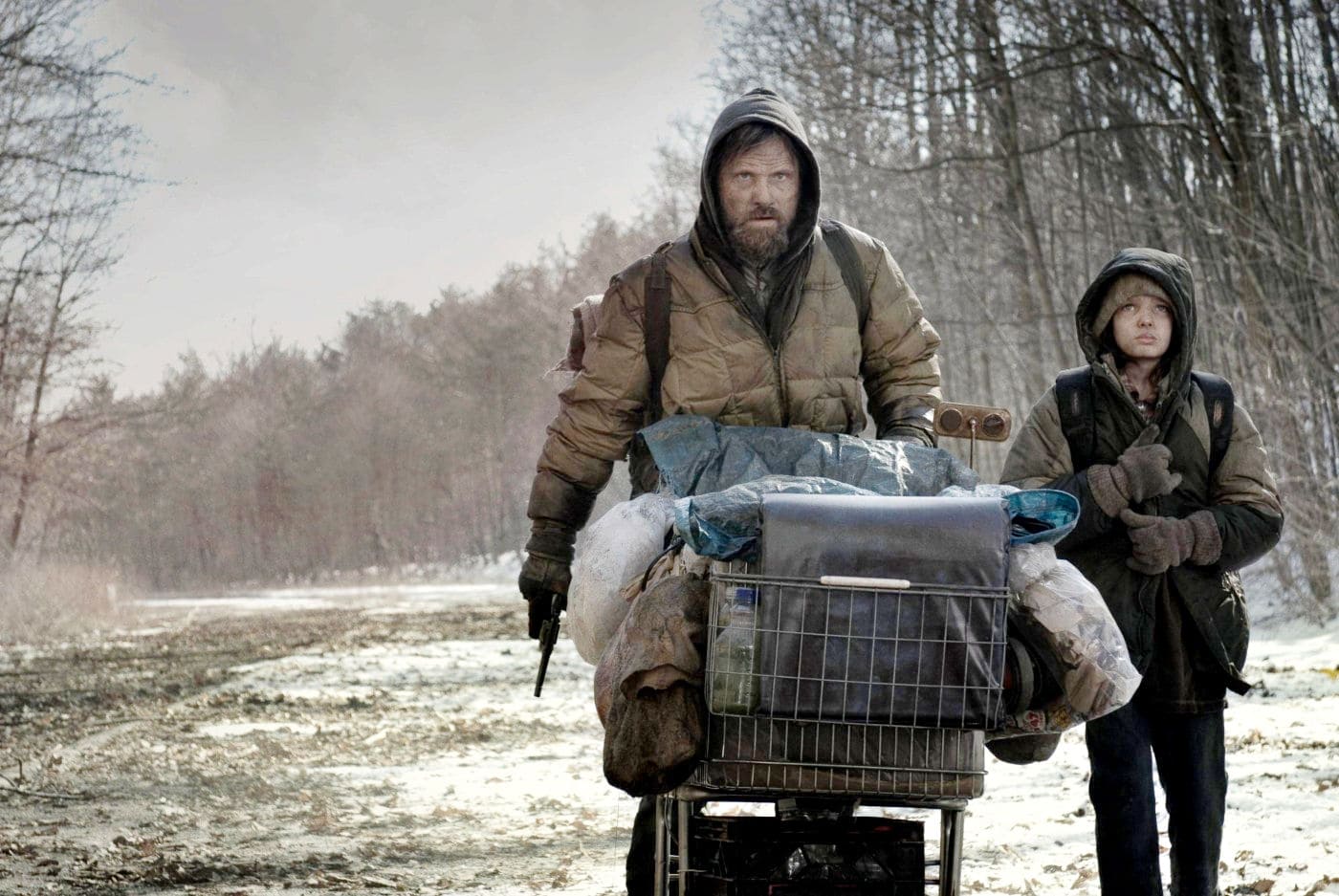
For the most part, I found myself almost mechanically checking off the major scenes as they happened.

The film plays most intriguingly as a curious meeting between simpatico but ultimately incompatible artists.
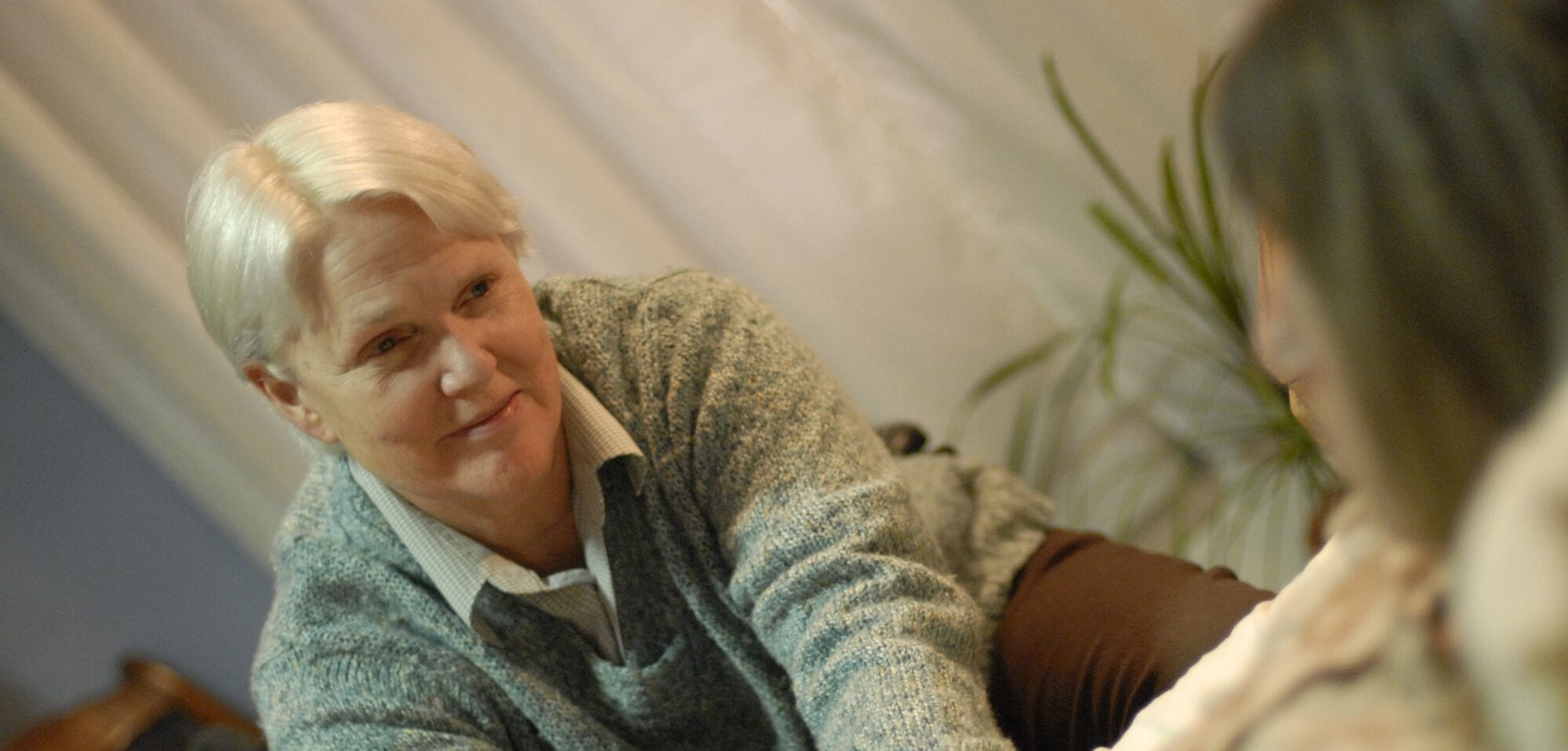
The film is a beautiful but stiltedly put-together tale of two women who love—and leave—each other throughout their entire lives.
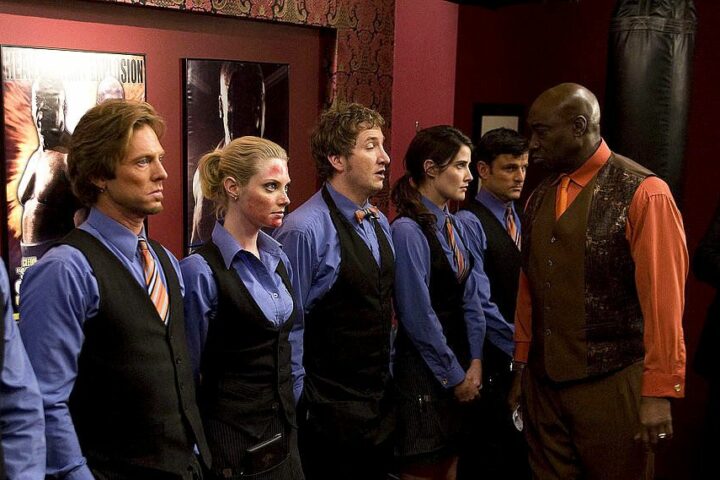
Slammin’ Salmon finds Broken Lizard’s approach calcifying into convention.
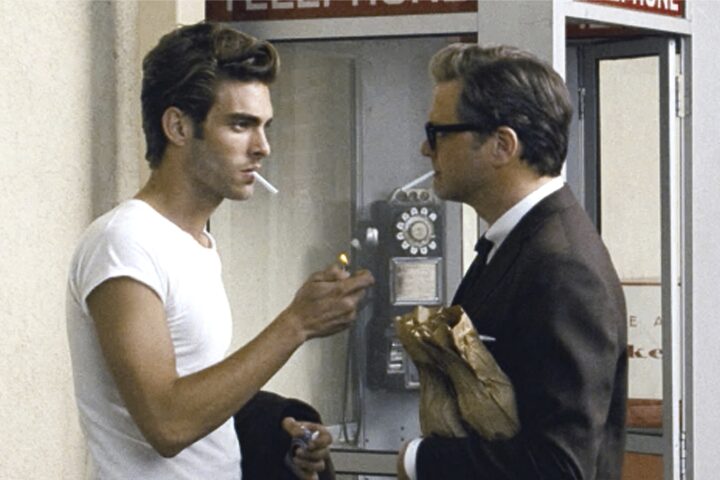
Fashion designer Tom Ford seems determined to err not on the side of caution, but on that of aesthetic overload instead.

Peter Jackson’s The Lovely Bones, like John Hillcoat’s The Road, is an interesting failure.
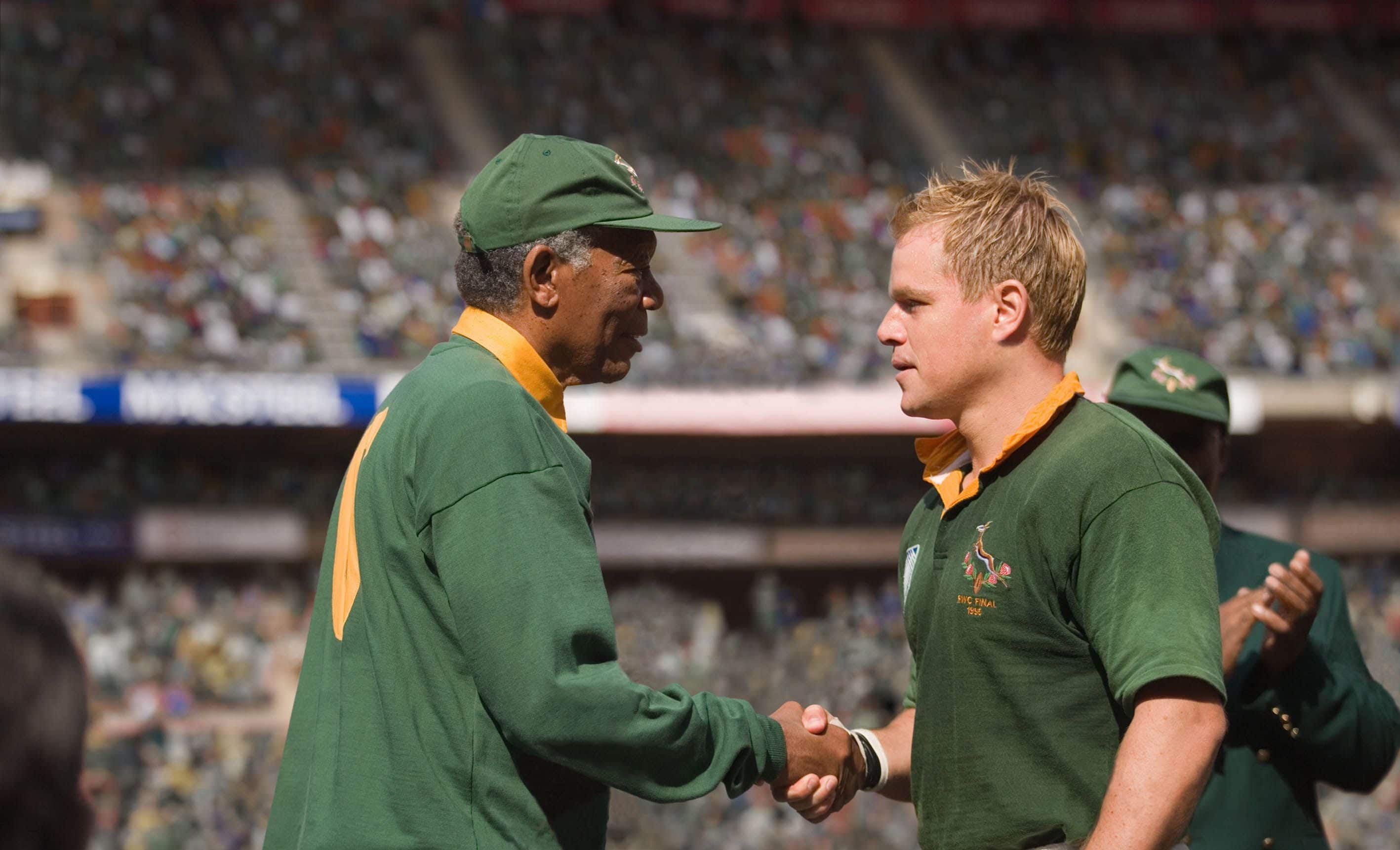
Throughout, stock plot tropes and moral messages are proffered with easy-to-read blandness.

Armored displays Nimrod Antal’s characteristic emphasis on his characters rather than the situations into which they’re thrust.

Jim Sheridan has a gift for capturing glimpses of unvarnished, authentic emotion, and his humanism runs so deep that it’s capable of elevating even standard-issue fare like Brothers.
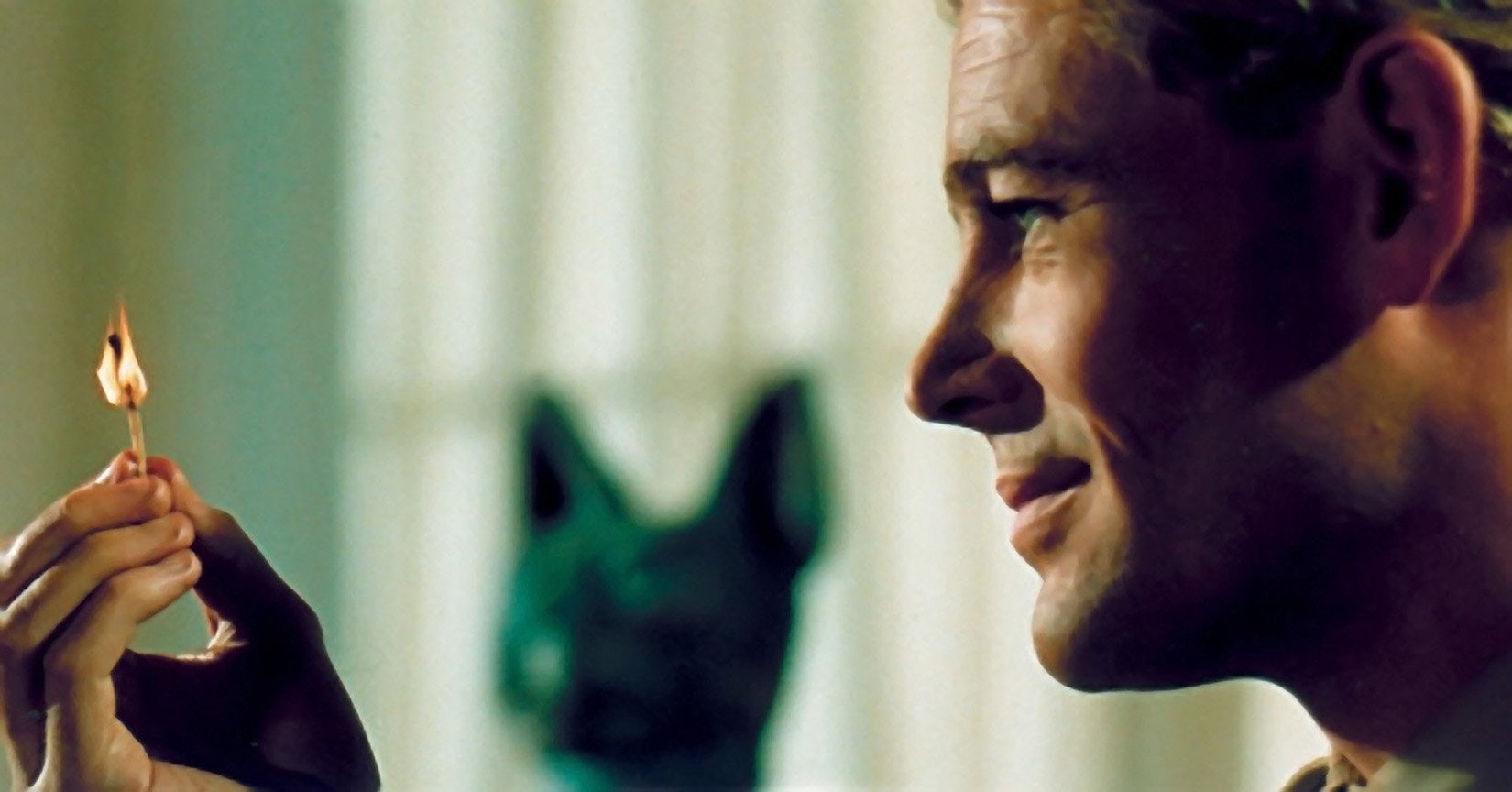
“It’s the pictures that got small.” Those words make up the second half of one of the most famous quotes in movie history.

I’m not sure how Mulholland Drive would look to me now that this decade is ending.
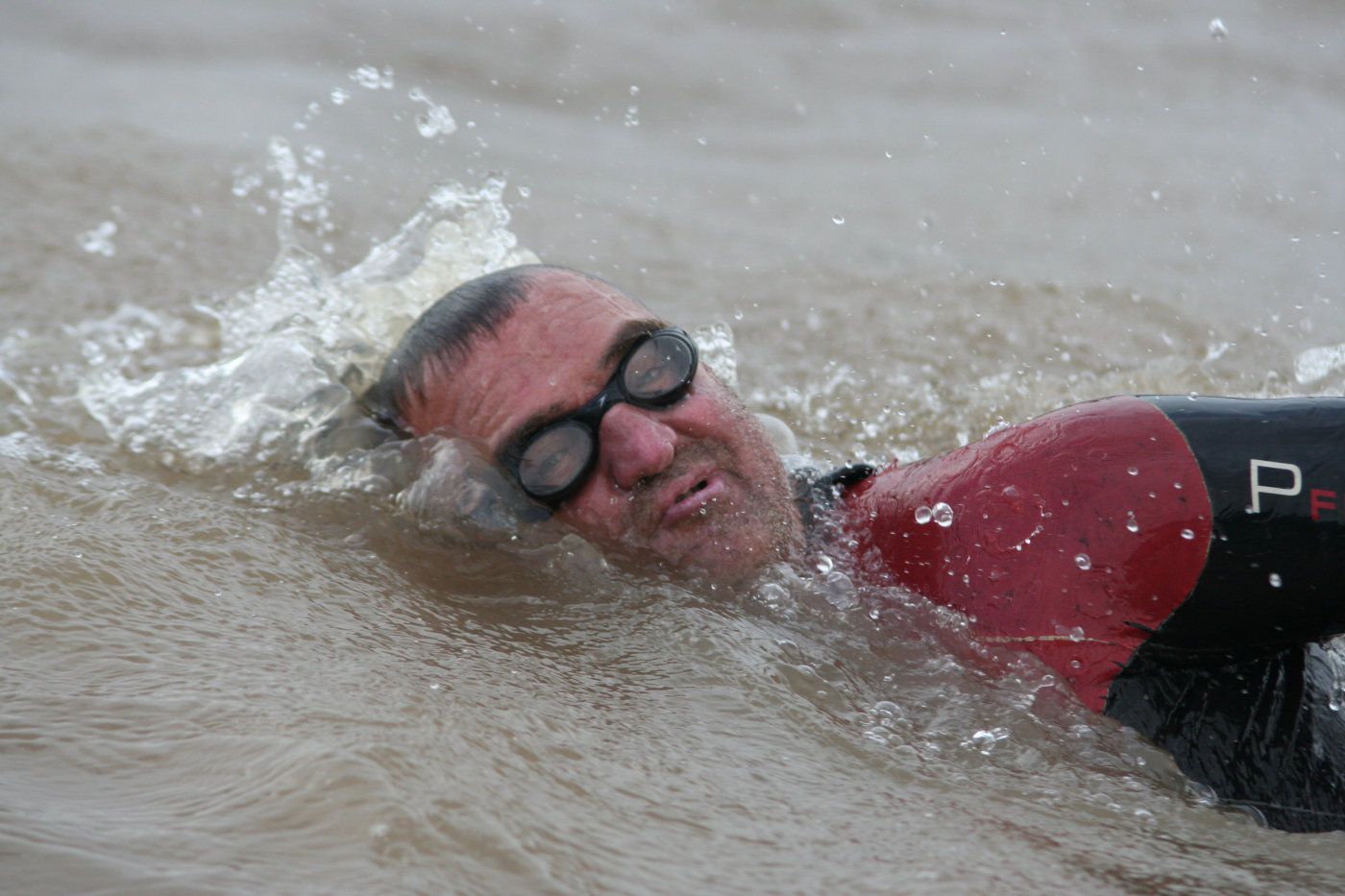
When it remembers that it needs to deliver its green message, Big River Man sometimes gets too didactic.
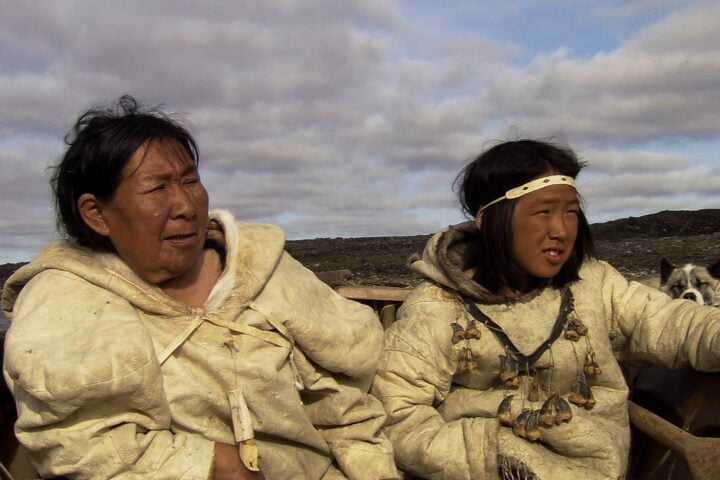
Before Tomorrow often attains the elemental power of fable.

What does the distancing effect of Lewis’s humor have to do with its sense of trauma?