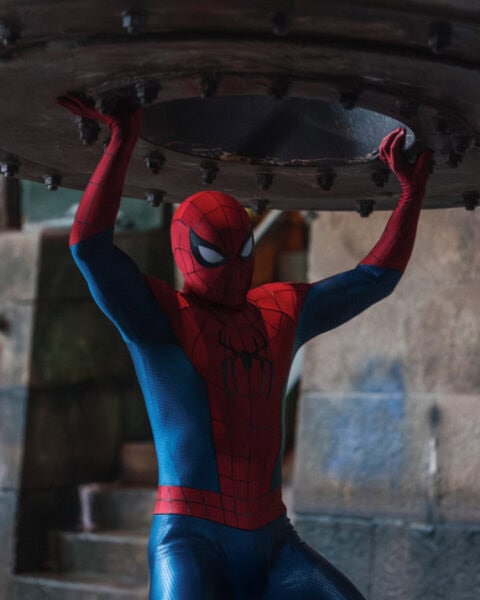
On the occasion of Spider-Man: Brand New Day’s release, we ranked all the films in the MCU.
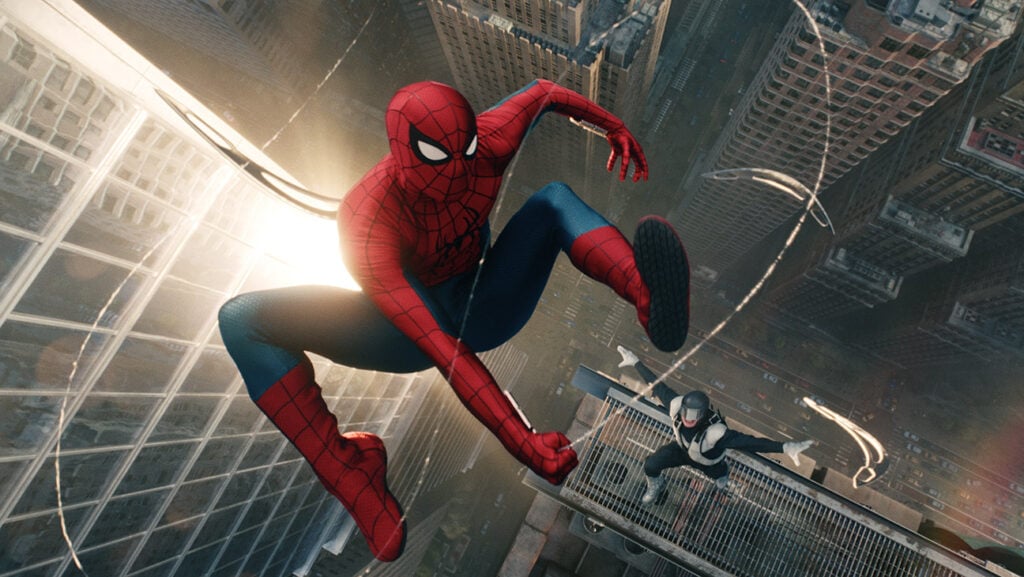

On the occasion of Spider-Man: Brand New Day’s release, we ranked all the films in the MCU.
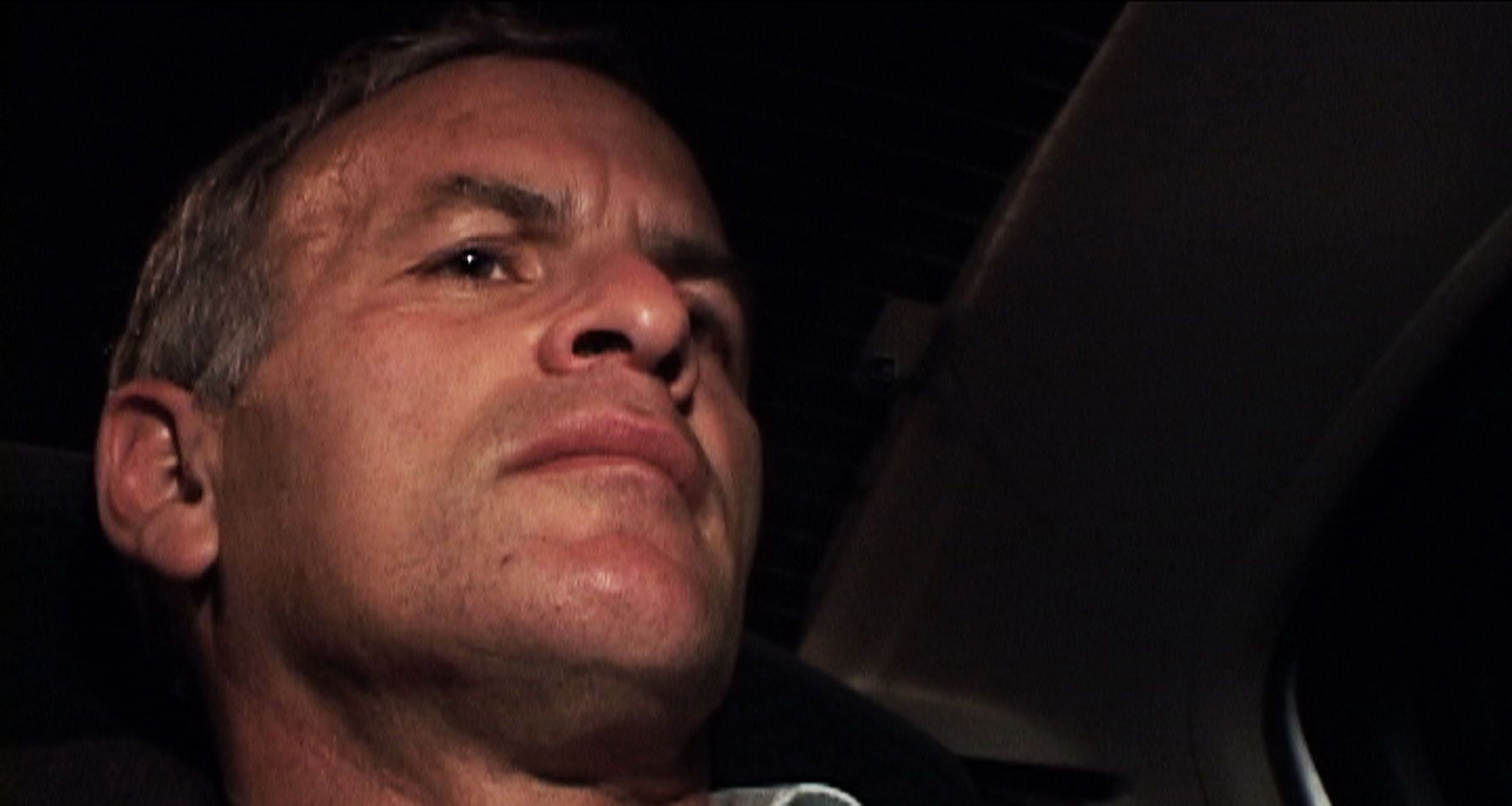
Even for those likely to be sympathetic to his point of view, Norman Finkelstein can be a difficult figure to embrace.

This is a film ostensibly about working-class American issues but utterly lacking the concern for triumph or failure that would evince social relevance.
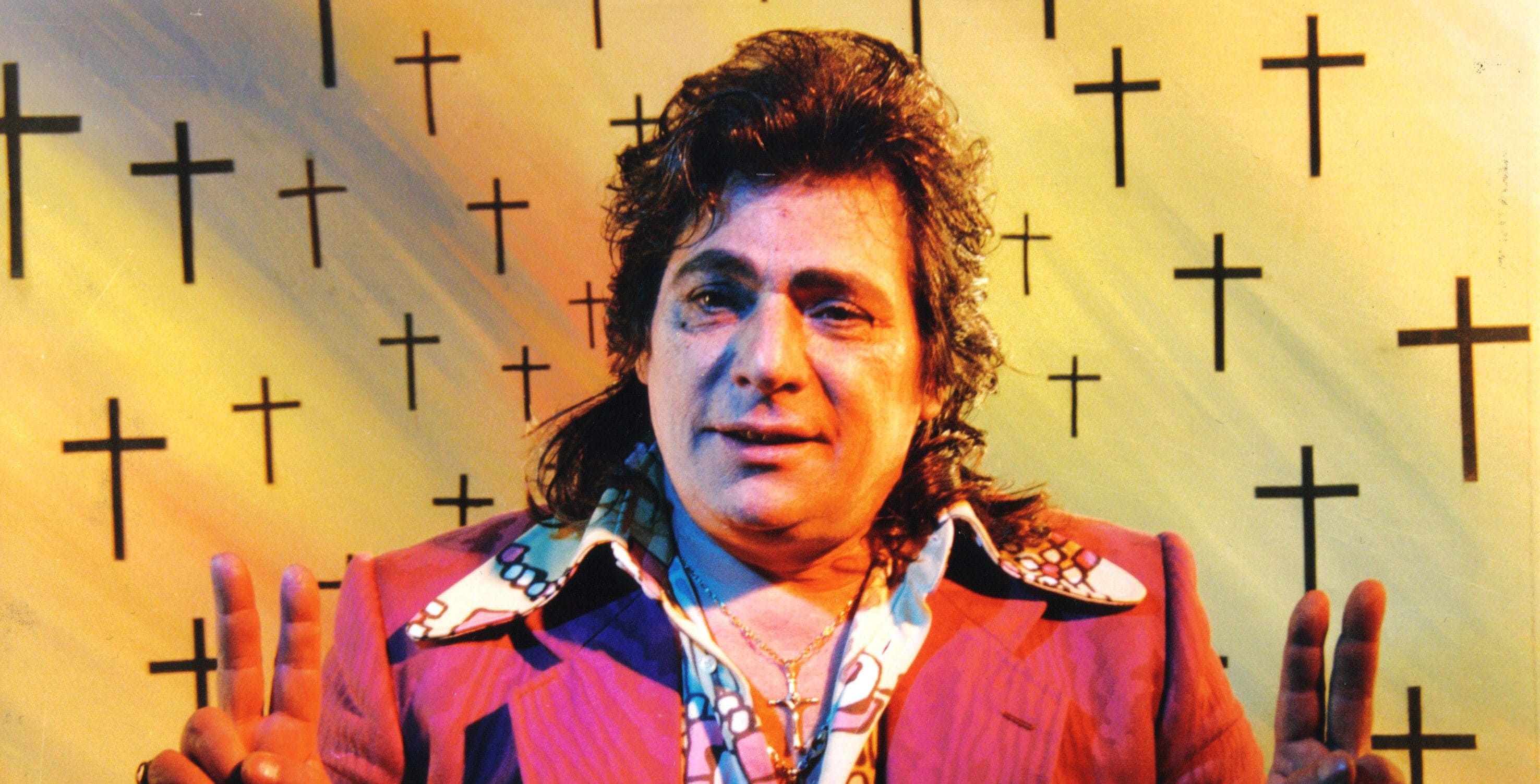
Like satirical dynamite missing its detonator, To Die for Tano is a dud.

Erik Gandini’s documentary is a stylized, scattershot inquiry into Italy’s TV-dominated culture.

Auteurist artistry and genre craftsmanship remain vital filmmaking avenues throughout the decade.

Who is to blame? Everyone. Parents, religious leaders, social leaders, all let down the side, and with relentless vigor.

Nobody makes it out of the film looking good, but that’s clearly not the point.

As midwinter sudsers go, you could do a lot worse than Dear John.
In the mid-’90s, the Hollywood blockbuster was forced to take a backseat.
These are the nominees for the 82nd Academy Awards.

This filmic essay on the aftermath of the Yom Kippur War finds Susan Sontag toying with audio-visual cues and narrative irony in ineloquent if occasionally endearing ways.
In short, not so much the People’s Choice Awards, just more of the same.

Unfortunately, I had to make my escape from Noir City after Friday’s showing of Slattery’s Hurricane, so I missed the final two days of the festival.
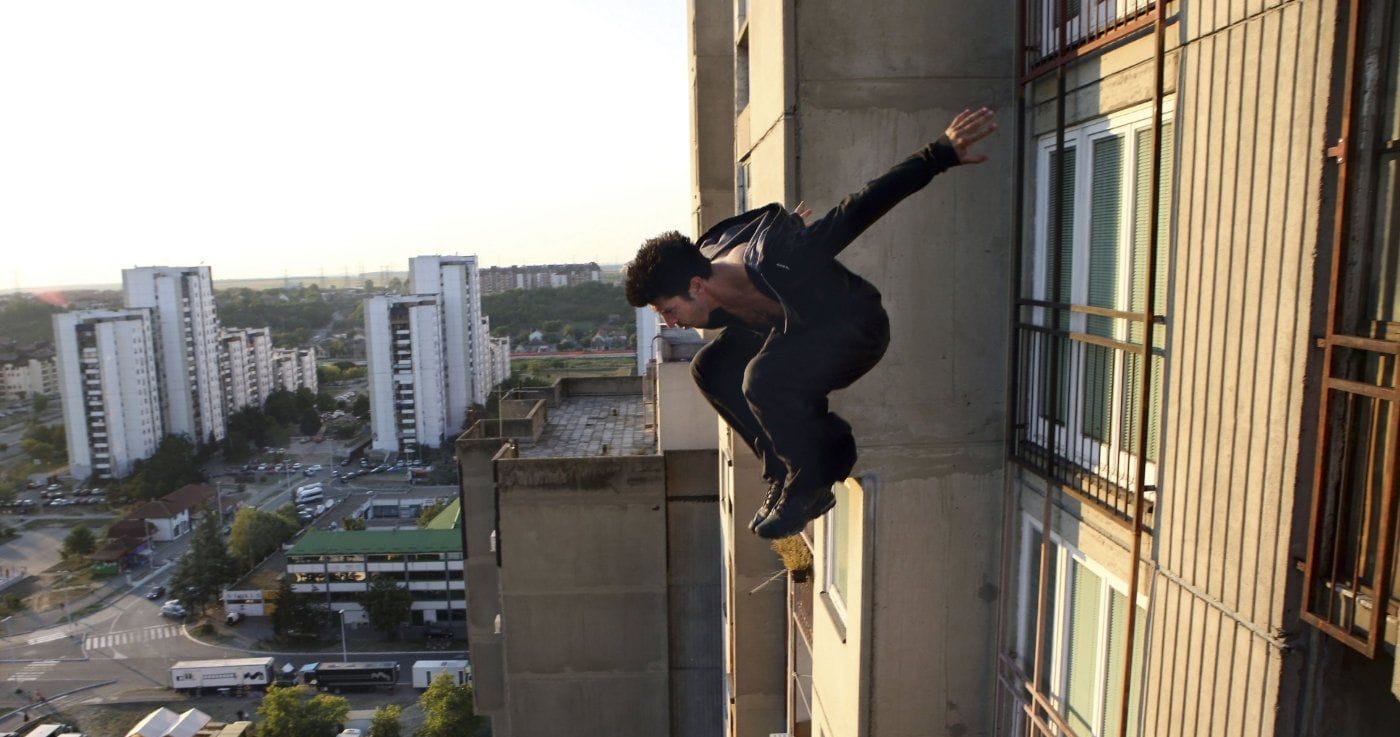
It exhibits a visceral lucidity born from longer takes and spatially coherent editing that allow one to logically follow the frenetic fisticuffs.

Detail and specificity of setting will only take you so far.

The title is ironic, as Paris is transformed from City of Love to City of Bloodlust, and it portends a series of role reversals scattered throughout the film.
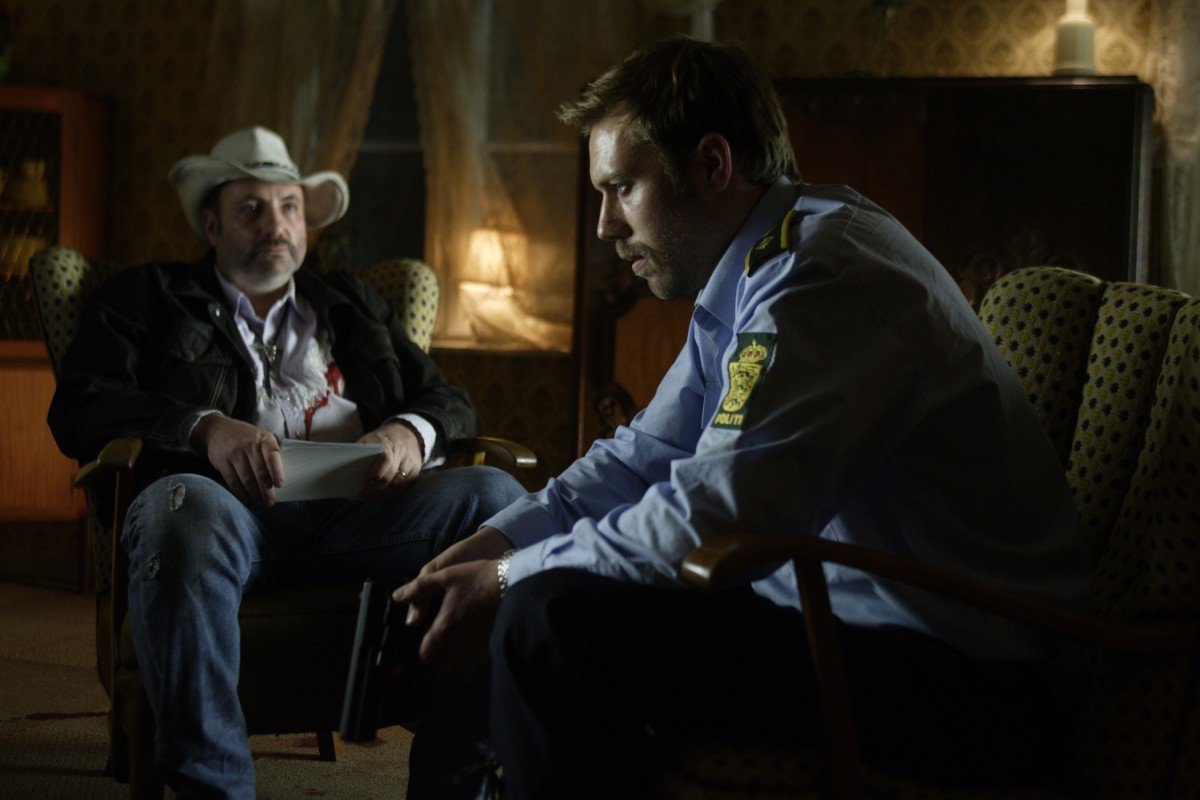
Only a running strand of low-fi humor, including a late Wild West-style beer-drinking showdown that nearly saves the day, keeps the project afloat.

The director category is starting to feel like an anniversary party we’re not sure we want to go to anymore.
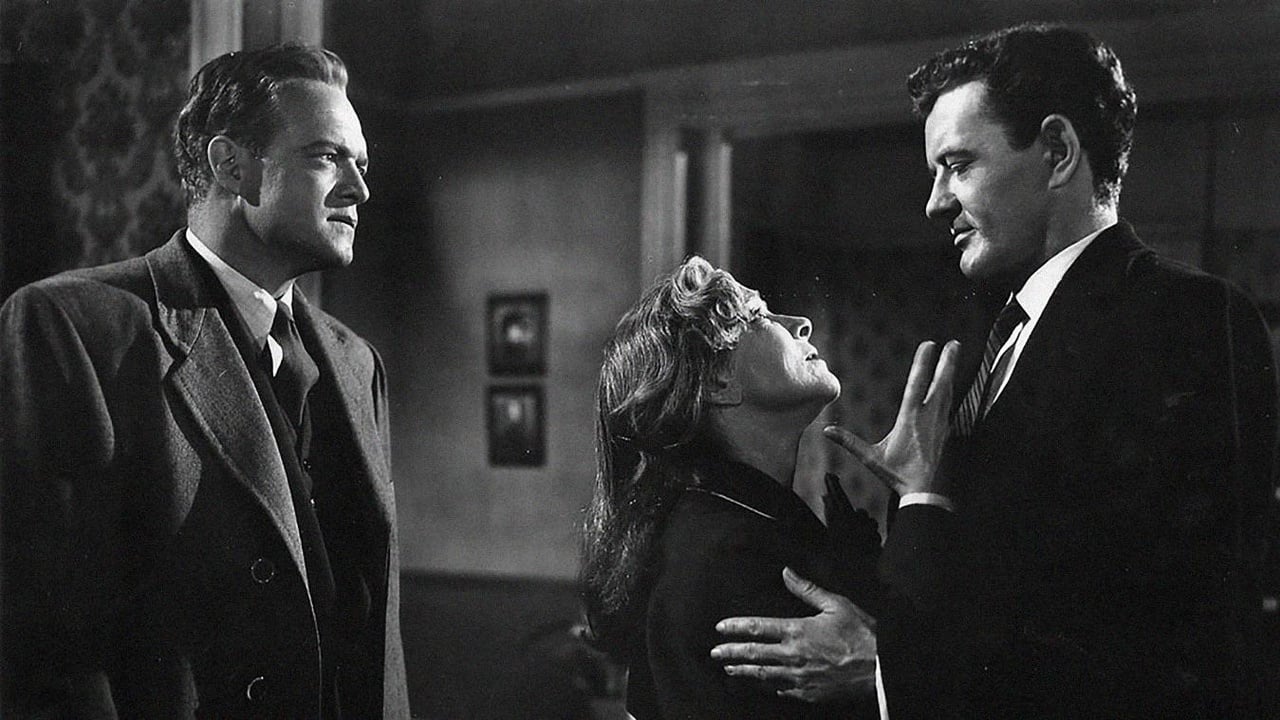
When a great director goes wrong, they usually don’t go wrong in a small way.

Andrea Arnold’s second feature is the heir to a long-standing British tradition of kitchen-sink realism