The film puts too many elements into play, which means it ends up darting hopelessly between a series of underdeveloped storylines.



Jesse Cataldo hails from Brooklyn, where he spends his time writing all kinds of things, preparing elaborate sandwiches, and hopelessly trying to whittle down his Netflix queue.
The film puts too many elements into play, which means it ends up darting hopelessly between a series of underdeveloped storylines.

A sparely staged version of a play already pared down to basic theatrical elements, the film defines Manoel de Oliveira’s late period.

A Long Way to the Beginning represents Kuti’s first effort to push Egypt 80 in a new, modern direction.

…And Then You Shoot Your Cousin is an album whose sole focus is reportage, with no individual aspirational narrative to disguise the ugliness.

Albarn decisively enters his old-man phase, delivering a depressive jeremiad on the sorry state of our tech-obsessed culture.

A redux of Myth of the American Sleepover, an equally evocative tale of longing that was far more successful at matching teen tropes with atmospheric naturalism.

After years of respectable filmmaking, it’s refreshing to witness a reinvigorated Roman Polanski willing to once again delve deep into seedy psychodrama.

Kelly Reichardt’s Night Moves reveals the dark core contained within an actor’s nice-guy neuroticism.
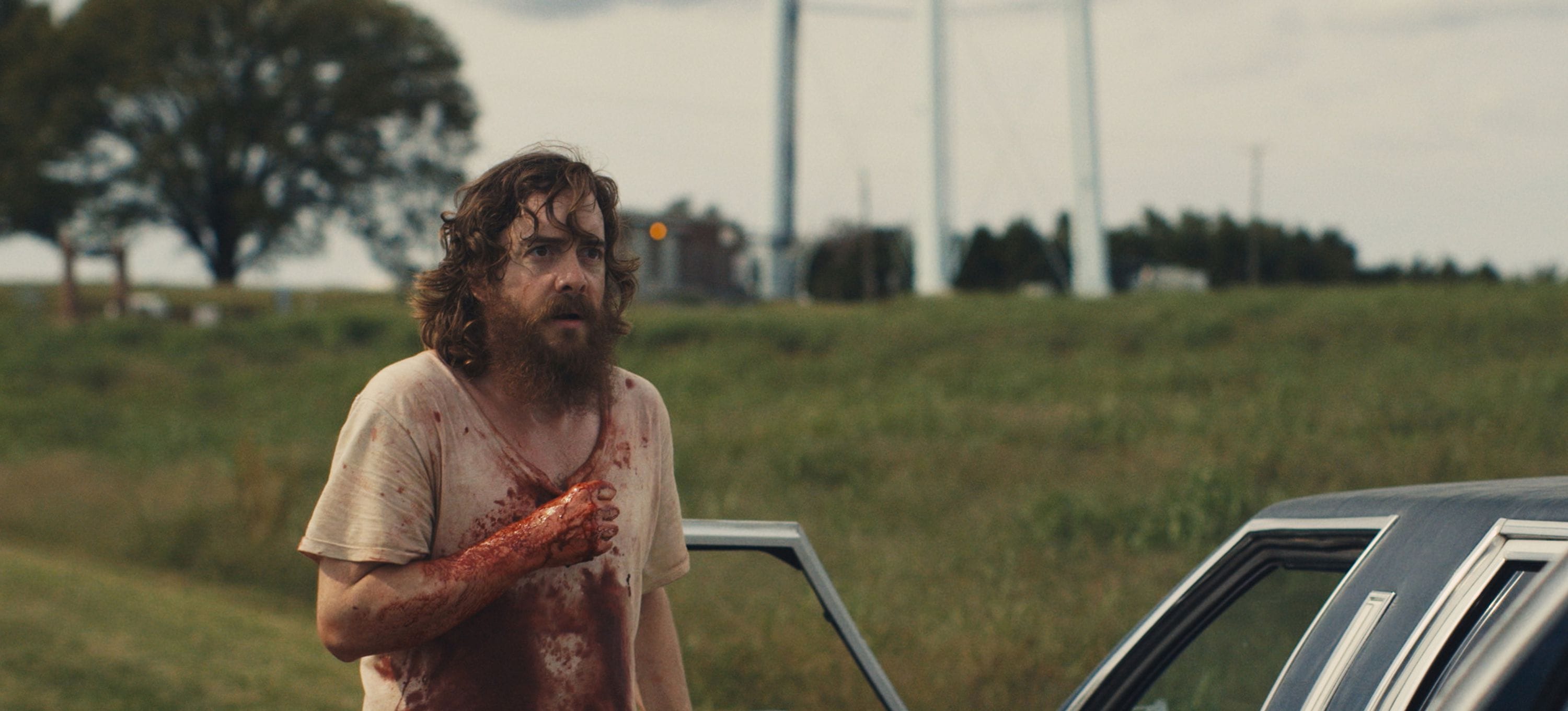
By reducing its principals to stock figures in an extended chess game, it ends up providing steady, neatly staged thrills, but little else of substance.

Keith Miller’s film places a familiar crime narrative in an ethnographic context, melding fact and fiction into an often-jagged combination.

Here and Nowhere Else is defined by the sound of raw energy giving way to coherence and control.

Gareth Evans’s film rarely puts its combat in any context; it’s all showy viscera, no ballet, and wan attempts at the gravity of something like Johnnie To’s Drug War.

Mess may be Liars’ darkest album, which is saying a lot for a band so well versed in cultic, gloomy theatrics.

True to its title, the film approaches death as both narrative endpoint and formal focus.
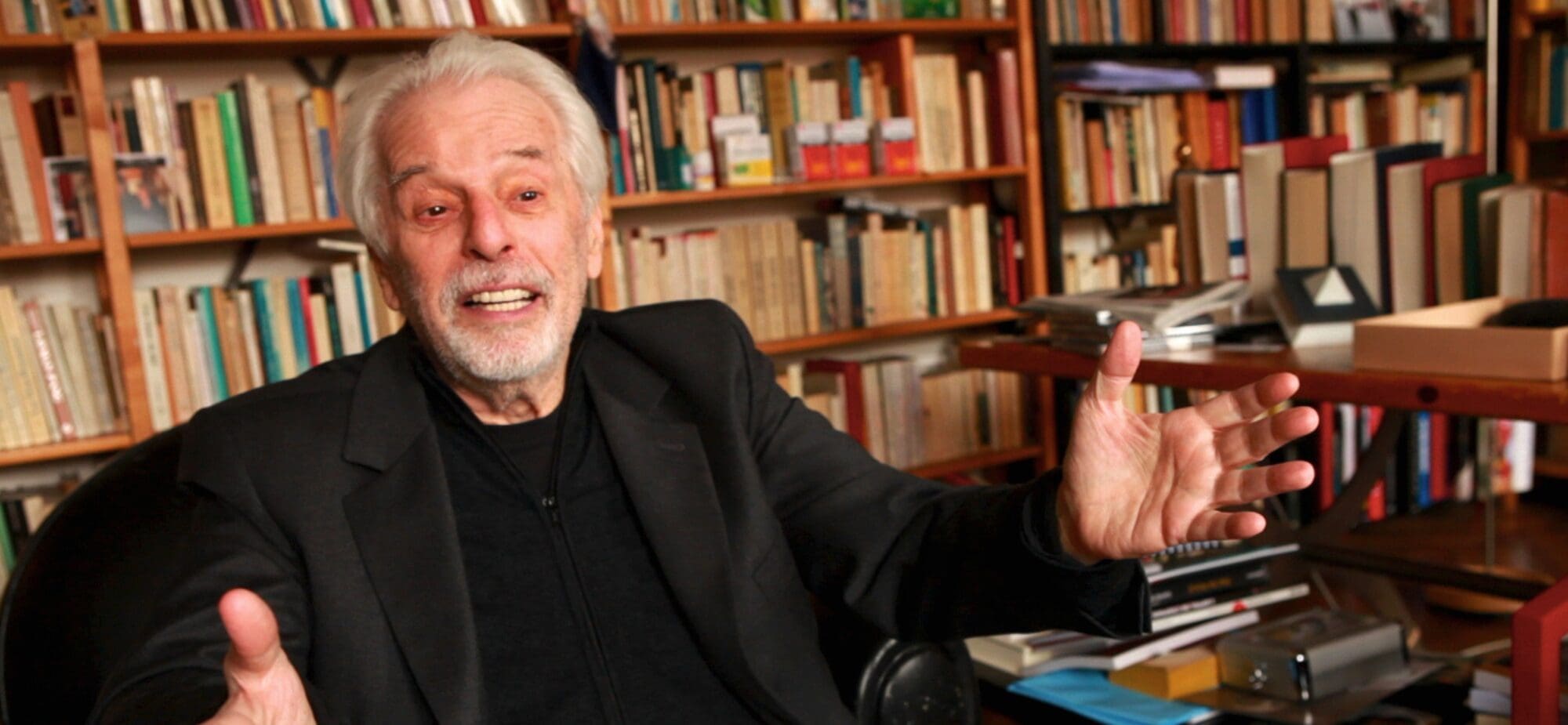
This is a fanboy movie, and this particular project does a pretty fantastic job of stirring up enthusiasm.

Jake Gyllenhaal embodies the two roles with real presence, establishing Adam’s sniveling wimp and Anthony’s striding jerk as two believably discrete sides of the same coin.

Mastermind often feels like the hip-hop equivalent of a commemorative march for a triumphant ruler.

It gives us a series of images that, free from definitive context, form a new reality of their own, a small composite portrait of previously untold stories.
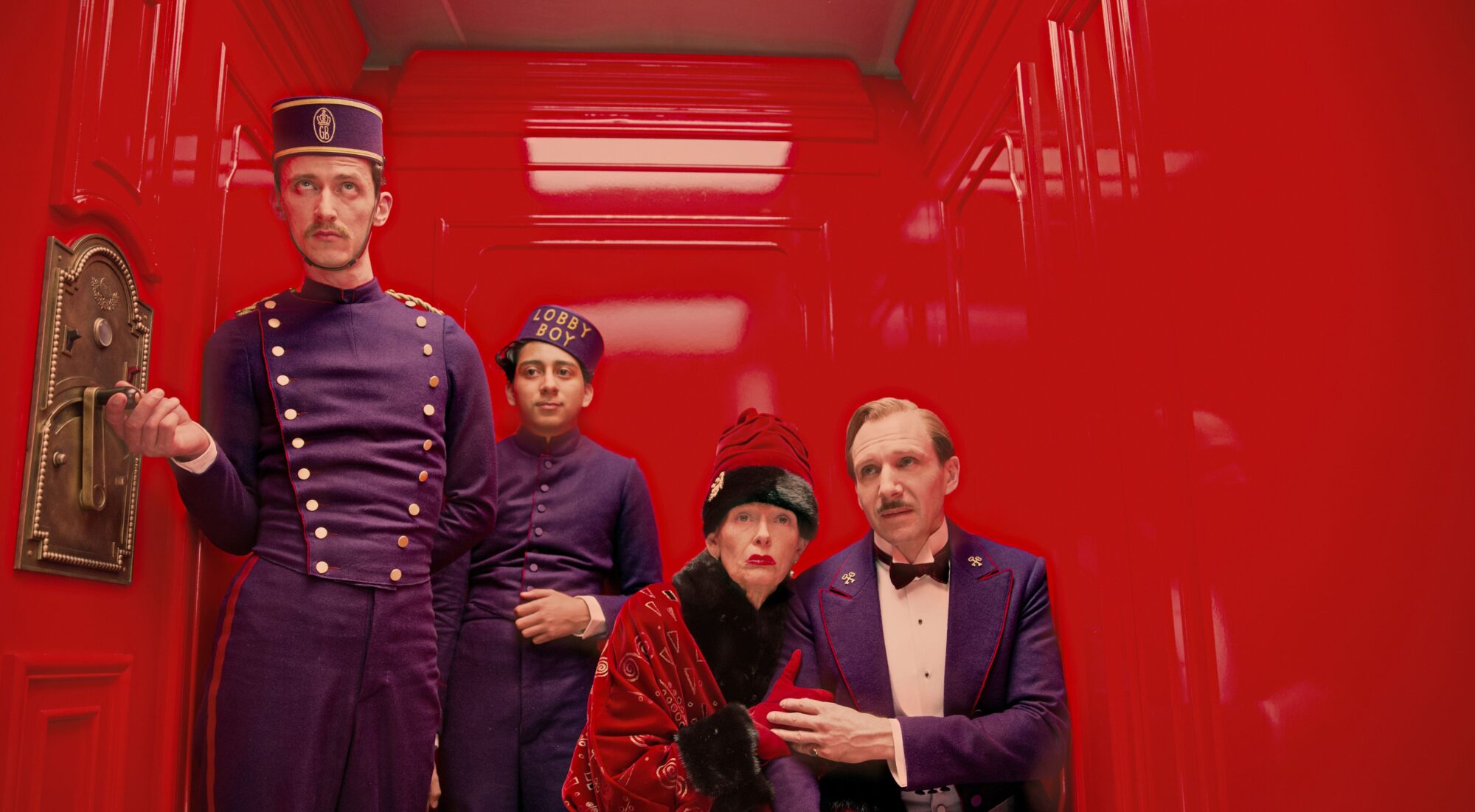
As always, Wes Anderson places his trademark precision in direct confrontation with the chaos and confusion menacing his characters.

The subtext of St. Vincent is the formation of identity in the face of crisis.