“Cookies and Apple Juice” mixes the filthy and the infantile, typifying an album whose strange humor makes even rote topics seem somewhat fresh.



Jesse Cataldo hails from Brooklyn, where he spends his time writing all kinds of things, preparing elaborate sandwiches, and hopelessly trying to whittle down his Netflix queue.
“Cookies and Apple Juice” mixes the filthy and the infantile, typifying an album whose strange humor makes even rote topics seem somewhat fresh.

Annie Clark’s voice affixes a tight lynchpin to the album’s broadly creative themes, leaving it glistening with ghostly elegance.
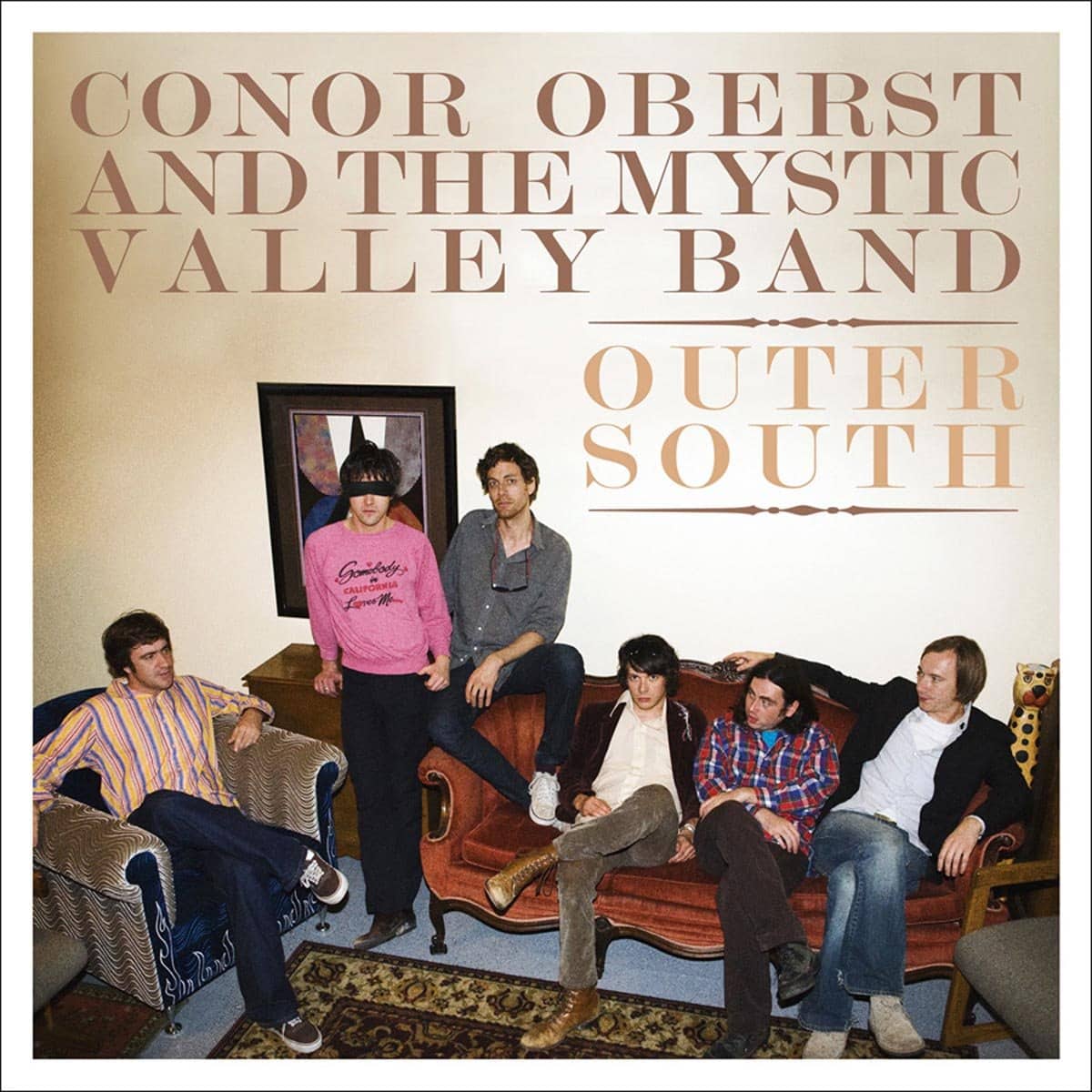
This album, beyond the exotic Mexican-vacation aura, amounts to little more than some jovial messing around in the desert.

A laidback, playful exploration in regional sound, Allen Toussaint’s The Bright Mississippi draws jazz back to its roots.
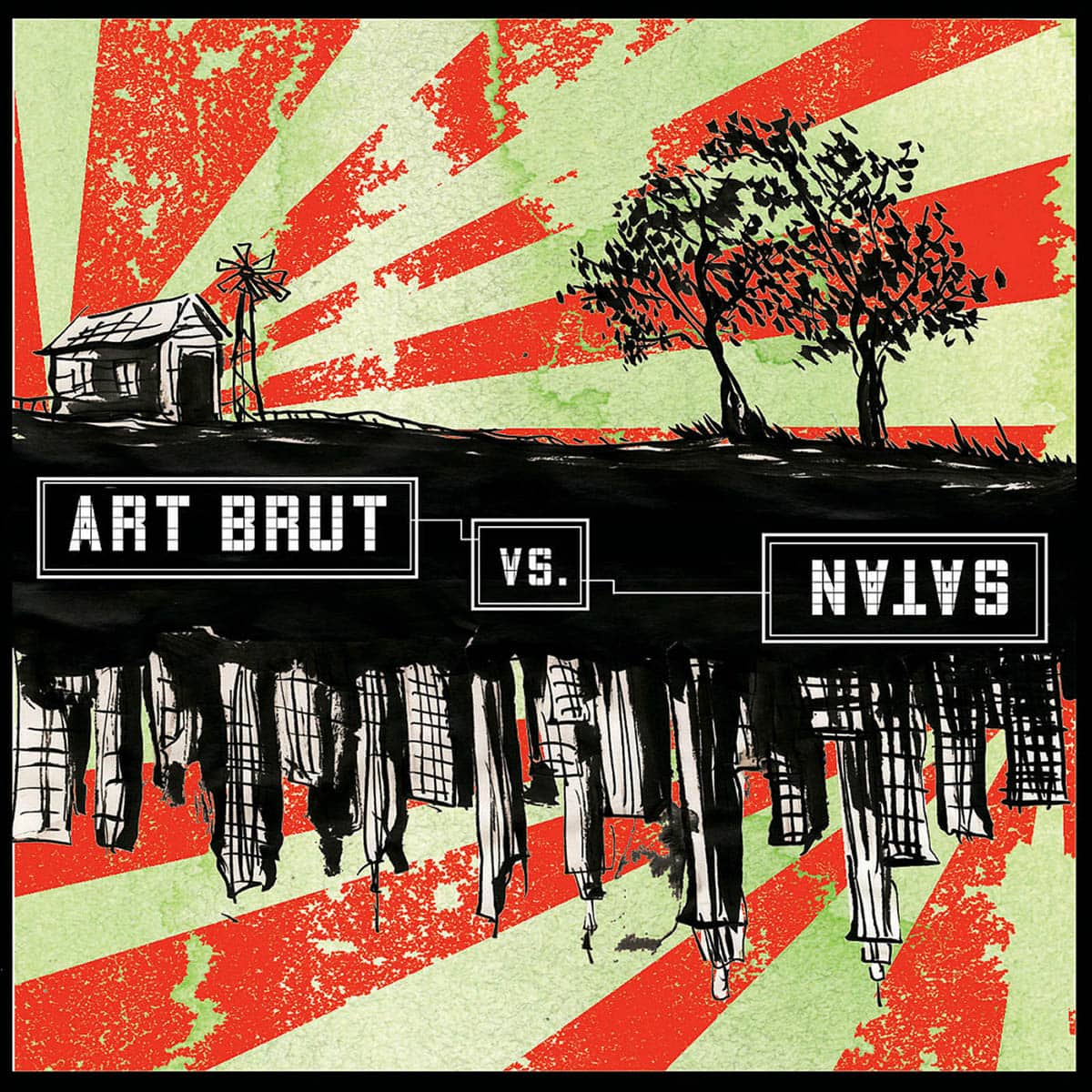
Art Brut vs. Satan operates in the same mode as the band’s last two albums.
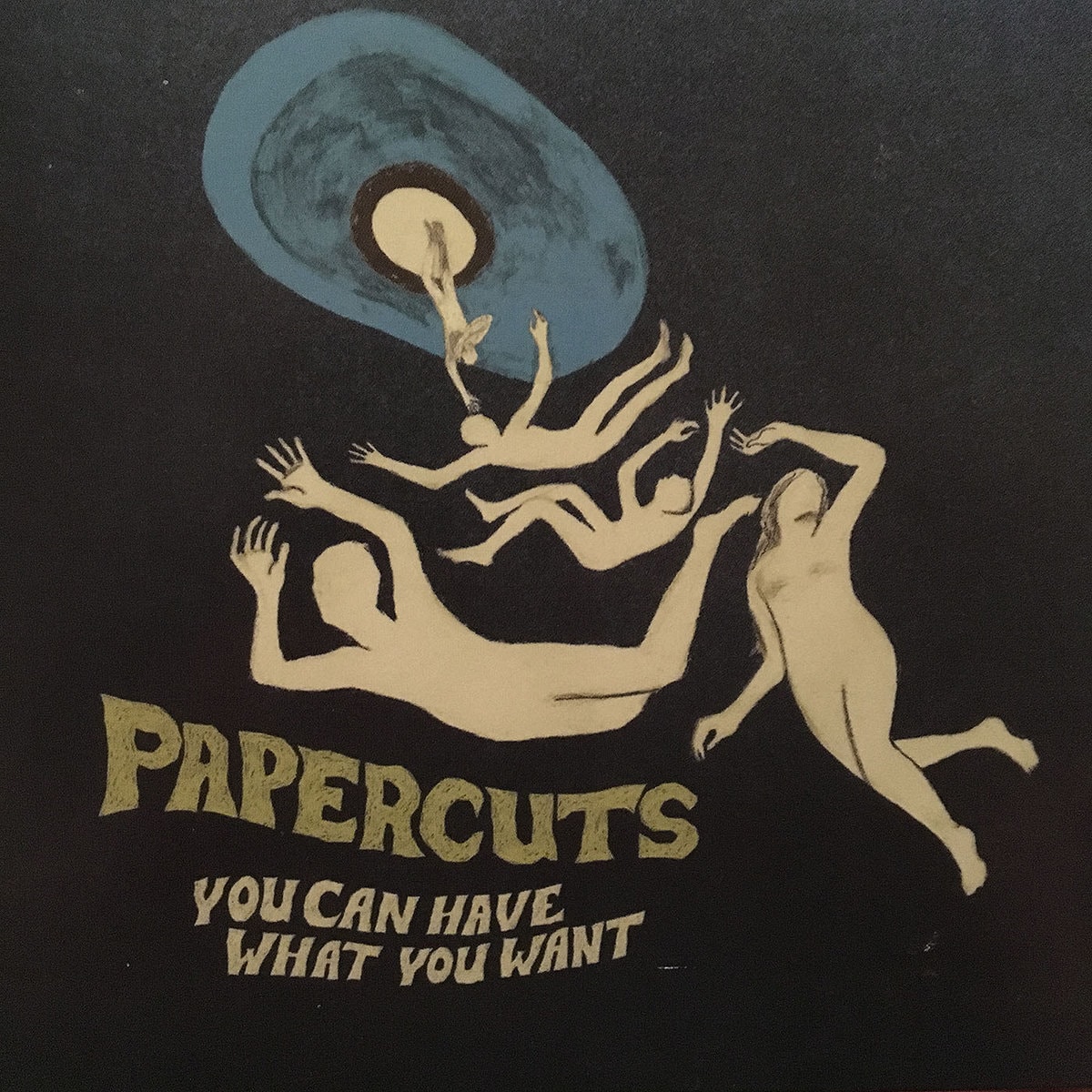
Floating along on a muttery wave of gelid, slushy demi-pop, Papercuts’s You Can Have What You Want should raise few eyebrows.
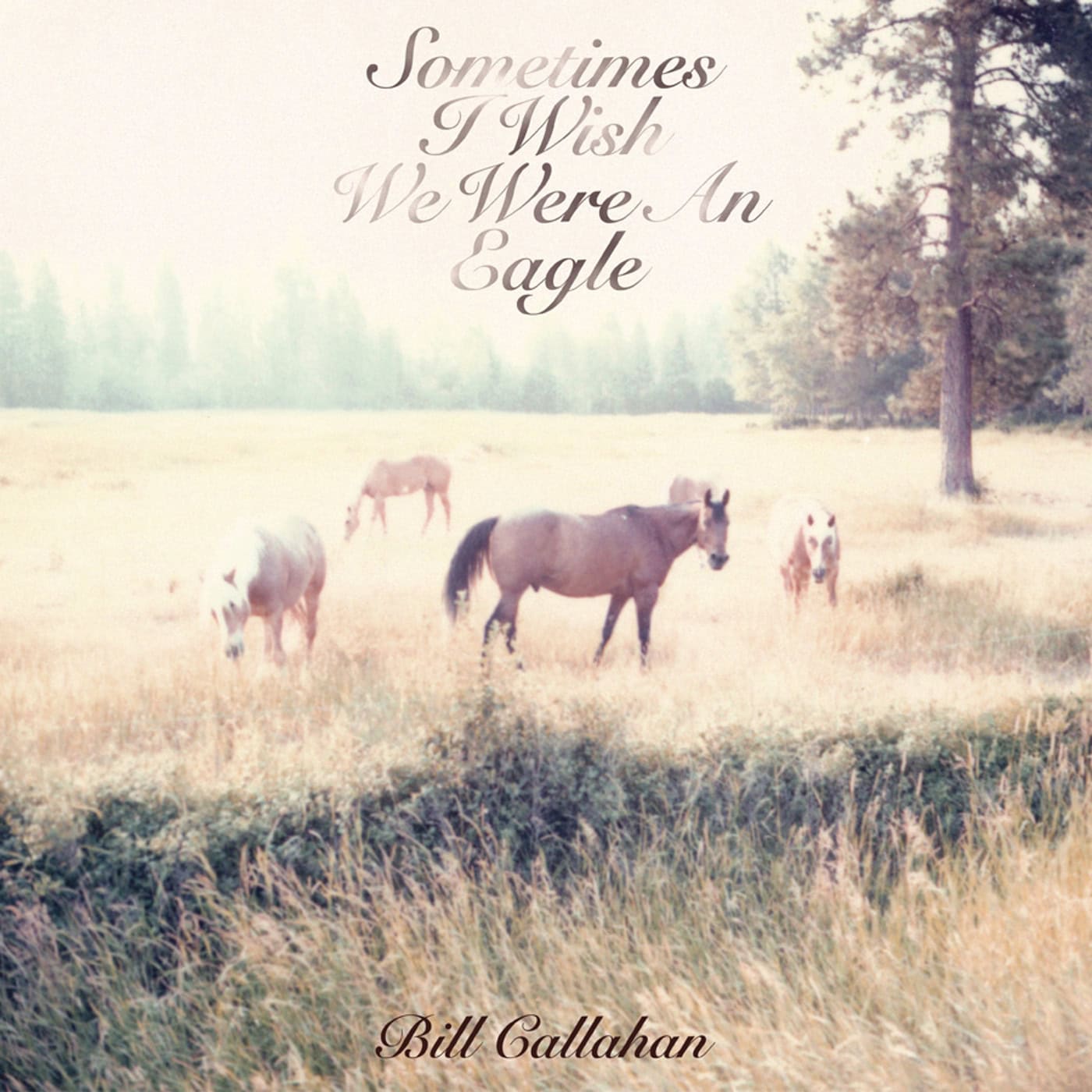
Sometimes I Wish We Were an Eagle once again proves Bill Callahan to be as ageless as the forest.
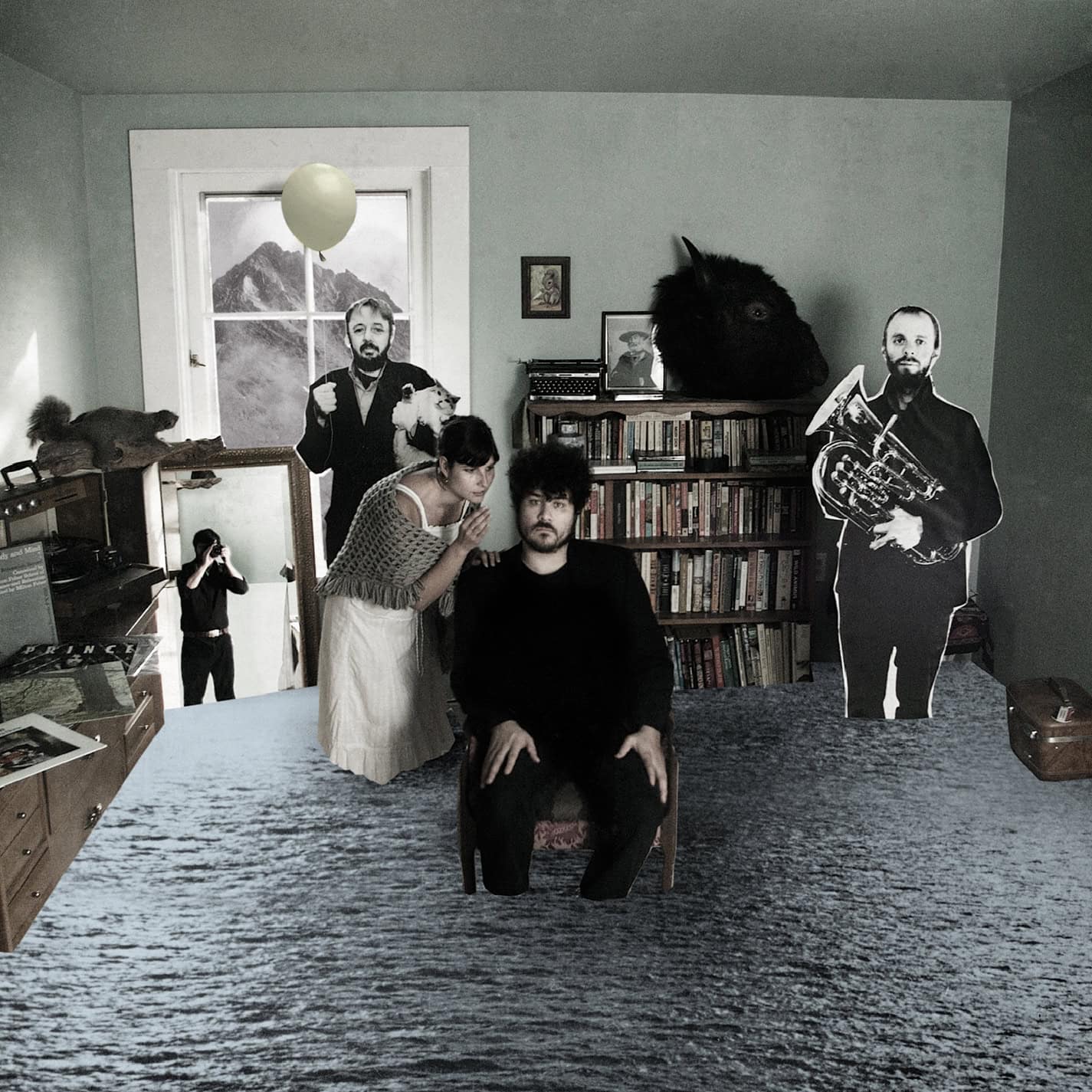
Spry and creatively unmoored, Richard Swift’s The Atlantic Ocean breathes life into boilerplate piano-man song structures.
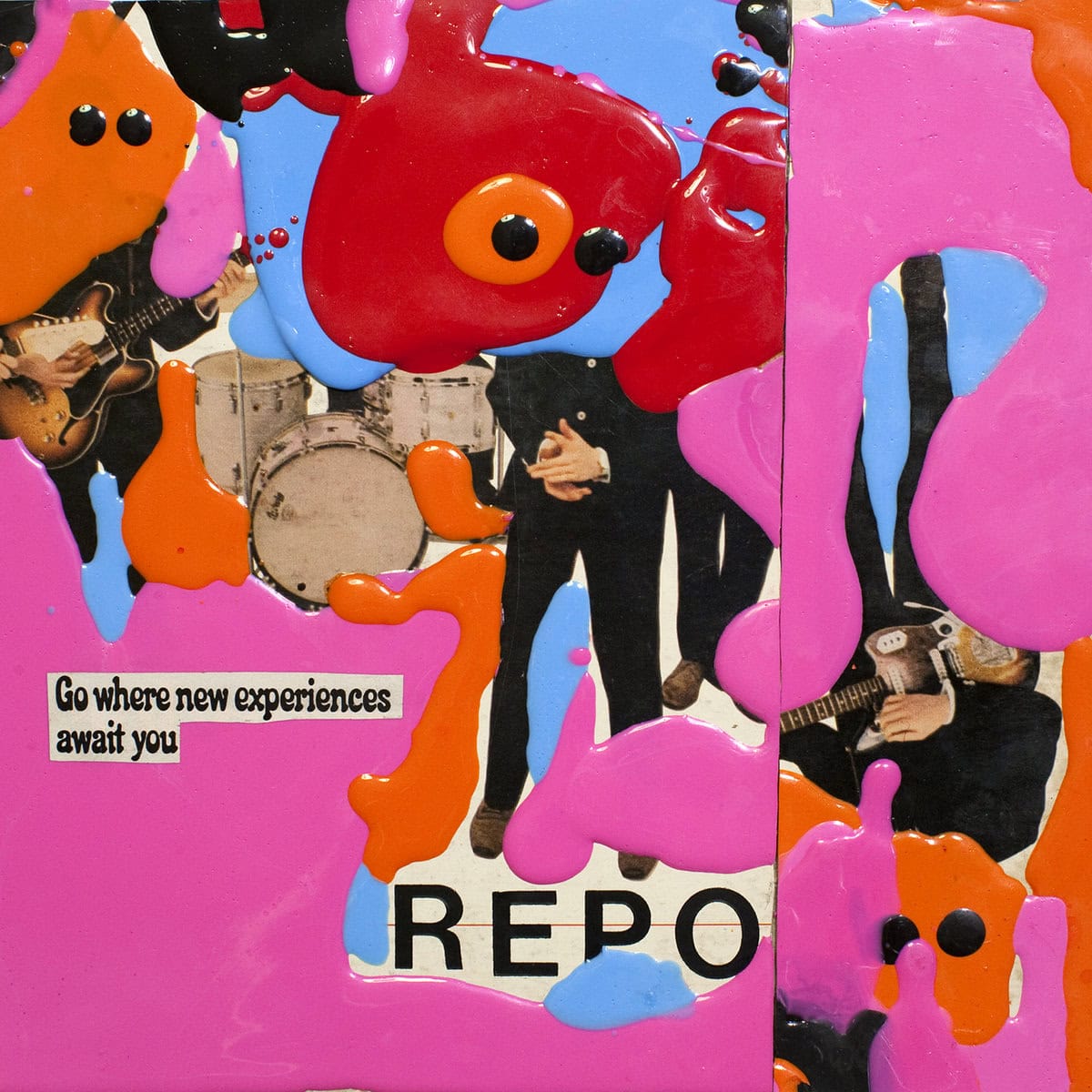
Black Dice’s songs on Repo are patchwork structures bursting with found sound and grating scraps of noise.

Although a slow, not quite graceful recovery, Grace/Wastelands is also a stab at realized potential.

Enemy Mine is a relentlessly curious, ever-shifting album.
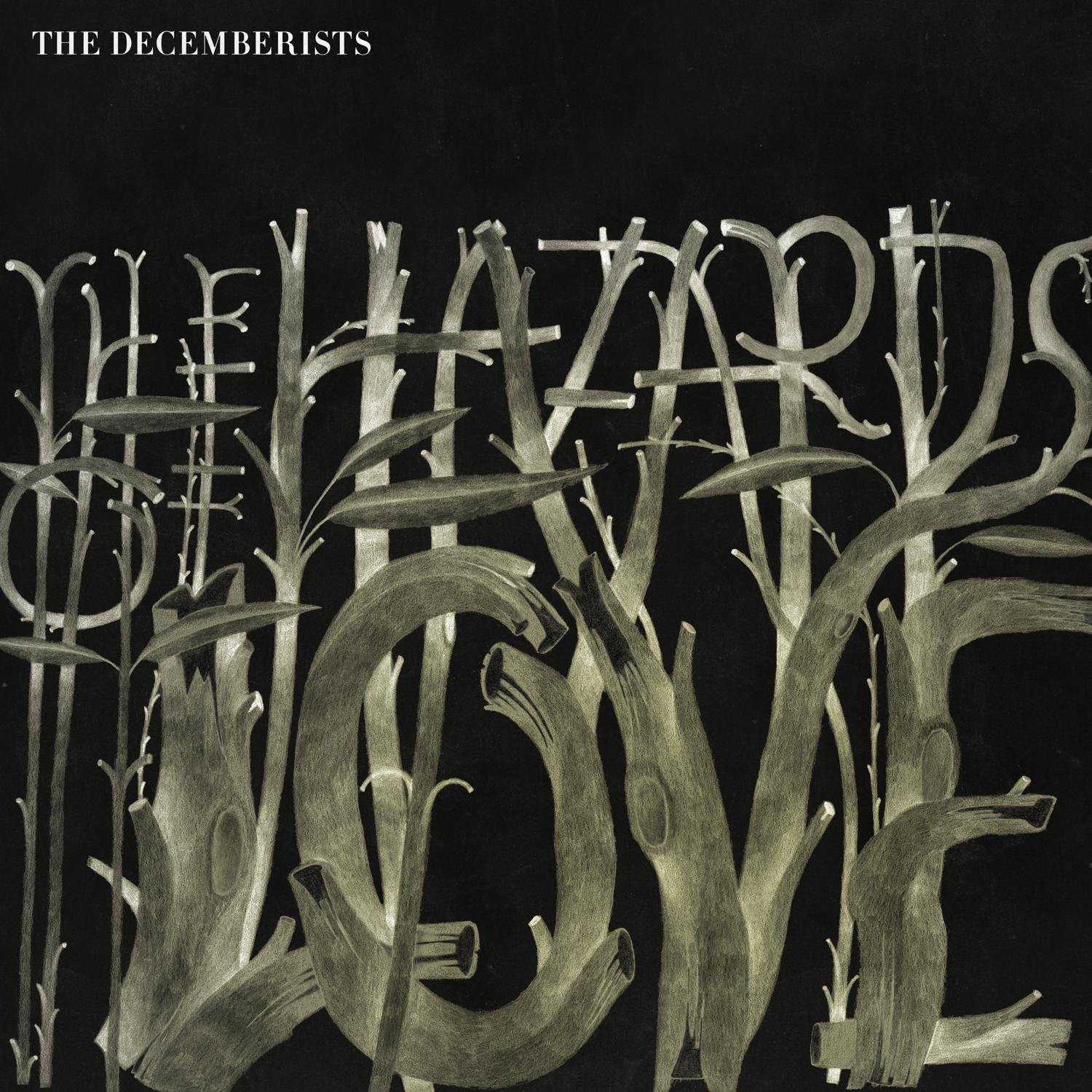
Hazards of Love personifies potentially workable songs eaten away by overwhelmingly ill-conceived ambition.
Jones may have a newfound credit as a successful playwright, but fans have little to worry about the Harlem rapper going artistic or high-minded.

Asobi Seksu’s Hush releases the band from its gooey shoegaze cocoon.

The album befits fleshes Whitmore’s voice out with heavier backing than he’s used to.

Effectively a one-man tribute album, To Willie feels comfortable, if not slightly self-indulgent.

Light of X overcomes its over-production by virtue of basically skillful songwriting.
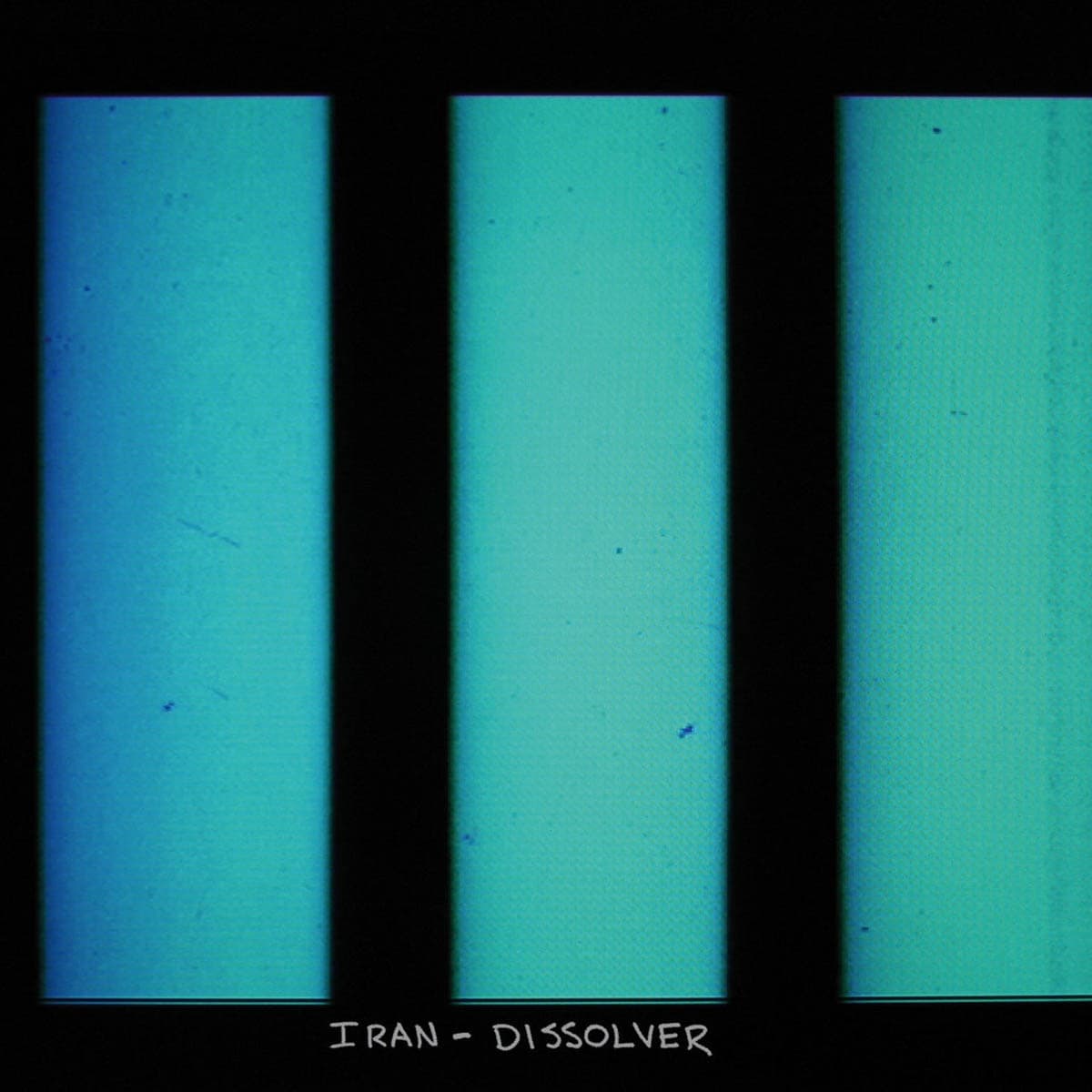
Dissolver is a solidly catchy, guitar-driven jaunt.
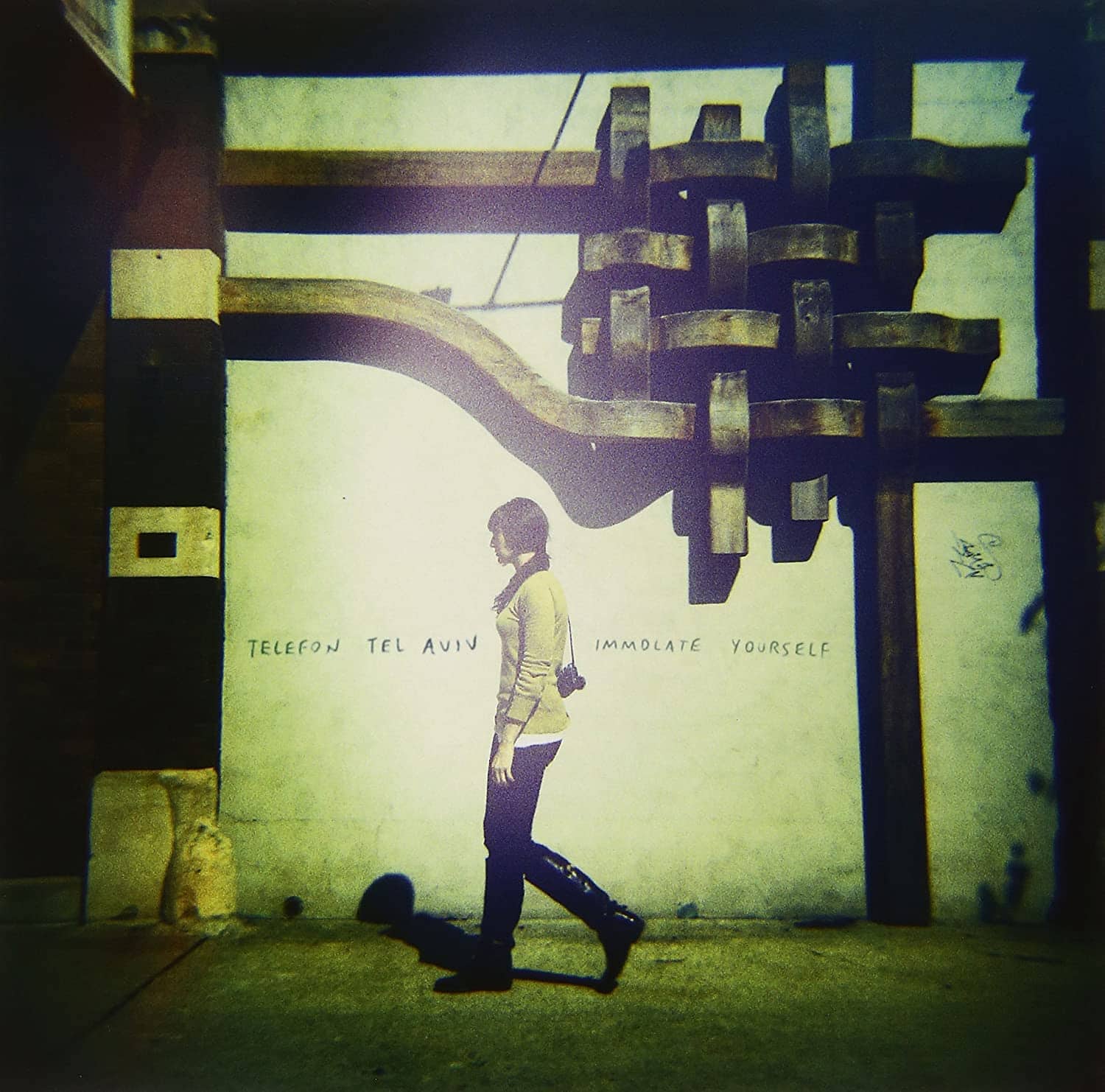
The album exhibits a shocking versatility and a strong feel for creating vibrant, engaging environments.

Heavy and mysterious, Mirror Eye is a careful exercise in musical patience.