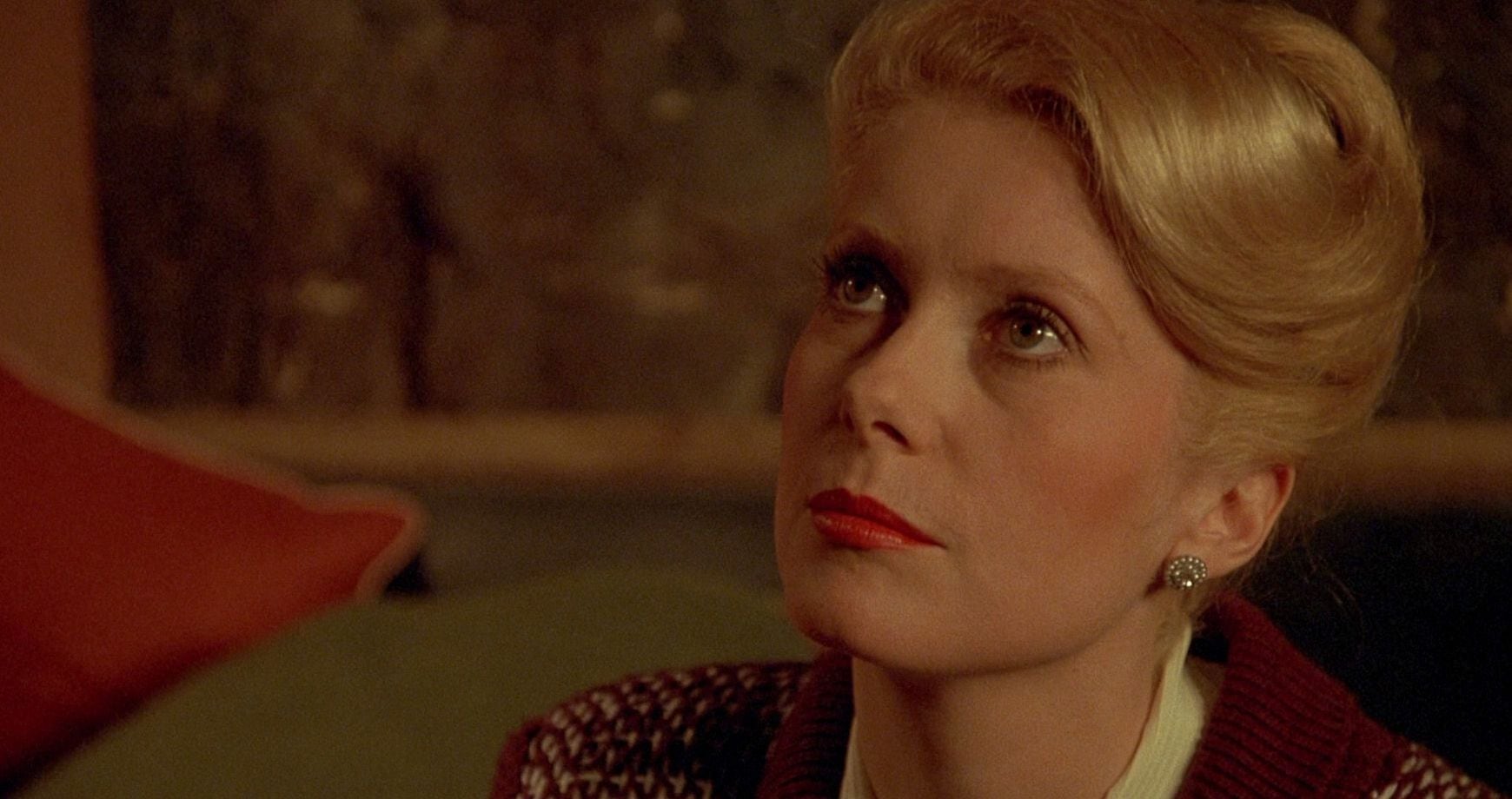
François Truffaut posits theatricality as wartime solidarity and resistance in his late-career hit The Last Metro.


Fernando F. Croce is a San Francisco-based film writer whose work has been published in Film Comment, Reverse Shot, MUBI, and Fandor. He runs the website CinePassion.
François Truffaut posits theatricality as wartime solidarity and resistance in his late-career hit The Last Metro.

Criterion’s very handsome transfer does wonders for the film’s gentle, practically caressing lighting and deep reds and browns.

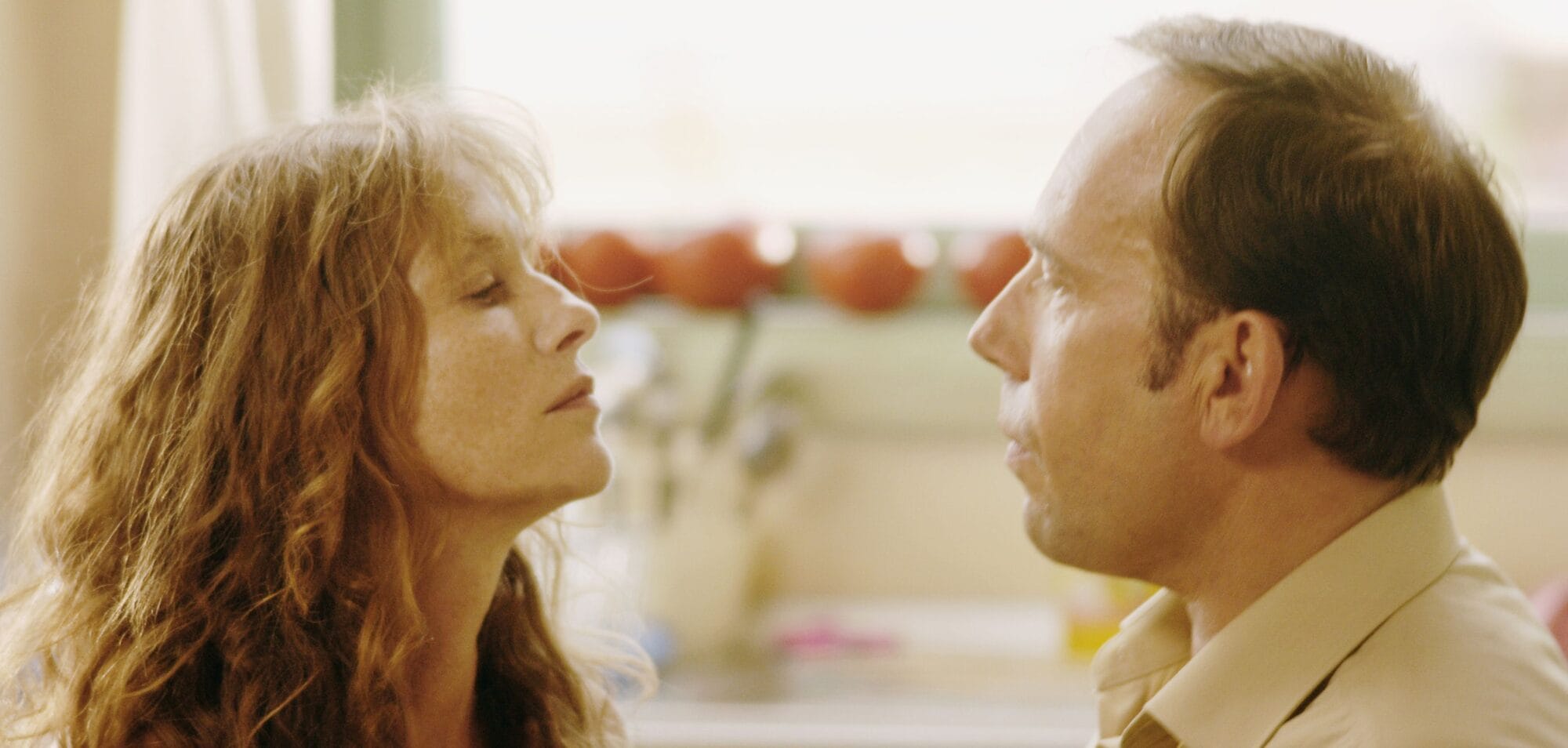
Autumn mostly succeeds in illustrating how some art-house clichés never go out of season.
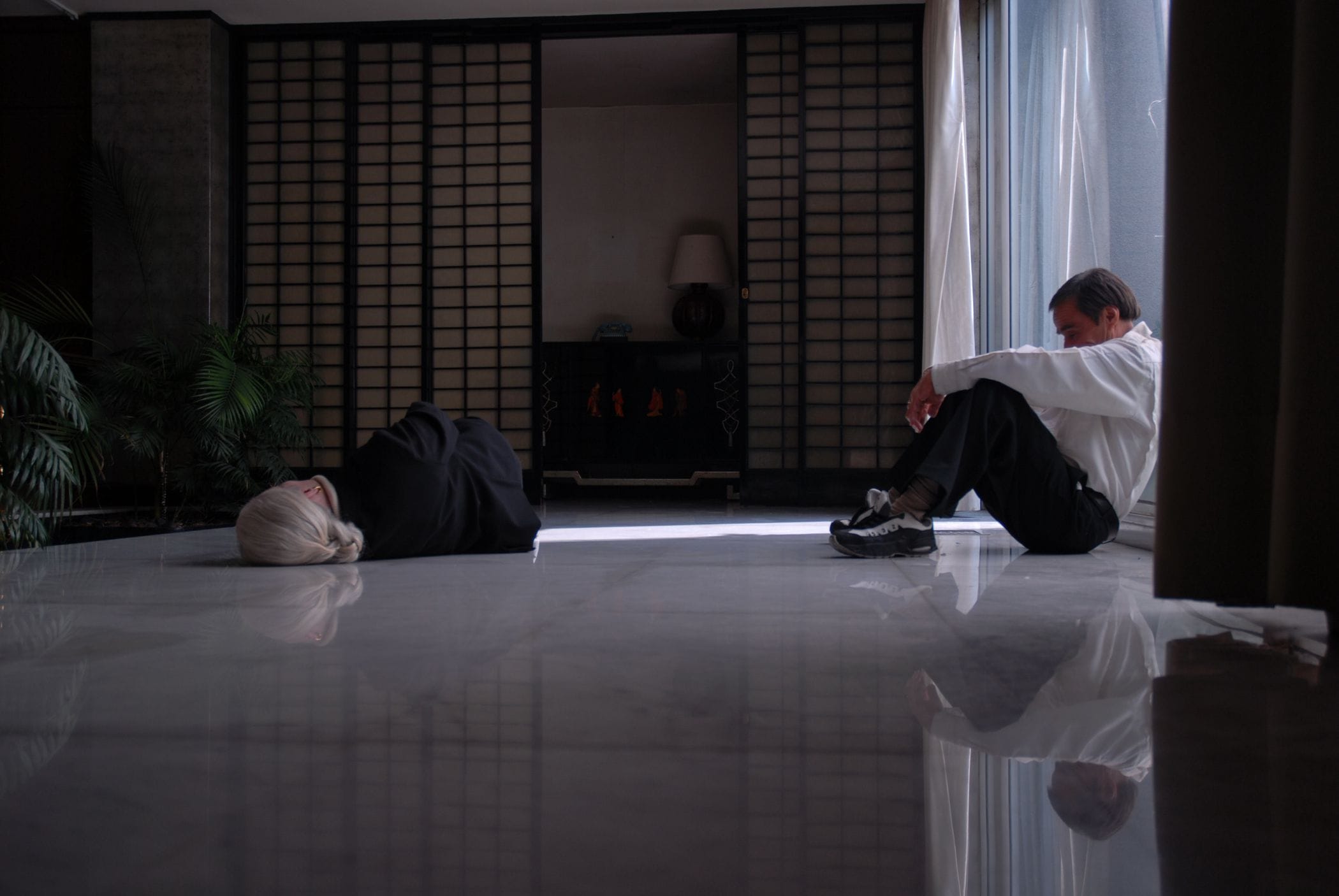
Clammy provocation and surreal fable, Ursula Meier’s film is predicated on thematic and sensory contrasts.
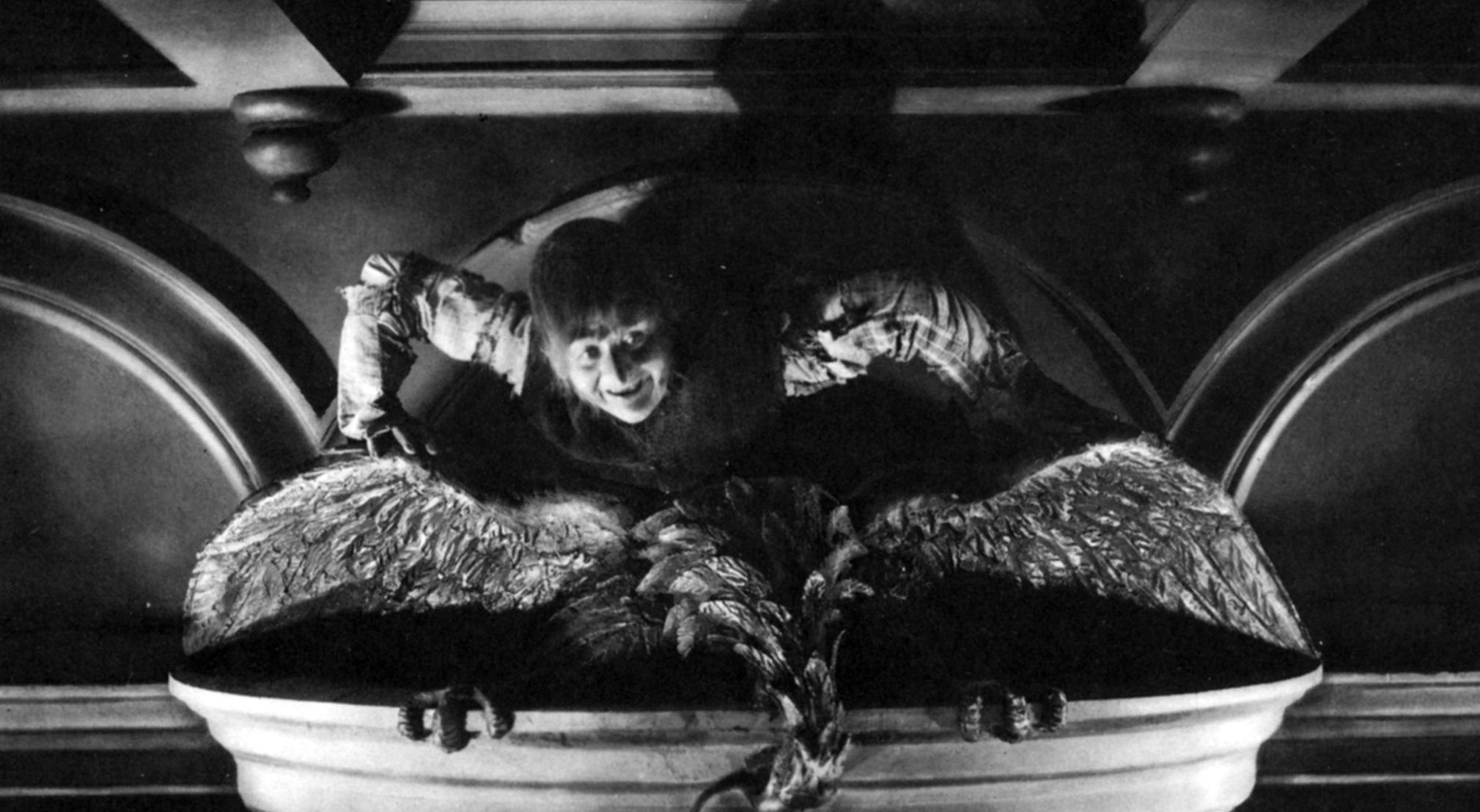
As striking as it is enervating, the film exudes the aridness of a modest short unprofitably expanded to feature length.

Murnau’s masterpiece gets the deluxe DVD treatment it deserves.

Warmly tinted and liltingly scored, this is a particularly fetching transfer, particularly considering the film’s rather obscure status.
The film is of interest mainly for its peculiar combination of immaculate form and clumsy content.
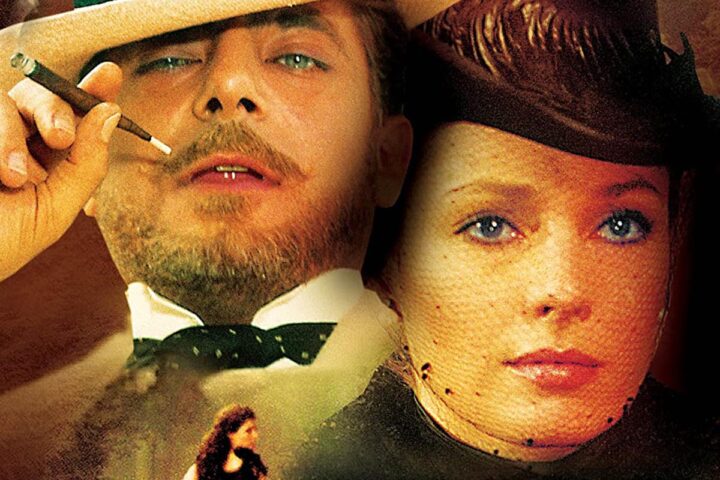
A peculiarly adagio note on which to close a career with so many fortissimo gestures.
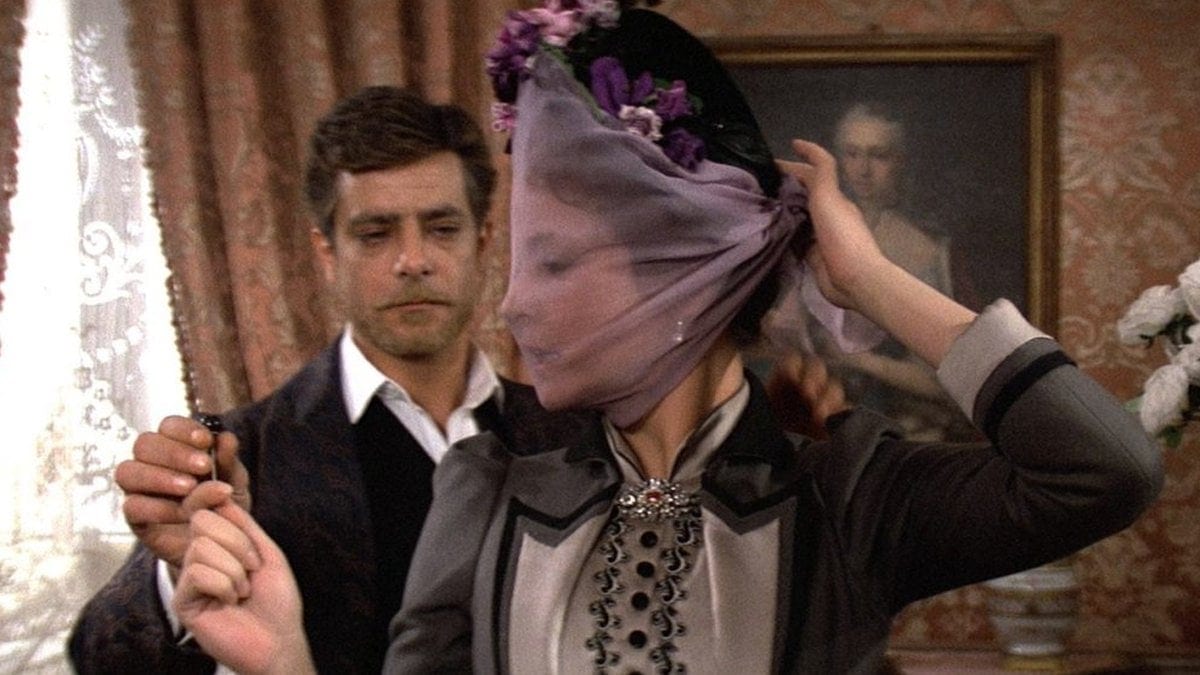
Luchino Visconti’s swan song is something of a genteel and stately affair.
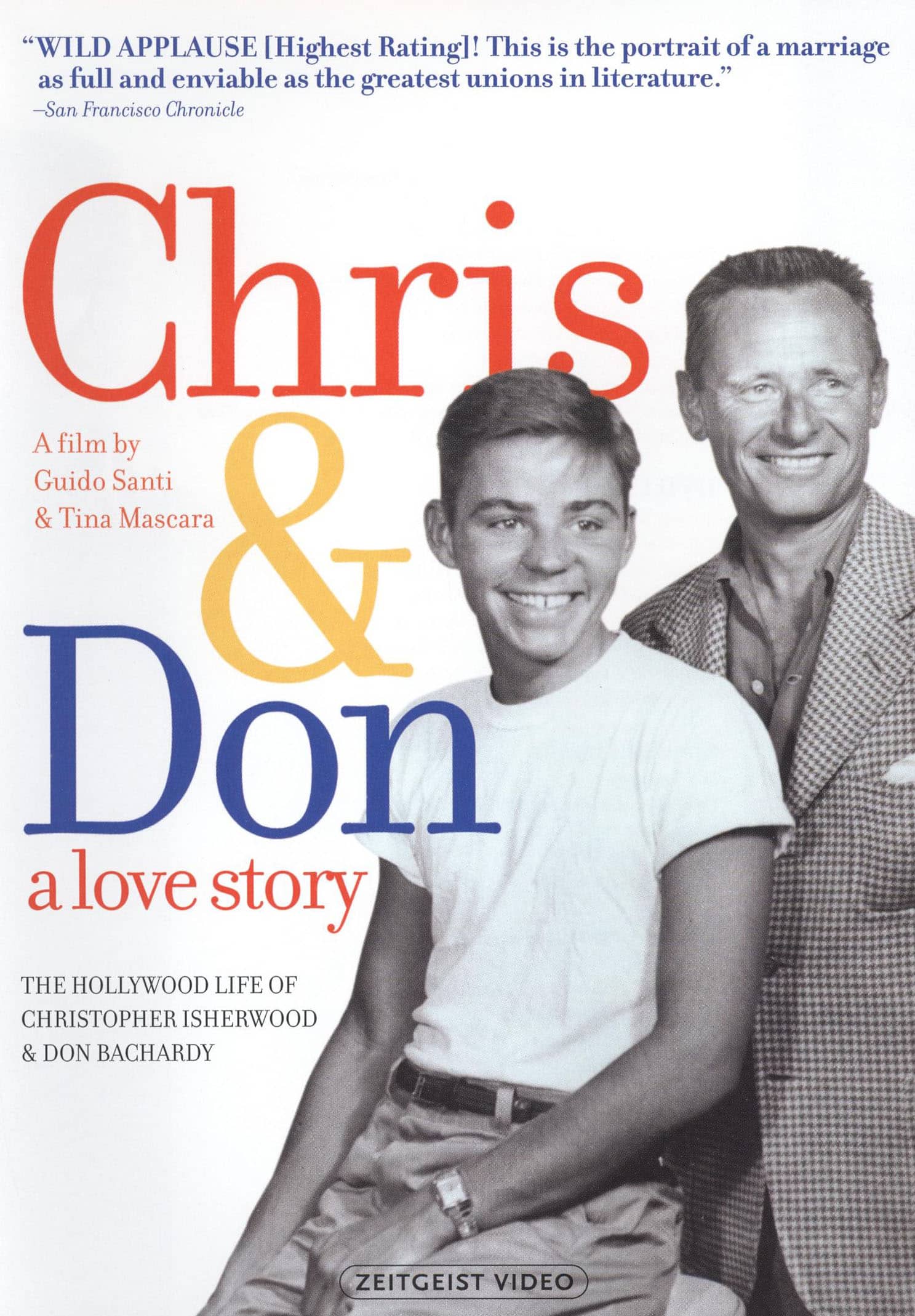
A colorful portrait of an enduring marriage gets the star treatment on DVD.

A patchy but worthy set for a classy star who deserved more exciting roles.

Smooching mannequins, campy tantrums, and repressed sexuality. And just in time for Valentine’s Day.
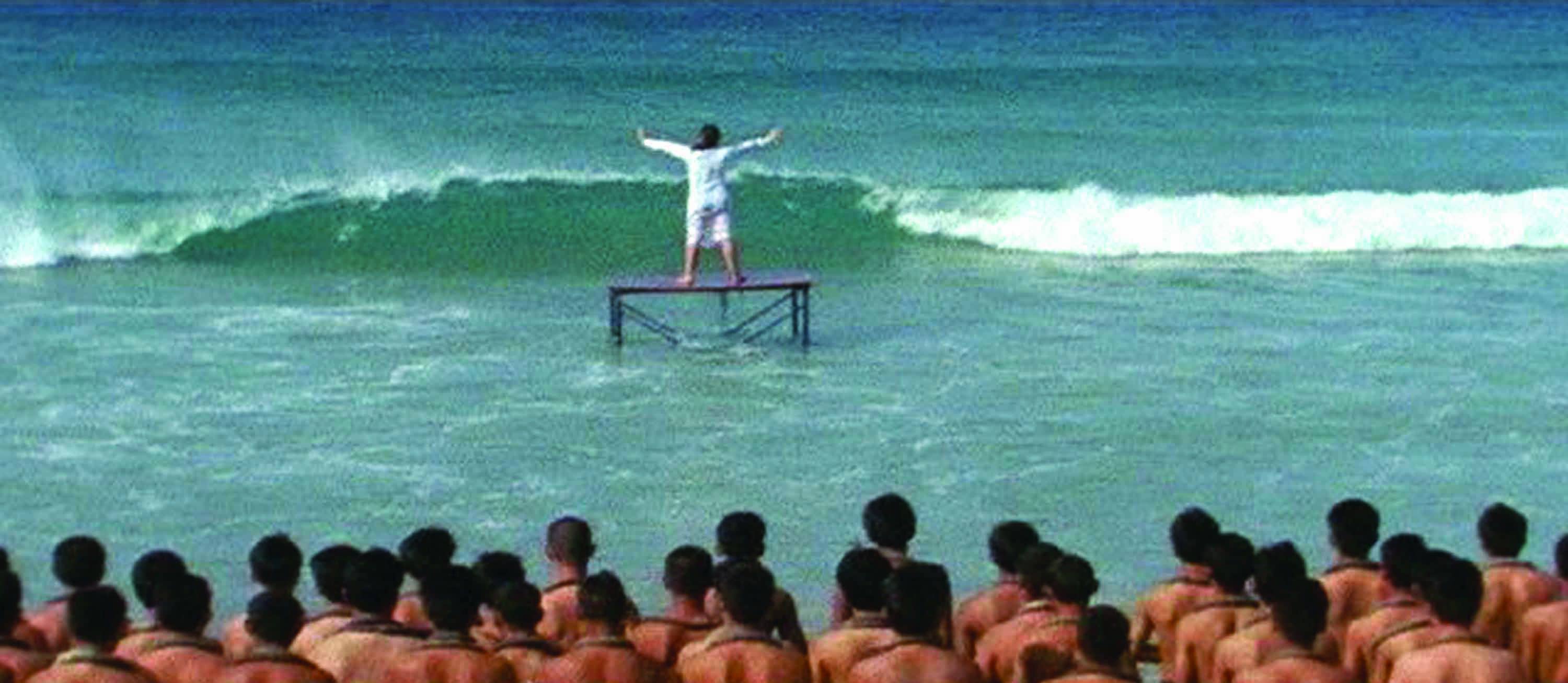
The film envisions a city kept artistically alive by people willing to offer not just aesthetic objects, but pieces of their lives.

Such a visually evocative film probably deserved a better overall presentation, but the interactive menus are pretty cool.

Rossellini’s great history lessons blow the dust off textbooks.

Get more bang for your buck with this two-disc edition, which is fudge-packed with plenty of titillating bonus features.

Even the film’s most melodic passages are tinged with the feeling of a world vanishing as it is remembered.
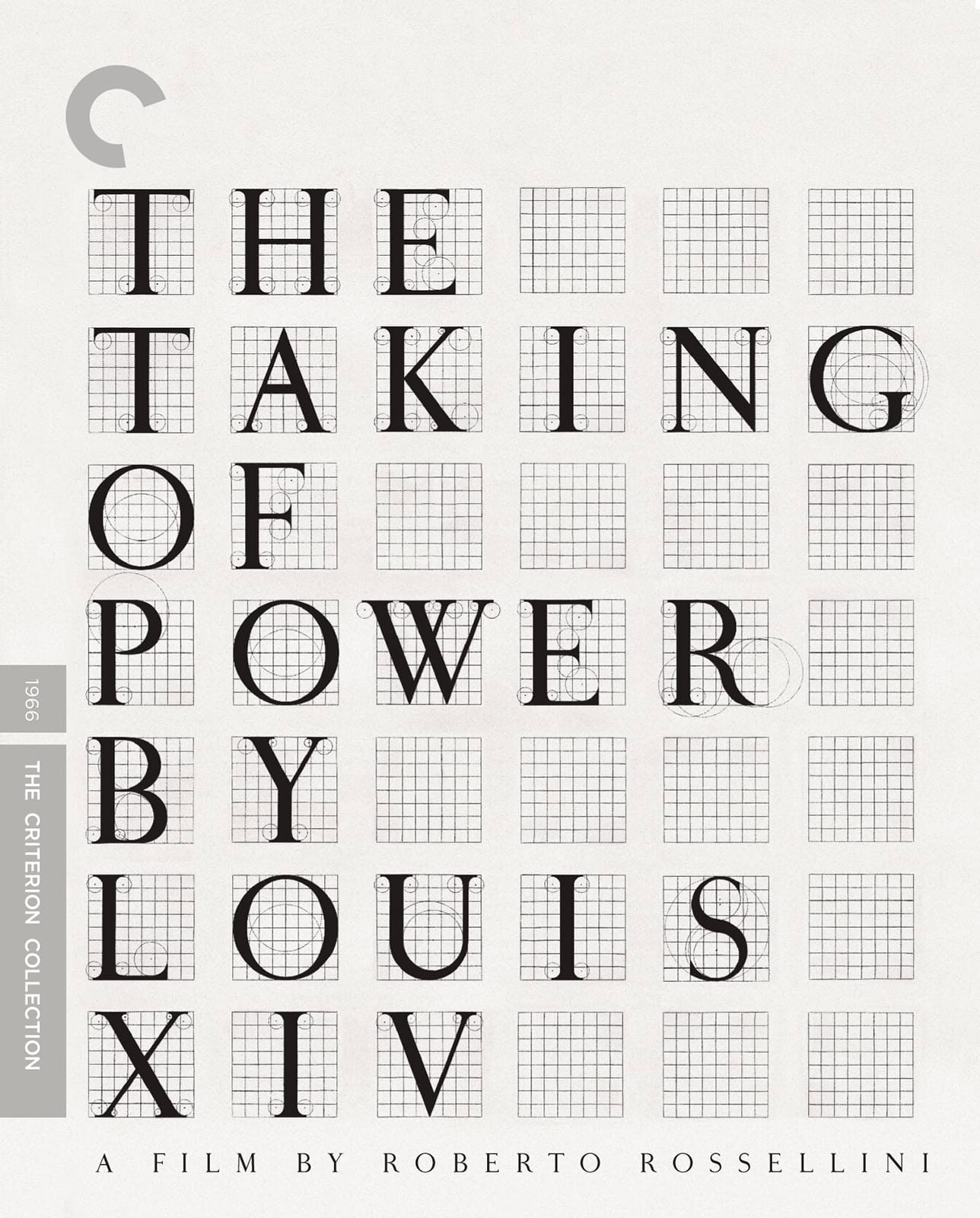
You can almost smell the powdered wigs in Rossellini’s study of a dandified abyss.
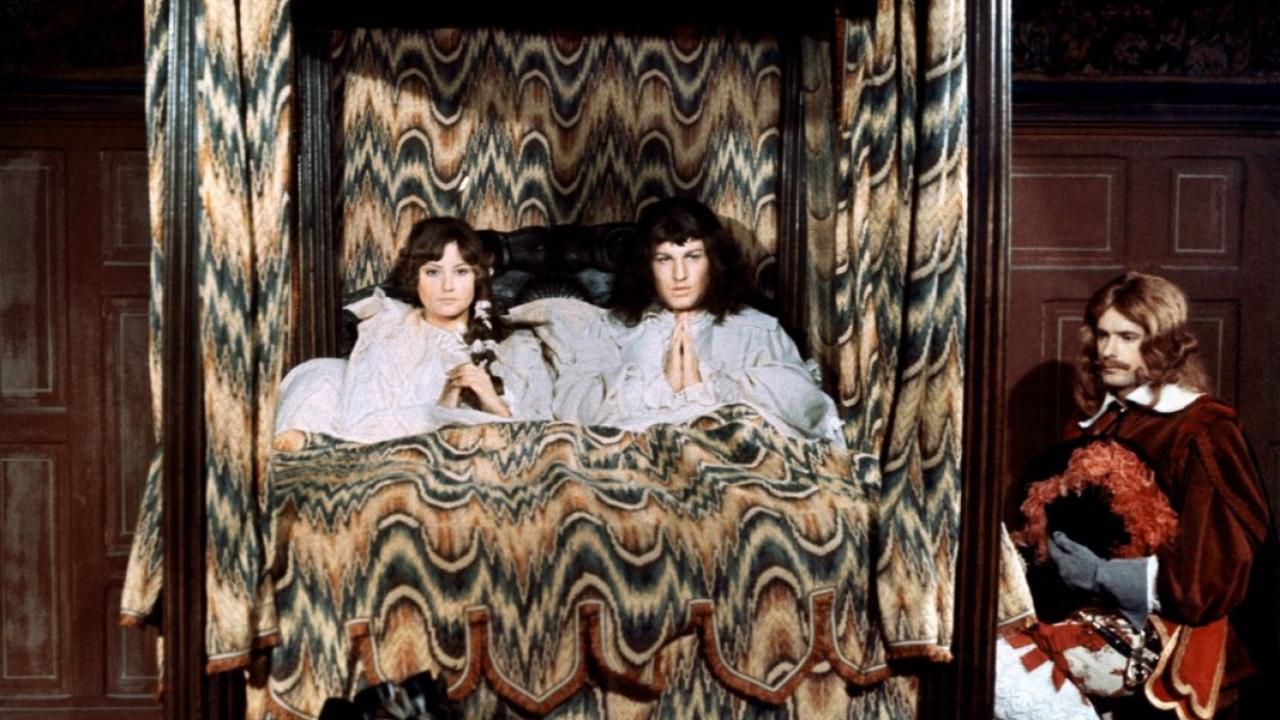
The film marked the start of a new phase in Roberto Rossellini’s art.