The songs remain every bit as angry, smart, and infectious as they were three decades ago.



Fred Barrett is a film and music writer with a love for noise rock and arthouse cinema. His writing has also appeared in In Review Online and The Big Ship.
The songs remain every bit as angry, smart, and infectious as they were three decades ago.

For every triumphant return to form, there’s an uninspired dud.

The band’s fifth album helped steer underground rock toward its cultural triumph.

The album fails to recapture the lightning in a bottle that made the band’s initial run so magnetic.

If the compendium of bands currently aping its heavenly guitar fireworks is any indication, the album has lost none of its power.

Contrasted with the band’s early releases, the album feels less like a punch in the gut and more like a warm embrace.

Hulk is a surprisingly thorny exploration of the rotten heart of the military-industrial complex.

The abum’s best moments prove that the band can still reliably deliver left-of-center alt-rock thrills.

The album expands the scope of the band’s music by incorporating disparate styles and dynamics.

The Manchester post-punk band mostly plays to their strengths by leaning into the progressive, dance-y side of their sound.

The album is the stuff of neon dreams, even if the group’s ’80s throwback sound has lost some of its novelty.

The album finds the band returning, or perhaps regressing, to the murky hellscape of their earlier work.

The album finds the band attempting to take another step toward musical and emotional maturity.

The band’s eighth studio album sees them delve even deeper into cryptic symbolism.
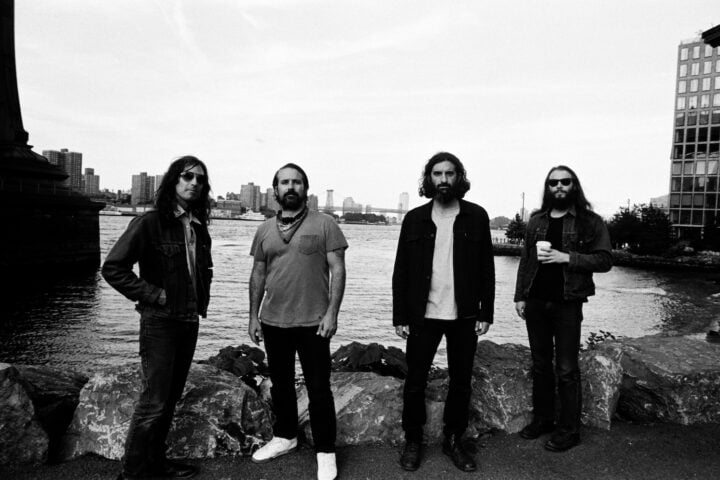
The album looks to the sounds that put New York City on the map as a scuzzy rock ‘n’ roll mecca.

The Canadian hardcore band manages to fit a surprising amount of stylistic variety into their shortest album to date.

The album is an intriguing experiment in contrast and contradiction, marked by both absence and presence, noise and silence.
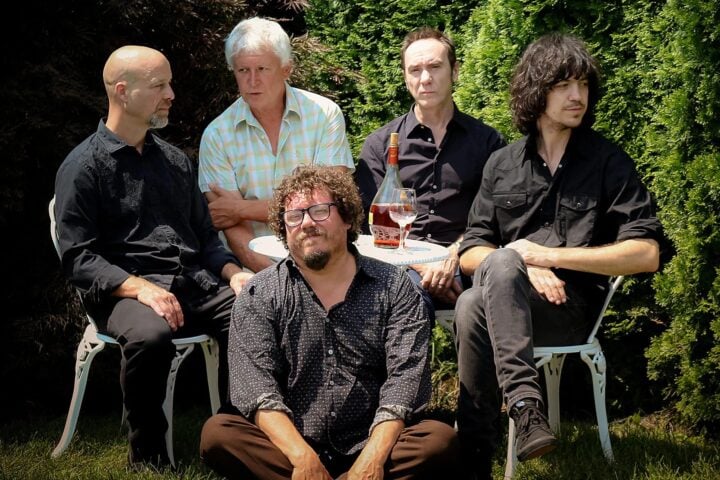
The band again serves up a variety of memorable hooks and abstract, knife-to-the-heart lyrics.

The album proves that the punk icon not only has more to say, but continues to find exciting ways to say them.

The Atlanta-based trio’s spin on familiar sounds feels both colossal and tossed-off.