The running and jumping are physical enough to be a good time, and the flying and driving sections are genuinely graceful.



Daniel McKleinfeld is a filmmaker, VJ, and Brooklyn bon vivant.
The running and jumping are physical enough to be a good time, and the flying and driving sections are genuinely graceful.
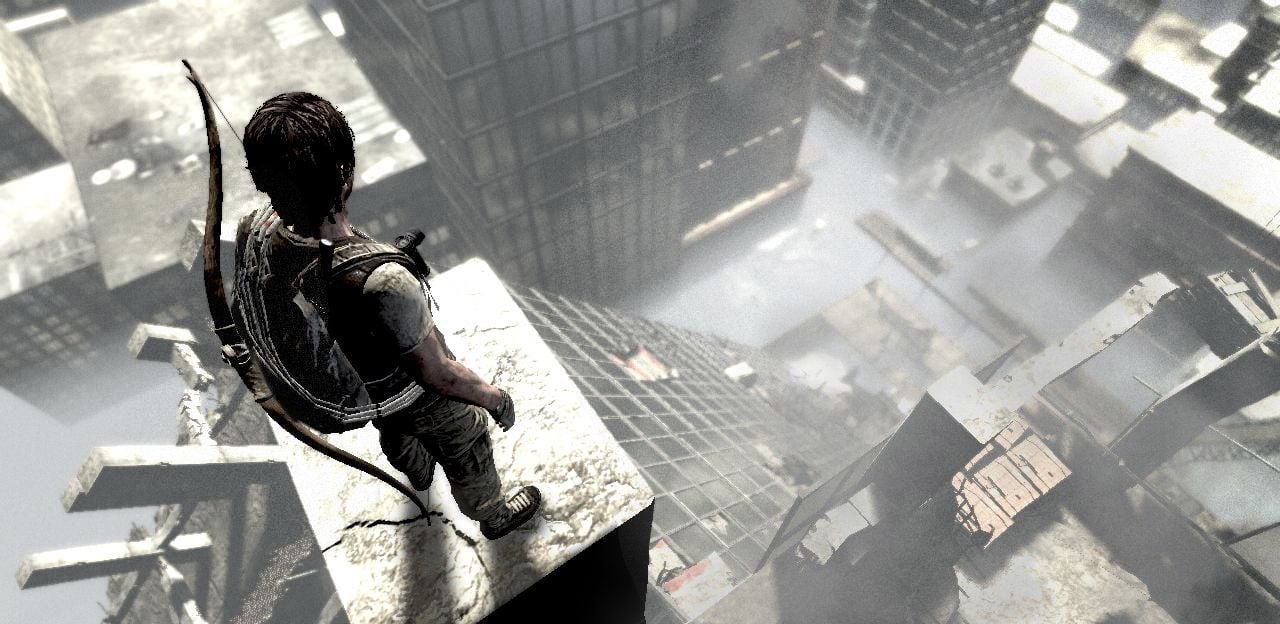
While it’s a nice change to play as an ordinary family man, the whole “I must find my daughter” story never becomes more than a generic motivator.

Because the publisher just up-rezzed the textures, rather than revising the engine, the new skins are stretched over the same old blocky frames.

Shigeru Miyamoto once said that he wanted to make the simple act of walking with Mario fun; Max & the Magic Marker is a game where the simple act of walking is a constant irritation.

Gathering before the Kinect’s three-lobed eye with other players ready to perform with computer-pleasing precision is loads of fun.

The most interesting thing about the game is its JRPG-influenced fetish for opaque systems.

Kirby Mass Attack drops the ingest-to-transform mechanic that’s defined previous Kirby games; in fact, there’s no additional powers at all, just multiplication of the basic pink puffball.

Though the Kinect forces the player to move their reticle a little more deliberately than is entirely comfortable, it’s awfully satisfying to unleash death with a finger-pointing “bang-bang” gesture.
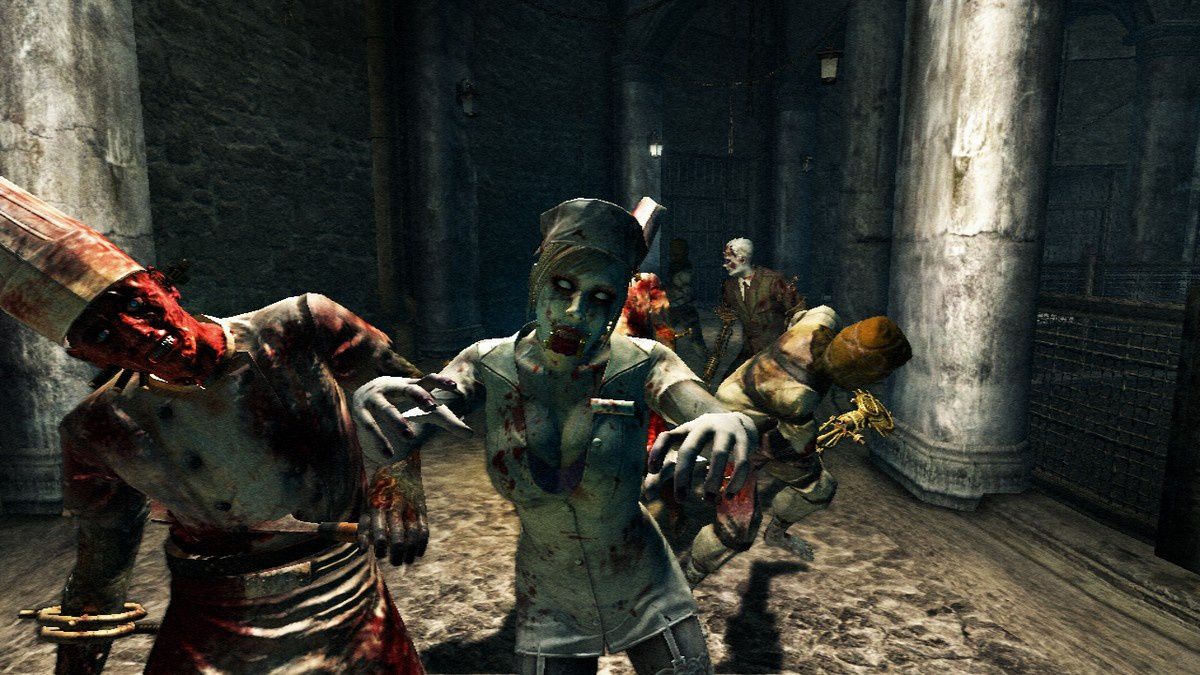
The game’s effective sound design and drippy character models, though compromised by the Kinect’s CPU-cycle overhead, do a good job of making you feel grossed-out and jumpy, while paying tribute to the campy delights of horror games past.
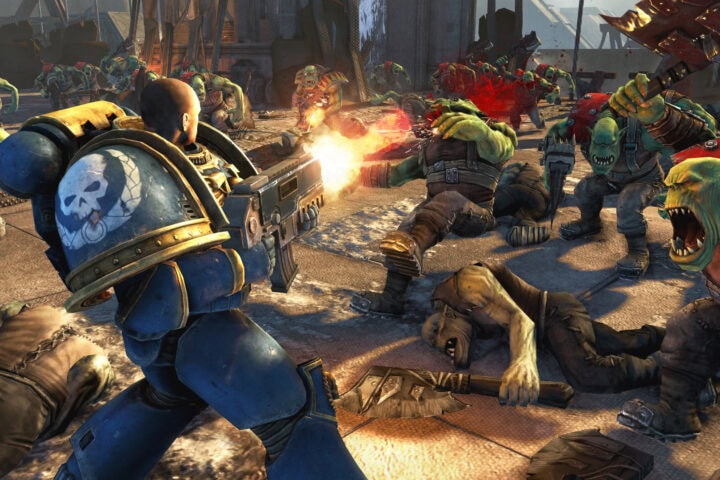
Aliens invade, blah blah blah, gruff-and-tough soldiers, yada yada yada, buried superweapon, hurf durf derp, terrified civilians, etc.

If only the writing worked with the game, instead of making an ugly mockery of it.

The problem is that the on-the-ground immersion of a third-person shooter doesn’t mesh very well with the battlefield awareness that defines the tower-defense genre.

The unforgiving timer infuses every moment of exploring the world map with nail-biting suspense.

The corridor-shooter formula means that it’s actually much more tightly paced than Guerilla, which had plenty of the longeurs that characterize open-world games.

We were thrilled to interview the founder of Gaijin Games via the appropriately detached-yet-humanistic medium of instant messenger.

So how does someone old enough to have voted for Paul Tsongas end up playing the new Pokémon game?

Gaijin’s titles have featured fun chiptunes sounds, but the music in Bit.Trip Flux has a warmth that’s new for them.
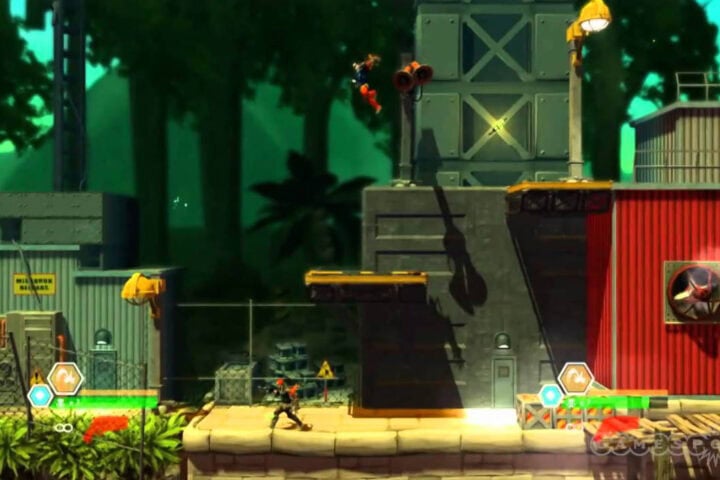
If you just want more of what you got in BCR, this isn’t going to fully satisfy, but it won’t crush your dreams the way some Capcom sequels have.

On paper, it should be ideal, and yet whenever I play I find myself feeling surly rather than delighted.

It’s a shame that the combat, outside of a few boss battles, is both promiscuous and dull, because the actual combat system has a lot of interesting detail.