Only rarely does Steven Spielberg observe how queasily at odds our patriotism is with our humanity.



Christopher Gray is a film programmer at the Portland Museum of Art in Maine. His writing has also appeared in Tiny Mix Tapes.
Only rarely does Steven Spielberg observe how queasily at odds our patriotism is with our humanity.
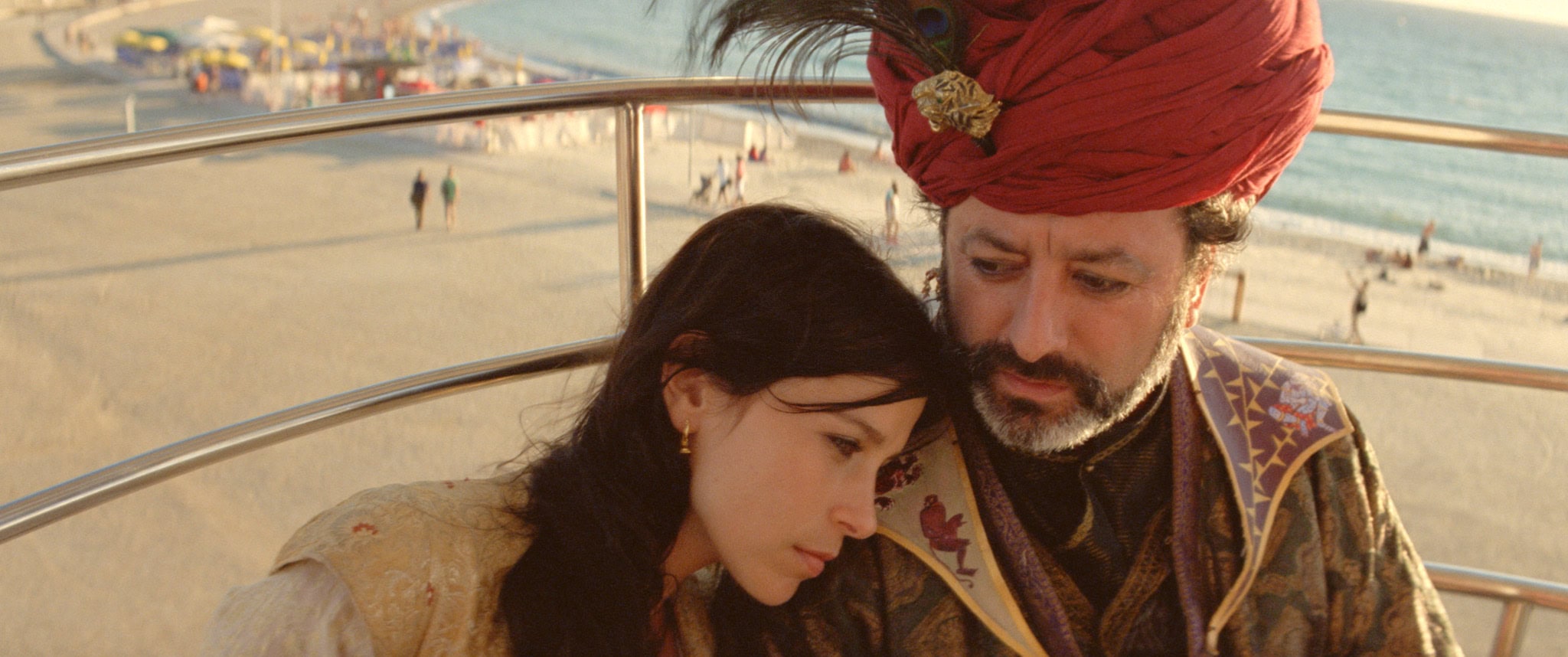
Miguel Gomes combats austerity with expansiveness, leavened by doses of frivolity and scatology.

The film conveys an engagingly low-key atmosphere, pervasive with wayward souls haunted by poor choices.

The film is a lightly dramatized case file that’s structurally averse to world-building and psychological portraiture.

Unfortunately, the film’s occasionally thrilling visual sleight-of-hand comes at the ultimate service of a boilerplate early-mid-life-crisis drama.

As Zac Efront’s Cole tiptoes away from his past, the film keenly observes a character who doesn’t know how to secure his future, or his identity.

Though it doesn’t elucidate any broad structural motive, it gradually adopts an engrossing rhythm among its clatter of steel and ambient chatter.

It’s both the most concentrated and antic film in Noah Baumbach’s unofficial New York trilogy.

Director Jonathan Demme grasps the well of feeling of Diablo Cody’s script and eventually harnesses it in his own image.

It can’t resist winking at how this franchise manages to defy the limits of both human endurance and its superstar’s rickety public status.
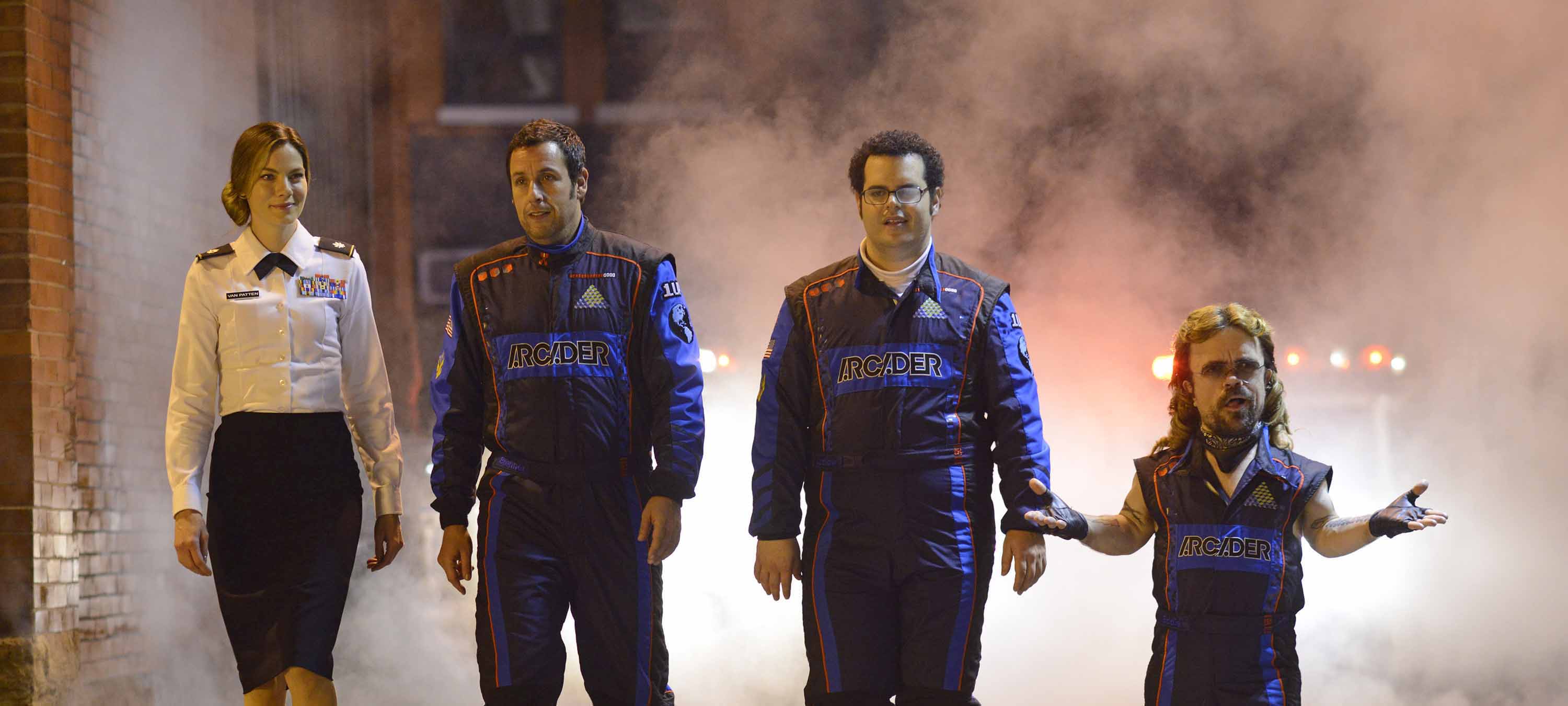
As a Happy Madison production, it’s exhaustively lazy, outside of its righteous dedication to the valorization of the man-child.

Both Lola Dueñas and Laurent Lucas are impressively committed to their roles, but the film’s script is elusive to a fault.
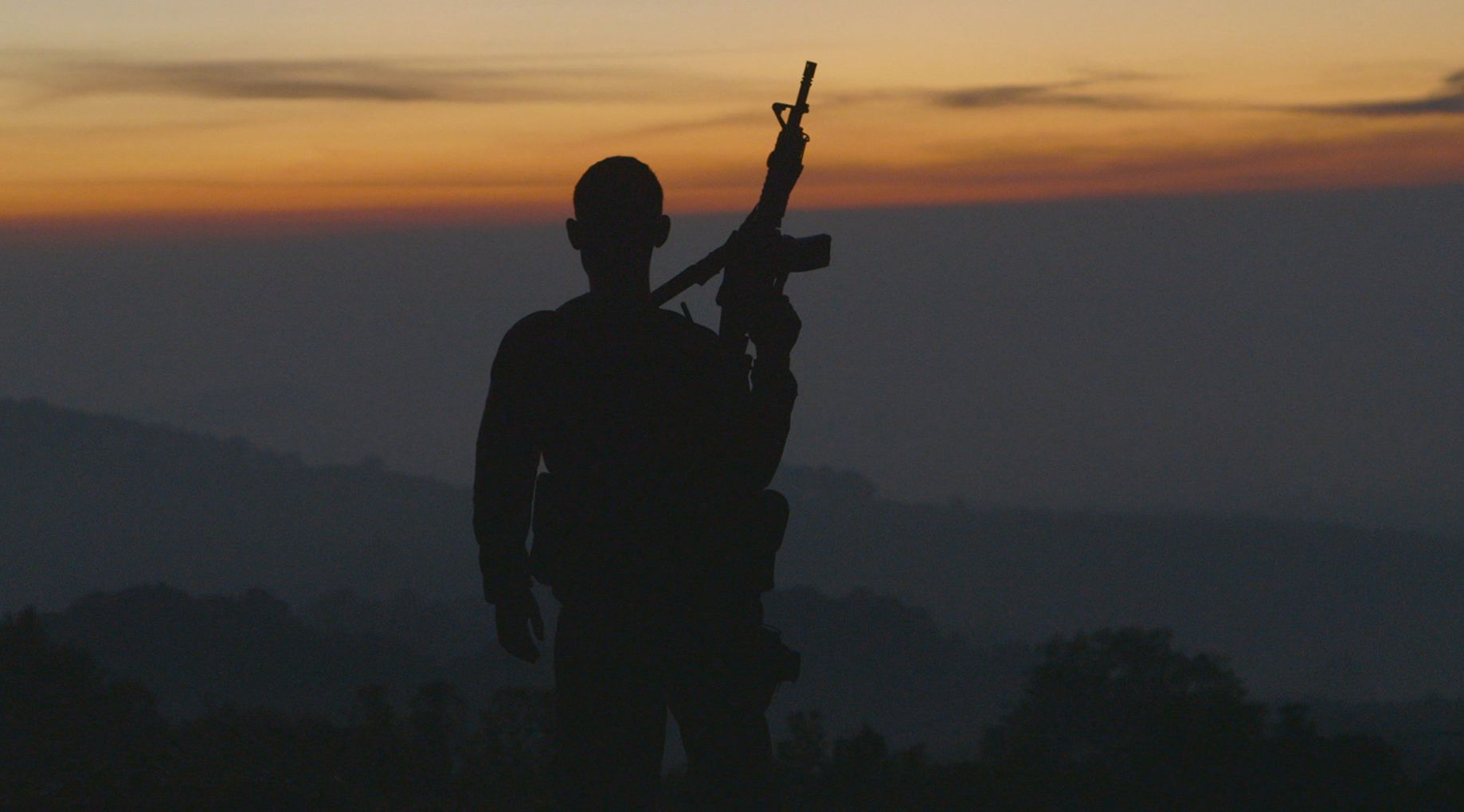
A stunning work of war reportage nestled within a creaky study of ideological purity.

At once wonderfully complex and weirdly reductive—a formula, though, that seems as sound an embodiment of the human brain as any other.
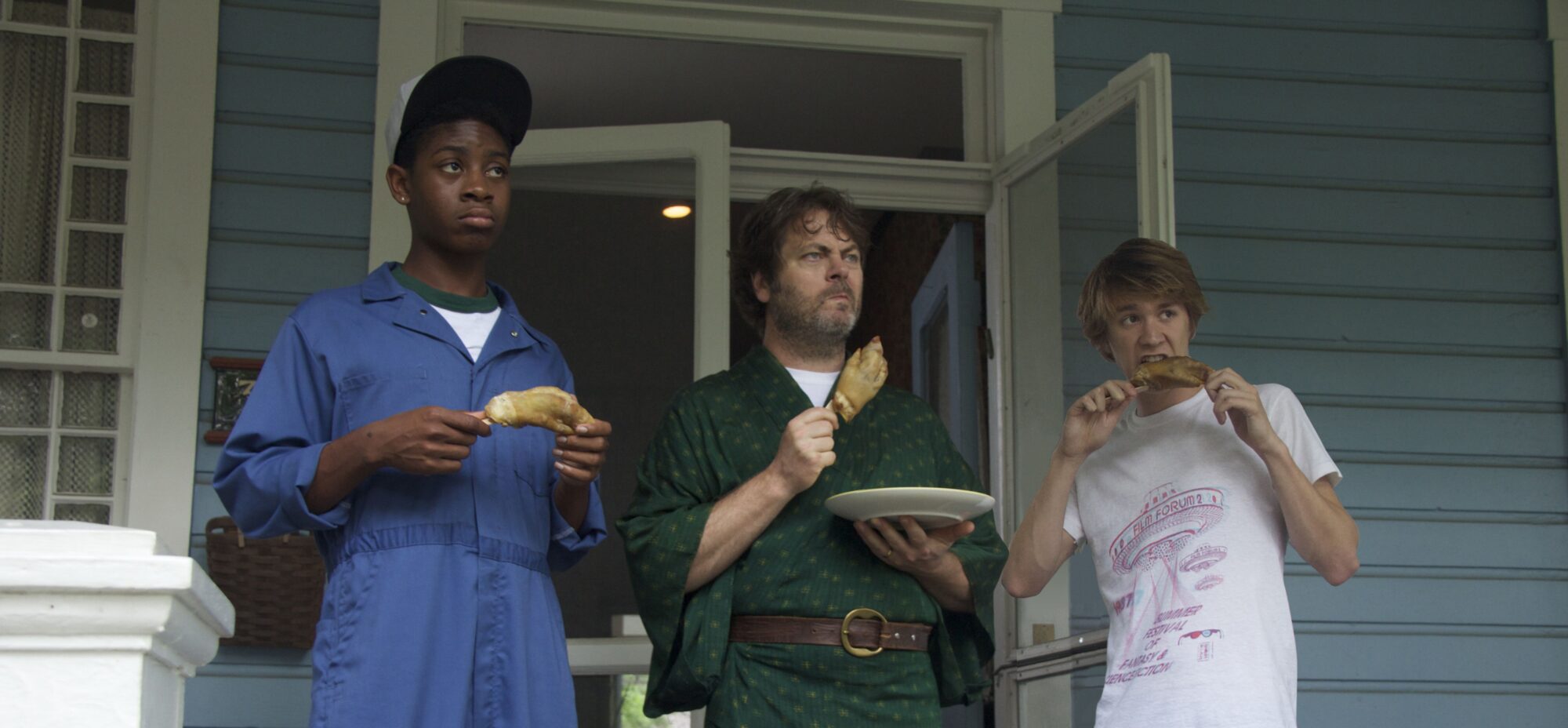
It unites a mélange of teen-film tropes into a narrative overburdened with cultural references and framing devices.

The film’s script, by Oren Moverman and Michael A. Lerner, is slavishly adherent to biopic formula and clunky affirmations of Brian Wilson’s legacy.

In the film, the way forward is backward, on a path that stumbles into misplaced nostalgia and dicey humanism.
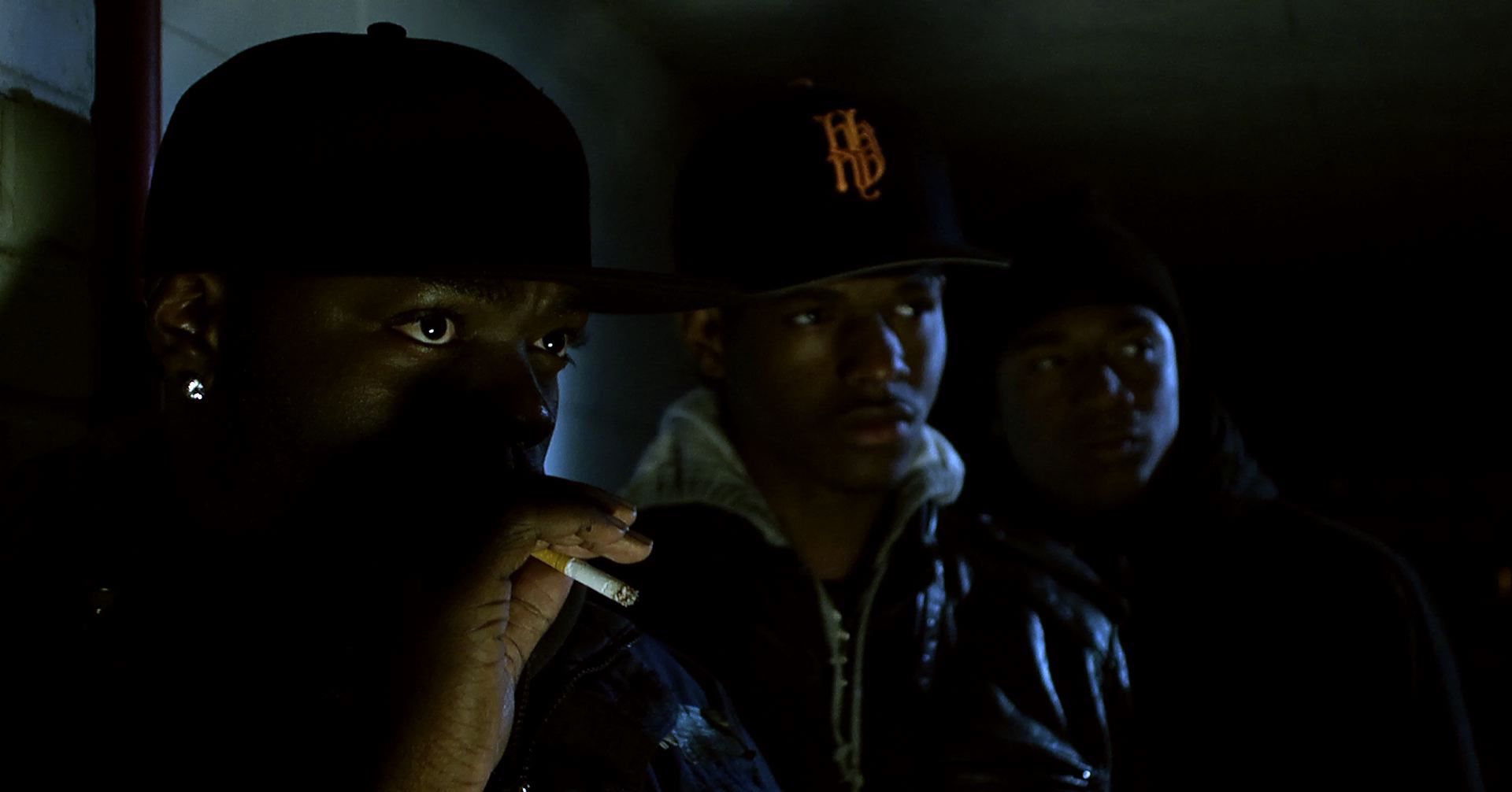
Overall, the film’s educational prerogatives tend to overwhelm its more interesting formal properties.

It relays a story of police corruption that’s transparently designed as a pitch for a feature-film adaptation.

It rejects a fawning (or even particularly detailed) account of mental illness in favor of a plunge into the deep end of a bottomless ego.