The film is all hot air with a sleek sheen, yielding no larger point or utility.



Clayton Dillard is a lecturer in cinema at San Francisco State University.
The film is all hot air with a sleek sheen, yielding no larger point or utility.

Almost none of the film’s characters or scenarios escape feeling contrived under writer-director-star Clark Gregg’s bizarro tonal shifts and plot developments.

The film allows its trio of girls to express themselves through gender, certainly, but not undermine their desire to be heard as artists first.
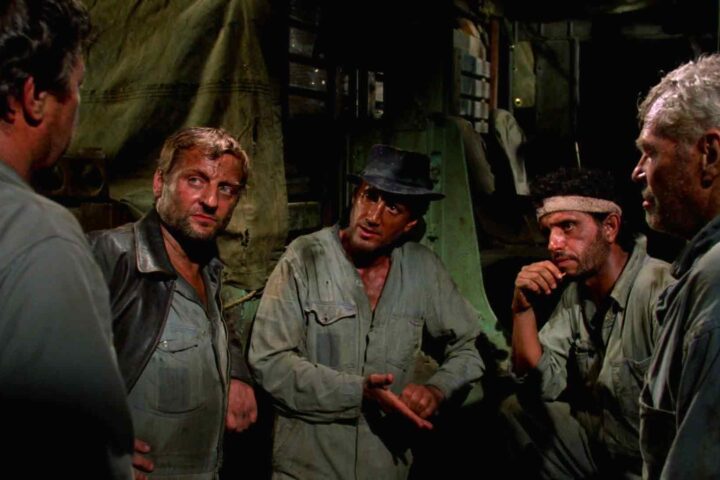
William Friedkin’s film is a nightmarish vision of the effects of exploitative corporate forces.

Alejandro Jodorowsky indulges in a hollow introspection unworthy of his prior cinema.

Perhaps it’s fortunate for Denzel Washington’s career that the film was both a commercial and financial failure.

It falls into the trappings of middlebrow literary adaptation by finding only sporadic means to convincingly adjudicate the trauma and anguish of its transitory epoch.

Jerome Sable’s debut feature couldn’t be further from De Palma’s delirious cinematic essays on vision and genre.

Aside from expected essays on film adaptations, there are a number of pieces that roam free from these constraints.

Sophie’s Choice isn’t resonant as a tale of an aspiring writer, a Holocaust history, or trauma parable.

That multitude, with regard to films, is rather restricted to a specific kind of cinephilia, primarily an overt emphasis on Classical Hollywood.

Sorcerer is the nightmarish inverse of mellifluous fantasia: a symphonic, boundary-pushing masterwork.

Herbert’s strongest work comes via his explanation for the physical layout of various stores and how each utilizes the space in order to cater to a specific type of consumer.
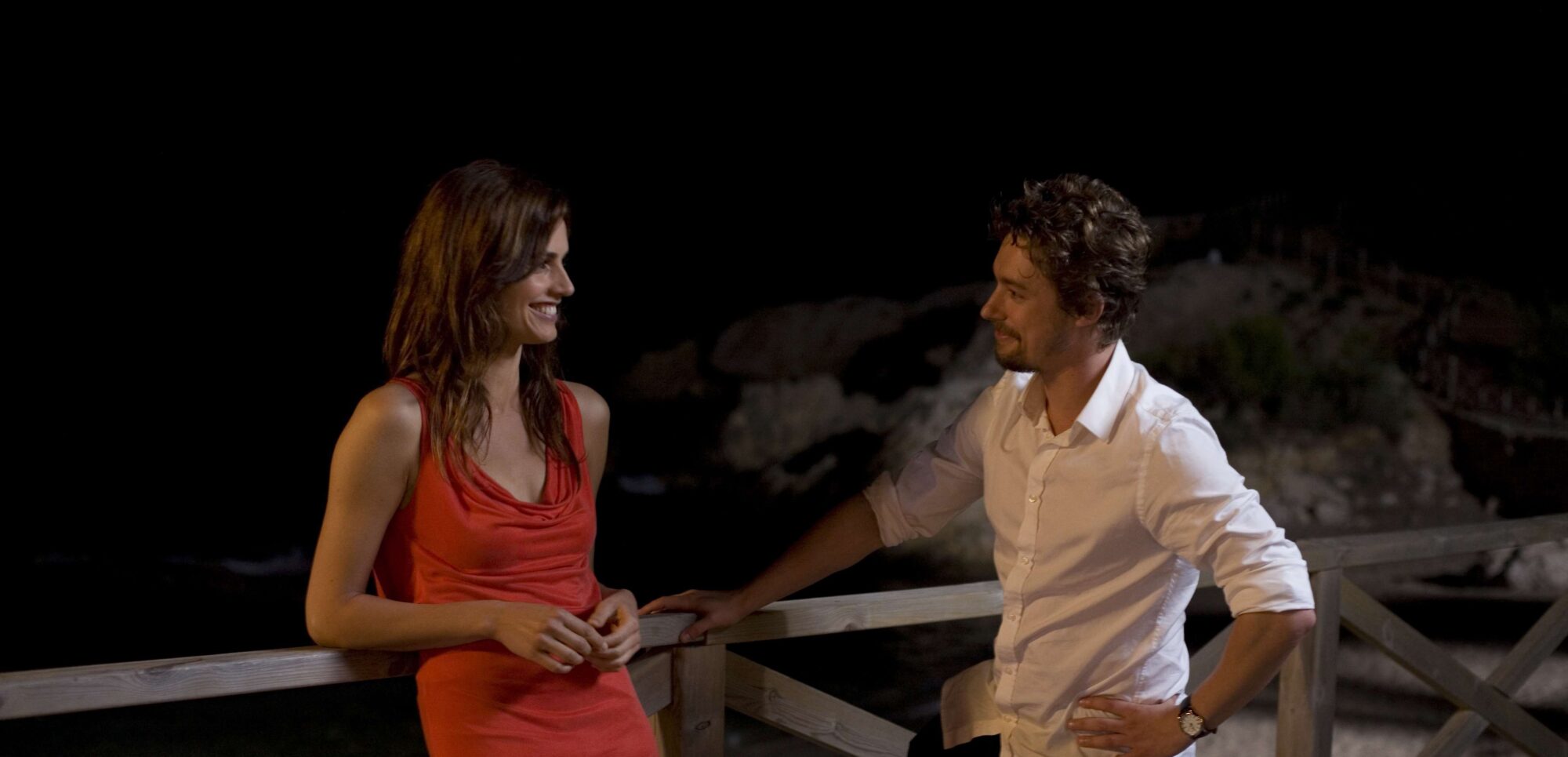
There’s a sinister, even insidious quality to a film that insists upon using incessant food montages not as a source of passion, but fodder for class-based self-congratulation.

The Filmmakers insist that altered spectatorship, particularly patience and duration, is the foundation of cinematic edification.

Less old-fashioned than demure and passé, evoking the visual style and rhythms of a 1990s made-for-TV movie rather than a daring, revisionist independent feature.

Ukraine Is Not a Brothel ultimately exists in a representational space similar to the rad-fem tactics of Daisies or, even, Spring Breakers.

To call Jessica Oreck’s The Vanquishing of the Witch Baba Yaga “hypnotic” would be too easy.

Rich Hill is poverty porn, and this isn’t simply because the film examines poverty.

The Notorious Mr. Bout romanticizes rather than humanizes its rather thorny subject matter.