These Academy members possess an elementary school understanding of art, where films operate in a purely denotative register.



Clayton Dillard is a lecturer in cinema at San Francisco State University.
These Academy members possess an elementary school understanding of art, where films operate in a purely denotative register.

In what sense, then, is Machete Kills not simply that: a cash-in sequel meant to make fast money?

Perhaps the weakest points of the book are in some of Meeuf’s prose, particularly when discussing masculinity.

So, Contagion is the reigning champion—at least, until Alfonso Cuarón’s Gravity opens in IMAX 3D this Friday, the first AHB to open in the two-plus years since.

Baggage Claim, the other(ed) wide release this week, will likely be marginalized because of these “higher profile,” male-driven openers.

The implication for Furuhata, and it seems the correct one, is that cinema “has the capacity to absorb and subsume other media forms.”

There are many, many articles railing against 3D: picture is too dim, glasses are uncomfortable, provide a distancing rather than immersive effect, and so on.

Given that there are seven essays plus an introduction, there are seven relatively distinct, internationally significant discussions, and a high quality remains consistent throughout.

Box office grosses are becoming mere statistics to be batted around among industry insiders and fans.

Okay, so audiences still aren’t ready for De Palma’s operatic visual sensibilities, but surely critics must be on board by now, right?

One Direction looks to steal the music industry’s spotlight back from Miley Cyrus this weekend with One Direction: This Is Us.

Social media outlets have afforded the horror film an “event” status among younger moviegoers.

Nikki Finke is a controversial figure with regard to her notoriously early and often incorrect box-office estimates.

Tati and Godard would undoubtedly be amused with the August traffic jam Hollywood has made for itself.

The cinema, as a form of popular culture has, more or less, always been a democratic medium, contingent on viewers showing up in support.

Comic-Con 2013 absolutely cements these cultural developments, where future films aren’t even contingent upon the previous film’s success.

Eric A. Goldman scarcely offers any kind of negative or problematizing element, beyond the attempted suppression of Jewish-specific content from studio heads.

The work must be partially faulted for being almost completely irrespective of cinema as a medium-specific mode of expression.
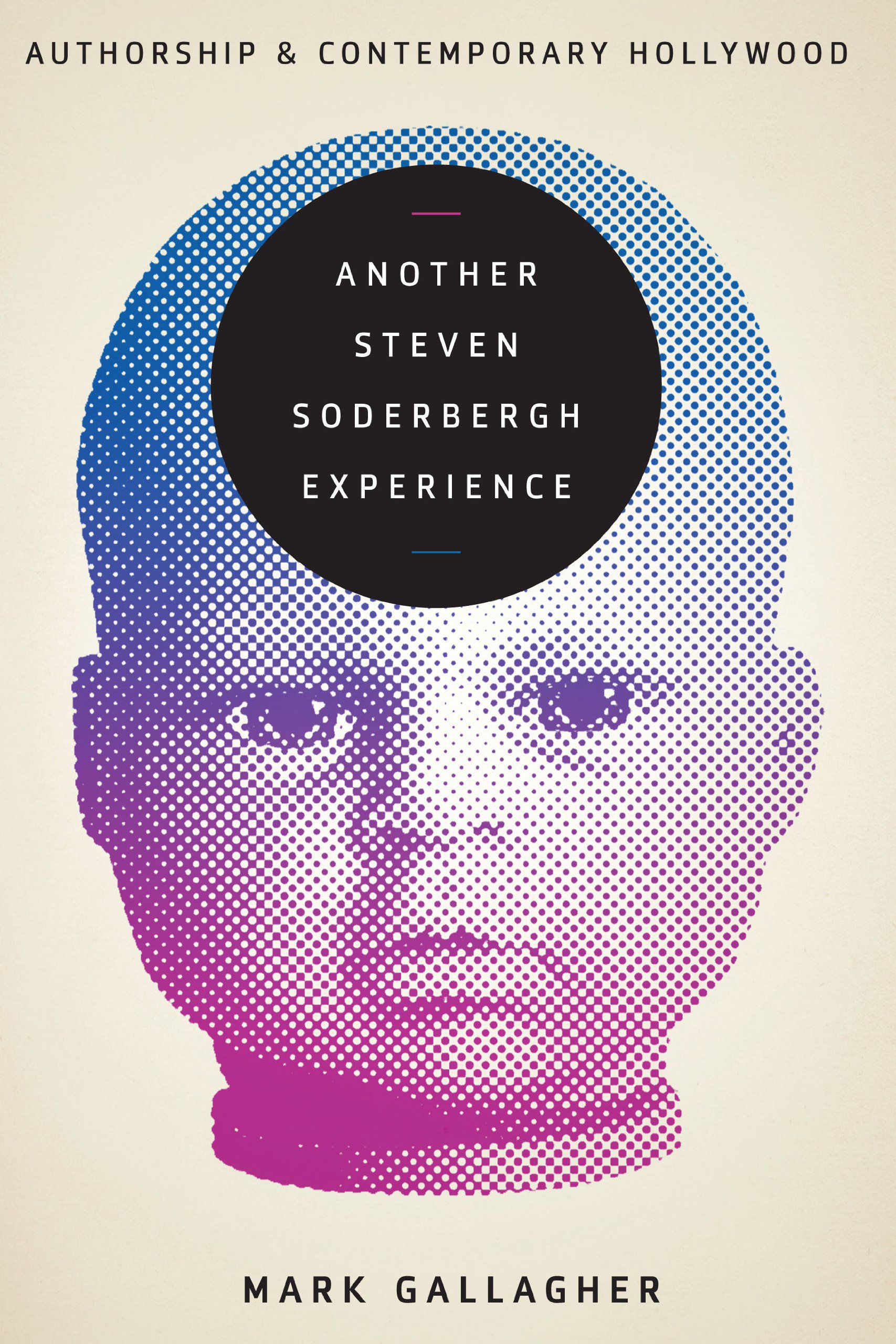
The book offers numerous alternative suggestions about the trends of critical reception in film/media culture.

Miyao wisely orders chapters by theme or emphasis, providing him the ability to jump from one line of reasoning to another, but without losing previous trains of thought.