Von Trier’s greatest film, by a wide margin, is revealed by Criterion to be even more beautiful than you may have already known.



Chuck Bowen's writing has appeared in The Guardian, The Atlantic, The AV Club, Style Weekly, and other publications.
Von Trier’s greatest film, by a wide margin, is revealed by Criterion to be even more beautiful than you may have already known.

It transforms from a meek lo-fi indie stalker thriller in the key of May to a hysterically sexist and homophobic revenge film.

No need to double-dip if you already own Criterion’s first treatment of this intensely conflicted and resonant Southern gothic masterpiece.
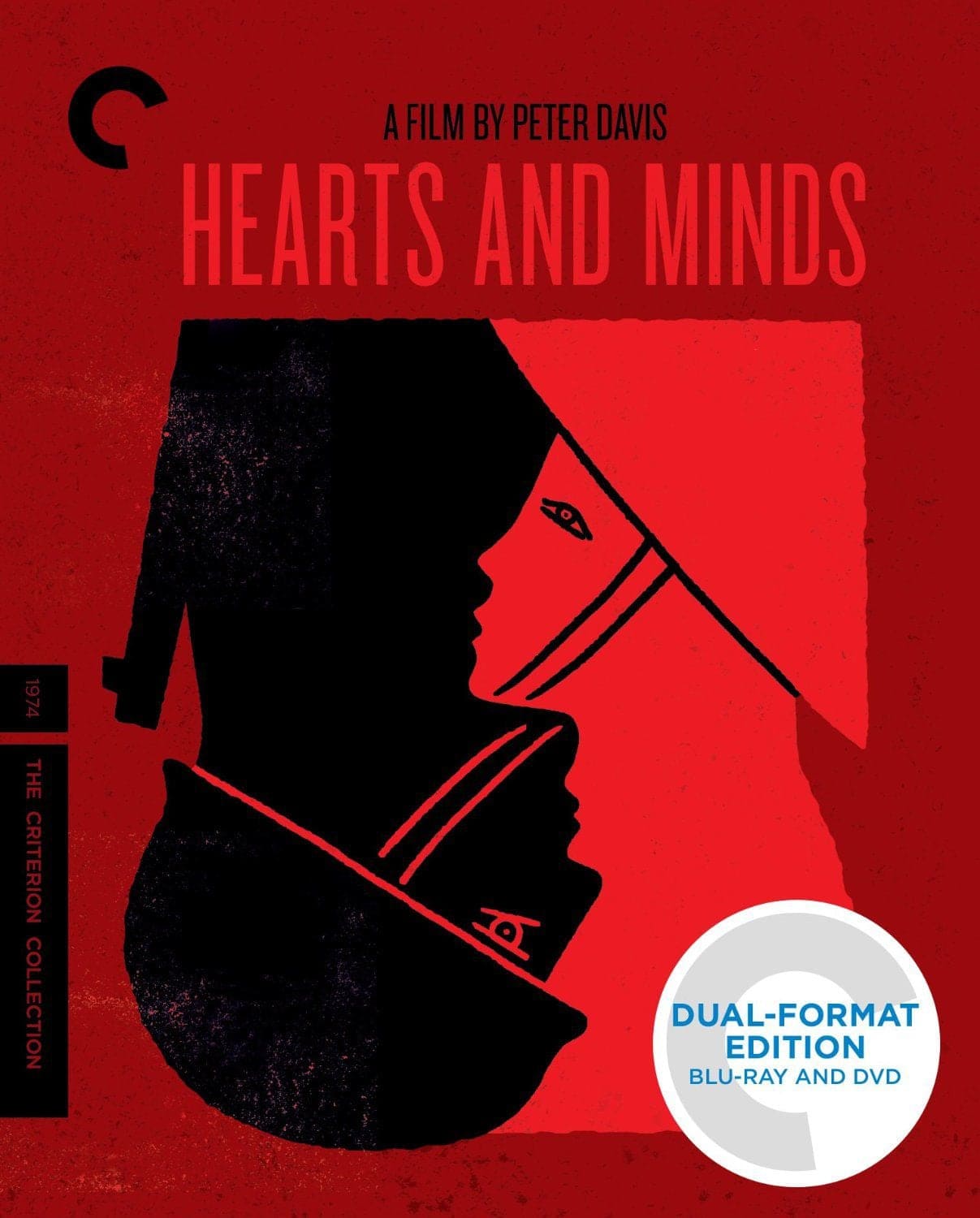
It ultimately offers little more than another opportunity for famous actors to indulge their fetishistic, inadvertently condescending impressions of “everyday” people.
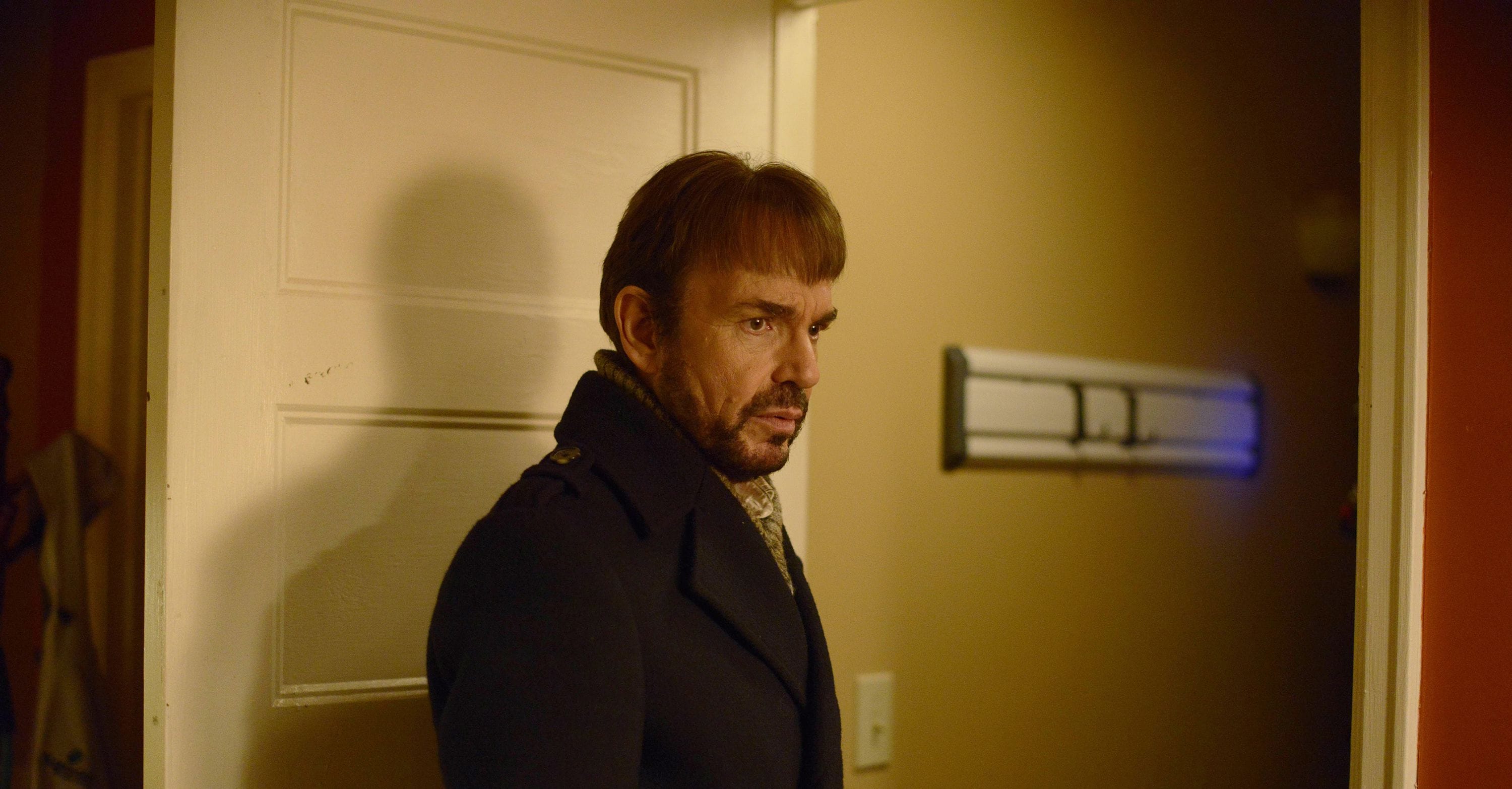
It often suggests an alternate world that exists parallel, or perhaps perpendicular, to the dimensions of the film on which it’s based.

It’s driven by an outrage that acknowledges that our culture is being reshaped, with terrifying rapidity, by opportunistic horndogs.

The sex in Nymphomaniac is inhuman, mechanical, boring, and predictably viewed through the (male) scrim of someone who characterizes women solely as withholders.

The problem with the film isn’t the contrivance of its premise, it’s that writer-director Jessica Goldberg doesn’t know it’s contrived.
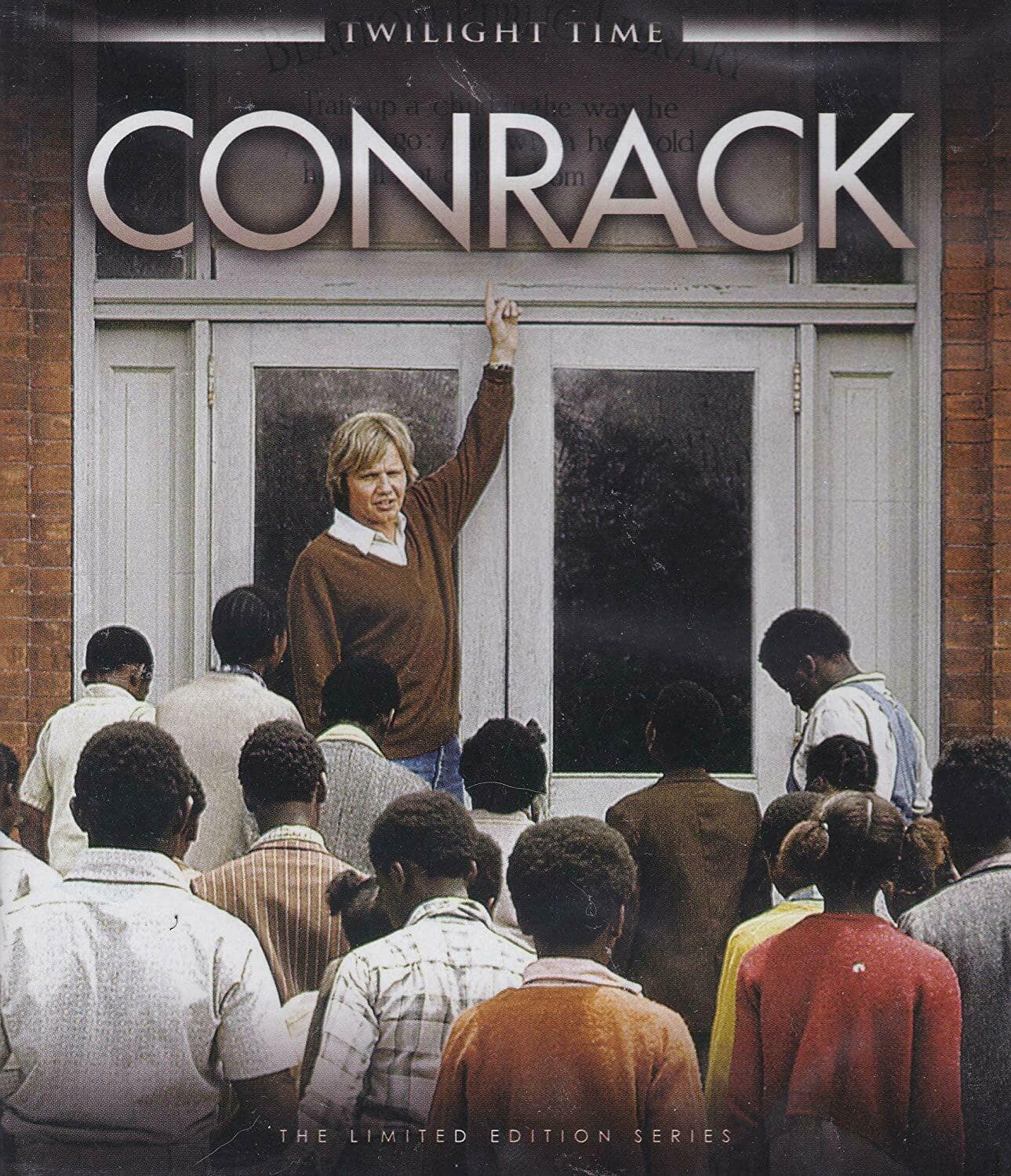
Conrack is the rare inspirational film that bothers to elucidate on both the benefits and the classist perils of bold, unfettered do-gooding.

It more or less resolves the season’s narrative concerns while simultaneously reminding us that such convenient closure is ultimately an illusion.

This troubled autobiography in genre film’s clothing receives an uneven transfer that’s aesthetically, even spiritually, apropos.

This gorgeous, yet slimly supplemented, release places the film in the ideal cultural context: as last year’s ultimate art-house party movie.

The godfather of contemporary postmodern art films remains vital, mysterious, and, thanks to Criterion, utterly gorgeous.

It grows increasingly hopeless as it contrasts the alien paradise of the opening with the wastelands that resemble corporate dump sites.

The episode reminds us that everyone in the Girls universe is still uncomfortable in their skin, per usual.

Eliza Hittman’s film captures the exclusive properties of sex with a degree of intimacy and empathy that, at times, feels authentically revelatory.

Blossoming cinephiles are advised to acquaint themselves with this poignant exploration of privileged American ennui.

An unsung 21st-century American noir receives the audio-visual treatment it deserves. But don’t expect much in the way of supplemental context.

“Role-Play” features the best performance of Lena Dunham’s career.

A sexily chaotic parody of entitlement becomes just another tale of a white dude learning that there are worse things in life than essentially having no problems.