Veteran Serbian filmmaker Goran Paskaljevic stages a bleak, five-episode circus of false hopes and cursed luck in The Optimists.



Bill Weber worked as a proofreader, copy editor, and production editor in the advertising and medical communications fields for over 30 years. His writing also appeared in Stylus Magazine.
Veteran Serbian filmmaker Goran Paskaljevic stages a bleak, five-episode circus of false hopes and cursed luck in The Optimists.

Planet of the Apes addresses racial animus with a boldness unusual for a Hollywood entertainment produced in the strife-torn America of 1968.
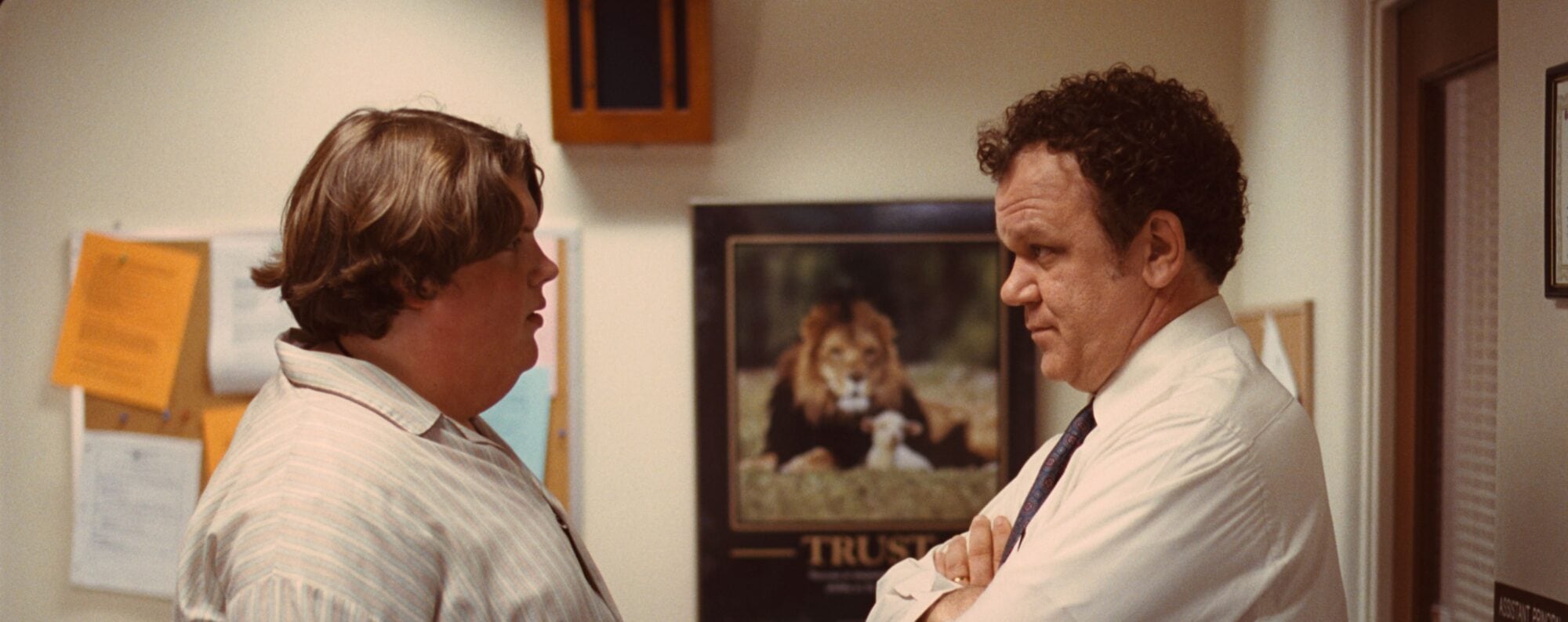
The film’s ultimate reassurances still feel a bit hedged, even in its sweet final observation of the ambling Jacob Wysocki’s sunlit face.
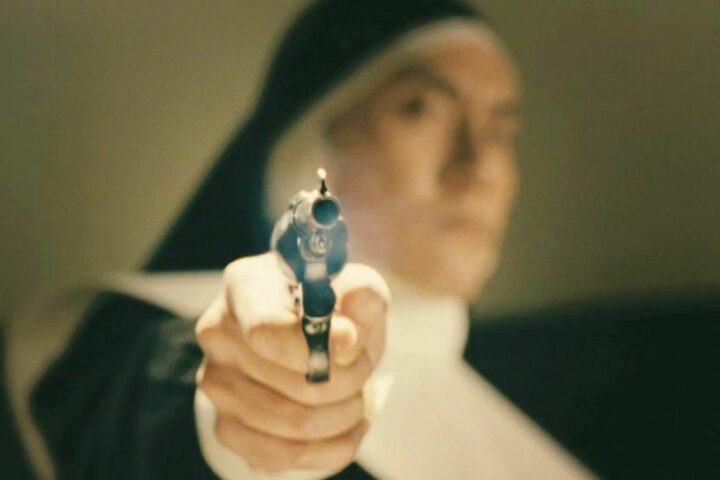
The film is a muddled state-sanctioned historical pageant produced to commemorate the 90th anniversary of the Chinese communist party.

Three nonfiction features at this year’s festival take 21st-century incarceration, and accompanying judicial abuses, as their focus.

Those who find Rohmer heroines difficult might even be won over by the depth and poignancy of Marie Rivière’s Delphine.
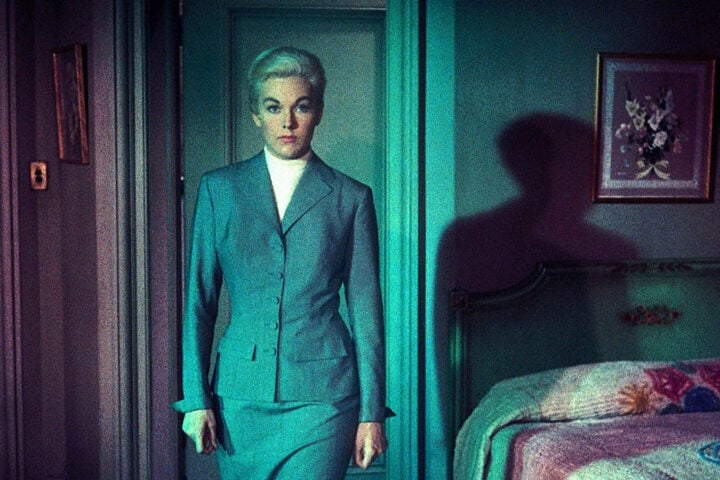
The film makes the case for Hitchcock as a grand experimental artist who labored in genre cinema.

A keystone in a historic cinematic movement, but this release does not persuade that it equals the best of its era or its genre.

It renders the recent history of Carnegie Hall Studios as a metaphor for the power of mammon over the muse.

City of Life and Death navigates the tropes of wartime docudrama with familiar reverence but an inexorable tug of horror.

Spencer Susser irrevocably drops the ball when Hesher begins to develop an interior life we’re supposed to take seriously.

Most depressing about the film are the learning-and-growing climaxes predictably expunging all of the material’s dark implications.

There Be Dragons is hamstrung by a decades-spanning, bifurcated narrative.

The film is a mother-daughter tragedy presented in a cinematic hall of mirrors.

The enduring, quietly tumultuous affair engrained in the film is between a city and its international population.

American falls short in failing to focus on the monologues that made Bill Hicks a beloved and alienating rogue.

You’ll wish it stuck with Reeves’s unlikely casting as Lopakhin in the Chekhov play as its focus rather than just a cutesy twist.
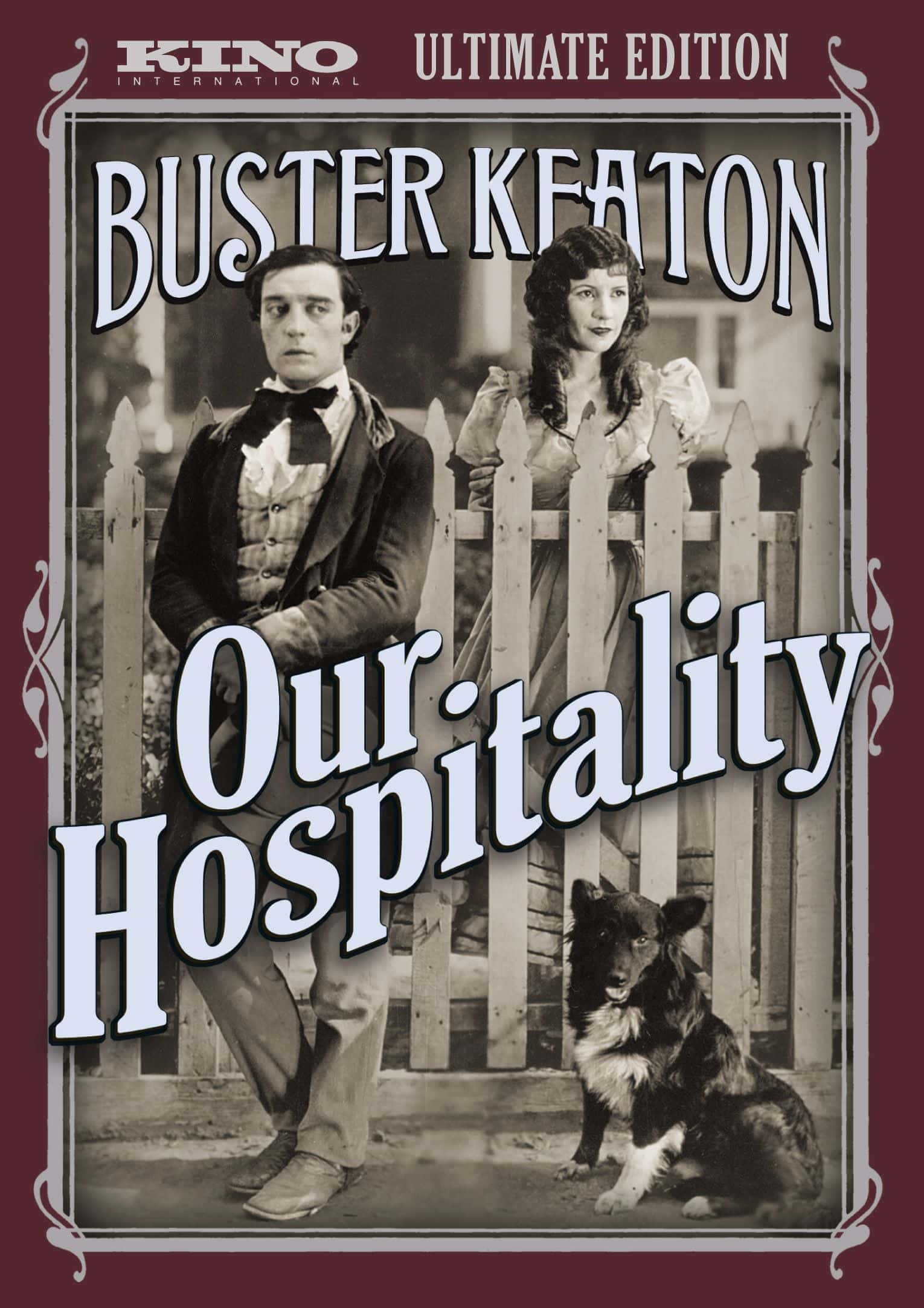
A solid, contextualized presentation of a pivotal work by an ambitious comic with a gift for visual poetry.

The film pales before the humor and gravity of Elia Suleiman’s recent The Time That Remains.

So soon after Catherine Deneuve and Gérard Depardieu’s sublime work in Changing Times, François Ozon’s froth looks especially trivial.