 It’s been 12 months since the release of Deerhunter’s breakthrough Cryptograms, half of it comprised of dark, eerie ambience and the other half bighearted, Loveless-indebted pop, and since then we’ve seen blog posts by the band ranging from pornographic to scatological, internet-aired intraband spats, a frenzied and frequently acrimonious touring program, and finally, in November, the unsurprising announcement of a “hiatus.”
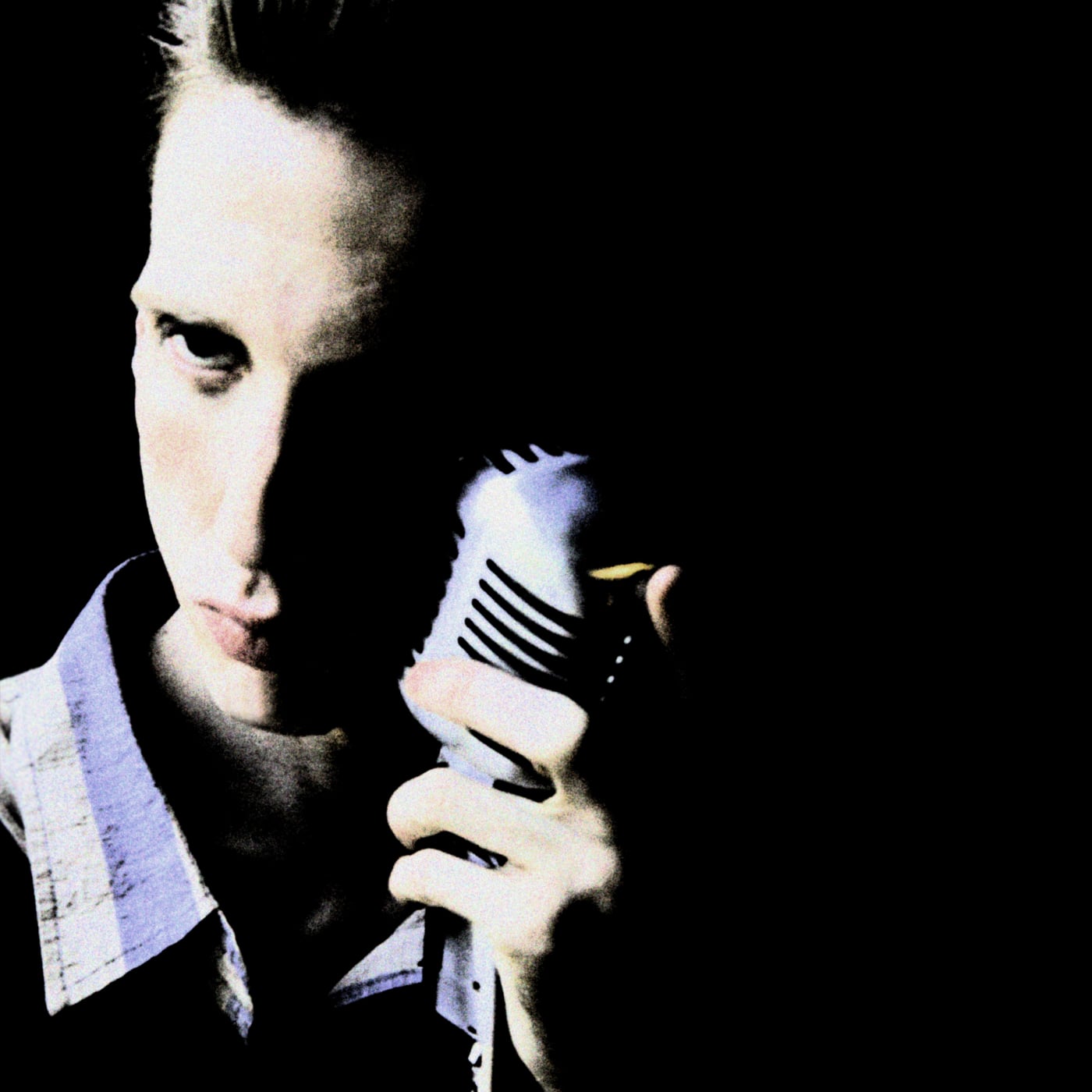
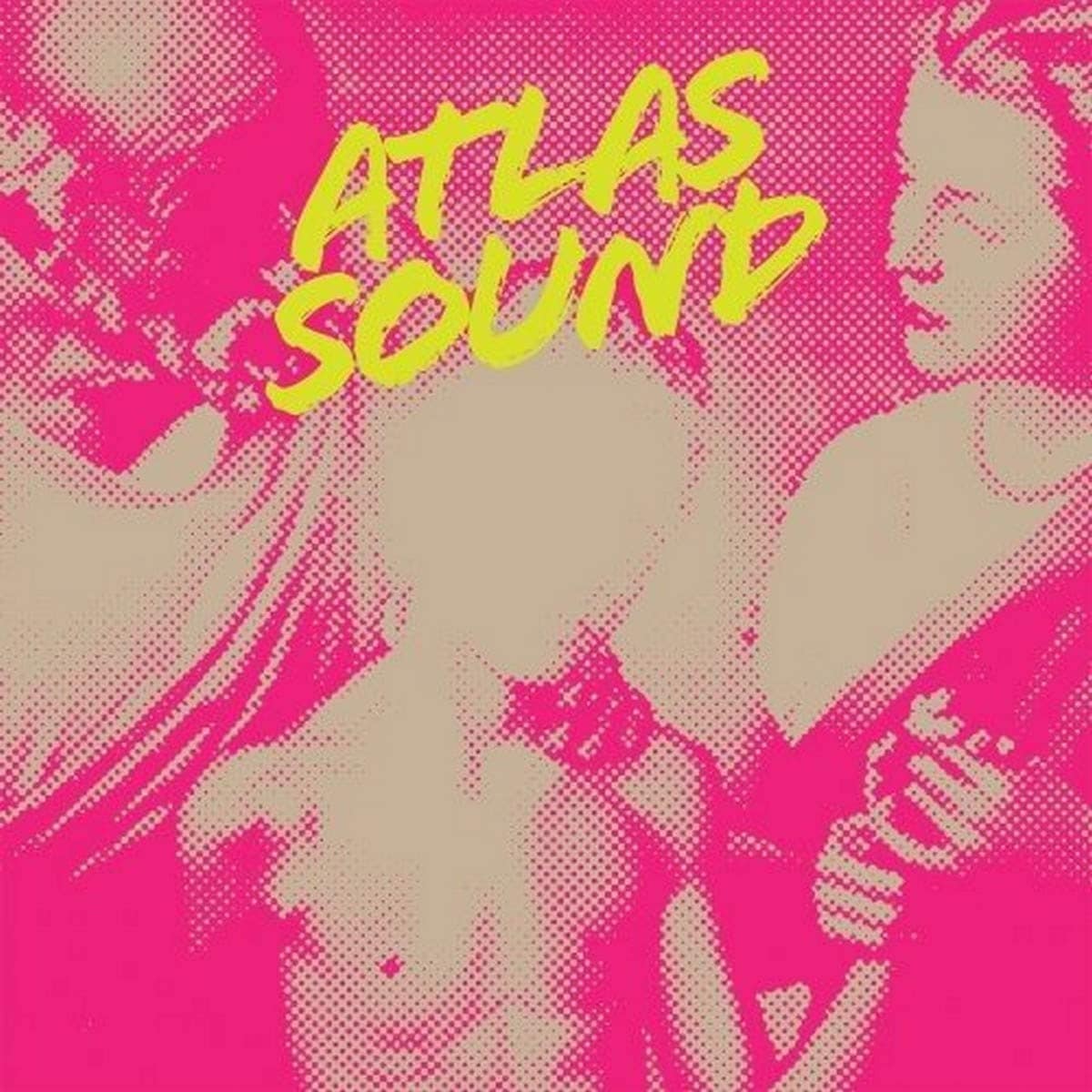
Now, Bradford Cox, Deerhunter’s frontman, spokesperson, and critical lightning rod, has taken to the bedroom and locked all the controversy out. His debut full-length under the moniker Atlas Sound, Let the Blind Lead Those Who Can See But Cannot Feel presents a washed-out monologue of childhood romance and tragedy, overly reliant on pedal effects and laptop wizardry, that in addition to lacking the primal squall of Cryptograms only occasionally catches the sheeny melodies that got everyone hooked in the first place.
Let the Blind offers an intriguing mixture of sounds, but rarely does Cox whip them into anything exciting. Many elements from Cryptograms (and few from the band’s neglected, more garage-oriented, eponymous debut) appear on Let the Blind, but the ratios have been adjusted and the overall energy level tempered. Cox’s vocals are lower in the mix, dreamier, and more likely to drift out of focus. The swells of static and synthetic twinkles, so jarring on Deerhunter’s records, take on a larger presence but fail to grate or engage, respectively.
Contrary to what might be expected for a one-man band, though, Atlas Sound isn’t abscent of time-keeping or structure: Cox is an able drummer and bassist, and in cases where the vocal moans and guitar noise threaten to run a song off its rails, a methodic arrangement of rhythm keeps the operation in line. Some of these soft, jangling constructions are truly exceptional: “Bite Marks” borrows a doo-woppish, “Heart and Soul” bassline and buries it under a fuzz of chirpy glitches and vocalizations about sexual brutality—quite enjoyable and particularly Coxian. “Quarantined” abides by the same sweet-and-sour aesthetic, its chopped-up beats cunningly reminiscent of Janet Jackson’s “Runaway” and yet still twisted and unique. The slow-burning ballad “River Card” is a close relative to the quietest Deerhunter, especially the more disciplined attempts found on the stellar Fluorescent Grey EP.
Despite its most successful moments, though, Let the Blind Lead is too hindered by middling material to live up to Deerhunter’s standards. The ambient passages (“On Guard,” “Winter Vacation,” “Ready, Set, Glow”) are thoroughly unremarkable, devolving into effects-noodling and cheap equalizer tricks. Lyrically, Cox has hardly earned a reputation for profundity, but here verbal clunkers often ruin what might have been decent songs.
In a recent interview, Cox described how he artlessly transcribed his experience into journaling-as-poetry, revealing that “Recent Bedroom” was about his witnessing the death of an elder relative and being incapable of producing tears. Cue these uninspiring lines from the song: “I walked outside, I could not cry/I don’t know, I don’t know why.” “Cold As Ice” also reproduces adolescent trauma without insight. The relevant, and certainly more interesting, incident here concerns a former crush of Cox’s, who forced him to watch her undress in the walk-in freezer of a Subway restaurant where they both worked. Cox’s portrayal (and this is the entire song, barring repetitions): “Walk into the back room/Cold as Ice/Waiting there.”
Cox has said that Let the Blind Lead is meant to be a “therapeutic” album—both to him and his audience. The psychiatric exercise of creating the album may have done him some good, but fans of Deerhunter’s transcendent rock will have to wait for the band’s next album if they want the kind of catharsis that is only hinted at here.
Since 2001, we've brought you uncompromising, candid takes on the world of film, music, television, video games, theater, and more. Independently owned and operated publications like Slant have been hit hard in recent years, but we’re committed to keeping our content free and accessible—meaning no paywalls or fees.
If you like what we do, please consider subscribing to our Patreon or making a donation.