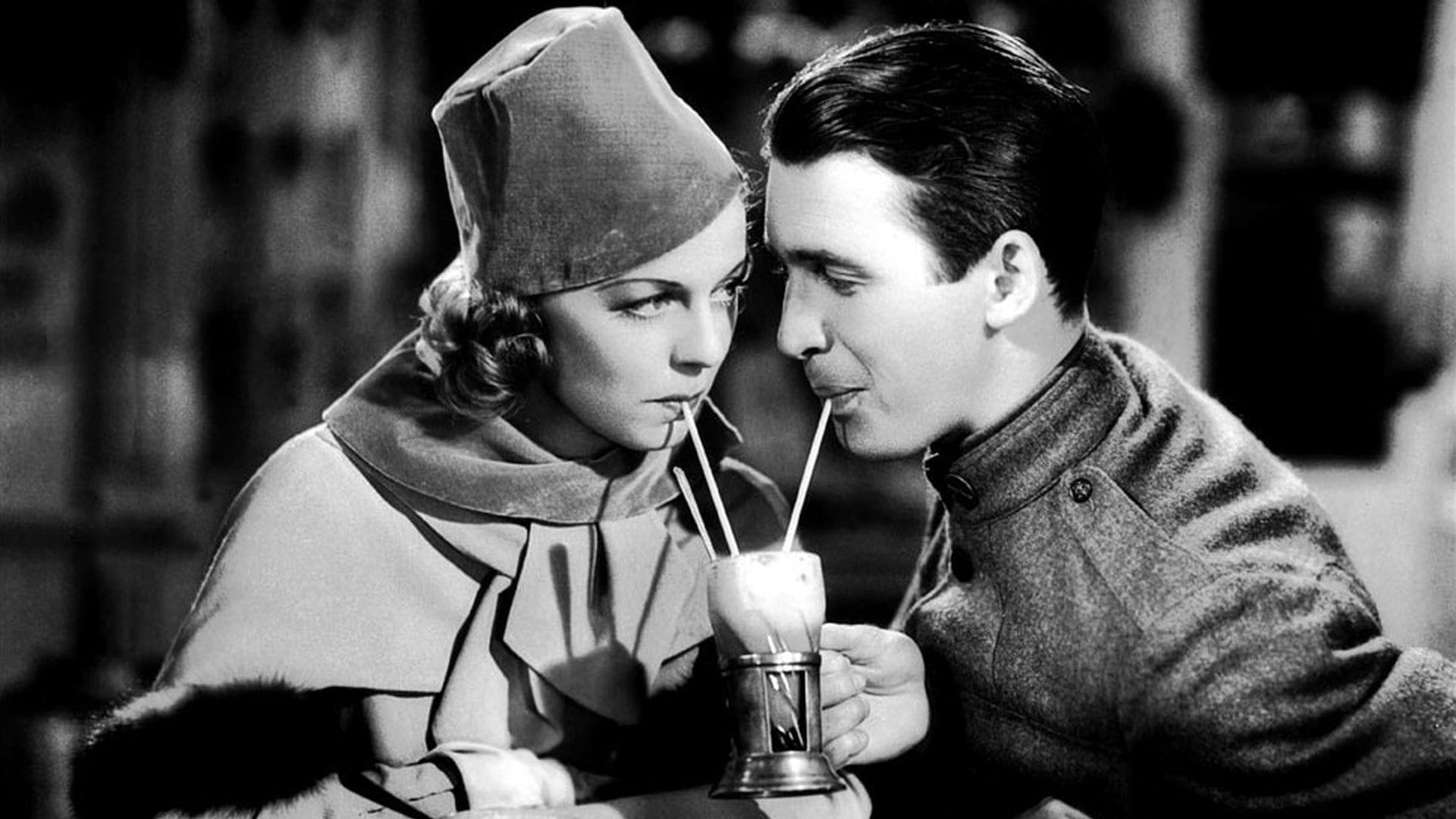
The first in Frank Borzage’s increasingly worried studies of Germany in the 1930s, Little Man, What Now? was also the first film where he used an actress who suited his work perfectly: small, wisp-voiced Margaret Sullavan, a one-of-a-kind performer in both looks, style, and attitude. Like all of Borzage’s films about Germany, it ran into a lot of interference from studio brass and the Hays Office, and its politics remain vague, if not confusing. Maybe it’s hindsight, or maybe it’s Borzage’s talent, but Little Man, What Now? does manage to suggest what was happening within this embattled, darkening country. Borzage always had a rather keen intuition for horrors outside domestic space that go frighteningly unnamed.
Sullavan plays Lammchen, a young pregnant girl struggling to survive with her husband Hans (a brittle Douglass Montgomery). In the opening scenes, she’s considering whether or not to have an abortion, and when she sees a child in the street, Lammchen decides to have her baby, even though she and Hans are living in extreme poverty. These early scenes have a rainy delicacy to them that’s summarily abandoned in the sequence that introduces Hans’s tyrannical boss, Emil Kleinholz (DeWitt Jennings). The scenes with Kleinholz border on the cartoonish, which isn’t helped by Arthur Kay’s obnoxiously nonstop, overly obvious score. But the film regains its footing in a sexy woodland idyll where Lammchen hikes up her dress, runs around flirtatiously, and finally jumps from a tree onto her husband, literally humping him in ecstasy (Borzage was particularly pleased with Sullavan’s abandon in this scene).
Hans loses his job after Kleinholz sees him with his wife (the boss had wanted him to marry his homely, mortified daughter), and the couple winds up with Hans’s mother (Catherine Doucet), a piss-elegant but shady lady who apparently operates some kind of brothel. Hans gets a job in a clothing store, and in the film’s most upsetting scene, an actor (Alan Mowbray) tries on clothes all afternoon, then decides to purchase nothing. When Hans pleads with him to buy something, knowing he has a quota to make, the actor reports him and he’s fired again.
The unfairness underlining that whole sequence makes the blood boil; it has the full-blooded indignation that Borzage brought to the other film he made that year, No Greater Glory. Montgomery is the weakest and most hysterical of Borzage’s men, but he makes the painful moments stick deeper because of the rawness of his acting. If the semi-hopeful ending of Little Man, What Now? isn’t particularly convincing, Borzage can be forgiven in thinking that a world that included someone like Sullavan couldn’t be all that bad.
Since 2001, we've brought you uncompromising, candid takes on the world of film, music, television, video games, theater, and more. Independently owned and operated publications like Slant have been hit hard in recent years, but we’re committed to keeping our content free and accessible—meaning no paywalls or fees.
If you like what we do, please consider subscribing to our Patreon or making a donation.