If the already terrific Something Something Über Alles were a multimedia production it would be Obie Obie über alles as well.


If the already terrific Something Something Über Alles were a multimedia production it would be Obie Obie über alles as well.
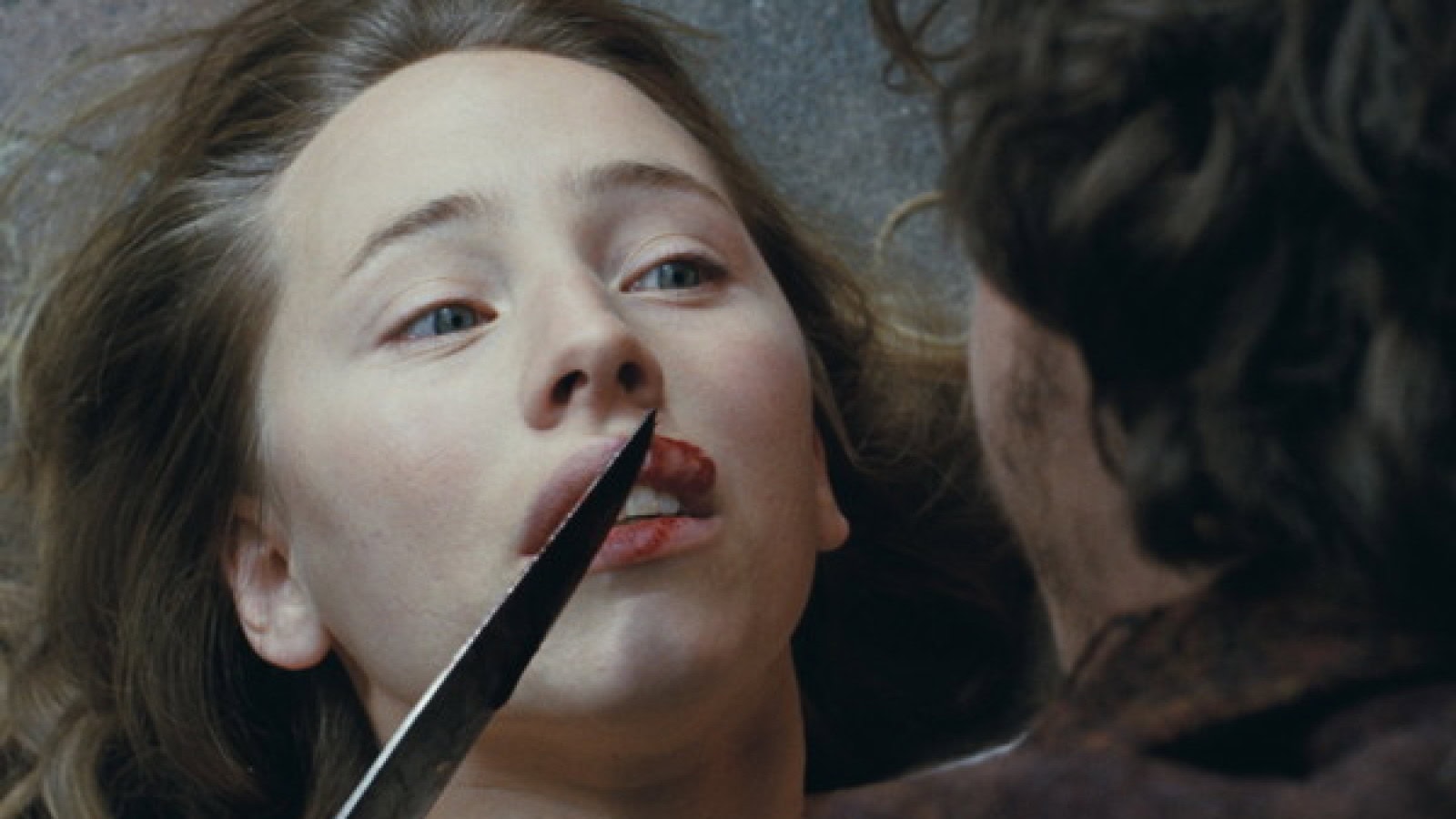
The film winds down toward a non-climax that feels like an admission of its inability to guide its craziness to a satisfying conclusion.
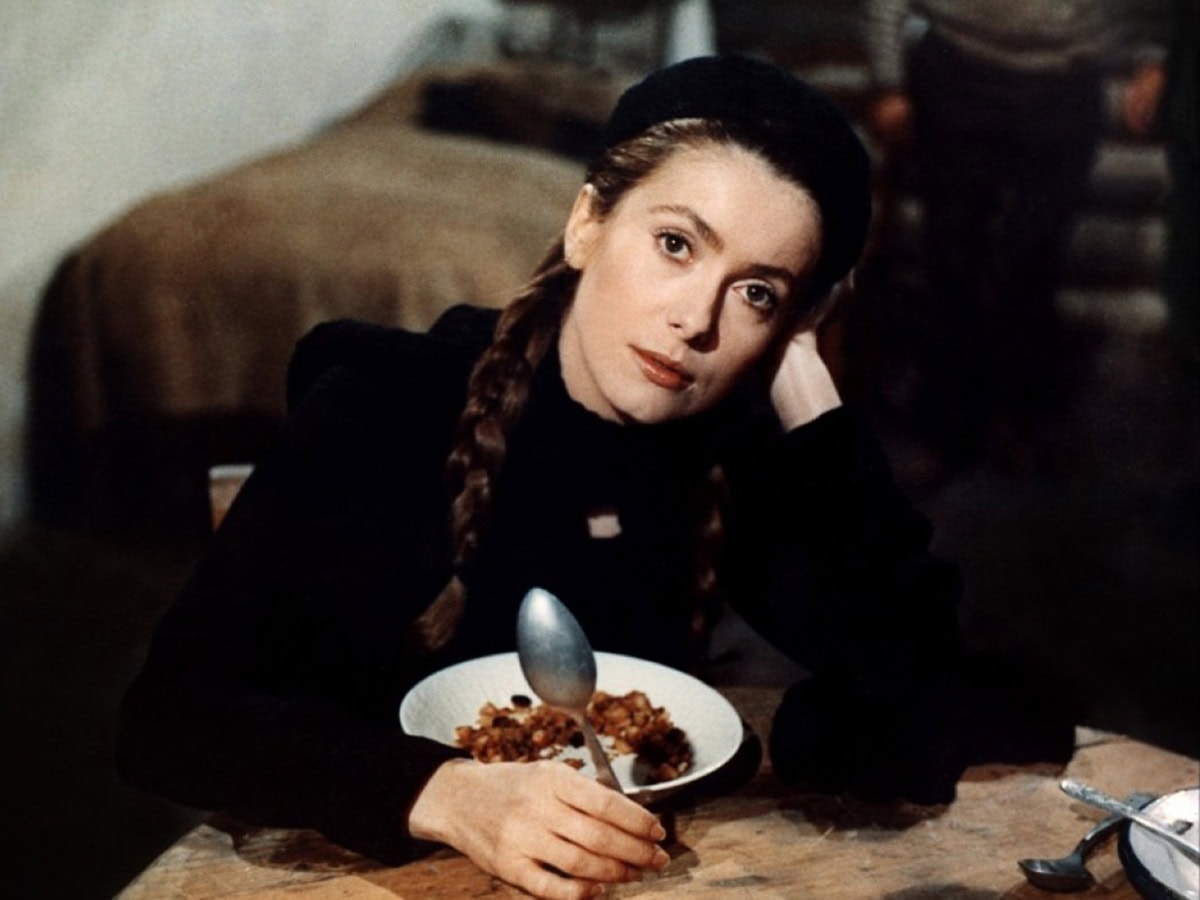
Deneuve is a bit like Garbo, in that we as an audience have always projected our own fantasies onto her phenomenal beauty.
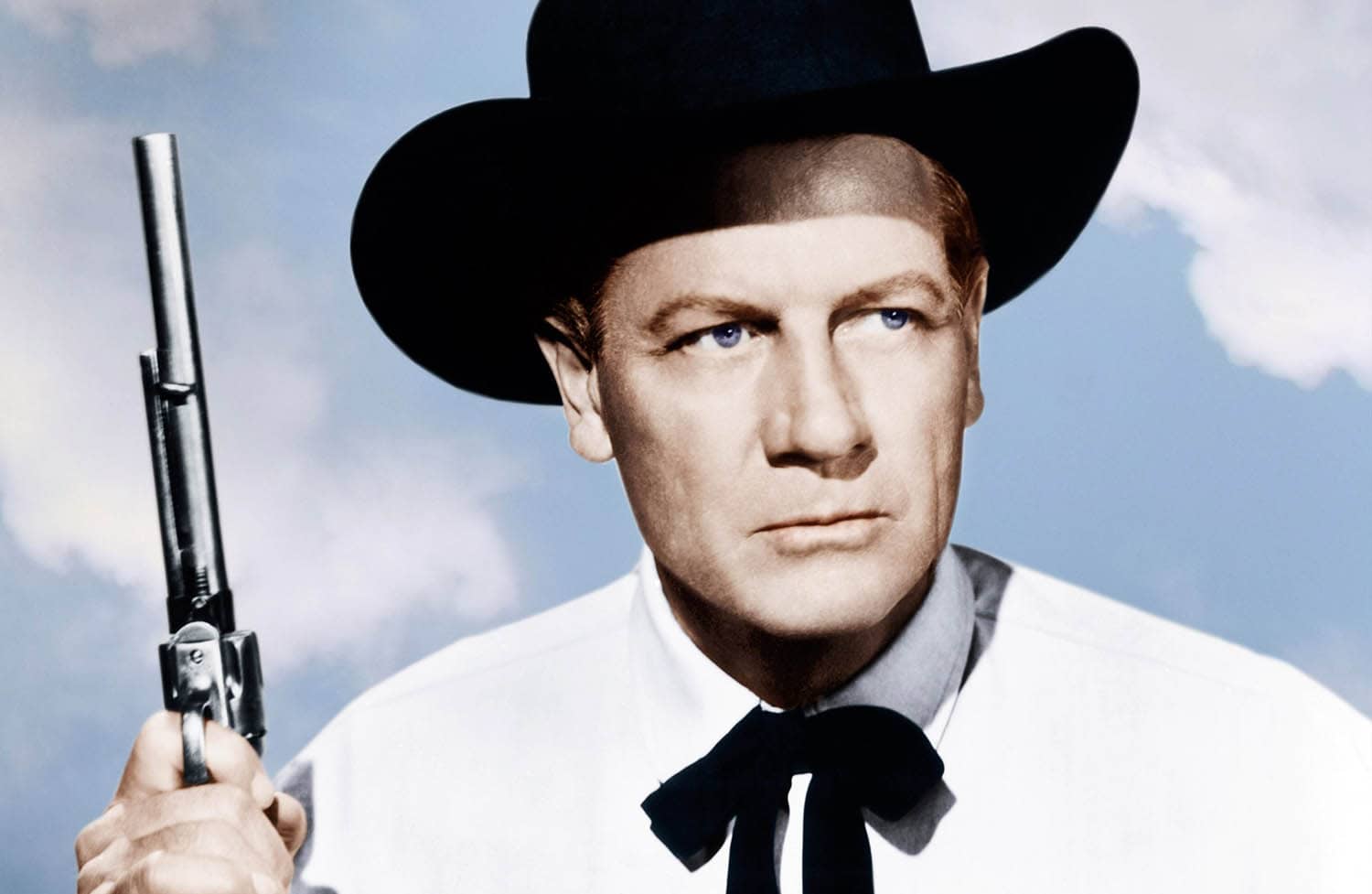
The film paints Wyatt Earp as an everyman who has no other choice but to do the right thing.

Breillat’s films tend to examine sex in close quarters, trapping their characters in situations where they’re forced to confront otherwise ignorable realities.

The Mackendrick film’s plot and imagery both rely on the timely, English steam trains that always seem to be within earshot of the action.
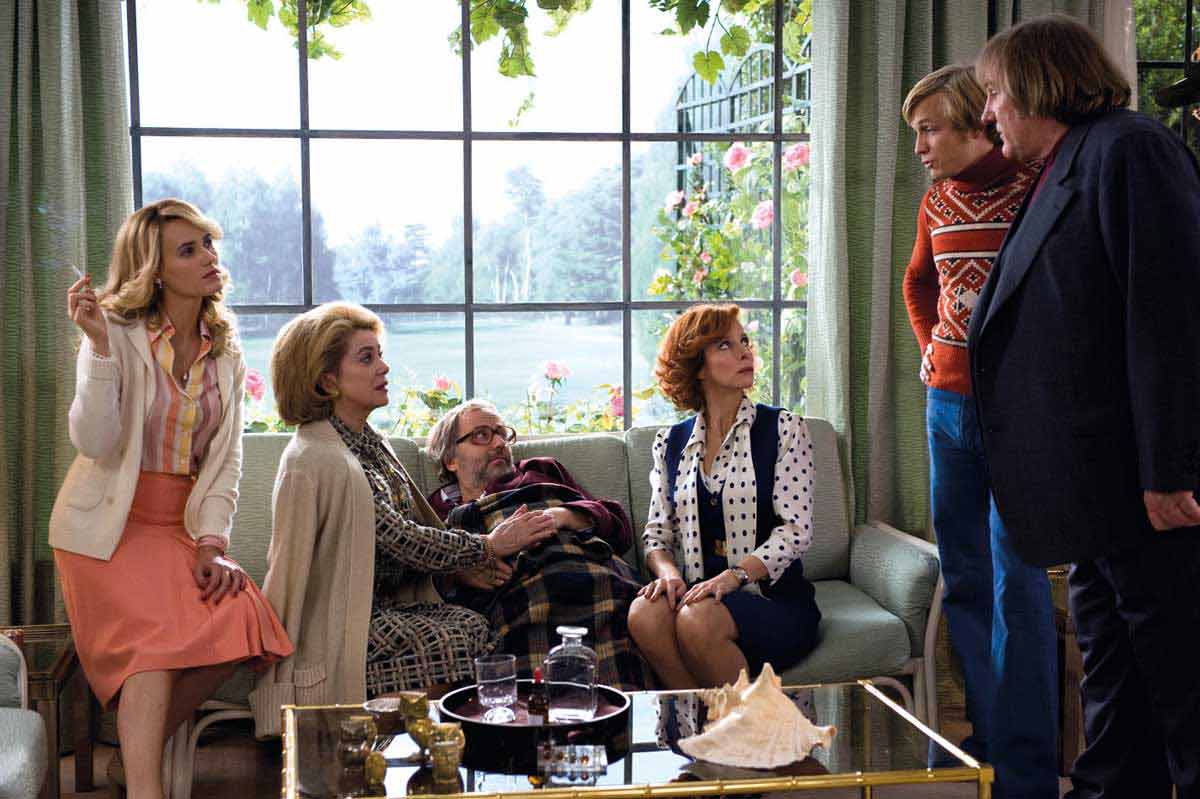
Potiche finds François Ozon reverting to his campy 8 Women ways.
The title of Mogwai’s new album acts like a primer for the band: heavy, defiant, with just a hint of black humor.

Skiff’s rote filmmaking is fortunately topped by his eye-opening subject matter.

A Lady Gaga video serves as far more than a simple visual interpretation of a song.
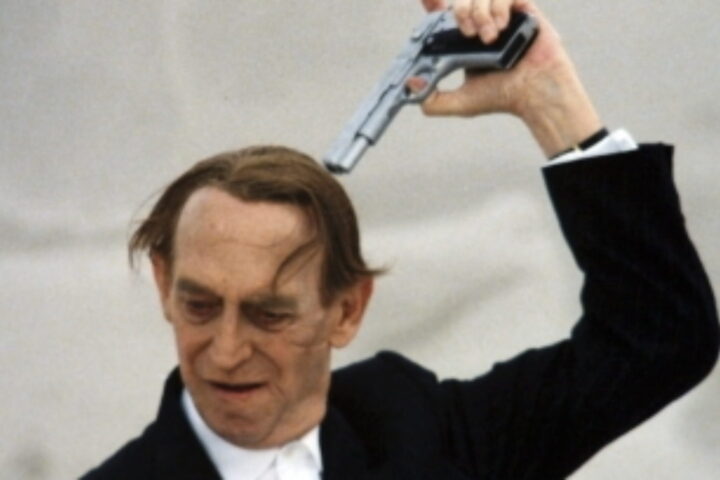
Wundkanal inevitably becomes about the dizzying confusion of history, its inability to be processed or explained in any linear fashion.
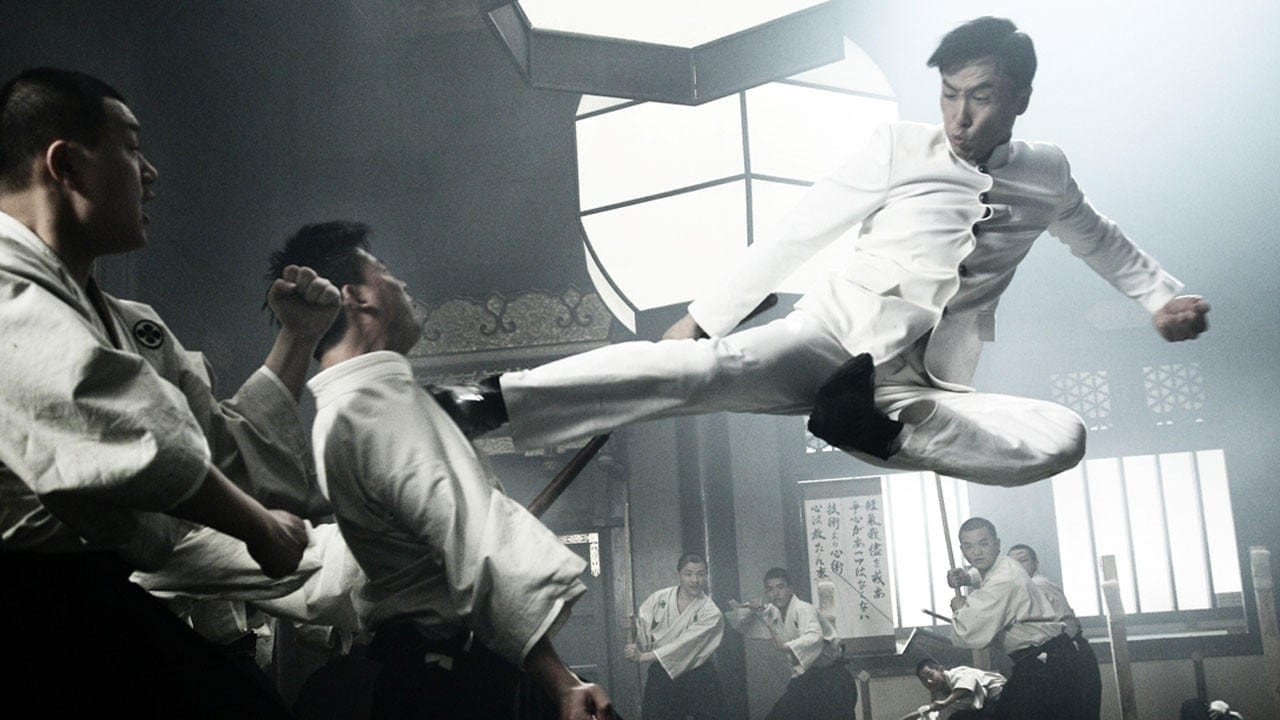
Leave it to Andrew Lau to drown a staid, fool-proof setup for success in grandiose tragedy and pseudo-significance.

If you followed some of the Links of the Day about The Illusionist, you may be familiar with the controversy over it.
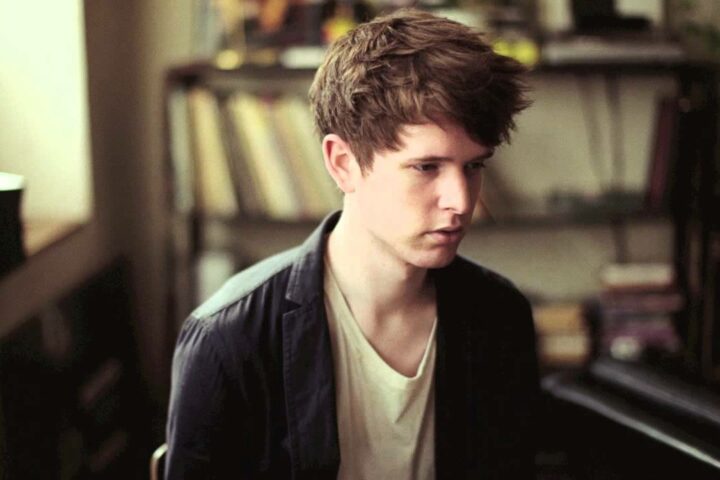
“Love What Happened Here” proves that the 22-year-old likes making twitching club tracks just as much as headphone masterpieces.

Its unsettling air lies in Sono and co-writer Yoshiki Takahashi’s unwillingness to attach Murata’s mania to a recognizable source.
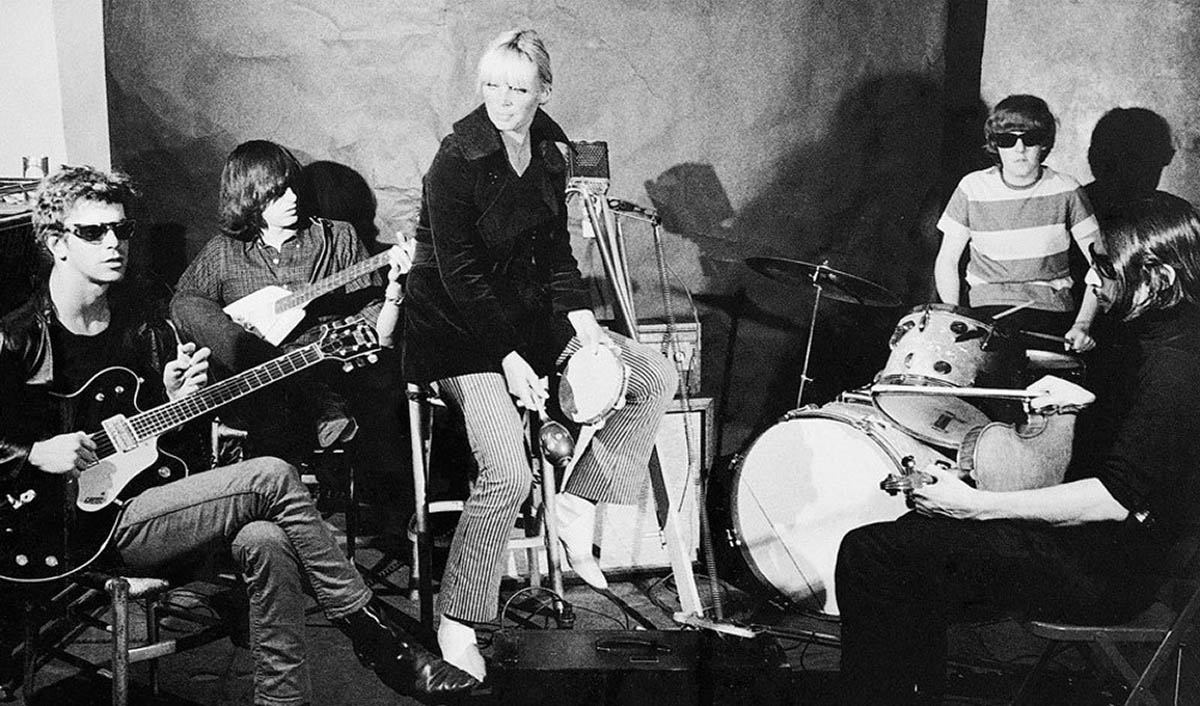
Andy Warhol’s documentary is in absolute lockstep with the textures of its soundtrack.
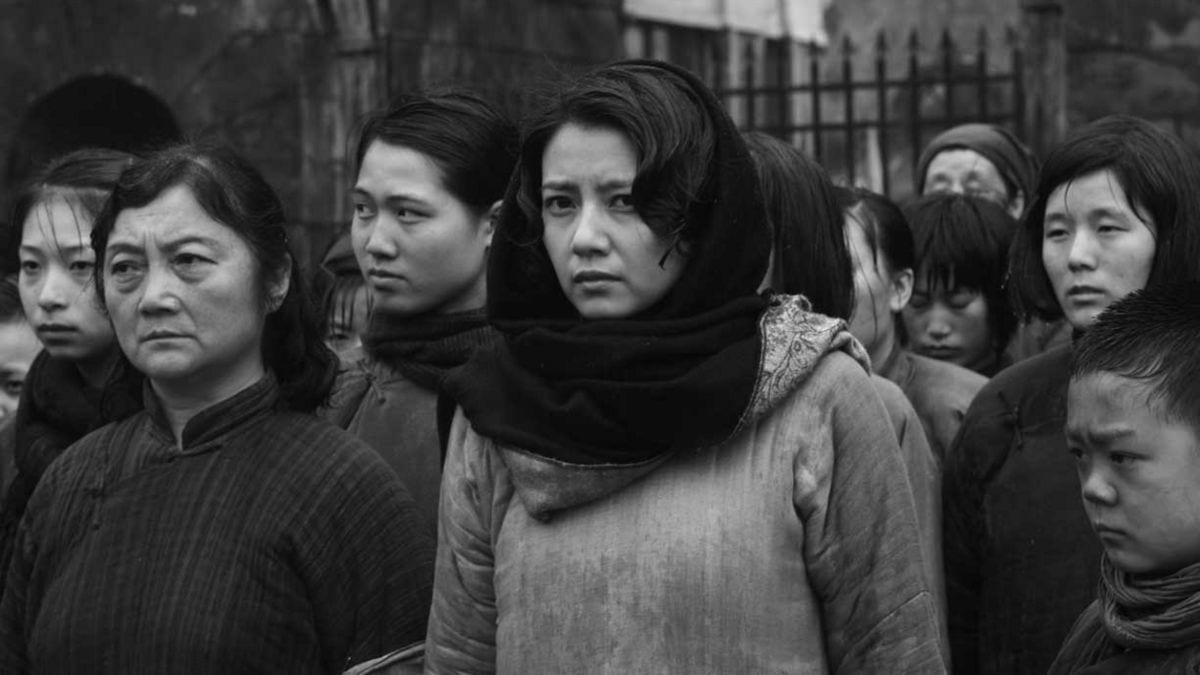
A box office hit in its native China, Lu Chuan’s divisive epic about the Nanking massacre courted enormous controversy almost from the start.

The way Dolan shyly but boastfully showed me the Cocteau tattoo on his arm is not something I’m likely to forget.

The Critics is an icily witty exercise in Windy City rancor.

How to make a talking-head documentary when the subject’s actual head is the one element that the director cannot film?