Every character’s gesture is paradoxically bombastic and consequential.


Every character’s gesture is paradoxically bombastic and consequential.

It’s best to approach Two Years at Sea as an environmental immersion more than anything else.
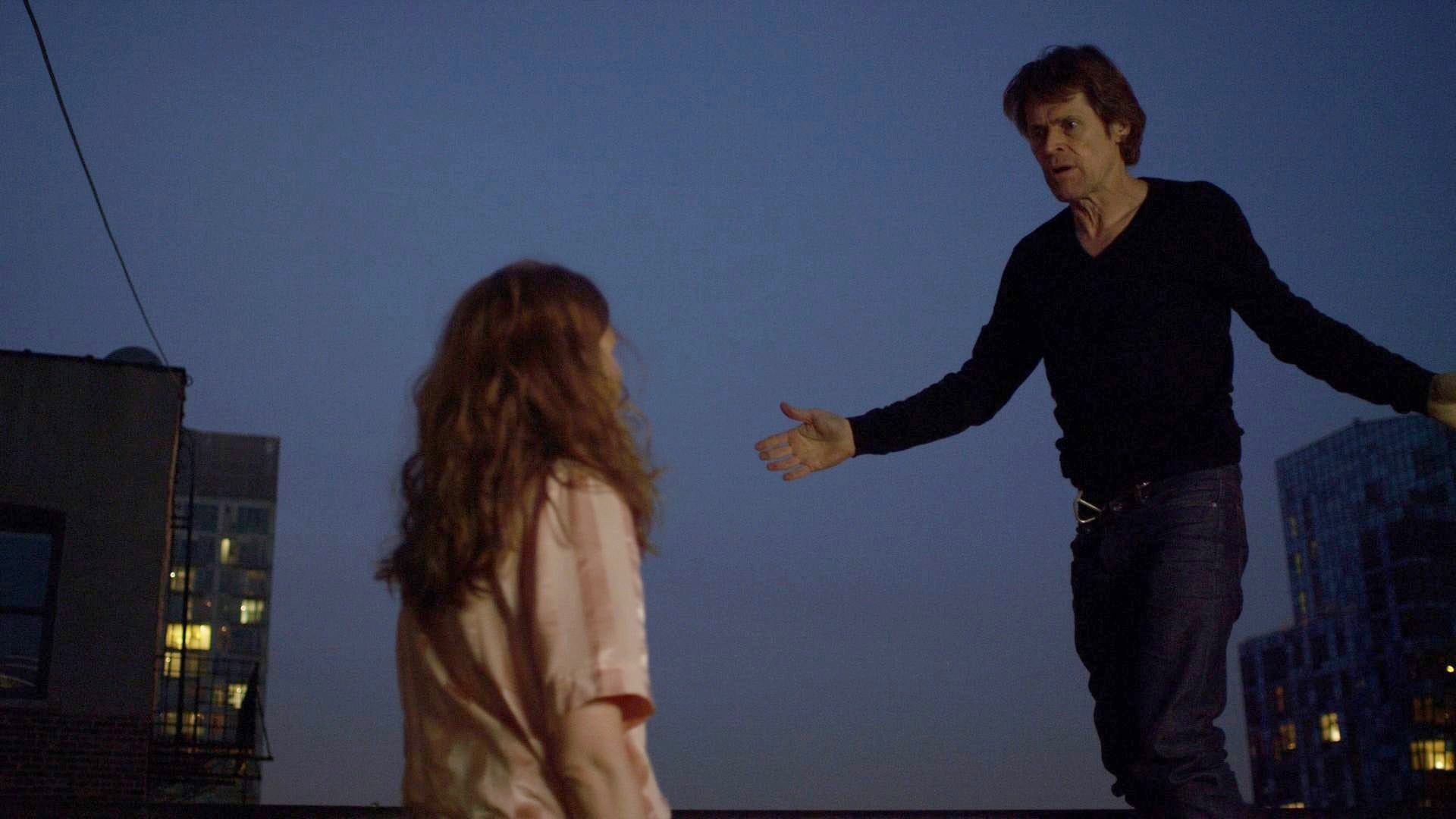
The film is Ferrara’s barebones, superficial musing on the hypothetical “What would happen if everyone knew the world was ending”?

Blame it on the idiot box.
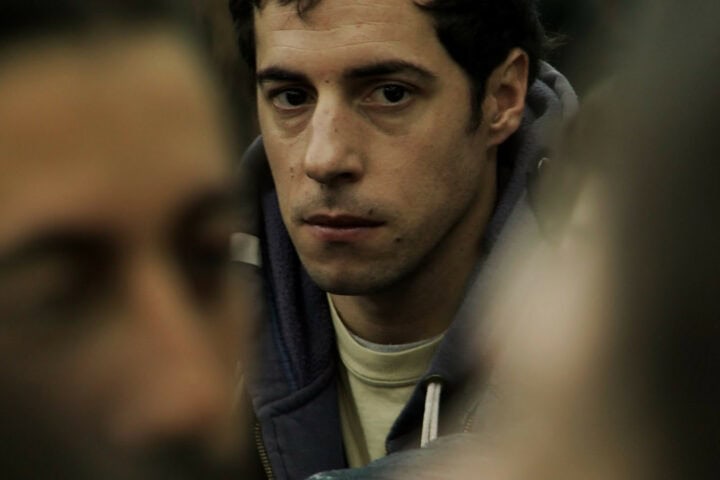
Santiago Mitre Mitre infuses The Student with a fleet political-thriller pace that can be said to reflect the main character’s mindset.
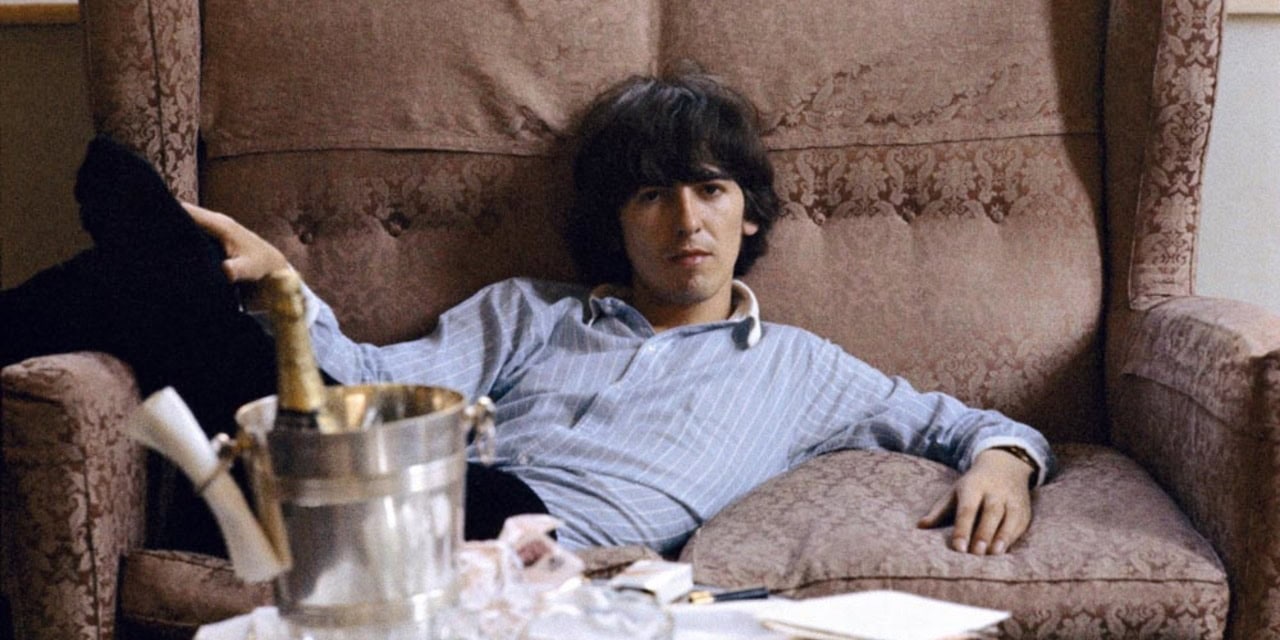
Harrison’s search for spiritual fulfillment might not have been so fervent had it not been for the otherworldly success of the Beatles.
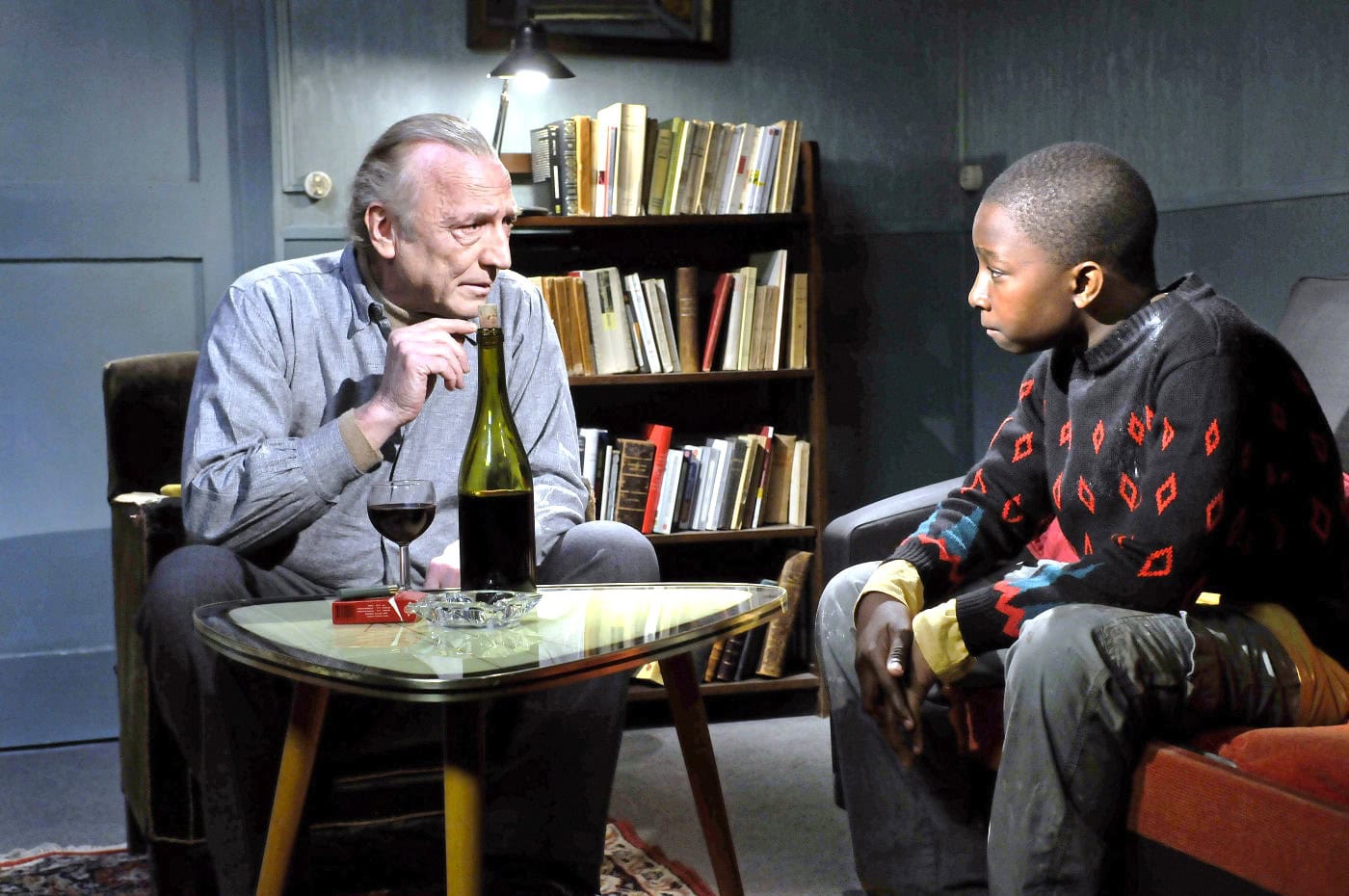
Aki Kaurismäki’s latest is amusing and humane in good measure.

Unpredictable twists, a gathering sense of dread, and the tender humanism that infuse it all make Farhadi’s film absorbing.

The series shares with Sátántangó an interest in dissecting a social environment, uncovering unsavory human truths in the process.

The exterior mirrors the interior and vice versa in Melancholia.

If nothing else, the film is a terrific example of a minimalist style employed with near-maximum effectiveness.

The most striking thing about Carnage is how much funnier it is than its source material.
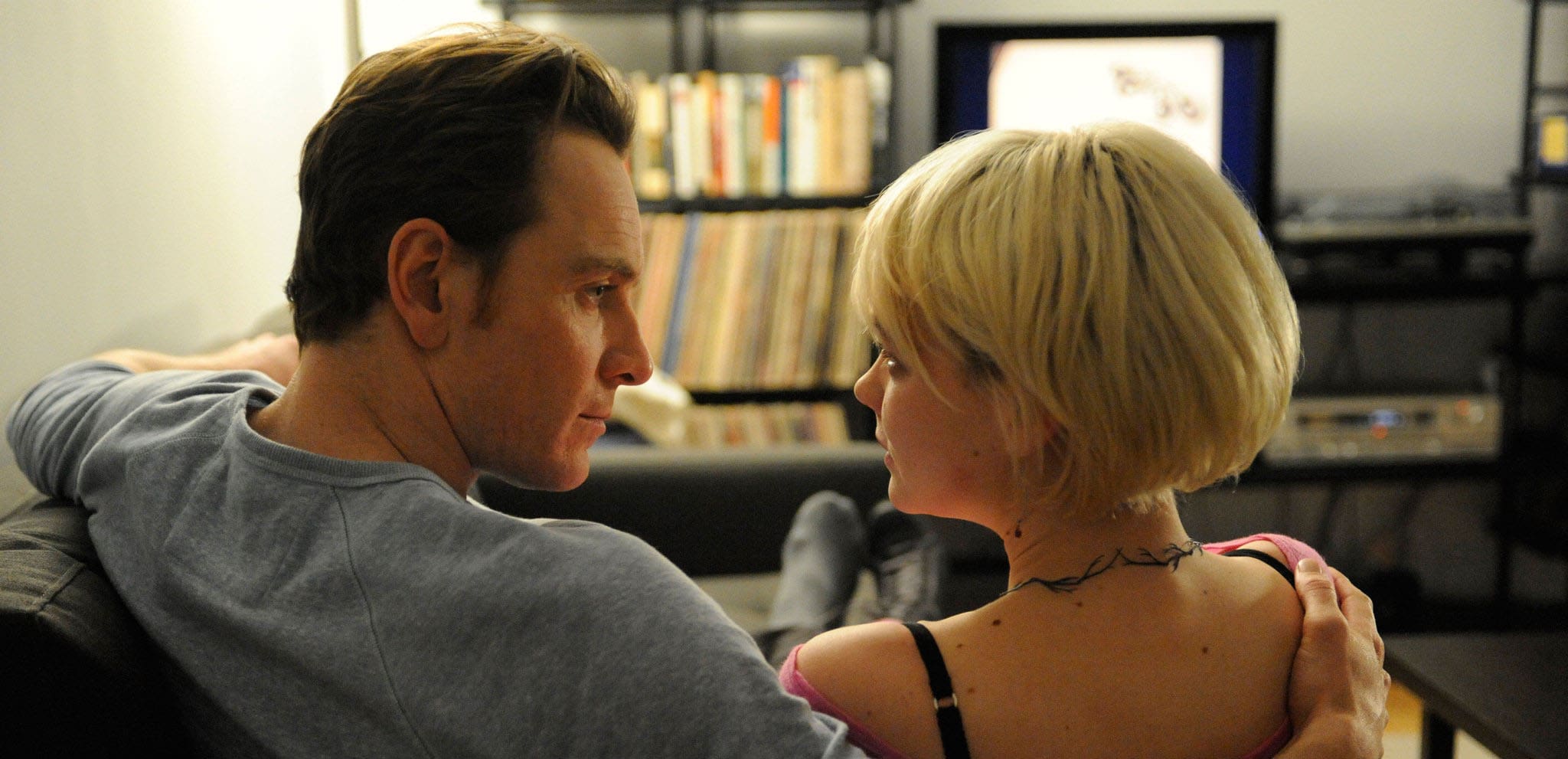
Th selections confirm the curators’ ability to gather together both heavily buzzed-about titles and lesser gems in one trim 27-film main slate.

Steve Coogan is brilliant…and has to still tell us so.

The dominant impression from this year’s Views from the Avant-Garde is that video artists are still figuring out what to do.

Aaron Cutler, Kenji Fujishima, and Elise Nakhnikian share their thoughts via email about this year’s festival.

Here is a breezy, old-school horror romp which gets a surprising amount of mileage from the usual genre standbys.

Véréna Paravel and J.P. Sniadecki’s Foreign Parts is a lovely and detailed visual elegy.
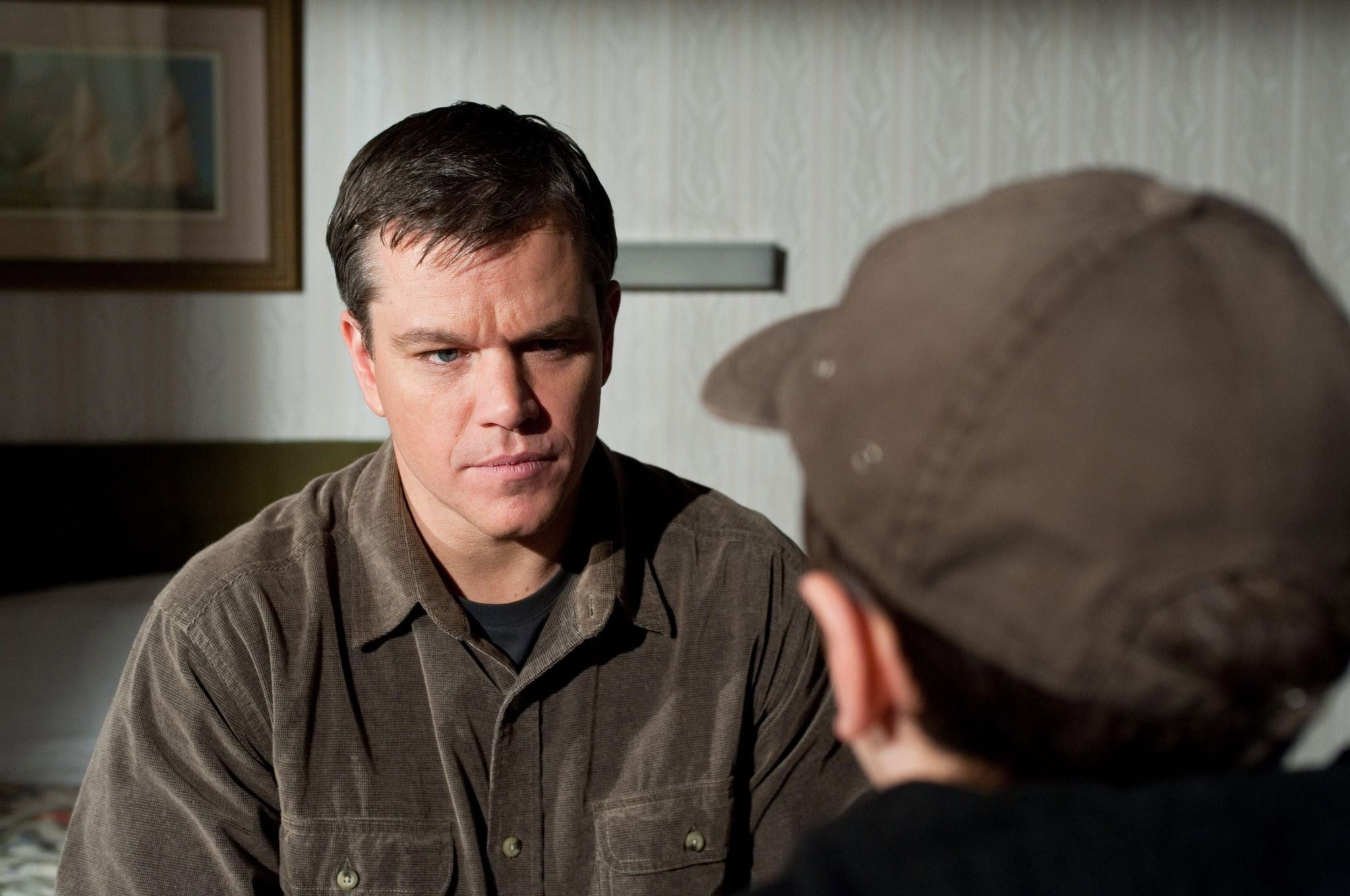
Film usually reveals itself to audiences with splices and scratches, while Eastwood has shown how DV printing and projection can look pristine.

A man lathers himself with shaving cream, then looks into his mirror.