Even if “Iowa” is a workhorse of an episode, it bodes well for what comes next.

Even if “Iowa” is a workhorse of an episode, it bodes well for what comes next.

One of the more consistent and admirable qualities of Girls is its messy, funny, and heartfelt depiction of relationships as fluid.
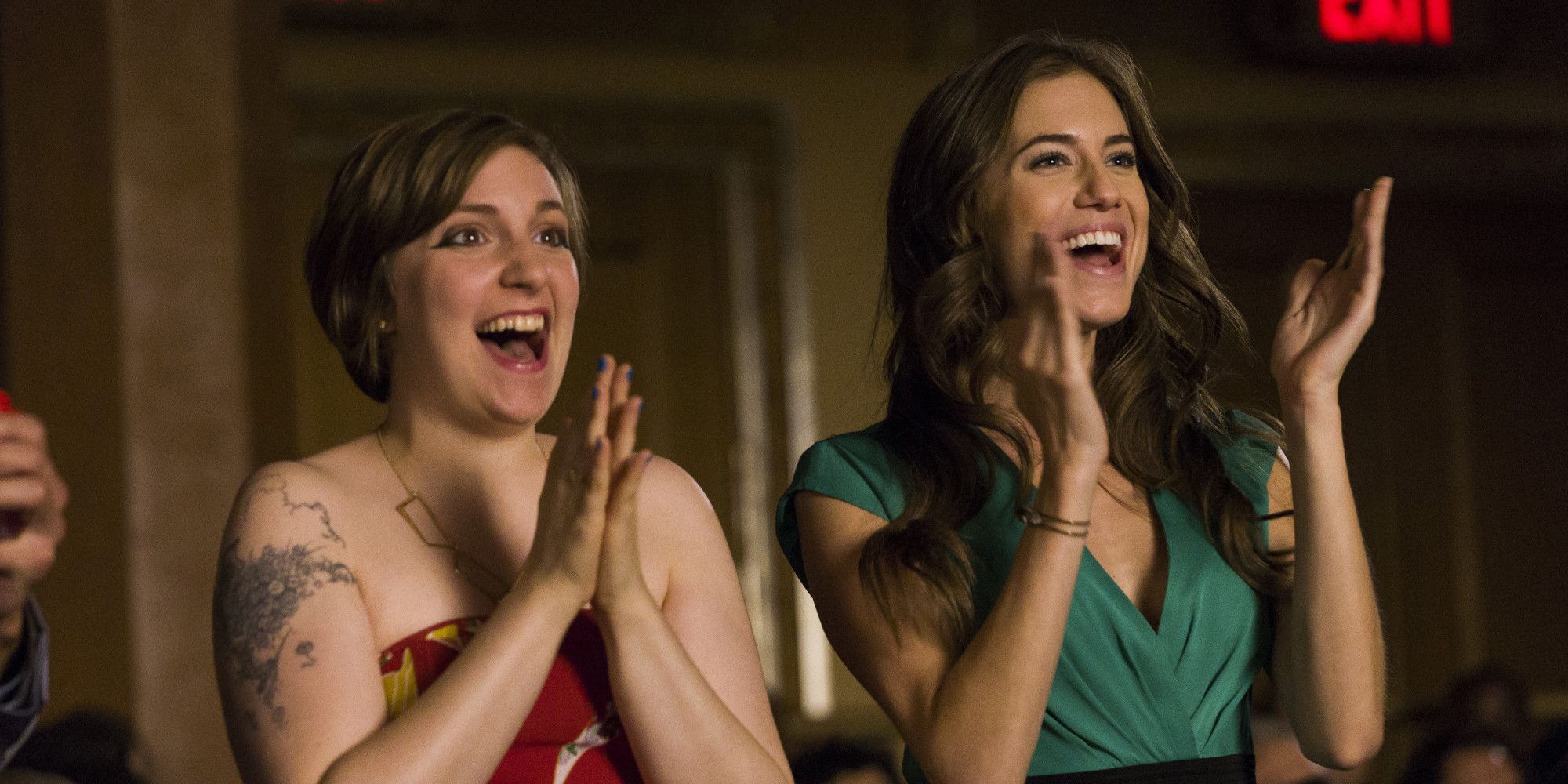
It more or less resolves the season’s narrative concerns while simultaneously reminding us that such convenient closure is ultimately an illusion.

The episode reminds us that everyone in the Girls universe is still uncomfortable in their skin, per usual.

“Role-Play” features the best performance of Lena Dunham’s career.

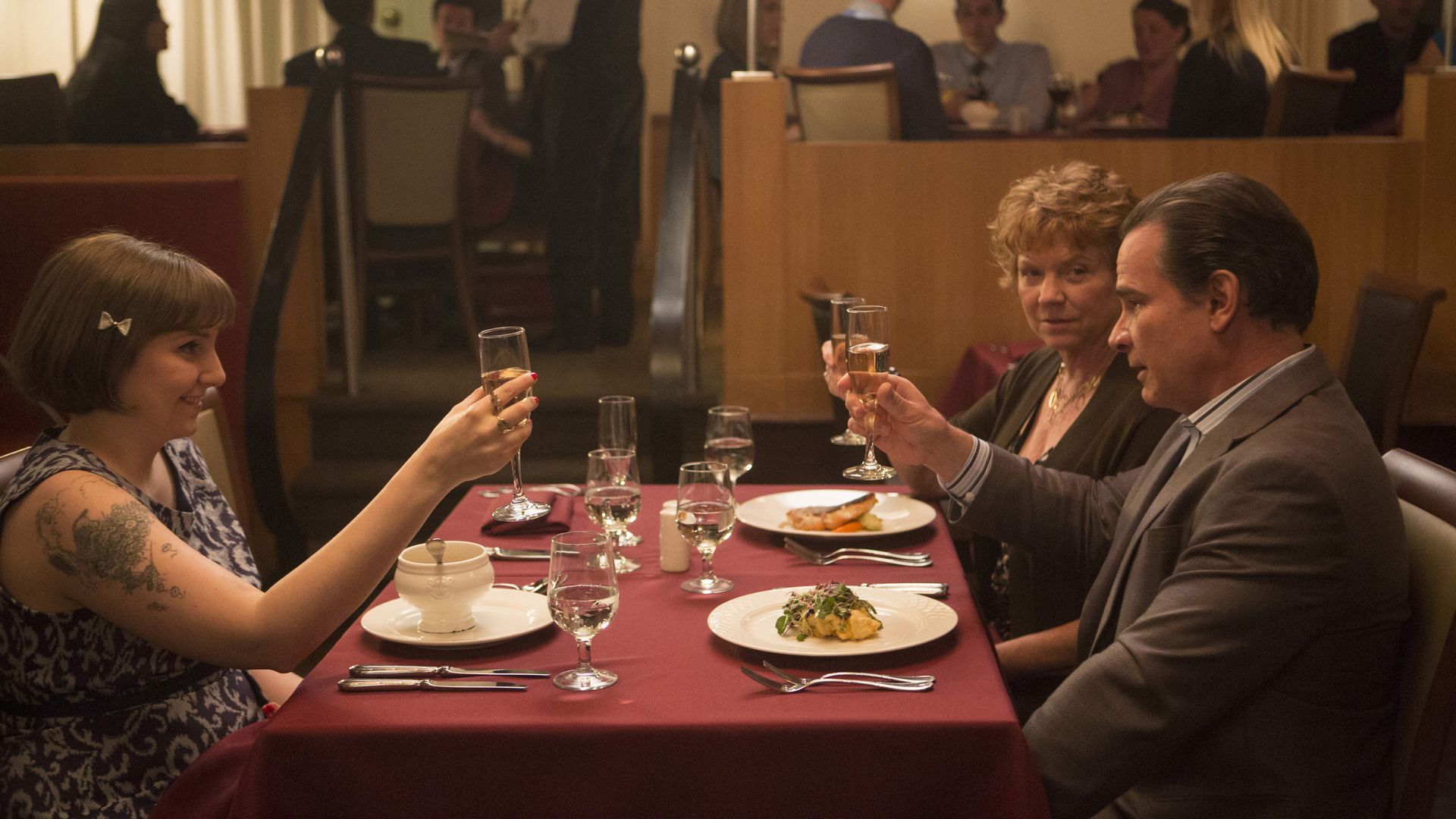
“Flo” benefits enormously from Becky Ann Baker’s reliably lucid and moving performance as Hannah’s mom, Loreen.
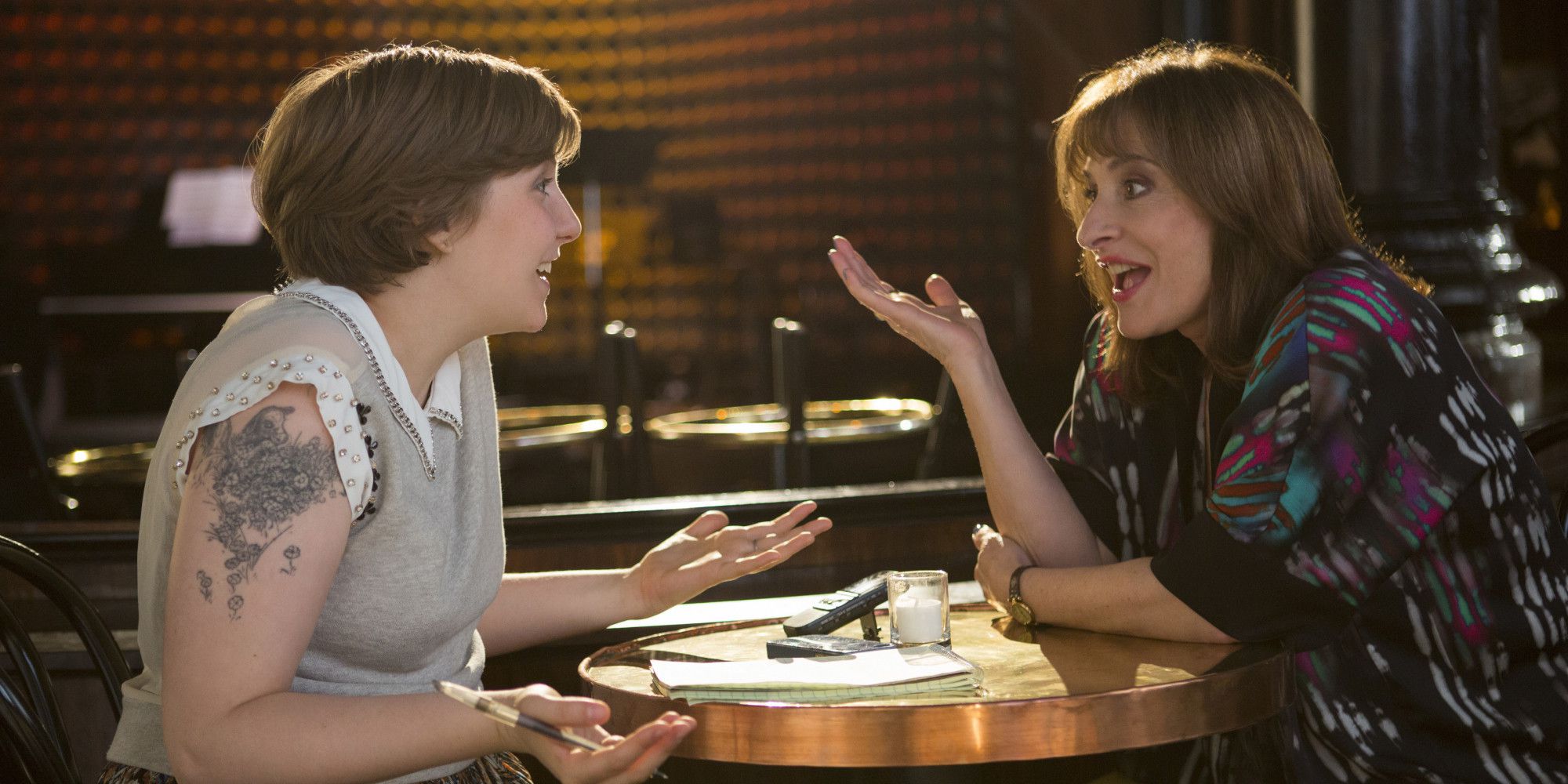
As an amusing cameo by Patti LuPone illustrates, Hannah often resembles a jingle salesman.
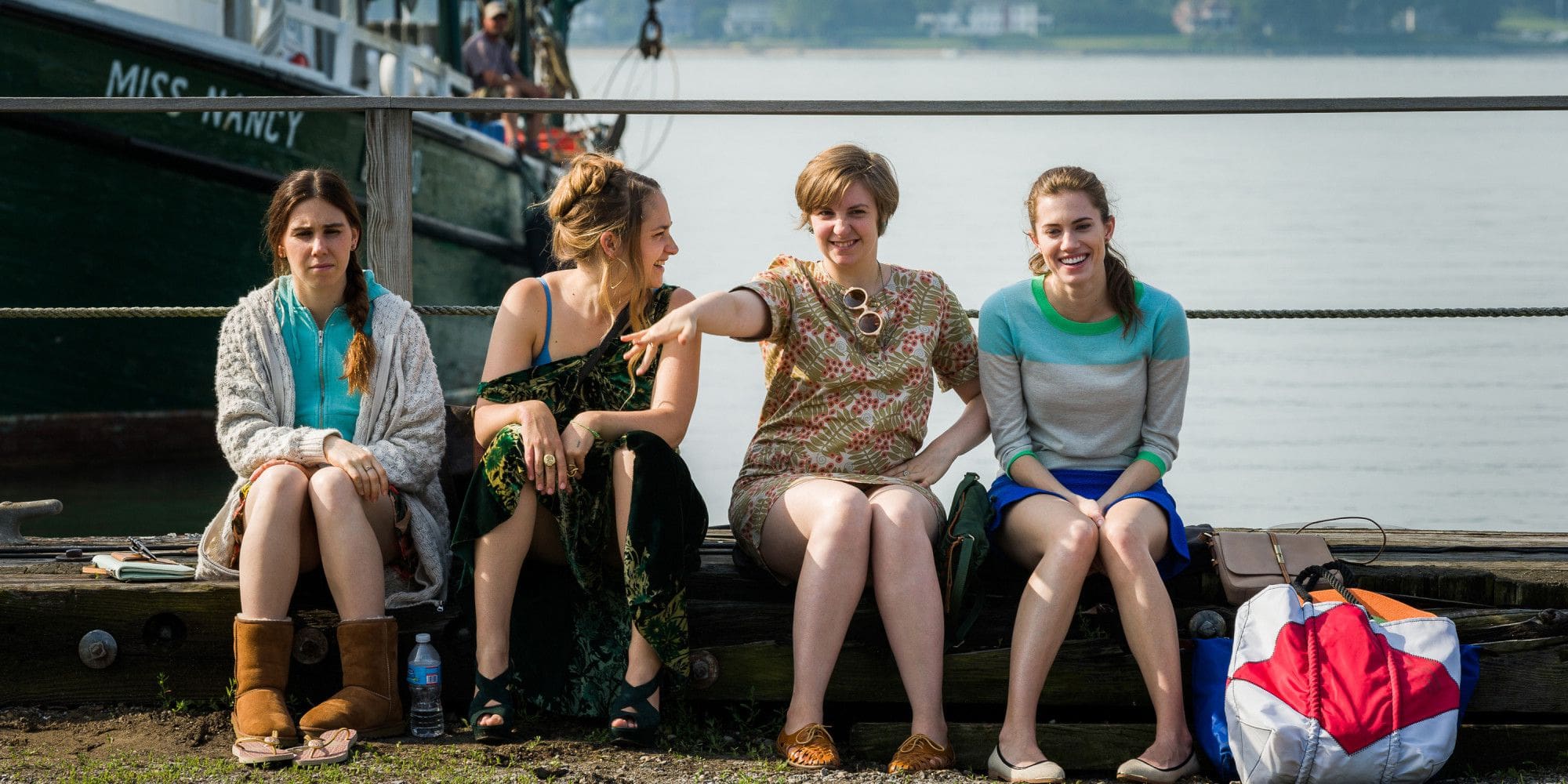
It confirms that Marnie is no longer a sporadically irritating supporting player, but the center of Girls’s empathetic imagination.
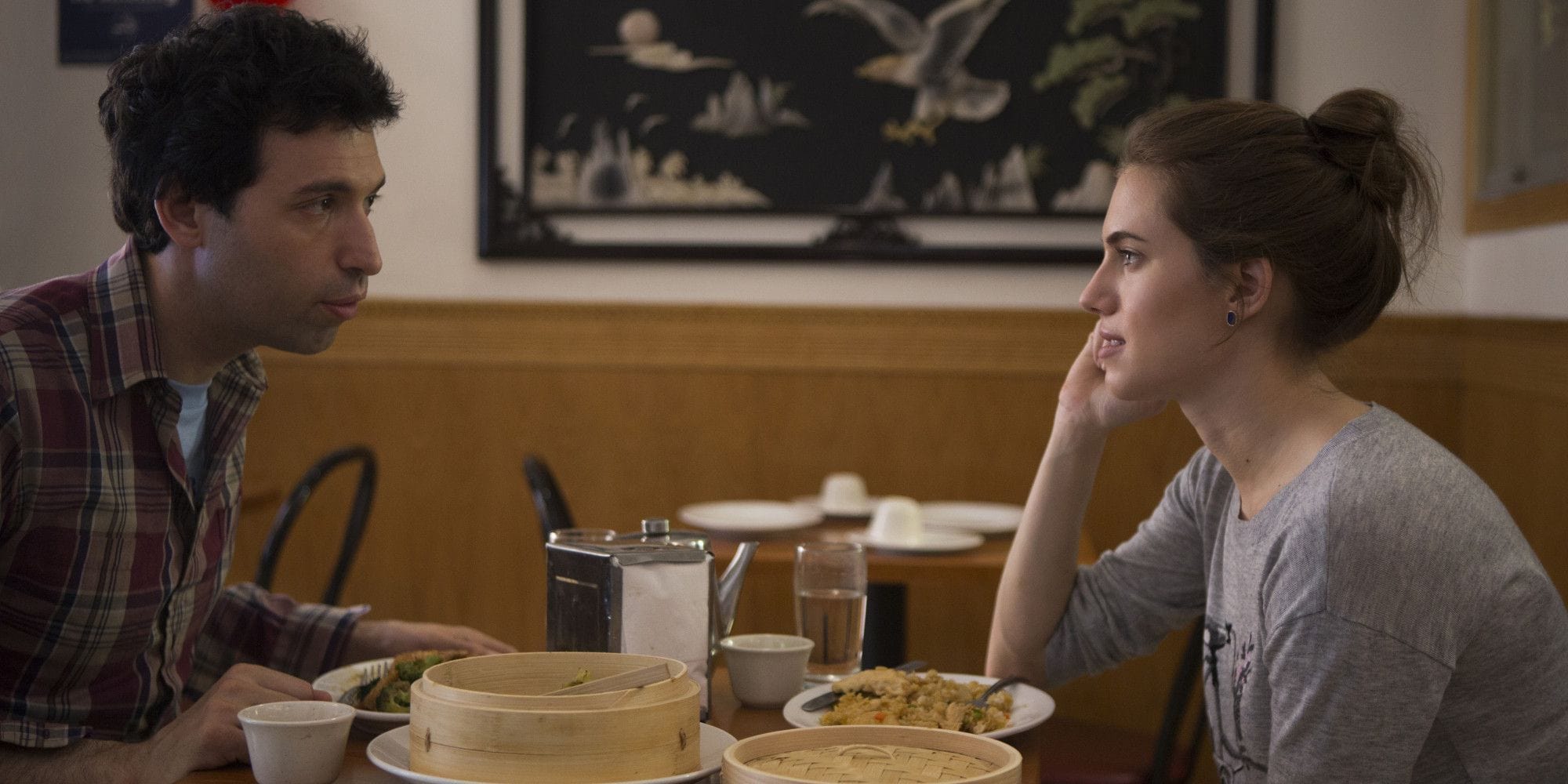
“Free Snacks” is lighter than air, and it affords Lena Dunham the opportunity to lighten up as an actress.

“Only Child” serves as a succinct primer on all that’s currently right and wrong with Girls.
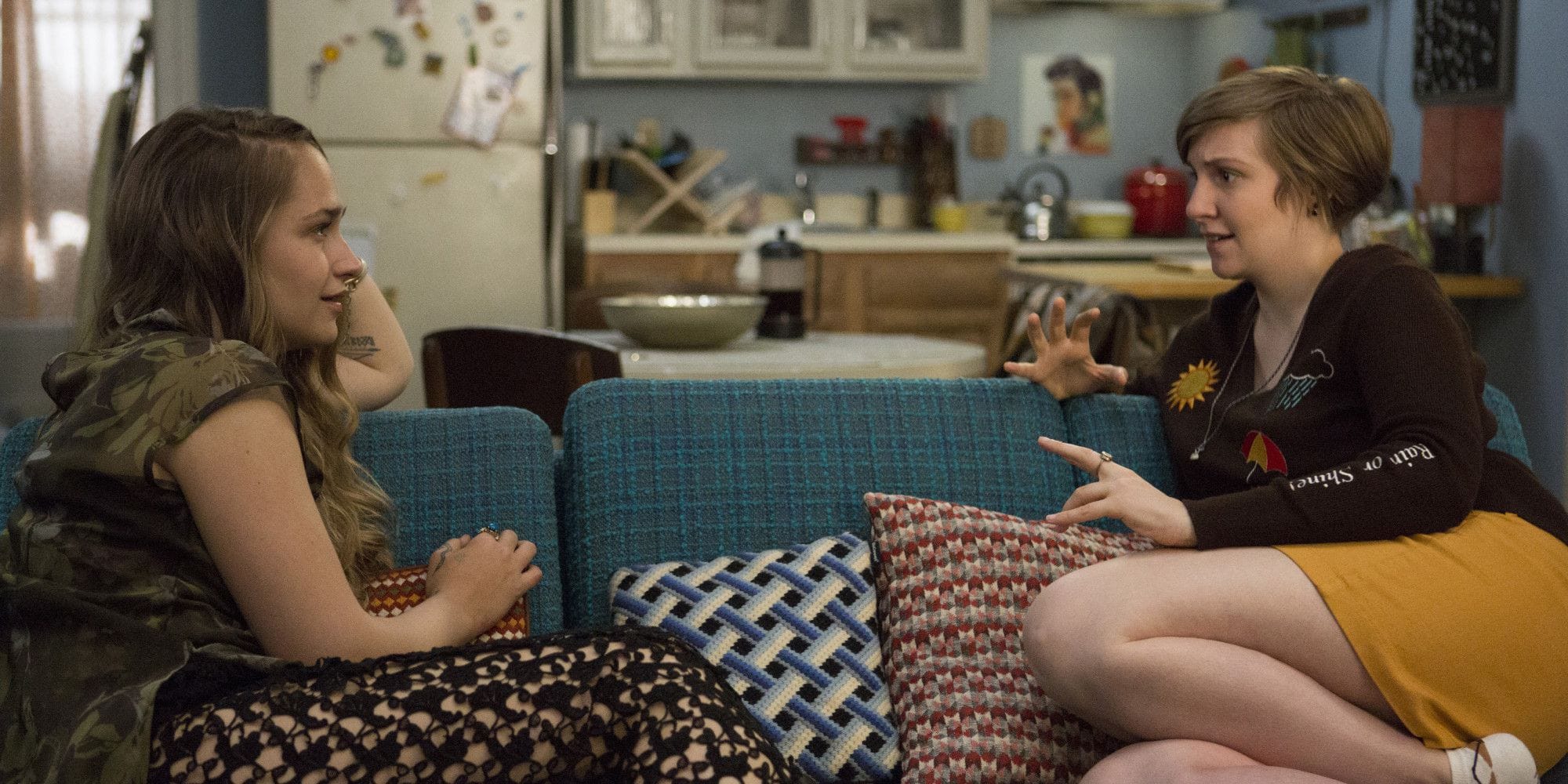
It finds Girls addressing the Biggest Subject without losing its sense of oxymoronic comedy that’s rooted in contained rootlessness.

It suggests that Girls may be undergoing a tricky transition that somewhat accounts for last week’s growing pains.
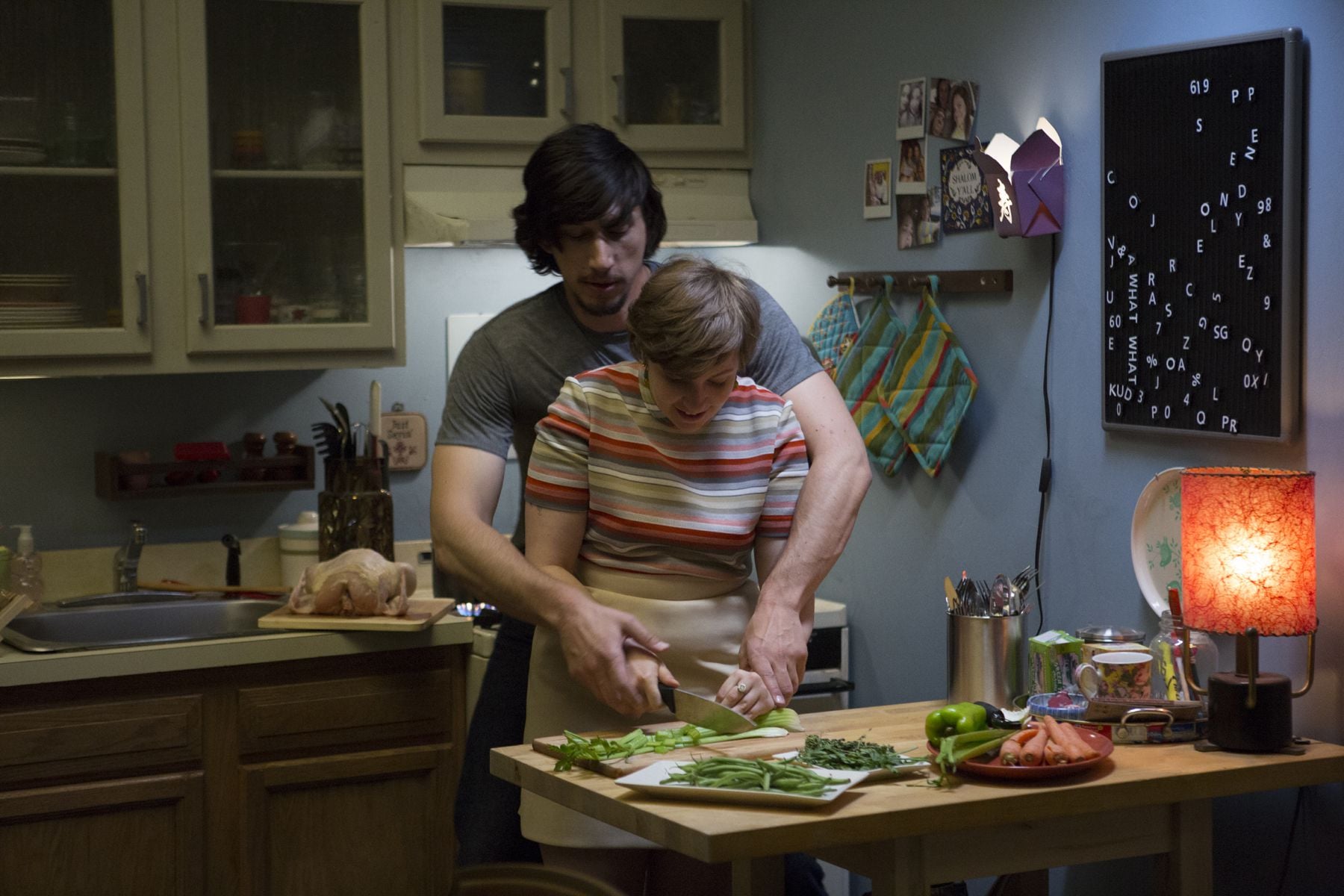
The opening pair of episodes, both directed by Lena Dunham, pointedly denies the titular foursome of much of anything resembling sympathy.

Believe it or not, we know exactly what’s going to happen at Sunday’s Golden Globe Awards.
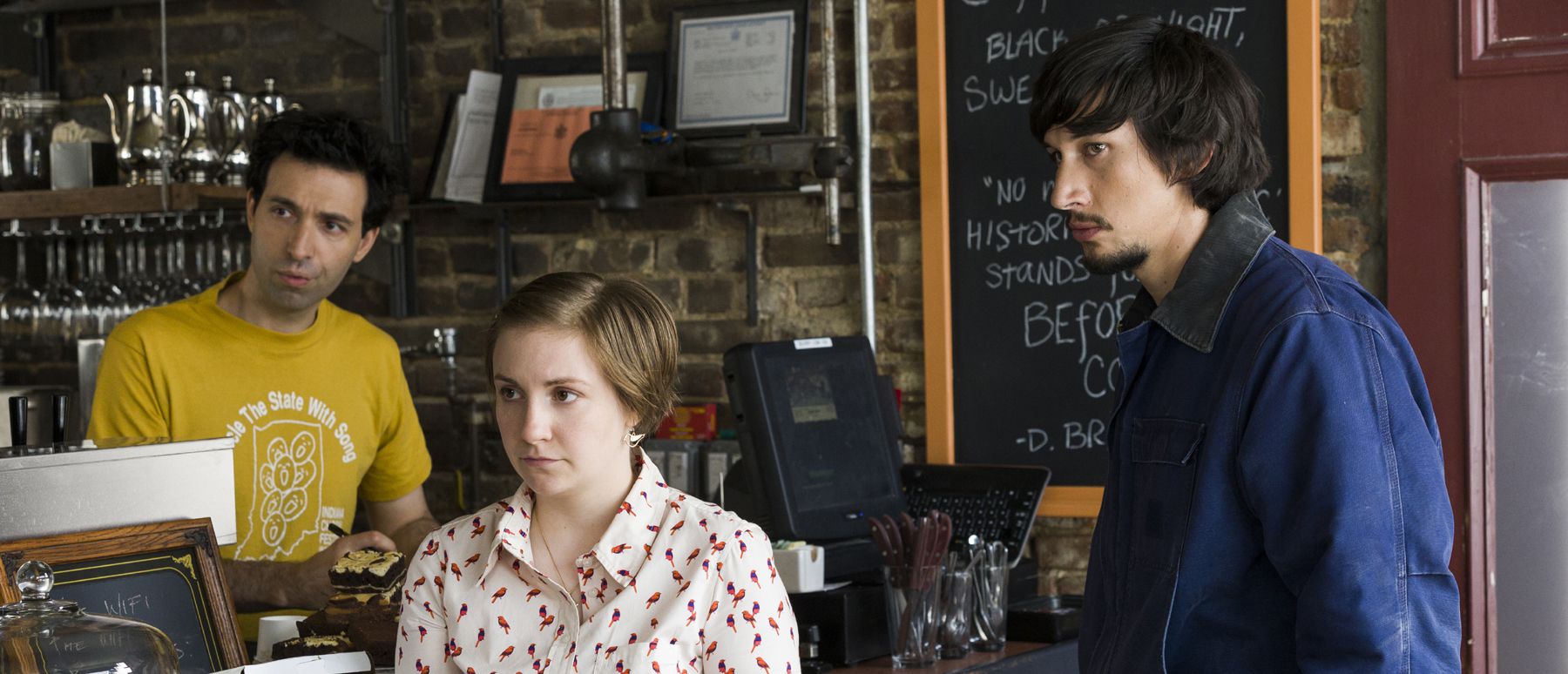
Girls eventually gets around to reminding us that these characters can be talented and charming, and thus capable and worthy of great things.

TV better than movies? Not really, but at least television will let you see Michael Douglas stroking Matt Damon’s leg hair.

The Pandora Stage at Antone’s showcased a slate of solid rock acts, from the ever-protean Akron/Family to the vintage pop-rock act Guards.
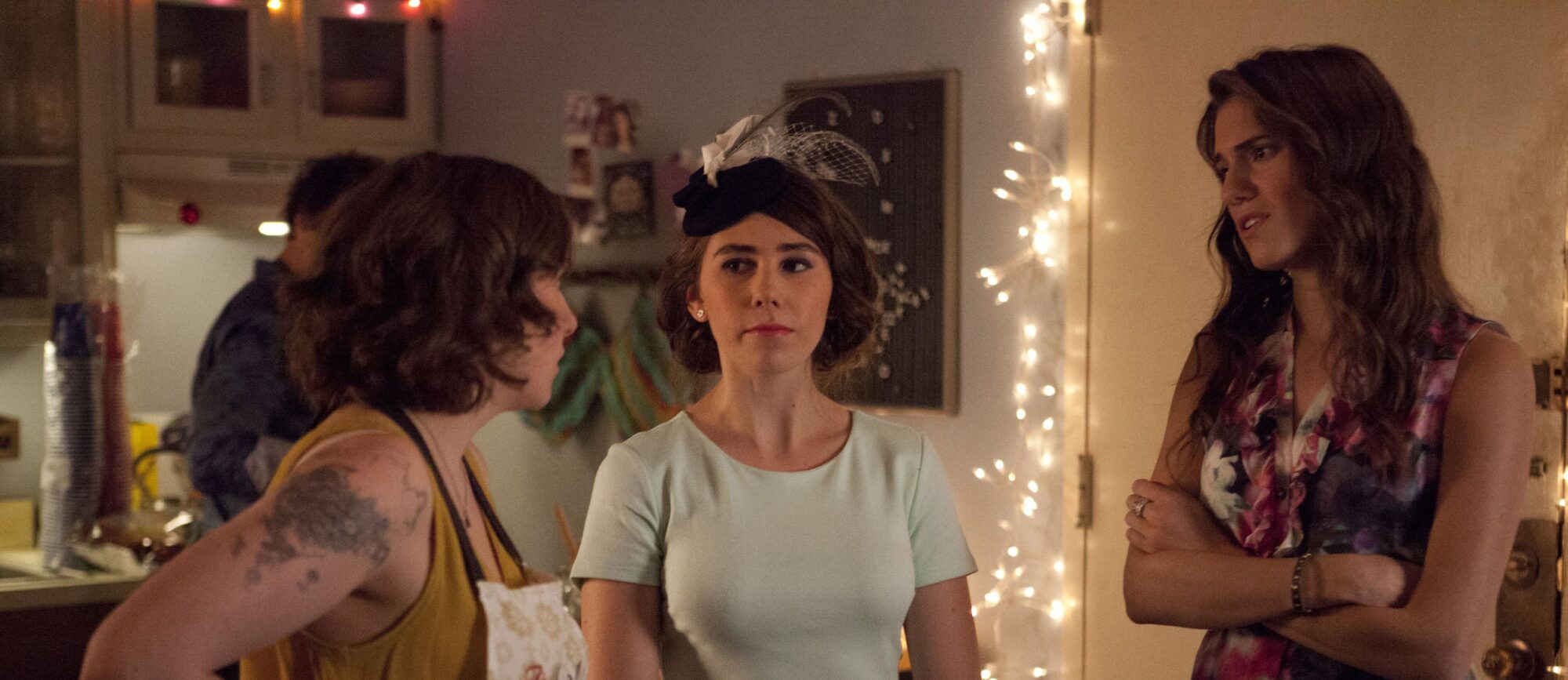
The jokes have been folded into the plots more organically and gracefully, and the punchlines often tend to uneasily suggest domestic abuse.

Frances Ha feels like an unusually intimate, personal piece, a return to Noah Baumbach’s early, more naïvely optimistic phase.
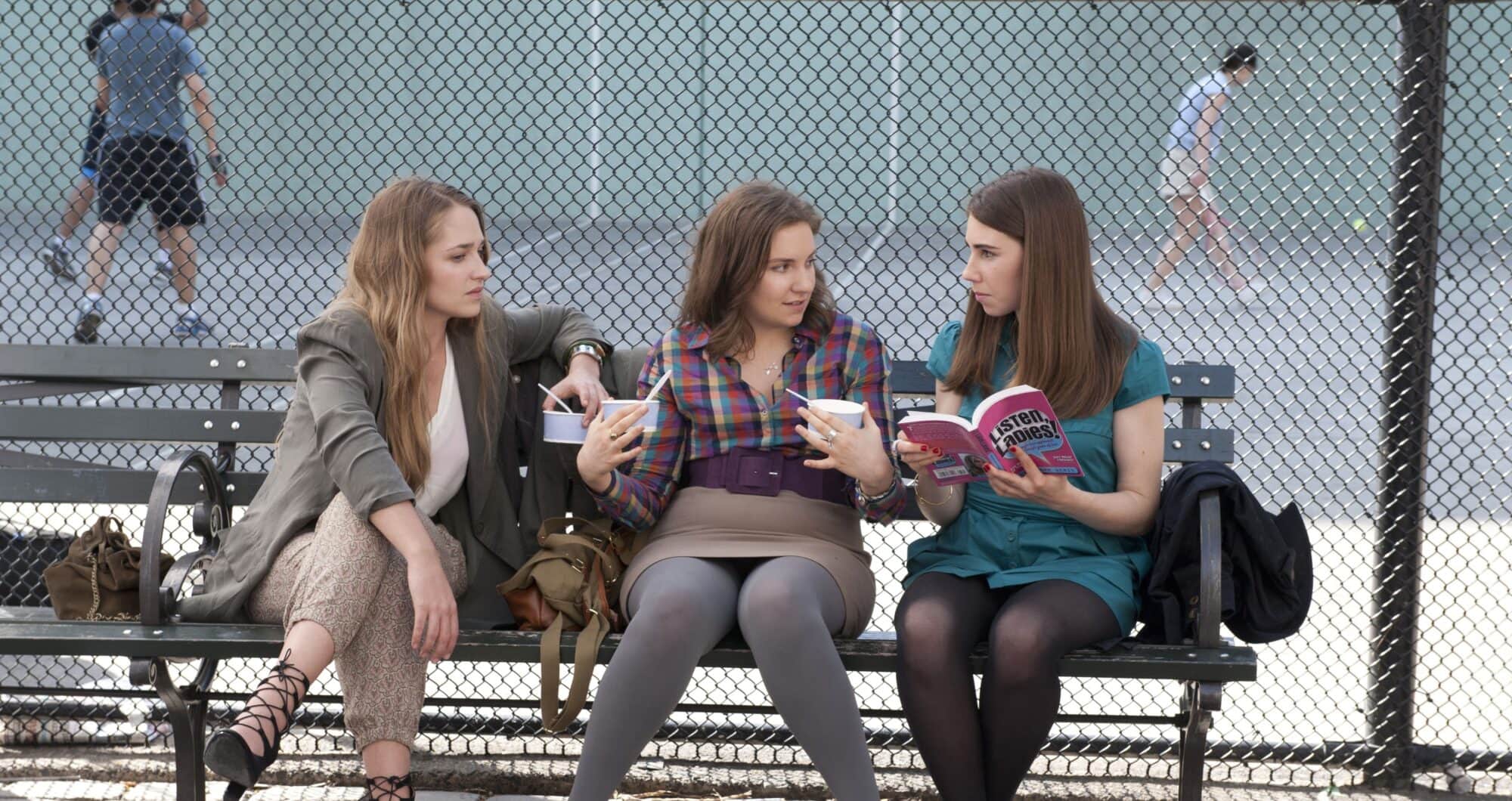
Lenda Dunham takes pains to debase her charactyers, and makes them both funnier and more recognizably human in the process.