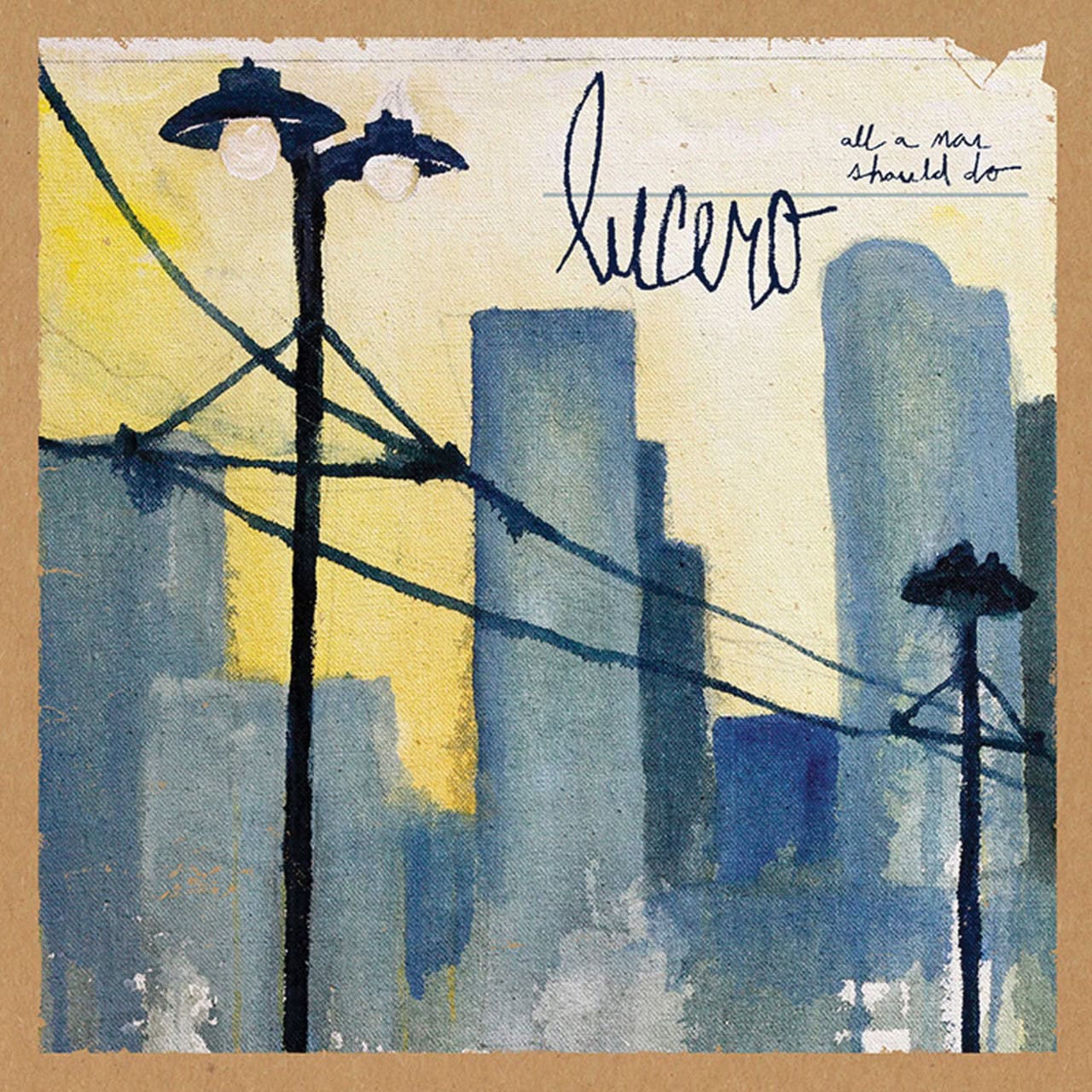
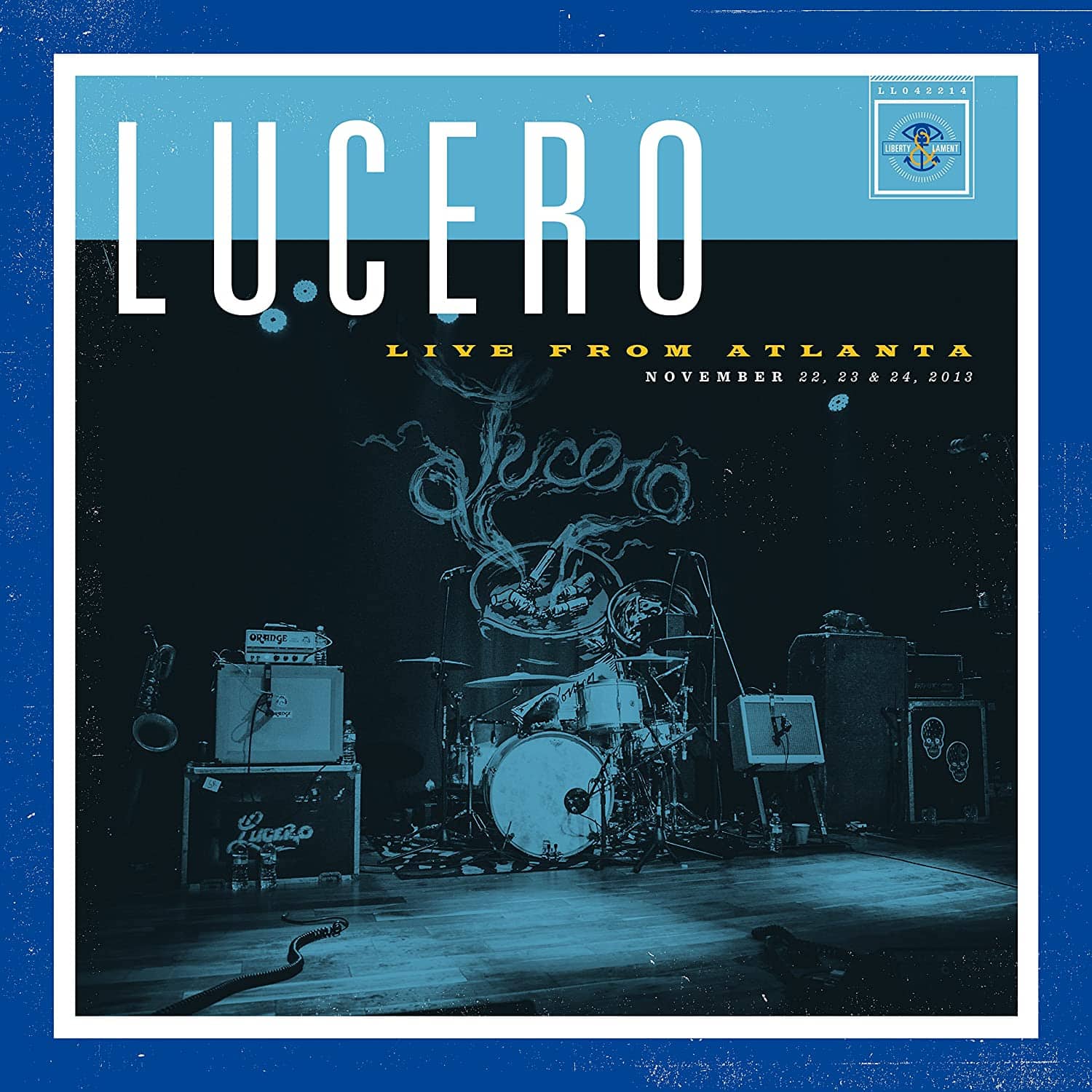
Armed with a major-label budget for the first (and, in all likelihood, last) time, country-rock band Lucero went for broke in 2009, adding a three-piece horn section to their sound that allowed them to widen their brand of scraggly Americana to include full-blown Memphis soul crossed with anthemic Springsteen-esque rock ‘n’ roll. The resulting album, 1372 Overton Park, was a revelation, and remains one of the best rock albums of the 21st century. This paradigm shift sustained the road-hound Memphis band for almost a decade, having made a few more soul-inflected albums before largely ditching the horns on 2018’s Among the Ghosts, a semi-throwback to their earlier, more intimate sound.
So if any band has earned the benefit of the doubt when it comes to a left turn like When You Found Me, it’s Lucero. Frontman Ben Nichols has an otherwise unassailable 20-year track record of cribbing from disparate influences—old cowboy songs, post-punk bands like the Replacements and Jawbreaker, Otis Redding and the soul greats—and producing heartfelt, straight-from-the-shoulder songs perfectly suited for his inimitable whiskey-and-heartbreak rasp. This time, though, his influences of choice—which seem to be Neil Young’s Trans and especially the soundtrack to the Miami Vice TV series—are harder to square with his strengths.
The contributions of lead guitarist Brian Venable, who has in the past often favored an aggressive style that evinces a strong classic metal influence, shine throughout When You Found Me. And Roy Berry is a sophisticated drummer who can and does elevate any kind of song, as he does here. Conversely, Rick Steff, organ and honky-tonk piano extraordinaire, is relegated mostly to laying on bland synth pads on tracks like “Pull Me Close Don’t Let Go,” a moribund ballad whose primary texture is a slick studio sheen.
Nichols doesn’t adapt his songwriting well either. Many of the melodies on When You Found Me are inert and monotonal, often pitched, oddly, below Nichols’s natural vocal range. This sands down the distinctiveness of his voice and makes it feel as though the album’s songs are just spinning their wheels. This problem is exacerbated by the fact that many of them are story songs, which typically need melodic momentum to move the narrative along. The issue is most pronounced on opener “Have You Lost Your Way,” which sounds unfinished, both lyrically and musically. The story, a fantasy yarn about a girl seeking vengeance against an evil entity (not exactly typical Lucero fodder), simply ends before reaching a climax—not unlike the song itself, which teases the epic rock anthem that never materializes.
While best known for personal songs, Nichols has worked successfully in a narrative style before, as demonstrated by the on-the-road odyssey “Smoke” from 1372 Overton Park and his 2007 solo album, The Last Pale Light in the West, a loose retelling of Cormac McCarthy’s Blood Meridian. But most of the stories on When You Found Me simply don’t work, like “The Match,” another fantasy tale that seems mismatched with its jaunty chord sequence, and the unintentionally goofy hi-ho-on-the-high-seas rocker “Back in Ohio.”
It’s only the fleeting glimpses of Lucero’s more organic style that provide any lasting rewards here. “Coffin Nails,” the latest in a line of great songs that Nichols has written about his World War II vet grandfather, sheds the synths and heavy guitars, enabling the singer to regain his gravitas as his weary voice is shadowed by Steff’s haunting piano trills. The acoustic title track boasts a poignant set of lyrics crediting Nichols’s wife and young daughter for pulling him out of his hard-living ways before it was too late—though its impact is blunted somewhat by its melodic similarity to a superior Nichols song, “Toadvine.”
It’s likely that the reason Lucero felt empowered to go out on a limb is that the last time they took such a big chance, it was a triumph. But When You Found Me is what happens when a talented songwriter and a skilled band shoots for the hills and misfires.
Since 2001, we've brought you uncompromising, candid takes on the world of film, music, television, video games, theater, and more. Independently owned and operated publications like Slant have been hit hard in recent years, but we’re committed to keeping our content free and accessible—meaning no paywalls or fees.
If you like what we do, please consider subscribing to our Patreon or making a donation.