

For all of the diverse mythologies she’s invoked over the course of her 35-year solo career, Tori Amos has never explicitly cast herself as Cassandra. But it’s this Trojan priestess, whose visions weren’t just unheralded but used as sources of derision and ridicule, that’s perhaps her most apt parallel. When Amos sings, “The truth is, darling one/You will suffer… You just need to accept/That this will be,” on the closing track of her 18th studio album, In Times of Dragons, it’s the directness of her warning that’s most significant.
The trademarks of Amos’s songwriting are her oblique allusions, wordplay, and elongated clauses. She’s at her most powerful when that analysis reflects a coherent vision of how victims and the disenfranchised can reclaim a sense of agency in the face of oppression. She’s levied her idiosyncratic poetry to address such topics as sexual assault (“Me and a Gun”), miscarriage (“Spark”), and hate crimes (“Taxi Ride”). But now she’s distilled the thesis for her overall career arc into a plainspoken piece of advice.
In one sense, the “darling one” she’s addressing is her daughter. But she’s also addressing her audience and other artists more broadly, and she’s doing so from a place of profound empathy—Amos knows things are as bad as they’ve ever been—and gratitude for those who’ve stuck with her through all of her many flights of fancy, from the triumphant (Little Earthquakes) to the considerably less so (The Beekeeper). With the exception of her splendid holiday album, Midwinter Graces, and Gold Dust, a collection of orchestral arrangements of her past songs, we took stock of where each of her studio albums falls within that continuum. Jonathan Keefe
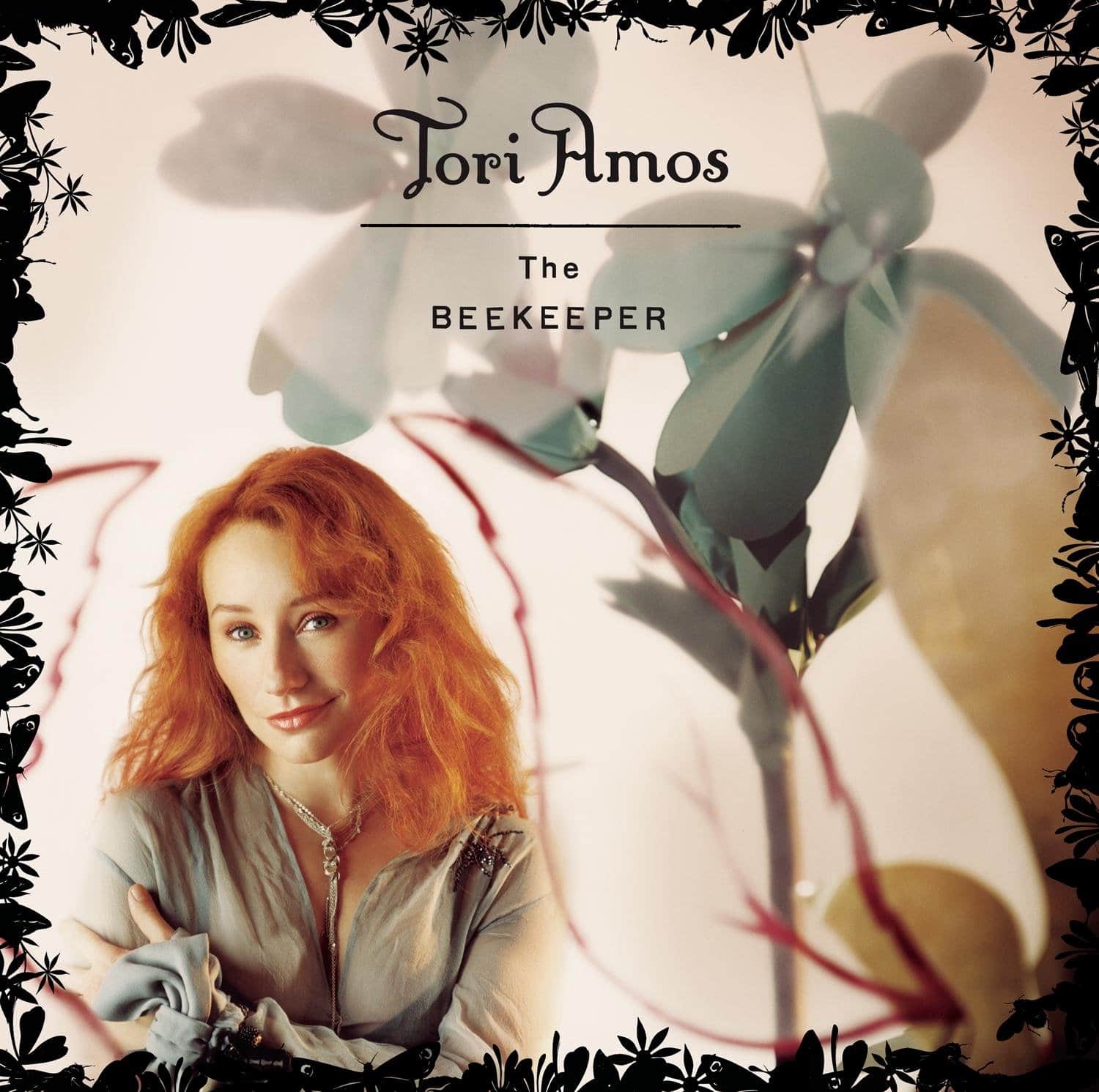
15. The Beekeeper (2005)
The divide between man and woman is the unifying theme of The Beekeeper, mirrored by the addition of a B3 Hammond organ, traditionally viewed as a “male” instrument, to Amos’s arrangements. “The Power of Orange Knickers” applies political lexicon to male-female relationships, layering Amos’s harmonies with those of Damien Rice: “Can somebody tell me now who is this terrorist?” they both ask, presumably referring to each other. But if B3 is indeed the male “organ,” then Amos approaches it here with the hesitation of a green med school intern. In stark contrast to the way she took to the harpsichord on Boys for Pele, the B3 she plays here pads quietly in the background. Like 2002’s Scarlet’s Walk, the arrangements on The Beekeeper are significantly reigned in, more conventional, even demure. And the album suffers the same plight as its predecessor: It’s about six or seven songs too long, and it’s much less visceral and immediate than her best work. Sal Cinquemani

14. Strange Little Girls (2001)
An exercise in curation and reinterpretation, Strange Little Girls sees Amos covering songs originally performed by men, putting into stark relief the currents of misogyny running through popular music. Most striking is a cover of Eminem’s “’97 Bonnie & Clyde,” a self-consciously disturbing track in which the rapper fantasizes about disposing of his wife’s dead body. Amos hisses her way through the song’s menacing lyrics, replacing its cathartic horror with a sickly dread: “Mama’s too sweepy to hear you screaming in her ear.” As an album, though, Strange Little Girls is less urgent than Amos’s original work, which itself is a credit to the strength of her own songwriting. While her pared-back versions of songs such as Depeche Mode’s “Enjoy the Silence” are filled with a chilling menace, the album deals less in the cathartic highs of desire and grief that make her original material so mercurial. Eric Mason

13. Ocean to Ocean (2021)
Ocean to Ocean finds Amos grappling with the death of her mother, but while she poignantly conveys her loss—and, crucially, her subsequent lostness—the sentimentality of her lyrics ventures perilously close to schmaltz. Lines like “She said, ‘I am hurt’/Love is lost and broken,” when couched with more of the same, feel less unvarnished or straightforward than rudimentary. When Amos takes on politics on “Ocean to Ocean,” she similarly paints in broad strokes. On the album’s closing track, “Birthday Baby,” Amos doles out some maternal advice that’s far more resonant due to its specificity and connection to the singer’s own history: “Bring those killer heels with you/Sometimes in life a girl must tango alone.” With Ocean to Ocean, Amos seemed to have given up on pushing the limits of her instrument, which would have been more forgivable if the songs themselves didn’t play it quite so safely. Cinquemani

12. Unrepentant Geraldines (2014)
Amos claims that Unrepentant Geraldines was inspired by her experiences with art. She’s always been visually influenced (Strange Little Girls and American Doll Posse are partly works of visual art themselves, both indebted to Cindy Sherman), and indeed, Unrepentant Geraldines is ripe with imagery, all of it related in some way to womanhood, Amos’s perennial and most fruitful subject. But the lyrics here are much less stark than those on her best albums, in many cases taking a turn toward folkloric, as on the Americana-infused “Trouble’s Lament,” a Faustian saga about a girl who’s fallen into danger. In both genre and storytelling technique, Amos shifts toward some new ground throughout Unrepentant Geraldines, but it’s more of a polite Norman Rockwell than a vomit-stained Sherman. Paul Schrodt
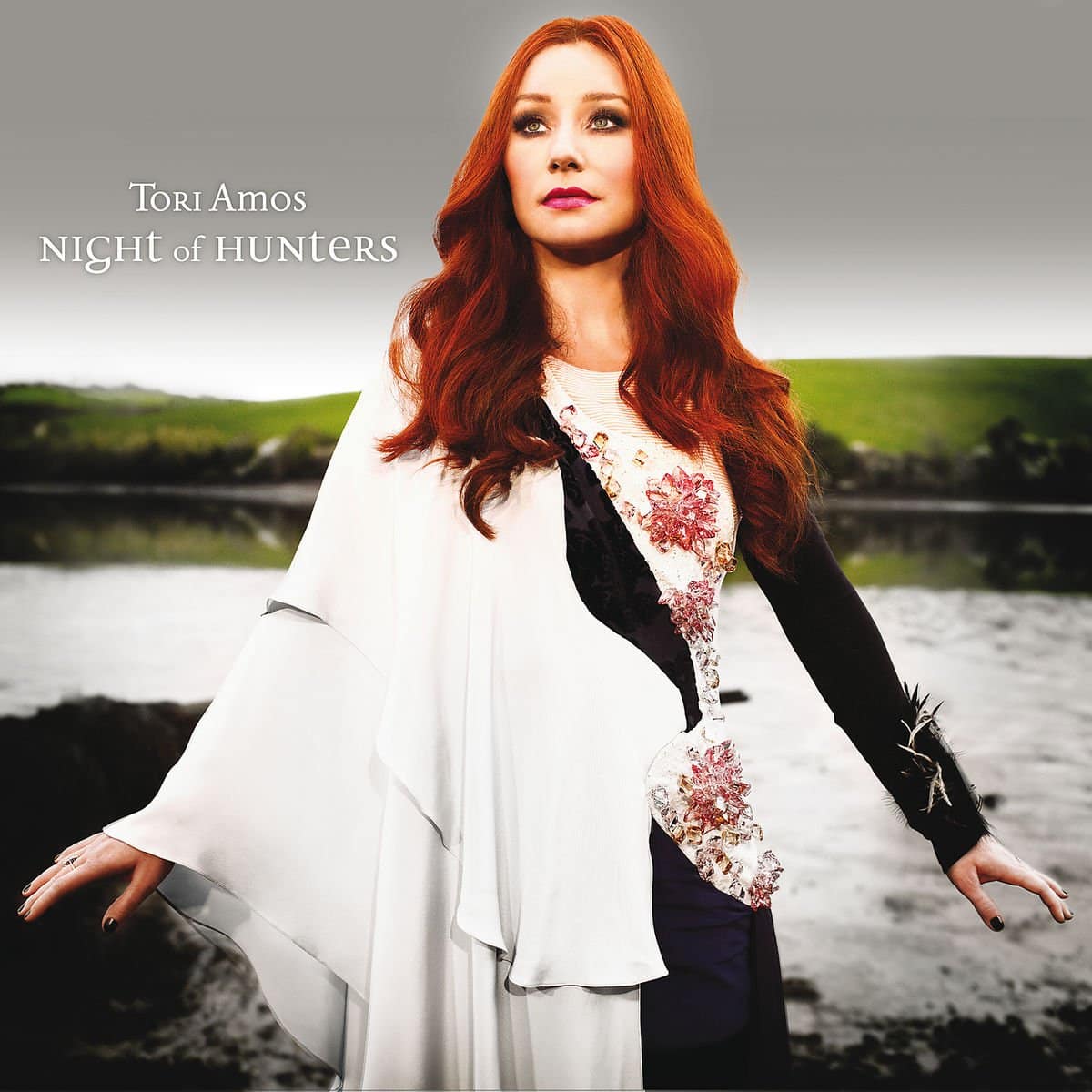
11. Night of Hunters (2011)
Night of Hunters is a story with the protracted scope of an opera, based around variations on famous classical works. The more direct songs on are genuinely beautiful and transcend the trappings of the album’s rigid construct. “Nautical Twilight,” for one, marks a key turn in the album’s narrative, but it also works as a standalone song of rediscovering one’s identity following a difficult breakup. But with Amos drawing inspiration for each song from a different classical piece, there are no conventional pop structures or hooks to speak of. Certainly there’s no faulting the captivating melodies that she derives from Chopin’s “Nocturne Op.9 No.1” or Debussy’s “The Girl with the Flaxen Hair.” And Amos has never had a better opportunity to showcase the full breadth of her classical training. But while Night of Hunters is beautiful and smart, it’s also, by design, an obtuse and insular album by an artist who already skews pretty far in those directions. Keefe

10. American Doll Posse (2007)
If still too uneven and entirely too overstuffed to rank among her most essential albums, American Doll Posse is certainly one of Amos’s most ambitious efforts, both for the breadth of its sound and for the scope of its driving concept. Moreover, the best songs here have strong enough lyrics and melodies to stand on their own, without getting into whether Amos is singing as Tori, Pip, Isabel, Clyde, or Santa. For those who choose to put the time into the album, there’s some fertile territory to be found, particularly in how the perspectives of the most fully realized dolls reconcile with Amos’s own aesthetic. What’s more, she seems to have been as inspired in creating the music for American Doll Posse as she was in creating the story behind it. The album works about as well as pop music as it does as a concept piece, and in both cases in works pretty well. Keefe

9. Native Invader (2017)
Native Invader opens with “Reindeer King,” a breathtaking eulogy for the polar icecaps that anthropomorphizes the Earth in almost Björkian fashion: “Crystal core, your mind has been divided from your soul.” Later, “Bang” effectively explodes the debate surrounding illegal immigration by re-contextualizing it in terms of the cosmos: “Immigrants, that’s who we are/’Cause we’re all made of stars.” Amos’s depiction of the universe’s conception is thrillingly sensual, almost pornographic. In stark contrast, songs like “Benjamin” and “Russia” tackle similar hot topics in painfully literal terms. And while the fleeting string samples and minimalist computer programming of “Up the Creek” are refreshingly novel textural additions to Amos’s canon, too many songs here fall back on by-the-numbers pop-rock arrangements. When Amos eschews her band in favor of piano and vocals—as on the lush “Mary’s Eyes,” a mournful plea to the gods to reverse her mother’s aphasia—Native Invader fulfills the promise of its stunning opener. Cinquemani
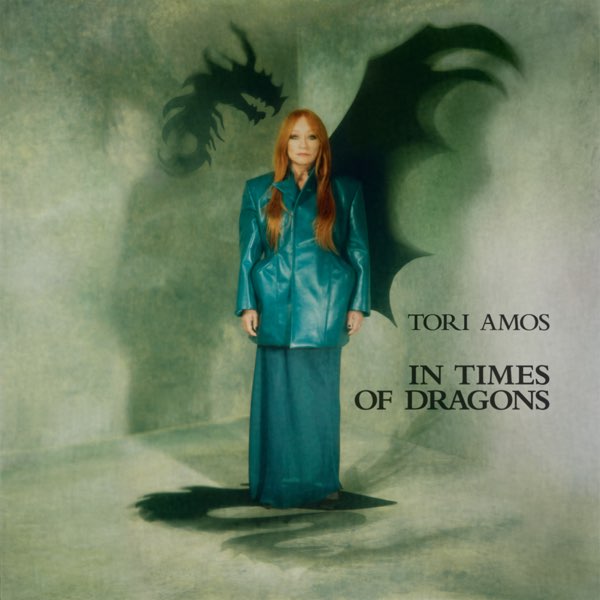
8. In Times of Dragons (2026)
If Boys for Pele saw Amos visiting the devil in order to exorcise her grief over the loss of a lover, and Scarlet’s Walk documented a road trip across America in the wake of 9/11, In Times of Dragons closes the circle. Tracing the artist’s sojourn through a nation that itself has mutated into something resembling hell, the album reprises the themes of those earlier efforts, examining what truth and power mean in a society ruled by terrible men. As has been the case with many latter-day Amos albums, her lyrics can be overtly literal, with references to “democracy,” “free speech,” and, on the brief “Ode to Minnesota,” “ICE [breathing] in fire’s wind.” But they can also occasionally elicit a well-earned chuckle: She extends an olive branch to supposed rival Courtney Love on “Shush” (“Can I live through this?/Courtney, thank you”). But it’s the album’s stunning closer, “23 Peaks,” that fully captures both the allegorical lyricism and fusion of classical and prog-rock influences that made Amos an iconoclast. Cinquemani

7. Abnormally Attracted to Sin (2009)
What impresses most about Abnormally Attracted to Sin is that, even without a formally defined concept, the album emerges as a thoughtful, dense exploration of matters of faith, sanctimony, and vice. From the sultry “Strong Black Vine,” on which Amos struggles to reconcile her love-hate relationship with her religious upbringing, to “Maybe California,” a frankly stunning plea from one mother to another who is contemplating suicide, the ideas and images in play are complicated and prickly. The subversion of traditional Christian iconography on opener “Give,” with its “Some give blood/I give love” refrain, favorably recalls some of the best material from Little Earthquakes, while “Flavor” cribs its critical choice between fear and love from Donnie Darko’s would-be evangelist. Keefe
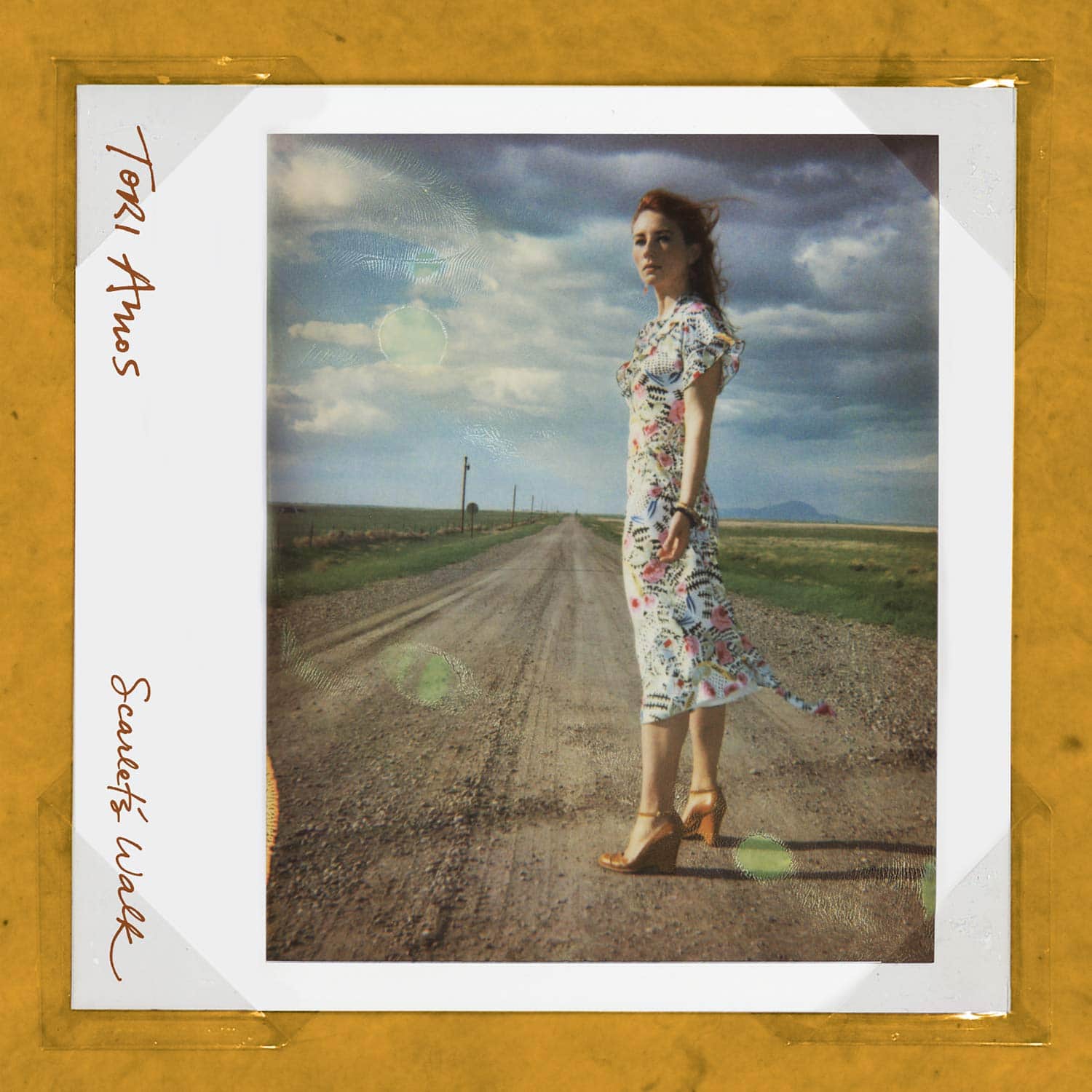
6. Scarlet’s Walk (2002)
Released in the wake of 9/11, Scarlet’s Walk sees Amos traversing a country touched by tragedy, encountering individuals who each stand for a distinct feature of American history and culture, from Apache spirits (“Wampum Prayer”) to the queer victims of the AIDS epidemic (“Taxi Ride”). For Amos, the album was an unexpected foray into radio-ready pop-rock. The lead single “A Sorta Fairytale,” for one, is a pop song about lost love that’s injected with her signature poeticism and social awareness (“We may be on this road but/We’re just imposters in this country, you know”). The album’s spacious acoustic arrangements evoke the freedom and expanse of a cross-country road trip, with the gentle pacing of songs like the aching “Crazy” and feathery “Your Cloud” starkly contrasting Amos’s dense and tumultuous earlier work. Swaddled in piano and strings, closer “Gold Dust” sees her singing about the preciousness of new parenthood and the ache of a country urging her to hold tightly to her fragile miracles. Mason
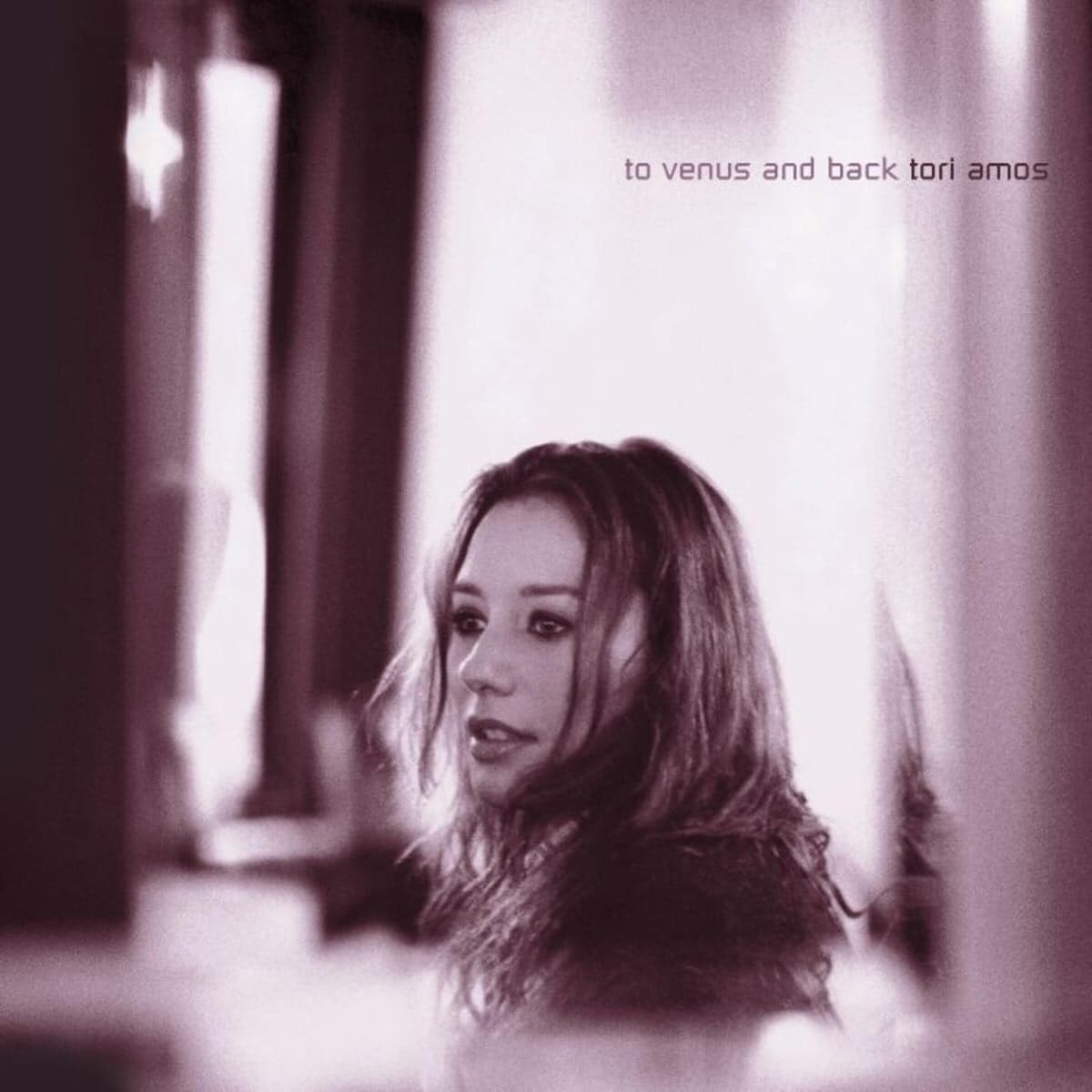
5. To Venus and Back (1999)
While the audacious, classical-inspired Boys for Pele remains the avant-garde watermark of Amos’s discography, To Venus and Back is arguably the more tuneful experimental work. Expanding on the electronic textures of 1998’s From the Choirgirl Hotel, she delved further into electronic music here. Make no mistake: This is still at its core a piano- and guitar-driven album, but like Radiohead’s OK Computer, Amos seamlessly fuses electronica with analog music to create her own wholly unique sonic language. The sleekly seductive “Juarez” wouldn’t sound out of place on a Massive Attack album, while “Suede” starts out coldly digital before turning on a dime with an elegiac piano bridge. And “Datura,” on which the singer rattles off the names of plants in her garden (petting bamboo, orange jasmine, and, of course, clitoria blue pea), somehow justifies its eight-plus minutes by continually morphing into something new, landing on an unexpected spiritual hymn. Electronic Tori wouldn’t last, but the effort is everlasting. Schrodt
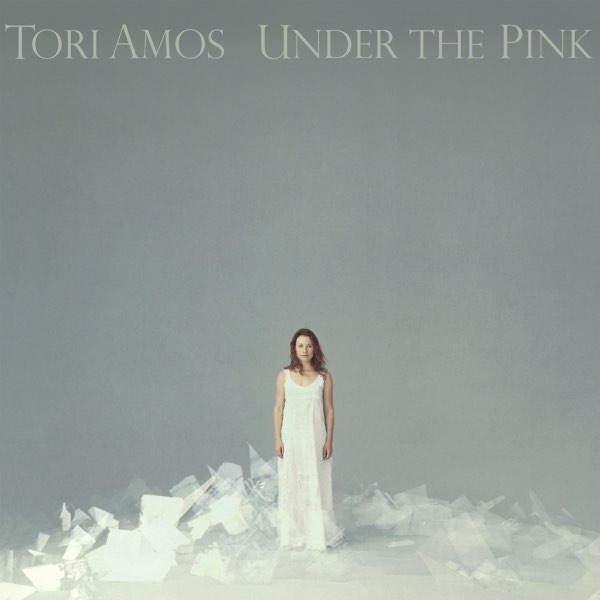
4. Under the Pink (1994)
Amos’s sophomore effort marvelously expanded the scope of her ambition and the emotional tenor of her music. The hit single “Cornflake Girl” remains a fan favorite in part for its cheeky structure: Amos unfurls what at first blush seems like a ridiculous metaphor into a grand statement about the despair of becoming a woman (“This is not really happening,” she ponders, before icily declaring, “You bet your life it is”). Though not exactly hopeful, she refuses to give into numbness on the stark opener “Pretty Good Year,” and she reaches beyond the interiority of her debut on “Bells for Her,” a devastating account of the disintegration of a close friendship. Under the Pink rewrites a common phrase, “into the pink,” meaning to be in high spirits, and complicates it: This is a head-first dive into the highs and lows of womanhood, in all its messy, existential reality. Schrodt
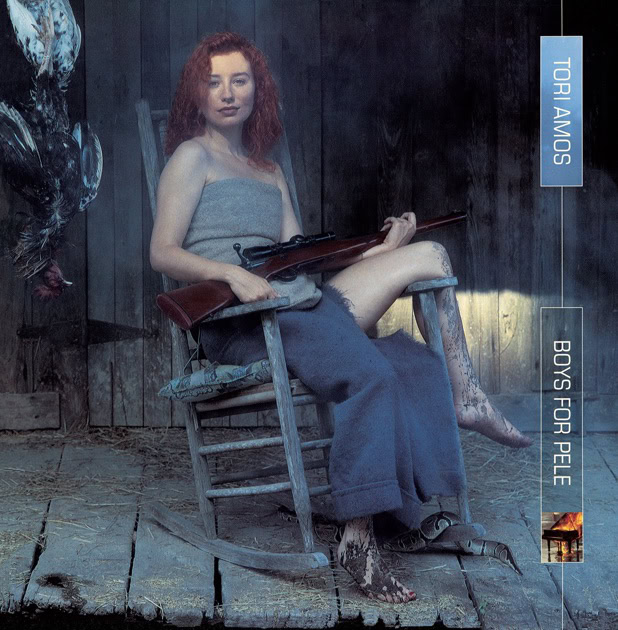
3. Boys for Pele (1996)
After 1992’s Little Earthquakes and 1994’s Under the Pink helped re-establish the piano as an essential instrument in alternative pop music, Amos attempted to do the same for the harpsichord on what’s still the knottiest and densest album of her career. And with songs like “Professional Widow” and “Talula” (especially BT’s “Tornado Mix”), she turned a stuffy, Victorian instrument into a disruptive, industrial dynamo. Beyond the album’s unprecedented aesthetic, though, it’s the range of the singer-songwriter’s allusions that make Boys for Pele one of her richest albums to date. Drawing inspiration from a global cadre of deities—and yes, that includes “Hey Jupiter” as a gorgeous homage to Prince’s “Purple Rain”—Amos reclaims her inner fire, and sets fire to a few folks around her along the way, in the aftermath of a failed relationship. Keefe
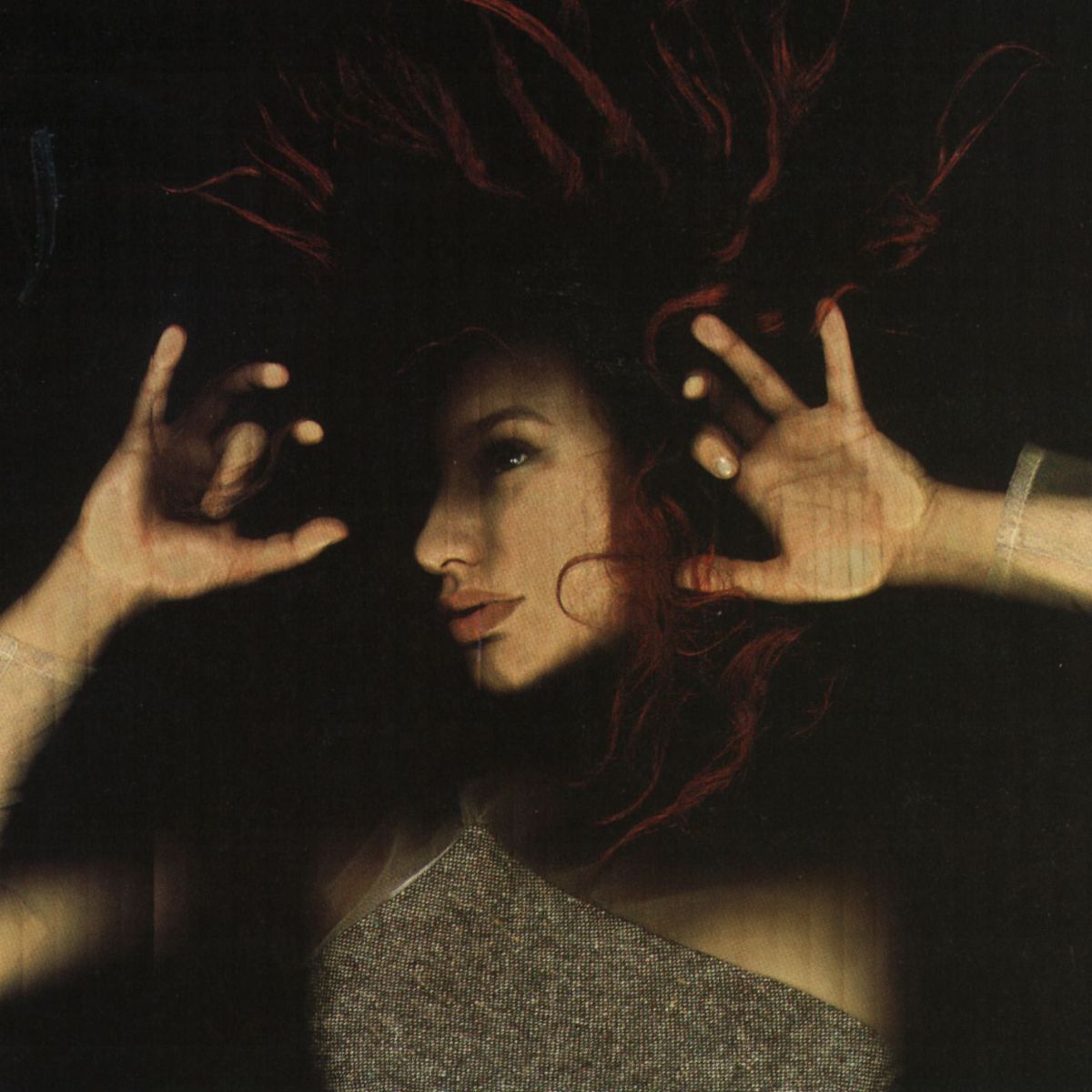
2. From the Choirgirl Hotel (1998)
While, at the time, From the Choirgirl Hotel represented a deeper entrenchment of Amos’s themes and worldview—namely in her increasingly grim and cryptic exploration of the connections between womanhood and suffering—it also features her most forward-minded production to date, with elements of trip-hop and industrial rock transporting her piano-based aesthetic to some place foreign and elusive. Whereas Amos’s previous album, Boys for Pele, is expansive, unwieldy, and baroque, From the Choirgirl Hotel is a relatively compact set of a dozen tracks that feel distant from the classical embellishments that inspired the artist’s earlier music. Instead, it embodies an almost alien quality, rendering familiar traumas with an otherworldly pallor, forcing us to observe our widely accepted notions of gender, family, and love from a distance and, in doing so, to confront our collective cruelty. Mason
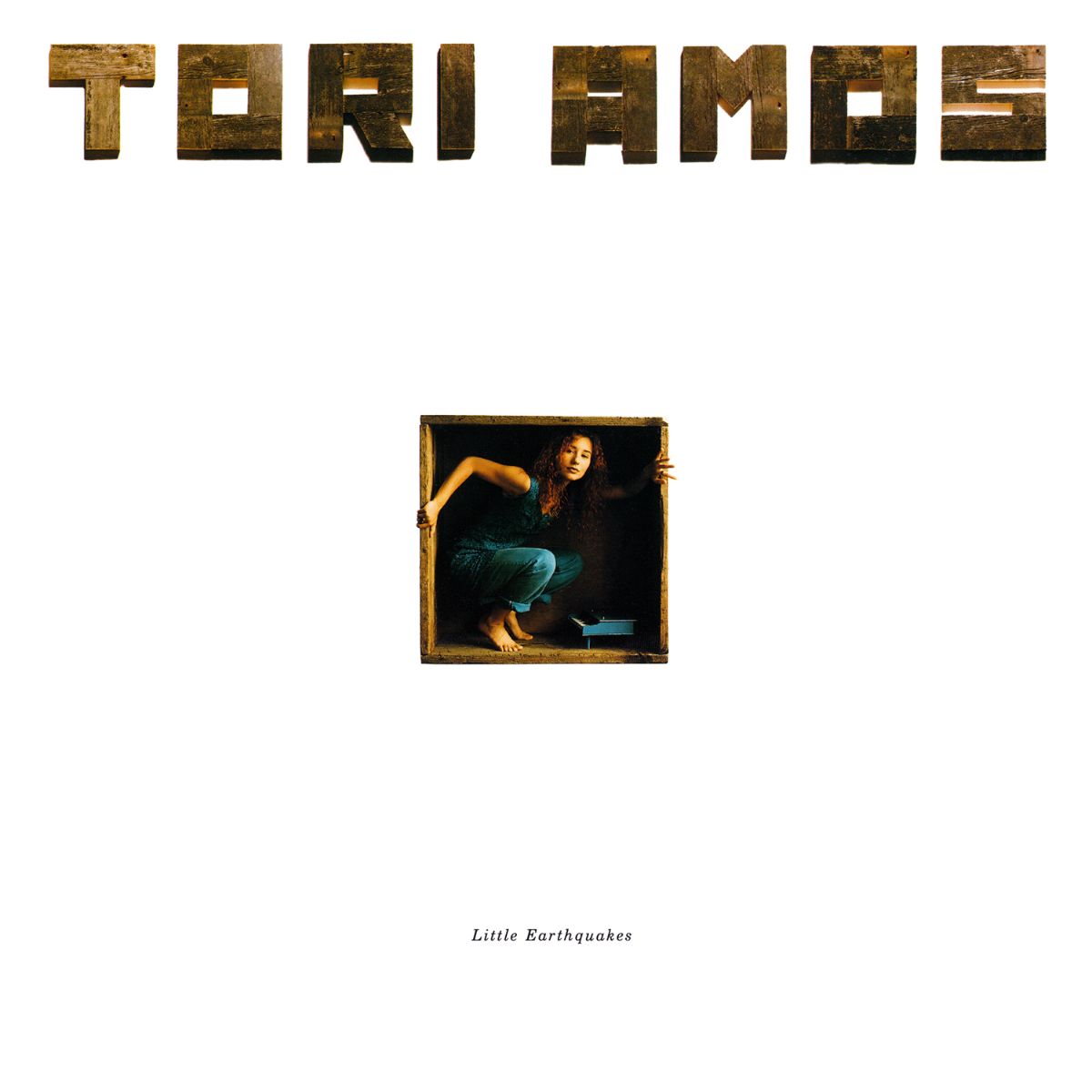
1. Little Earthquakes (1992)
There’s a sense throughout Little Earthquakes that Amos is being chased—by her past, by her fears, and perhaps even by something malevolent and unearthly. “So I run faster, but it caught me here,” she sings on the ferocious “Precious Things.” Amos sings from the perspective of a child on both “Winter” and “Mother,” her incessantly hushed whimpers that “the car is here” on the latter capturing the unknown of leaving the nest. But there’s also humor and whimsy in the artist’s assessment of her wounded psyche and, especially, the dynamics of archetypical male-female relationships: “Boy, you best pray that I bleed real soon/How’s that thought for you?” she quips on “Silent All These Years.” While Kate Bush has been an easy, frequent point of reference for rock critics since the start of Amos’s career, she has more often cited dyed-in-the-wool rock gods like Led Zeppelin as inspiration. You can hear the band’s influence on “Precious Things” in her frenzied piano playing, which emulates the track’s accompanying electric guitars—or is it the other way around? Cinquemani
Since 2001, we've brought you uncompromising, candid takes on the world of film, music, television, video games, theater, and more. Independently owned and operated publications like Slant have been hit hard in recent years, but we’re committed to keeping our content free and accessible—meaning no paywalls or fees.
If you like what we do, please consider subscribing to our Patreon or making a donation.




A ranking where Abnormally Attracted to Sin or American Doll Posse are “better” than the albums that came before and especially after them is null and void. If camp rock or glossy, vapid songs are supposedly better than what she’s done on her last four albums (including the new one) I can sense the resentment towards latter-day Tori Amos as a female artist over a certain age. That resentment has always been strong at Slant. But the clickbaiting worked with this listicle, I guess.
P.S. A tell-tale sign of skewed evaluation criteria is when a bonus track on a deluxe edition like Russia can count towards Native Invader’s (bad) ranking. Labeling the writing on Unrepentant Geraldines less stark but only mentioning the first single is another one.