Despite all the talk of punishing difficulty and realistic trauma simulation, something about Red Hook Studios’s Darkest Dungeon always felt a bit like comfort food—tried-and-true dungeon crawling with an almost sentimental attachment to a grimdark aesthetic, perfect for luxuriating in on a rainy weekend or a long road trip. How appropriate, then, that after seven years the follow-up arrives as a cross-country trek, albeit in a horse-drawn carriage traveling through more treacherous environments than, say, Iowa.
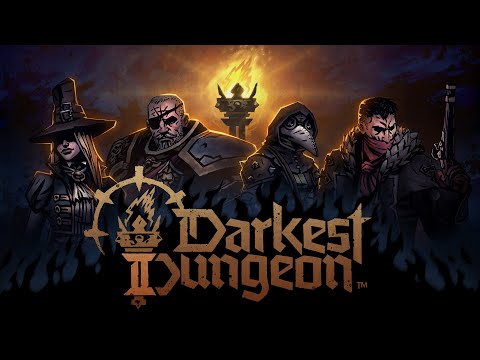
The first thing you’ll notice when you boot up Darkest Dungeon II is the bombastic stylings. There’s so much animation, music, and life on display throughout that the game jumps off the screen in a way that the 2016 original never did. This also has the benefit of elevating the tone slightly—not to the level of parody or camp, but enough to eschew the bleak self-seriousness that was a bit of a drag in the first game. Of course, the trademark reactive narration makes a return, and the one-sided conversation really livens up your time on the road.
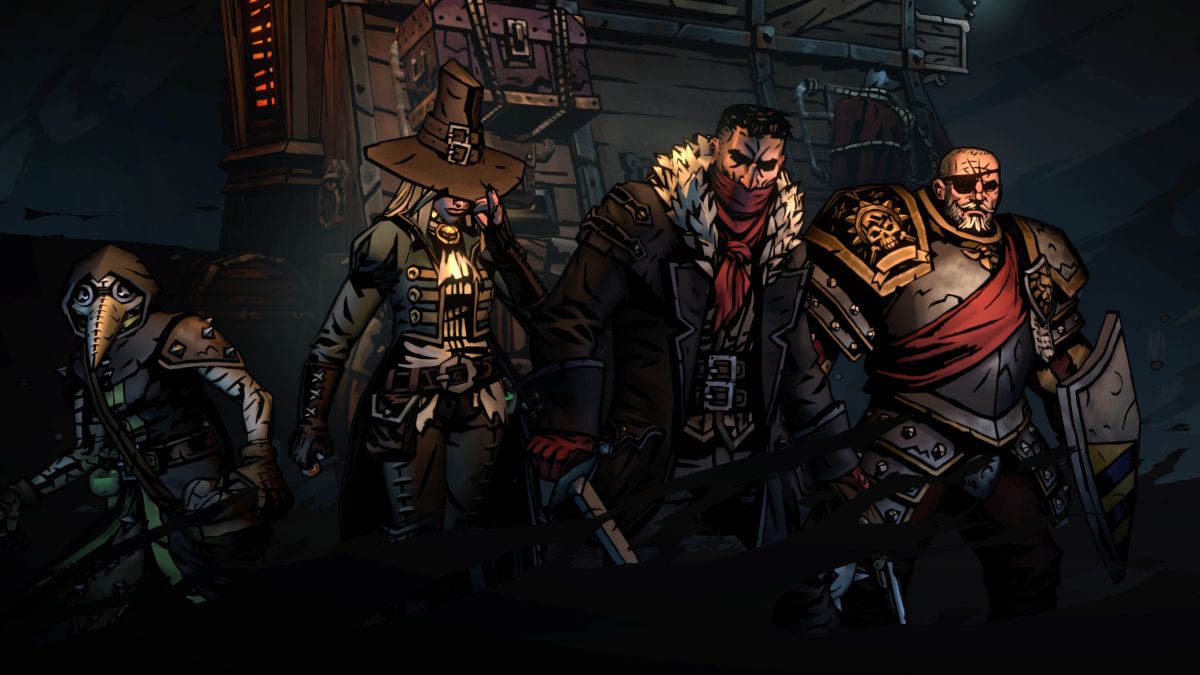
The game’s turn-based combat nails the same sharp, positional, deeply tactile beats as the original, while ratcheting up the difficulty after you overcome the first of five “confessions” (the game’s version of missions). It’s always a pleasure when you get a combination of heroes working in perfect, gory harmony, and the slow pace of unlocking new heroes and abilities means that you’re always fiddling with your setup in fresh and exciting ways.
There’s also an immense tangle of systems to contend with here. The most obvious of these is your new carriage, which you’ll drive through a series of branching, 3D roads in real time, all while navigating various hazards and rewards. There are also side objectives, backstory snippets, stress meters, illnesses, positive and negative character traits, pets, and more that you’ll need to juggle on the fly in order to avoid ending your run in some ditch.
Crucially, this mountain of variables isn’t completely overwhelming. Instead, it adds a pleasant fuzziness to your decision-making, so that no single misstep is likely to ruin an attempt, freeing you up to go with your gut and make up for small mistakes over the long haul.
Where its predecessor was concerned mostly with the physical and emotional wear and tear that comes with a life of violence, Darkest Dungeon II is more invested in showing how dire circumstances affect your heroes’ relationships. For example, two heroes might disagree about how to handle an encounter with some locals, causing their relationship (represented as a score from zero to 20, with 10 being neutral) to deteriorate. You can massage this a bit by having them share a drink at the next inn down the road, but if left unchecked there’s a good chance that they will develop one of several specific modifiers, like jealousy or suspicion.
Once a relationship reaches that point, certain combat actions for each hero will apply temporary nerfs to their counterpart. But this can all play out the other way as well, with two characters forging a positive bond and trading combat buffs instead. That focus on relationships is a big thematic shift for the sequel, and aside from the somewhat clunky carriage sections, it’s probably the thing that returning fans will find the most divisive. There’s a fair point to be made that the cruelty with which you wrung out each of your disposable adventurers in the first game constituted a bolder, more challenging artistic vision. In comparison to the dense pleasures of the surrounding game, though, it also felt morbid and a bit out of place.
While Darkest Dungeon II’s emphasis on the interpersonal is apt for a game that’s more road trip than dungeon crawl, it also makes it a decidedly more hopeful experience than the first game, as it leaves the door open for your adventuring party to face seemingly insurmountable odds and come out the other side stronger. There’s also more comedy and just plain joy in knowing that as intimidating as all those monsters may seem, your biggest challenge is getting your ragtag band of rascals to stop bickering and get along.
This game was reviewed with code provided by popagenda.
Since 2001, we've brought you uncompromising, candid takes on the world of film, music, television, video games, theater, and more. Independently owned and operated publications like Slant have been hit hard in recent years, but we’re committed to keeping our content free and accessible—meaning no paywalls or fees.
If you like what we do, please consider subscribing to our Patreon or making a donation.