Laura Chinn’s directorial debut, Suncoast, is based on the filmmaker’s own experience growing up in Florida in the early 2000s, when her younger brother, blind and deaf and in a wheelchair from brain cancer, was placed in the same hospice center that Terri Schiavo was at. It’s a harrowing story that Chinn detailed in her 2022 memoir titled Acne.
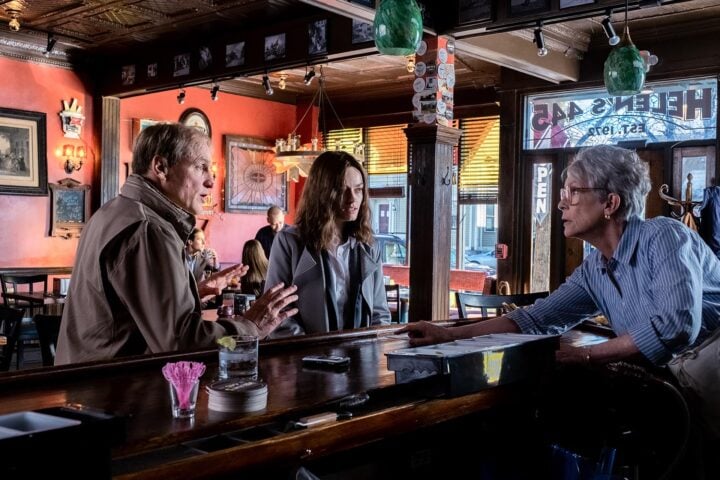
The contrast between the media circus and heated protests surrounding Schiavo’s case and the private suffering of a family—Kristine (Laura Linney) and her teenage daughter, Doris (Nico Parker)—who’s been saying a very long goodbye to Max (Cree Kawa) for nearly a decade, should have orchestrated a riveting tension. Instead, the Schiavo case is a barely felt presence, serving only to bring Doris, exhausted by years of helping care for her brother under the watch of her overbearing mother, into the orbit of Paul (Woody Harrelson), a still-grieving widower who spends his days outside the center protesting for Schiavo’s right to life.
Doris and Paul’s odd-couple pairing is the stuff of Sundance cliché, namely for the almost perfunctory way that they bridge the generational and experiential divide as they help each other heal. Paul is only present in about one-third of Suncoast, but this recurring subplot puts a damper on what’s otherwise an often poignant drama about the discord between a mother and daughter under the intense stress of watching a loved one’s decline due to disease.
Parker is sensitive in her portrayal of Doris, who, after years of playing the squeaky-clean, supportive daughter, finally begins to gain confidence among a new group of friends who push her out of her comfort zone. The numerous scenes centered around Doris and this somewhat sketchy crew get at her burgeoning desire to find herself. But while these sequences offer a reprieve for the audience from the film’s depiction of the depressing reality of hospice care, they offer little insight into teen friendships that we haven’t seen in dozens of films before.
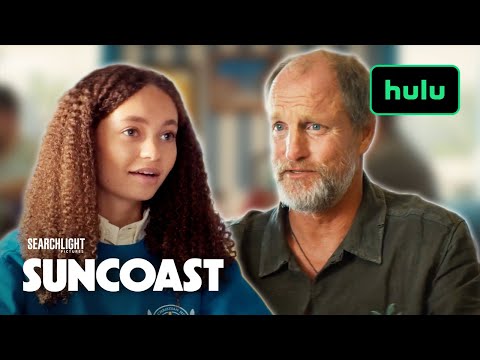
By the time Doris throws her first party, smokes her first joint, ditches her first class, and gets her first fake ID, it becomes clear that Suncoast has chosen the least interesting avenues of its scenario to explore. It’s a shame, because when Chinn homes in on the mother-daughter dynamic, her film soars, with Linney striking a perfect (and perfectly understandable) balance of abrasiveness and compassion. Kristine is both exhausted and resilient, and while it’s clear that she loves Doris and wants the best for her, it’s undeniable that her focus on Max over the years has made her negligent of and, at times, even indifferent to, her daughter’s needs.
Suncoast, though, doesn’t chastise Kristine for her mistakes, presenting her as a single working mom who’s put in an impossible situation that would bring most people to their knees. Indeed, it’s Kristine who’s not only the heart of the film, but ultimately its most interesting character. Linney is unafraid of making Kristine off-putting, especially as she complains about every member of the patient hospice staff or snapping at everyone around her, including Doris. At one point, talking to a grief counselor (Pam Dougherty) at the hospice, Kristine responds “no” when asked if she has any kids other than Max before quickly catching and correcting herself. Linney plays the moment perfectly, with a mere shift in posture and vocal inflection that captures the duality of a woman, quite literally yet understandably, torn between her two children.
Unfortunately, Suncoast sticks largely to Doris’s perspective, and while her emotions become gradually more conflicted as the story progresses, it’s hard not to wish that the film had been more about Kristine’s struggles, given their more emotionally rich depiction. In following Doris, Suncoast spends much of its runtime trafficking in tiresome coming-of-age tropes, until the resulting crowd-pleaser has snuffed out much of what’s so singular about its central story.
Since 2001, we've brought you uncompromising, candid takes on the world of film, music, television, video games, theater, and more. Independently owned and operated publications like Slant have been hit hard in recent years, but we’re committed to keeping our content free and accessible—meaning no paywalls or fees.
If you like what we do, please consider subscribing to our Patreon or making a donation.