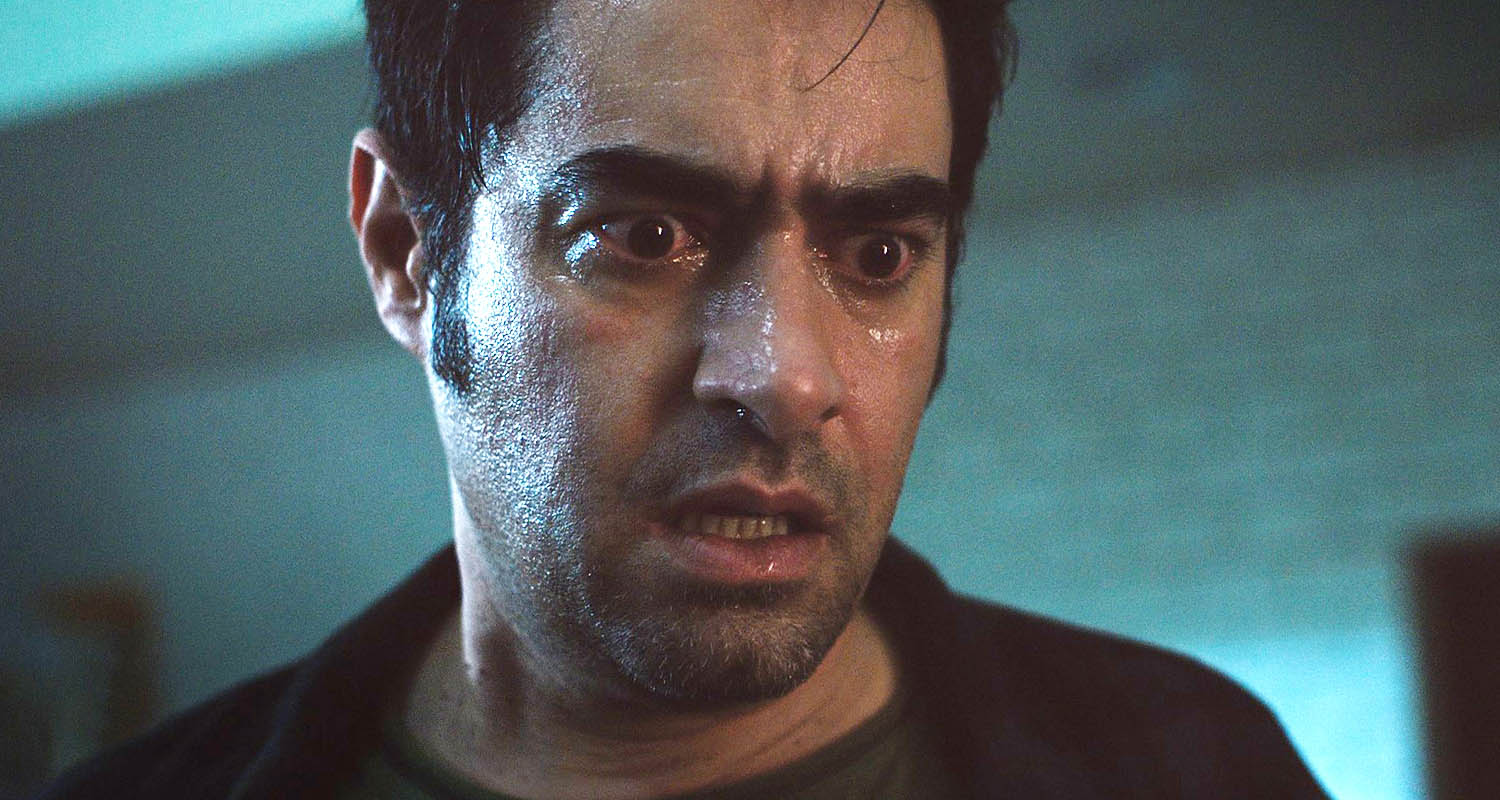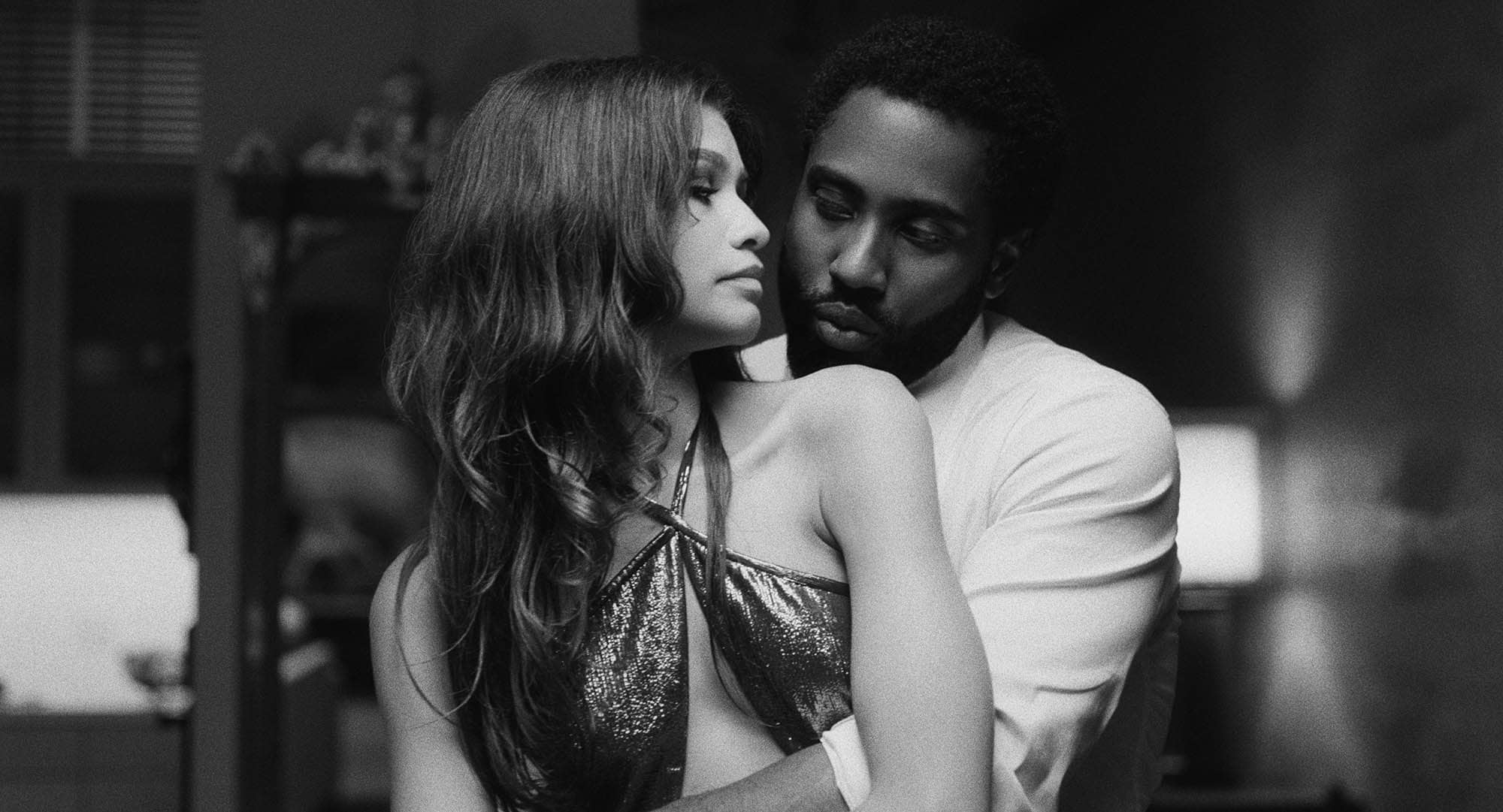
Shot in the midst of the Covid-19 pandemic, Sam Levinson’s Malcolm & Marie toys with the limits imposed on a production by lockdown. Depicting a late-night verbal duel between the eponymous couple, played by John David Washington and Zendaya, the film draws its drama almost entirely from their back-and-forth sparring. Additionally, for the duration of this two-hander, cinematographer Marcell Rév’s camera stays in and around the immediate area of the isolated, modernist-style villa in Malibu where the two are staying, and which Malcolm identifies as having been rented for them by movie producers.
Presumably, the actual house he’s referring to actually was rented by producers—those of Malcolm & Marie. Given that Malcolm, like Levinson, is a filmmaker—he’s flush from the successful premiere of his latest feature when he and Marie arrive at the villa—this and other nods to the conditions of the production feel like invocations of Jean-Luc Godard’s well-worn dictum that every film is a documentary of its own making. The plot of the film ostensibly consists of a series of fights and brief reconciliations stemming from Malcolm snubbing Marie while doling out thanks during his speech at the premiere, but considering the exchange of verbose, often artificial-sounding monologues that the characters refer to as “fighting,” we may as well be watching a documentary about actors acting while in lockdown.
It’s remarkable, actually, that Levinson manages to resist having Malcolm cite Godard directly, considering the degree to which the character’s dialogue consists of cinephilic rants that often come off as instructions on how to—or, rather, how not to—interpret the very film he’s in. In a pointed scene, yelling in Marie’s vicinity but more past than at her, Malcolm rages against a white female critic for presuming that his film is making a statement about racism just because it features people of color, and for her coded description of his debut feature as “jazzy.” What to make of it, then, that Malcolm & Marie complements its throwback black-and-white imagery with jazz tunes like John Coltrane’s rendition of “In a Sentimental Mood,” and that the film we’re watching is one that has a black cast but isn’t about racism?
The screenplay’s perpetual, flagrant undermining of itself quickly grows tedious. At one point, Malcom goes on a practically footnoted enumeration of filmmakers whose oeuvres make attributing their work to their identity problematic at best—from Gillo Pontecorvo directing Battle of Algiers to Elaine May’s films being preoccupied with insecure men. This, of course, calls attention to Levinson being a white man making a film with an all-black cast, which is around the point where Malcolm’s diatribe against the pedantry of critics starts to peg him as, well, an insufferable pedant; even the acknowledgment of the tiresomeness of critics feels like Levinson anticipating the charges against his own work. Later, Malcolm flies off the handle after Marie offers a mild critique of his film’s male gaze. He says, “If I rolled a camera on you right now, would I be sexualizing you, or is this just what you happen to be wearing on a Friday night?” Levinson then cuts to a shot of Zendaya writhing idly on the floor in her underpants.
As a reflexive commentary on filmmaking and criticism, Malcolm & Marie is uninspired and petty but also somewhat non-committal, hedging its bets via preemptive self-interpretations that give the impression that there’s no escaping the ouroboros of Film Discourse 101. As a chamber play, it’s even less effective, with Malcolm portrayed as a childish embodiment of male privilege (one scene has him stuffing macaroni and cheese into his mouth while yelling at Marie that she’s psychotic) and Marie depicted as a cardboard-cutout version of the damaged actress, her backstory so patent that Zendaya’s unpersuasive turn can be forgiven. On more than one occasion, a single tear rolls down one of the characters’ faces after they’ve finished delivering or enduring a harangue, and whether this hokey dramatic device means to move us or emphasize the obvious artifice of this film is anyone’s guess.
Expending so much energy anticipating our avenues of interpretation, Malcolm & Marie leaves us with little to interpret. The self-reflexivity ultimately feels like an attempt to create plausible deniability: If we find the characters less than compelling or the depiction of their confrontations more stylistic than substantive, that’s okay, because movies, not people, are the subject here. “Cinema doesn’t need to have a message, it needs to have a heart,” Malcolm opines at one point, but Malcolm & Marie could stand to have more of each.
Since 2001, we've brought you uncompromising, candid takes on the world of film, music, television, video games, theater, and more. Independently owned and operated publications like Slant have been hit hard in recent years, but we’re committed to keeping our content free and accessible—meaning no paywalls or fees.
If you like what we do, please consider subscribing to our Patreon or making a donation.