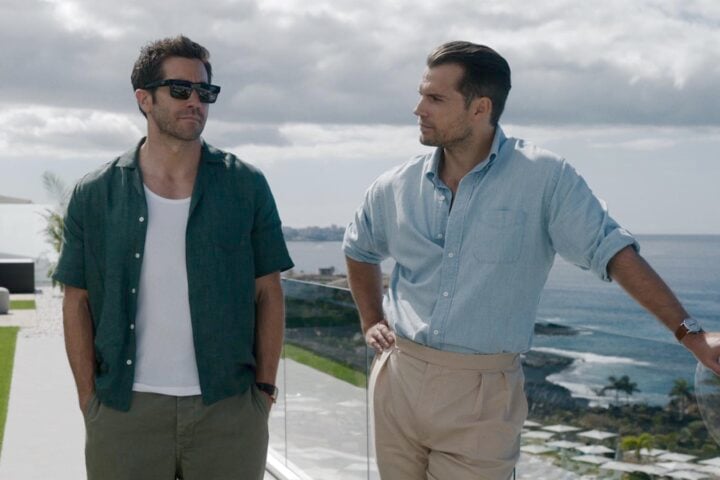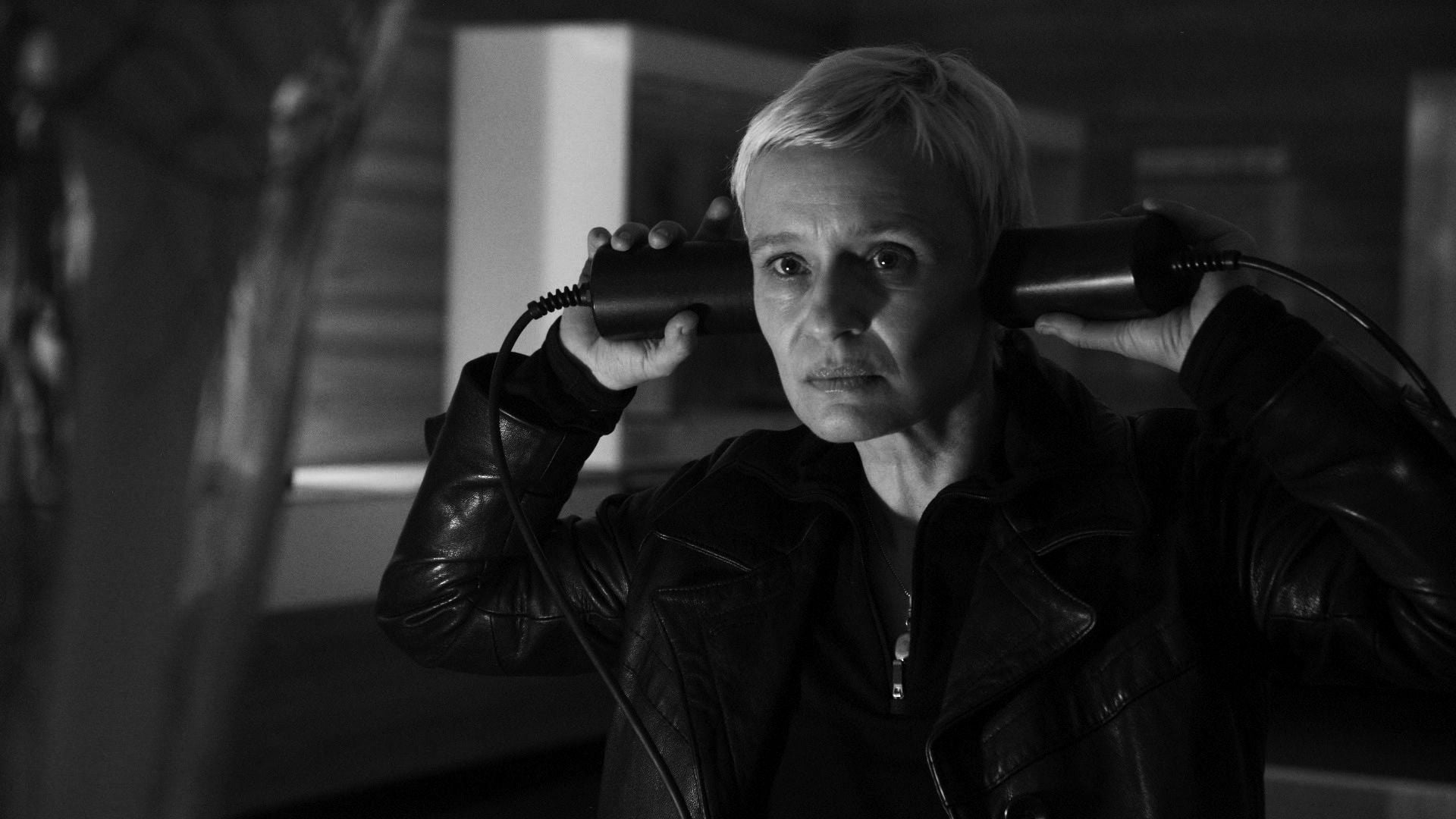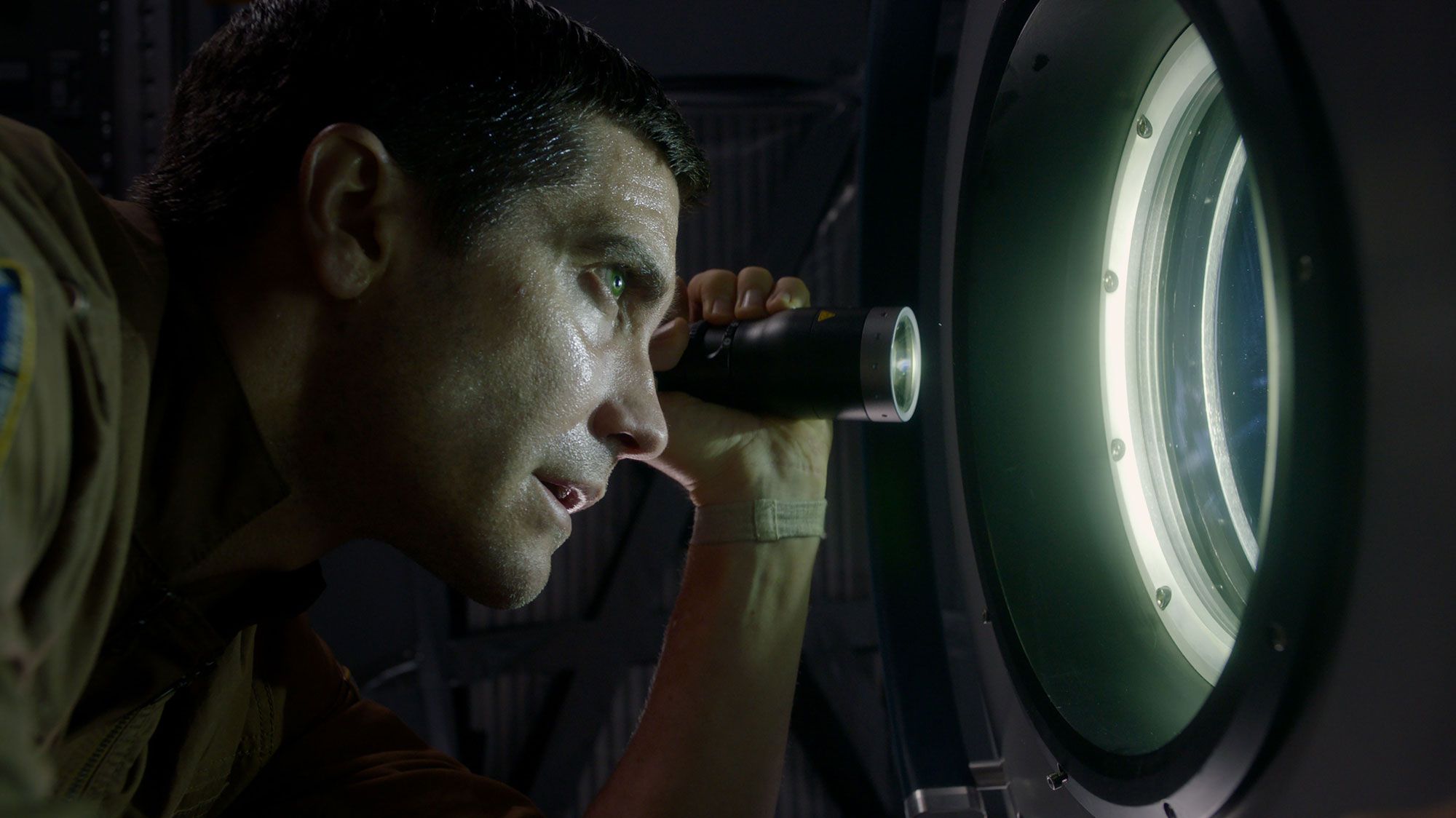
If you ever find yourself in outer space and the only person talking any sense is Ryan Reynolds, locate the nearest escape hatch. Life, an incredibly square and familiar studio product, baits and switches on two disappointing propositions, moving swiftly from something expectedly cliché to something dismayingly derivative. As it opens, the film establishes a familiarly meditative tone in line with so many of the other art house-aspirational space jaunts, with techno jargon delivered at a pace as atrophied as an astronaut’s muscles after spending years in zero gravity. Dr. David Jordan (Jake Gyllenhaal, dead behind the eyes from his first scene) heads up a six-person crew exploring a satellite struck, apparently, by some detritus from Mars—“apparently” because the film’s whispery exposition deliberately makes it unclear what’s transpiring other than, assuredly, science. Or, as it turns out, padding.
The dirt left behind on the ruined piece of equipment is collected, compartmentalized, squeezed, and pressed between two slides. Under the microscope, a hairy Martian paramecium lies in suspended animation, backlit impeccably to complement the milky-beige interiors of a very new-age International Space Station. (If the ship in Morten Tyldum’s Passengers had a janitor’s closet, it would look a lot like this film’s vision of the ISS laboratory.) And it gets even more poetically severe the moment the team’s head scientist, soft-spoken Brit Hugh Derry (Ariyon Bakare), figures out the precise atmospheric simulation that allows the cell to start fluttering around like it’s auditioning for the next Terrence Malick film. It grows, and it grows, and the world falls in love with the new life form soon named Calvin (after the elementary school precociously lucky enough to earn the right to tag it).
For the first reel or so, Life exhibits none. And then a miniature cattle prod is brought into the mix, and the film becomes an entirely different proposition, one which realizes the setup’s clear echoes of the first Alien in initially gut-wrenchingly bloody fashion. Sometimes, the transition of the gear shifts in films such as these are enough to excuse everything around them and add up to, if not exactly Takashi Miike’s Audition, then at least a satisfying potboiler. Unfortunately, Life’s early calm all but guarantees a storm, one which fans of the genre have seen done better countless times, or at least to characters one can summon up some measure of empathy, instead of the exasperation one gets every time Gyllenhaal’s captain and his crew don’t just opt for the self-destruct button. In any case, the film saves its ultimate “gotcha” gear-shift for a climactic editing sleight-of-hand cheat that confirms the filmmaker’s ultimate contempt. Even Reynolds’s Deadpool exhibits a stronger moral core.
Since 2001, we've brought you uncompromising, candid takes on the world of film, music, television, video games, theater, and more. Independently owned and operated publications like Slant have been hit hard in recent years, but we’re committed to keeping our content free and accessible—meaning no paywalls or fees.
If you like what we do, please consider subscribing to our Patreon or making a donation.