Electronica is one of the last musical realms untouched by the restorative treatment of poptimism. EDM and dance-pop are still treated with smug, upturned noses by many critics, but their derision doesn’t square with electronic music’s potential for transcendence. In 2021, using the computer as their primary method of attack, these 10 artists constructed beguiling soundscapes (Lost Girls, Loraine James) and described yearning romances (DJ Seinfeld), some showcasing technical wizardry (AceMoMa) as ably as those who captured their personal identity in song (GRiZ, Porter Robinson). Whether you made a triumphant return appearance to a club this year or continued bumping beats in privacy, the albums on this list provide a dynamic sense of movement and grooves through which one could at least entertain the notion of risking it all on the dance floor. Charles Lyons-Burt
Honorable Mentions: The Bug, Fire; CloZee, Nouvelle Era; Koreless, Agor; SG Lewis, Times; Logic1000, In the Sweetness of You; Qrion, I Hope It Lasts Forever; Rezz, Spiral; Rüfüs du Sol, Surrender; RP Boo, Established!; Tsuruda, Siege

AceMoMa, A Future
AceMoMa fuses drum n’ bass with aspects of other ’90s electronic subgenres to produce a sound that’s at once quaint and, as the title of their second album suggests, futuristic. On tracks like “Forest Bounce” or “1 Million Breaks,” their synth work is barebones and raw while the percussion is furiously flickering. It’s this onslaught of pyrotechnical breakbeats that is most captivating about A Future. The songs are expertly layered with circuitous, churning drum patterns that are locked in a push and pull with the measured, foreboding synths. This tension brings to mind the clash between new and old, between evolution and stagnation. A Future was painstakingly recorded over the course of four years, and AceMoMa’s intricate exercises are more technically impressive than they are emotionally stirring, but the amount of tangential, spiraling grooves the pair navigates are seemingly limitless. Lyons-Burt

Arca, Kick ii-iiiii
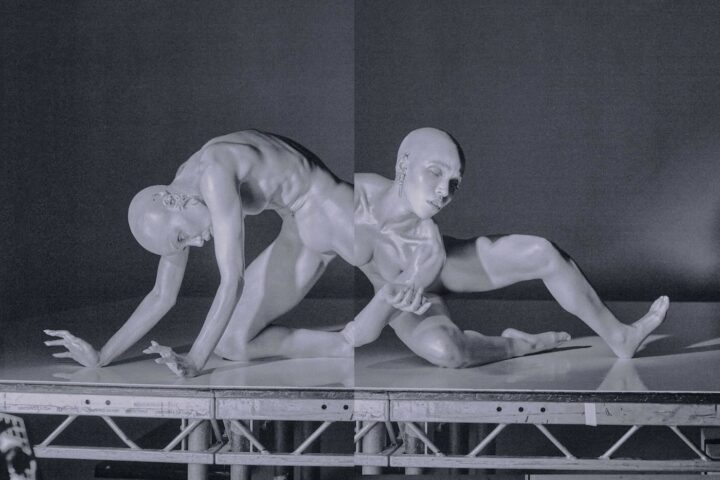
In perhaps her boldest artistic move to date, prolific Venezuelan-born artist Arca released four albums in as many days. Each installment of the quadripartite follow-up to last year’s audacious Kick i boasts a unique set of textures and genre influences: reggaeton, deconstructed club, ambient, and modern classical, respectively. The albums’ transhumanist sensibility is reflected not only by their Frederik Heyman-designed cover art that fuses Arca’s body with technological elements, but also by the mingling of the artist’s voice and distinctive array of evocative electronic sounds. These intersections blur the boundary between the organic and the artificial, the beautiful and the strange, the comfortable and the transgressive. The songs—47 in total—are similarly multifaceted and push Arca’s performances and production in new and challenging directions. “Prada” is a warped neoperreo banger fit for a club 100 years in the future, and “Incendio” matches Arca’s rapid-fire rapping with chaotic industrial textures. Likewise, tracks such as “Queer,” “Electra Rex,” and “Sanctuary” expand on Arca’s forward-thinking philosophy, making the Kick series a well-rounded showcase of Arca’s personal and musical evolution. Eric Mason

DJ Seinfeld, Mirrors
On Mirrors, Armand Jackobssen’s aching house beats use the titular image to show how closely linked love and loneliness really are. On the album’s featherweight opening track, “She Loves Me,” guest vocalist Stella Explorer softly asks, “She loves me/Why does she?” as keys punctuate the insistent, pattering drum line, mimicking how doubt pokes through romantic security. More than on past projects, Jackobssen dabbles in some cheese and sentimentality—a sparkly shimmer of chimes on “Walking with Your Smile,” the chirping, squeaky synth of “Someday”—but in just the right proportions to amplify the emotional tenor of the album. The soundscapes on Mirrors are lush, bathed in wistful textures, and full of little surprises and revelations. Lyons-Burt
GRiZ, Rainbow Brain
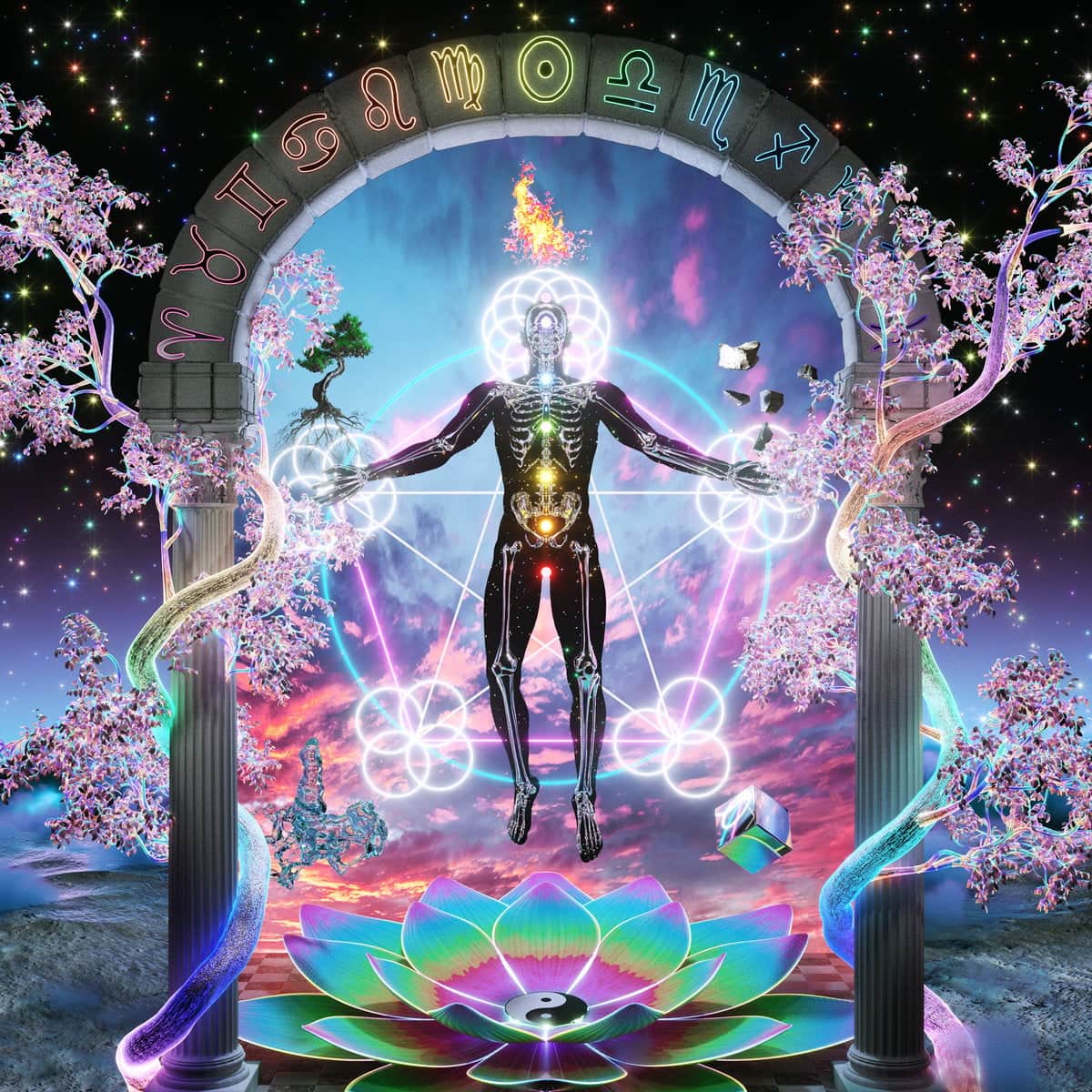
If GRiZ’s Rainbow Brain is intended as the approximation of a psychedelic drug trip, it’s really only capturing the peak of the high, not the coming down. But that’s okay, because for almost all of the album’s 55 minutes, the Denver producer and saxophonist retains an exuberant energy and head-spinning frenzy in his dubstep and electro-funk freak-outs. The songs are alight with sensory stimulations, but they don’t forego pop structure in service of hard-hitting impact. “Burn Up the Floor” and “548 MAC ave,” for all of their dazzling synth mayhem and merciless wallops of bass, never lose sight of their established rhythms and melodic hooks. These are the heaviest and dirtiest beats GRiZ has ever made, interspersed skillfully on most tracks with spirited guitar licks, brass input, and the artist’s expressive sax playing. The album’s title is both a reference to hallucinatory imagery and GRiZ’s gay pride, and, along these lines, Rainbow Brain plays as an ebullient tribute to spiritual enlightenment via psychedelia and loud self-declaration. Lyons-Burt

Loraine James, Reflection
It’s a compliment to say that Loraine James’s Reflection is equal to the sum of parts, because its moving pieces are so varied and rich. Sonically, the album is the accumulation of highly satisfying details: the hiss of a snare, the hum of the low end, the drone of electric feedback. These are stuttering and shuddering effects that sound, to quote James on the seven-minute “Change,” like “technical difficulties”—beguiling aberrations in a faulty system. James recruits various guest vocalists to help her provide insight into modern life, be it identity (as Le3 bLACK does on “Black Ting”) or a politically charged vision of an imagined future (Iceboy Violet on “We’re Building Something New”). As the cover art of a contorted, discolored human face suggests, Reflection is a vision of reality and community that’s skewed but still recognizable. And James fascinatingly wields IDM and grime to propel us through her perception. Lyons-Burt

India Jordan, Watch Out!
From a cursory glance it would seem that India Jordan’s singular gamble is to make house music but make it fast. Like, really fast. The London-based DJ works at a frenetic pace from the first moments of Watch Out!, on which the furious stomp of the kickdrum and its attendant percussive reverberations seem to be paramount. And while the wicked quick BPMs of all five songs here are their primary joy, Jordan proves with each successive, playful decision that they have more up their sleeves. Dog barks are, delightfully, a motif in the title track along with an alarm siren, suggesting a through-the-looking-glass remake of “Who Let the Dogs Out,” and on “You Can’t Expect the Cars to Stop If You Haven’t Pressed the Button,” Jordan highlights an effect that sounds like it was pulled from the racket hitting the ball in Wii Sports: Tennis. But the EP’s standout is “Feierabend,” which, in addition to having the most rapidly snapping hi-hat you’ve ever heard, sees Jordan working in reverse—programming a looped string instrument to glide downward each time they up the key the synths are in, creating a cascading motion from each new height the song reaches. It’s these details that make Watch Out! an exemplarily overcharged bit of dance-floor fodder. Lyons-Burt

Joy Orbison, Still Slipping Vol. 1
Given the home-recorded audio and voicemails of various family members that act as connective tissue throughout, Joy Orbison’s Still Slipping Vol. 1 feels like it was dredged up from a dusty box in the attic. This sensation is encouraged by beats that sound aged in amber, riven with the imperfections of memory. Tracks like “Better” and “‘rraine” hum with the static of old media, while “Bernard?” incorporates what sounds like data being processed in a spy movie. Sequenced as one extended mix, the album flits between 2-step, house, deep house, and U.K. funky with a low-profile adroitness, often marked by lags and staggered snare hits characteristic of broken beat. Still Slipping Vol. 1 is somehow unhurried and deliberate while remaining propulsive. Lyons-Burt

Lost Girls, Menneskekollektivet
Singer-songwriter Jenny Hval’s music, whether it’s the post-rock of her earlier work or her more recent electronic-leaning fare, is distinguished by stream-of-consciousness lyrical explorations of the body and mind. The blunt, wryly funny songs on Menneskekollektivet, a collaboration with fellow Norwegian artist Havård Volden, weave skeletal dance beats with Hval’s matter-of-fact, observational musings. Throughout, she explores death and finality and the brief impermanence of time on Earth, as well as intimacy, touching, and what makes something exist or be classified as real. It sounds esoteric, and it can be quite heady, but there’s a transparency and an acceptance of human error to her prodding inquiries. Befitting the album’s focus on flesh and contact, there’s also a corporeal tactility to the mesmerizing grooves, with plentiful drum patter, chiming bells and synths, and outbursts from Volden’s guitar. Lyons-Burt

LSDXOXO, Dedicated 2 Disrespect
LSDXOXO’s Dedicated 2 Disrespect is a bracing EP of techno and house whose pulverizing four songs hammer you from every conceivable angle. There’s a sense of play to the subject matter: Raushaan Glasgow has a blast with themes revolving around sexual kinks and transgressions, especially on “The Devil” and “Sick Bitch,” where he deadpans about fucking the devil and “the limits of [his] gag reflex.” With this in mind, the mounting tensions and explosive releases of energy feel like they’re channeling Glasgow’s irrepressible desires. The songs’ taboo declarations are brought to life with beats that quiver with momentum. “You gotta make it hurt/if you wanna make it squirt,” Glasgow quips on “Sick Bitch,” and the hard-hitting sting is indeed is as potent as the rush. Lyons-Burt
Porter Robinson, Nurture
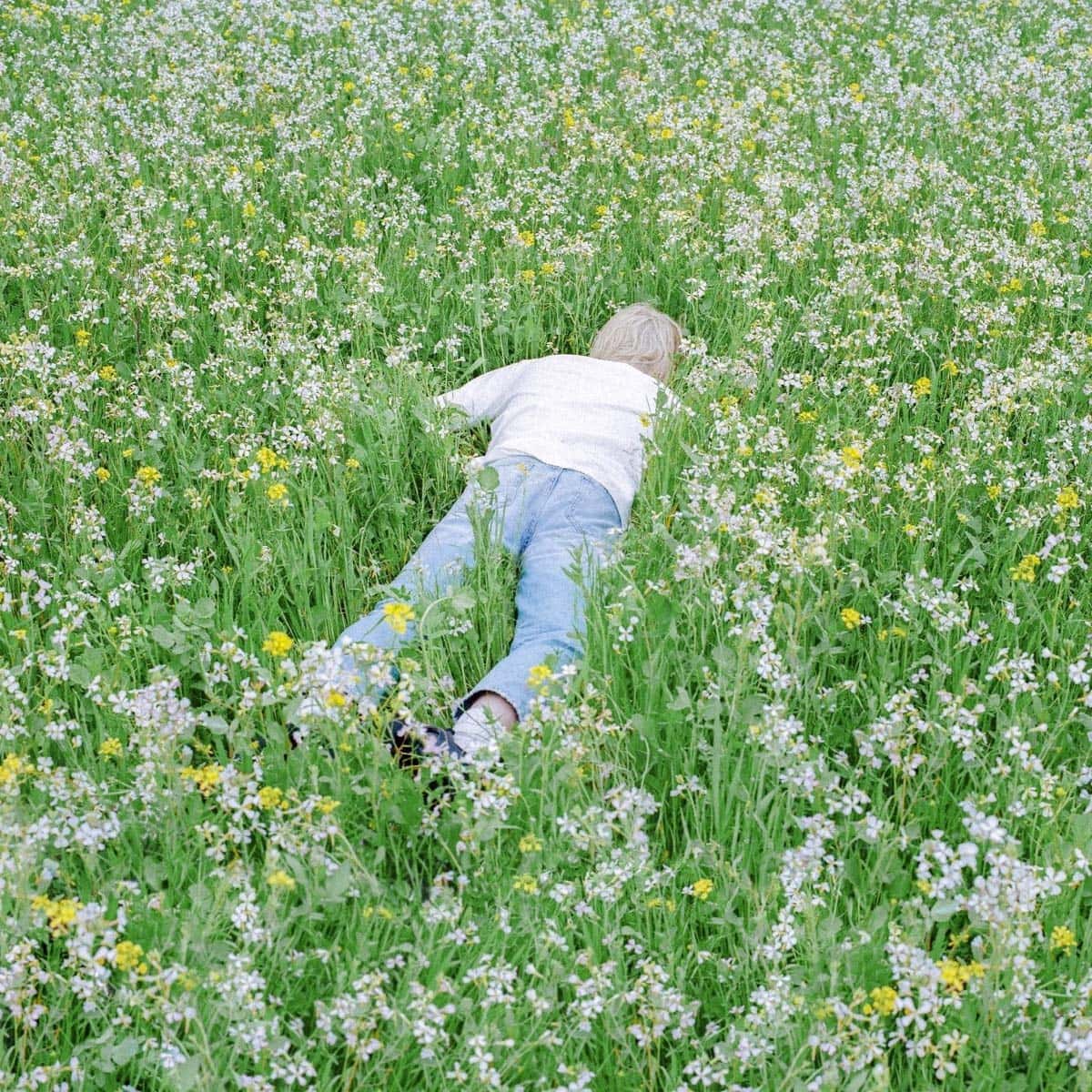
In the seven years since he released his EDM-focused debut, Worlds, Porter Robinson worked to improve his mental health, connecting with nature and confronting his emotions head-on. Robinson’s deepening psychological wisdom is evident on Nurture, a therapeutic and enthralling collection of cleansing affirmations and reflections. Many of the songs are introspective dialogues with Robinson duetting with a pitch-shifted version of himself, often employing folktronica samples to ground the album in organic sonic textures. And while this focus on contemplation might lend itself to a subdued sound, Nurture is frequently explosive, as on “Get Your Wish,” “Mirror,” and “Unfold.” But perhaps even more often, the album is cathartic and incisive. On “Look at the Sky,” Robinson turns to nature to cope with depression, and on “Sweet Time,” he affectingly hopes that love can extend beyond death. Mason
Since 2001, we've brought you uncompromising, candid takes on the world of film, music, television, video games, theater, and more. Independently owned and operated publications like Slant have been hit hard in recent years, but we’re committed to keeping our content free and accessible—meaning no paywalls or fees.
If you like what we do, please consider subscribing to our Patreon or making a donation.