These shows prove the marathon-watching juggernaut’s concern for both quantity and quality.


These shows prove the marathon-watching juggernaut’s concern for both quantity and quality.

With “The Crimson Horror,” the new series of Doctor Who notches its 100th episode.

It’s a severely undercooked convergence of idiotic plots and botched one-liners, rarely striving to do something the slightest bit original.

It presents itself as a fair complement to Louie in that both shows concern themselves with refreshingly substantive masculine types.
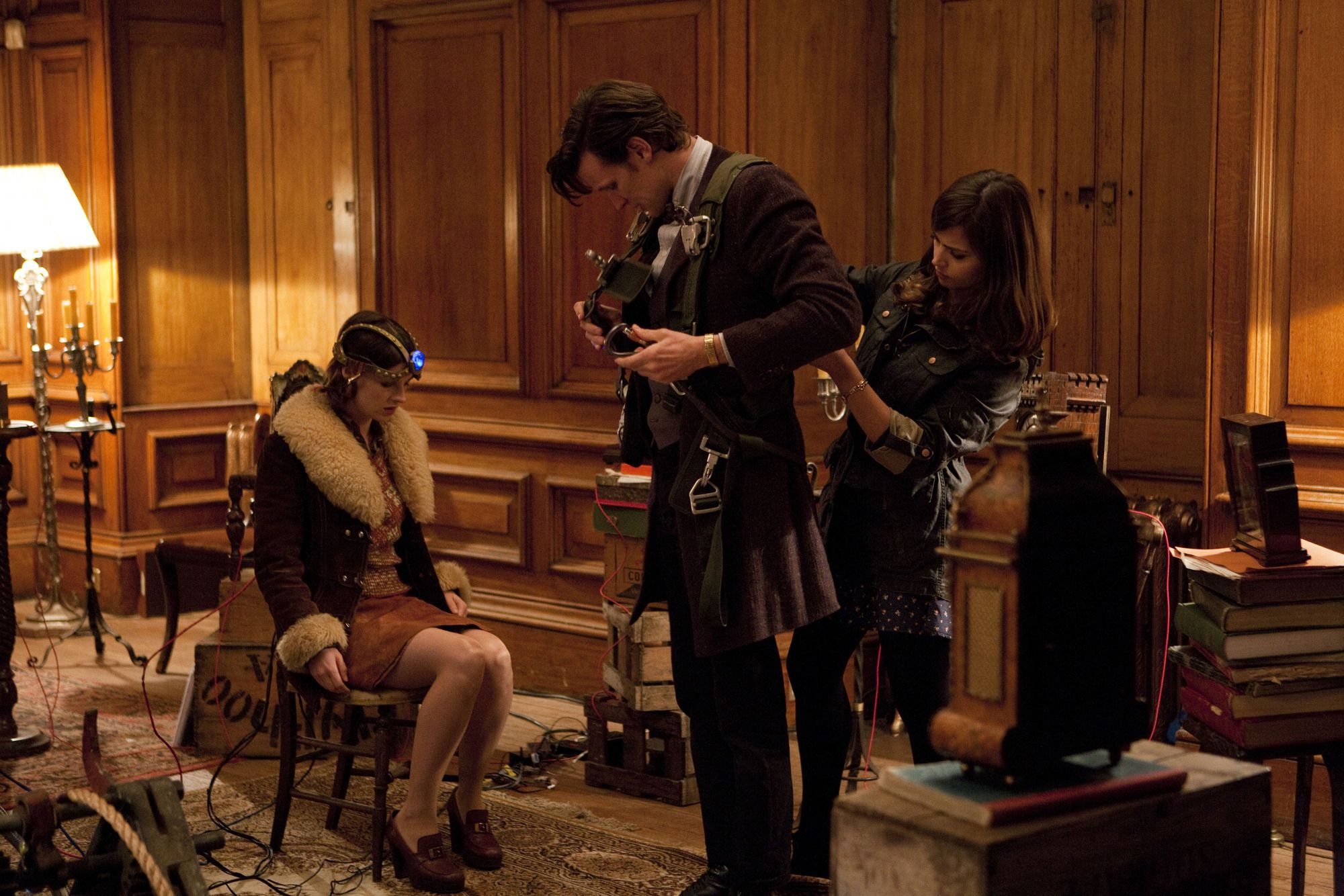
Thanks to its immediately intriguing title, “Journey to the Centre of the TARDIS” was one of the most highly anticipated episodes of this season.
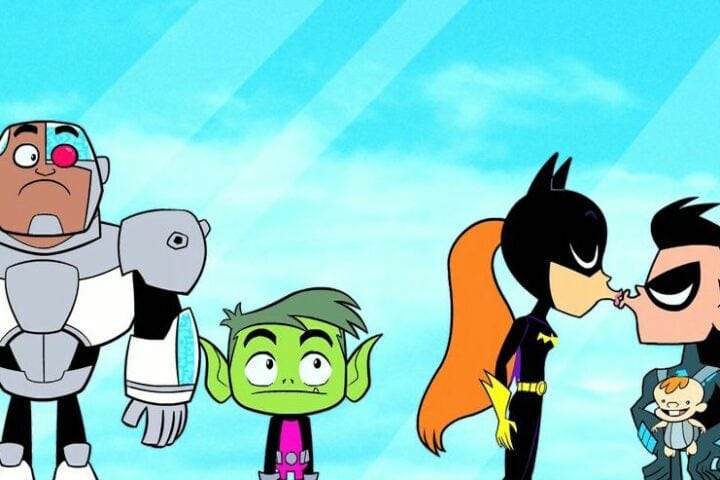
If not for the actors, whose talents can’t save this lackluster material, it offers little to even the most ardent Titans nostalgists.

It’s the tender, realistic moments where Rectify thrives, distinguishing itself from the bulk of other series with similar subject matter.
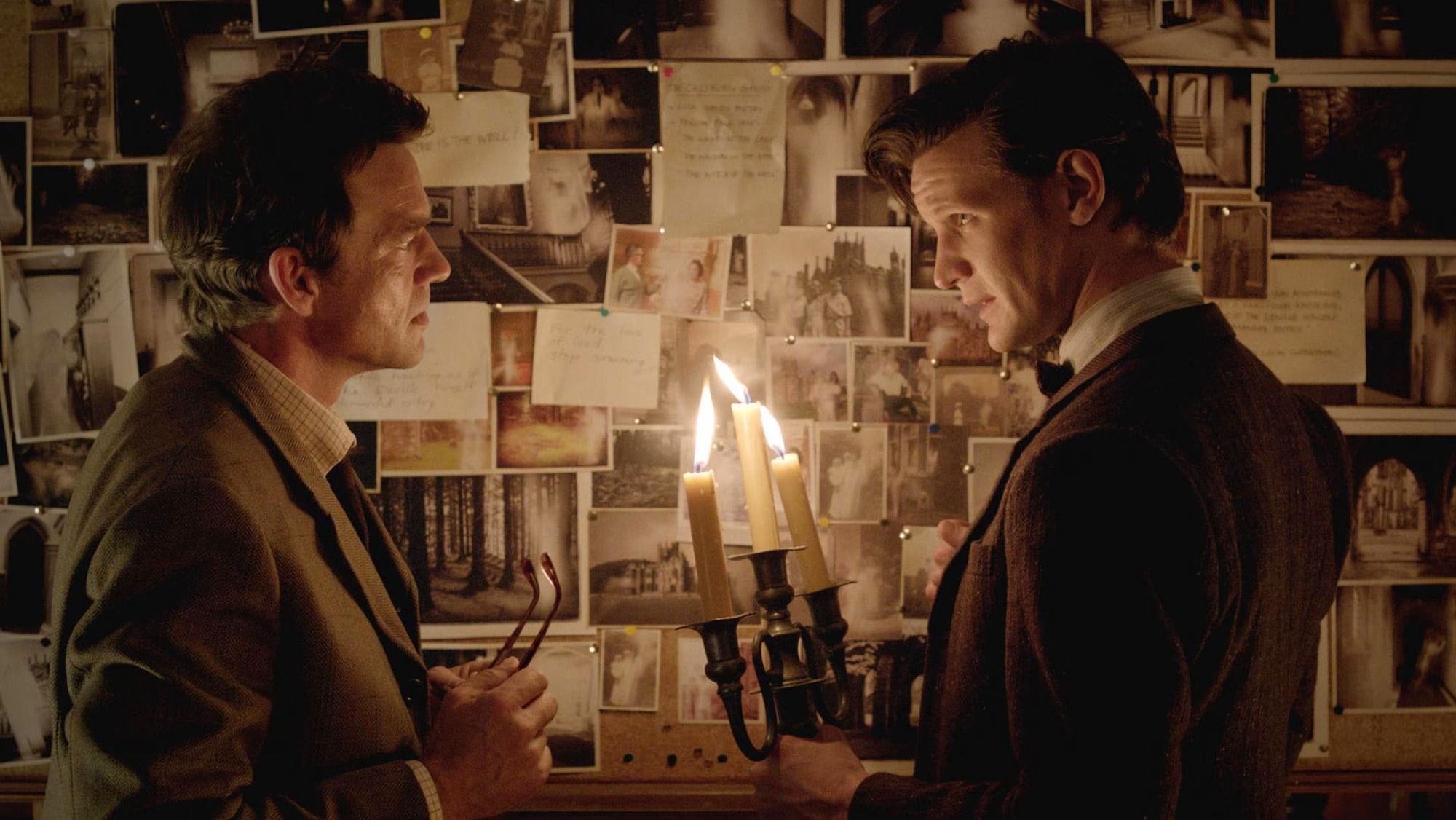
Neil Cross’s second episode of the season, “Hide” is a nicely spooky haunted-house story.
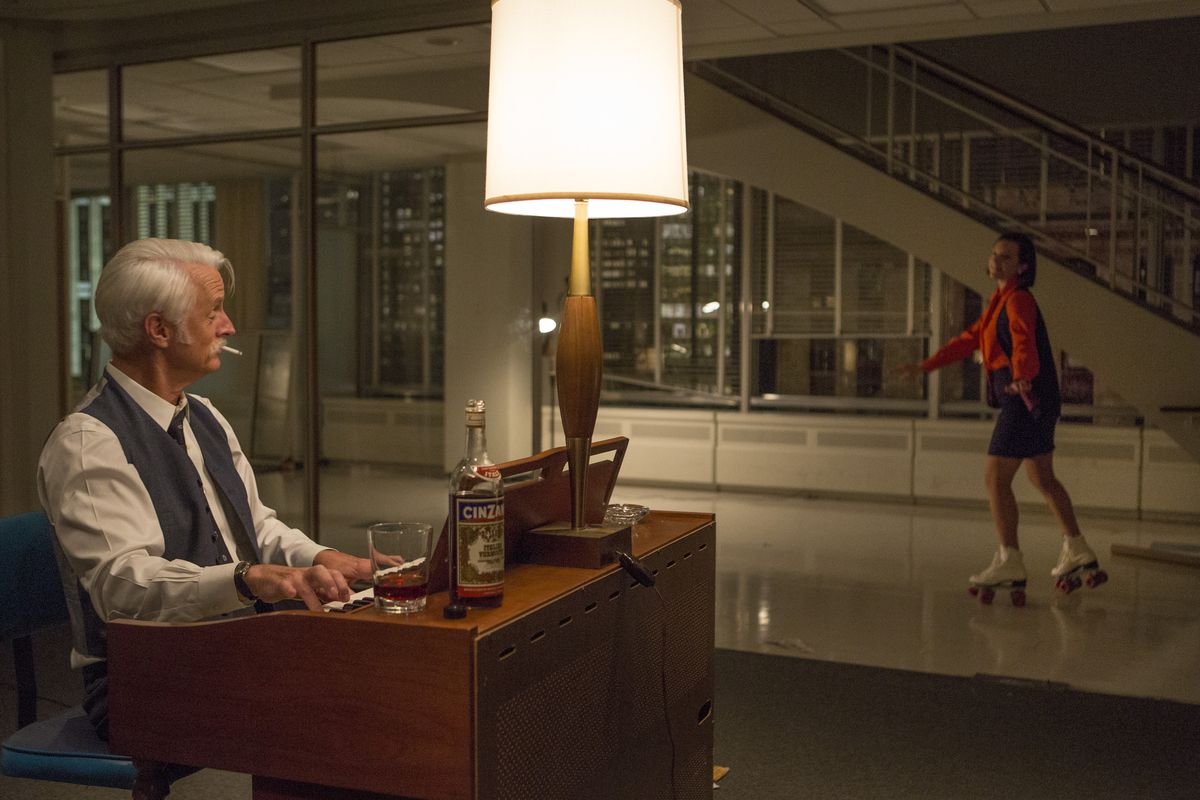
Even the historical events in Mad Men are part of its empty surrealism.
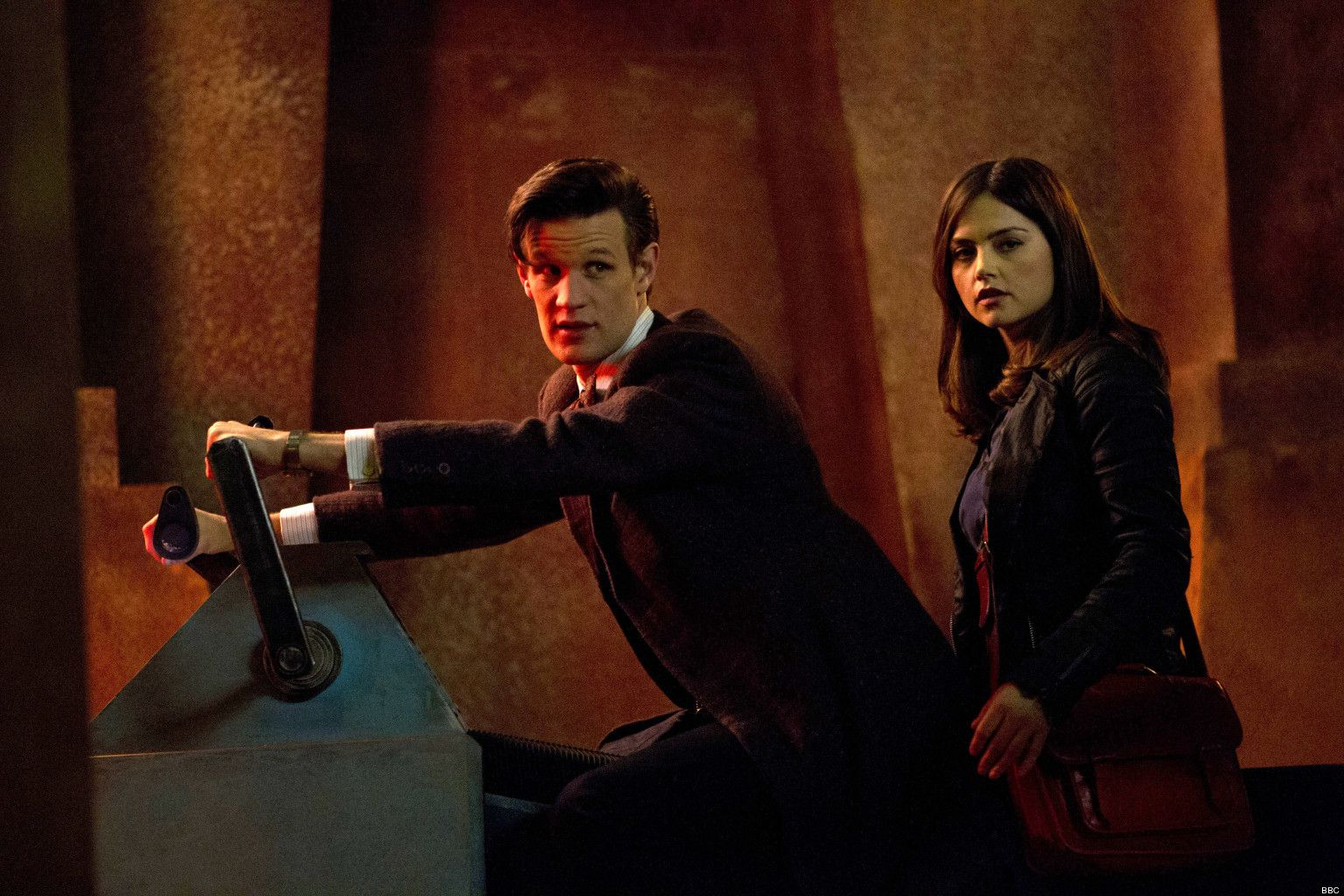
A straightforward adrenalin rush of an episode with the Doctor and Clara trapped on a sinking Soviet nuclear submarine in 1983.

Defiance is akin to watching the Cantina scenes from Star Wars indolently re-scripted and reenacted by amateurs.
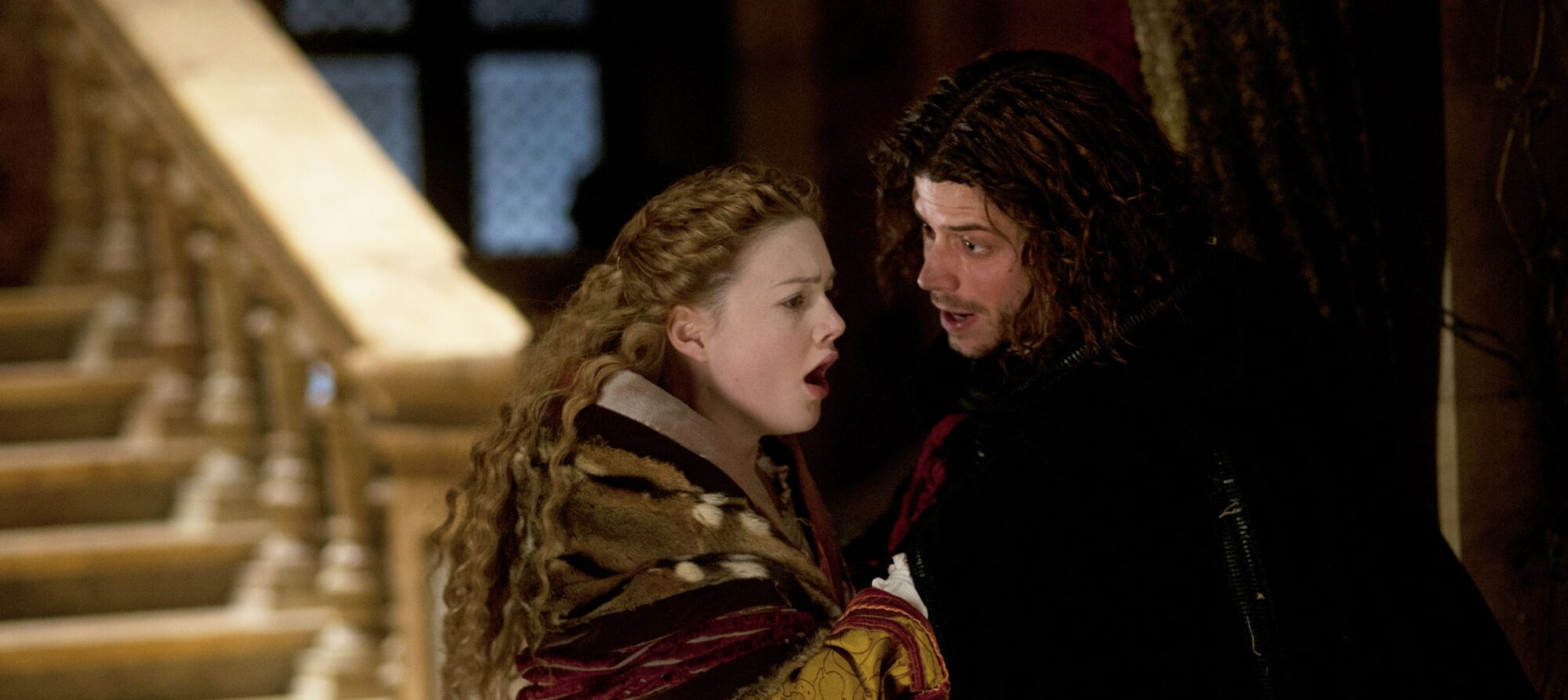
A frothy mixture of costume drama and soap opera, Neil Jordan’s show brandishes moral outrage and a blunt understanding of politics.
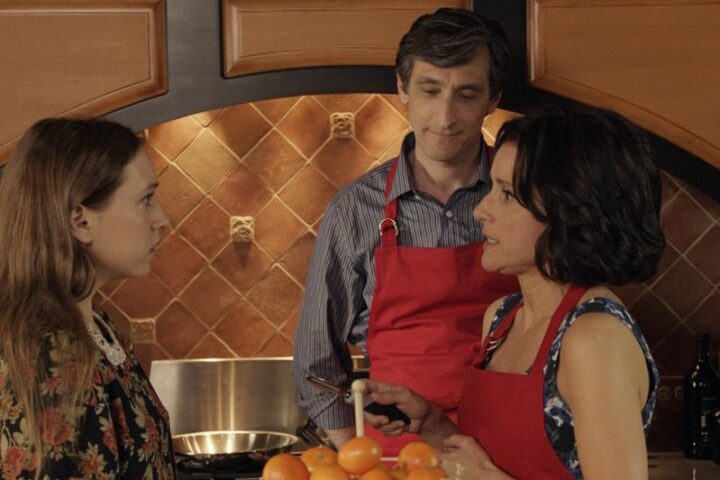
It isn’t a disservice to Louis-Dreyfus to say that her Emmy award for the role is in many ways a reflection of the quality of the supporting cast.
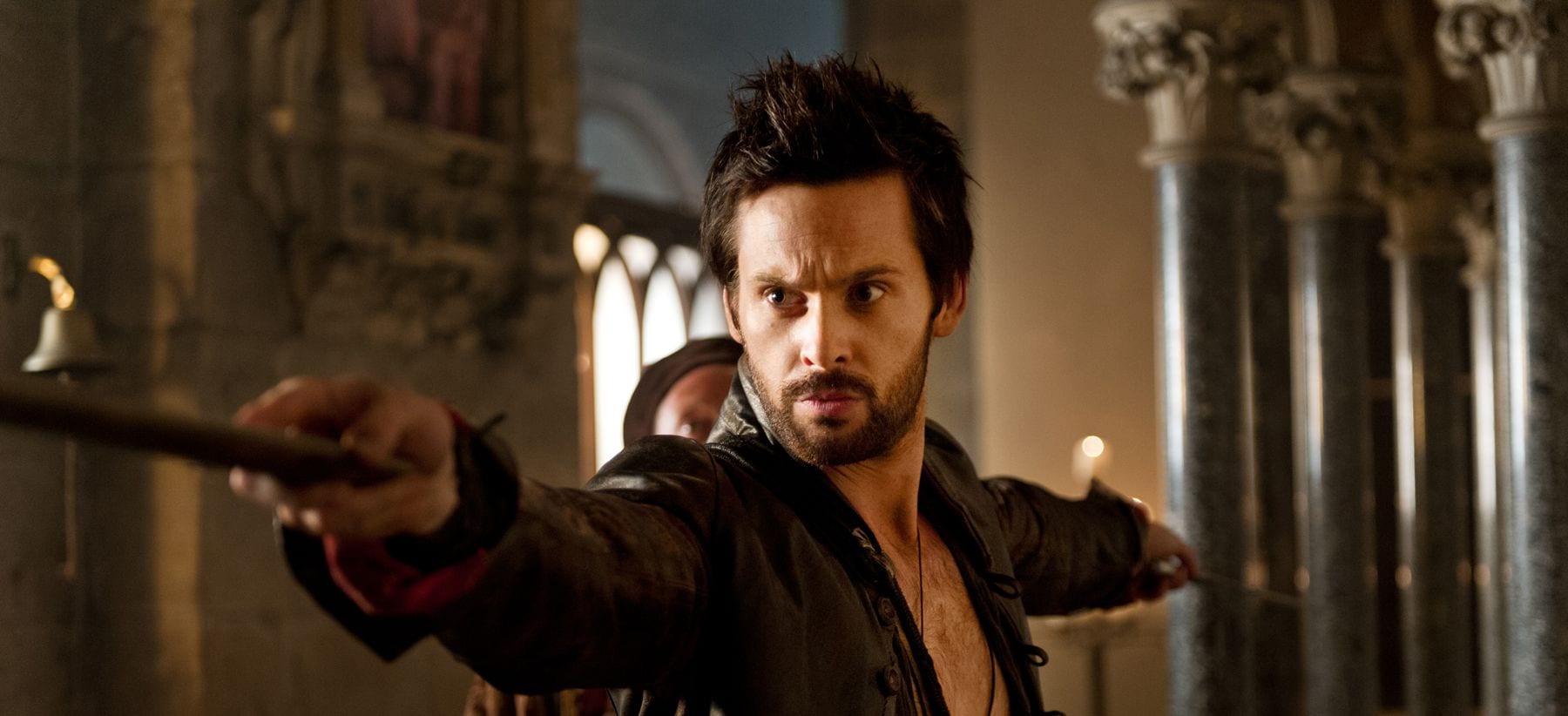
This new Starz program, with its dynamic, eccentric, and haughtily egotistical main character, defiles history with its macabre absurdity.

The story of the Doctor’s new companion, Clara, is following a very similar trajectory as those of two of his previous fellow travelers.

For a series laden with so many signifiers of Dramatic TV Realism, it often likes to pierce its verisimilitude with surprisingly cartoonish characters.

This season’s journey toward the final act of Mad Men’s American epic promises to be its most challenging and rewarding.
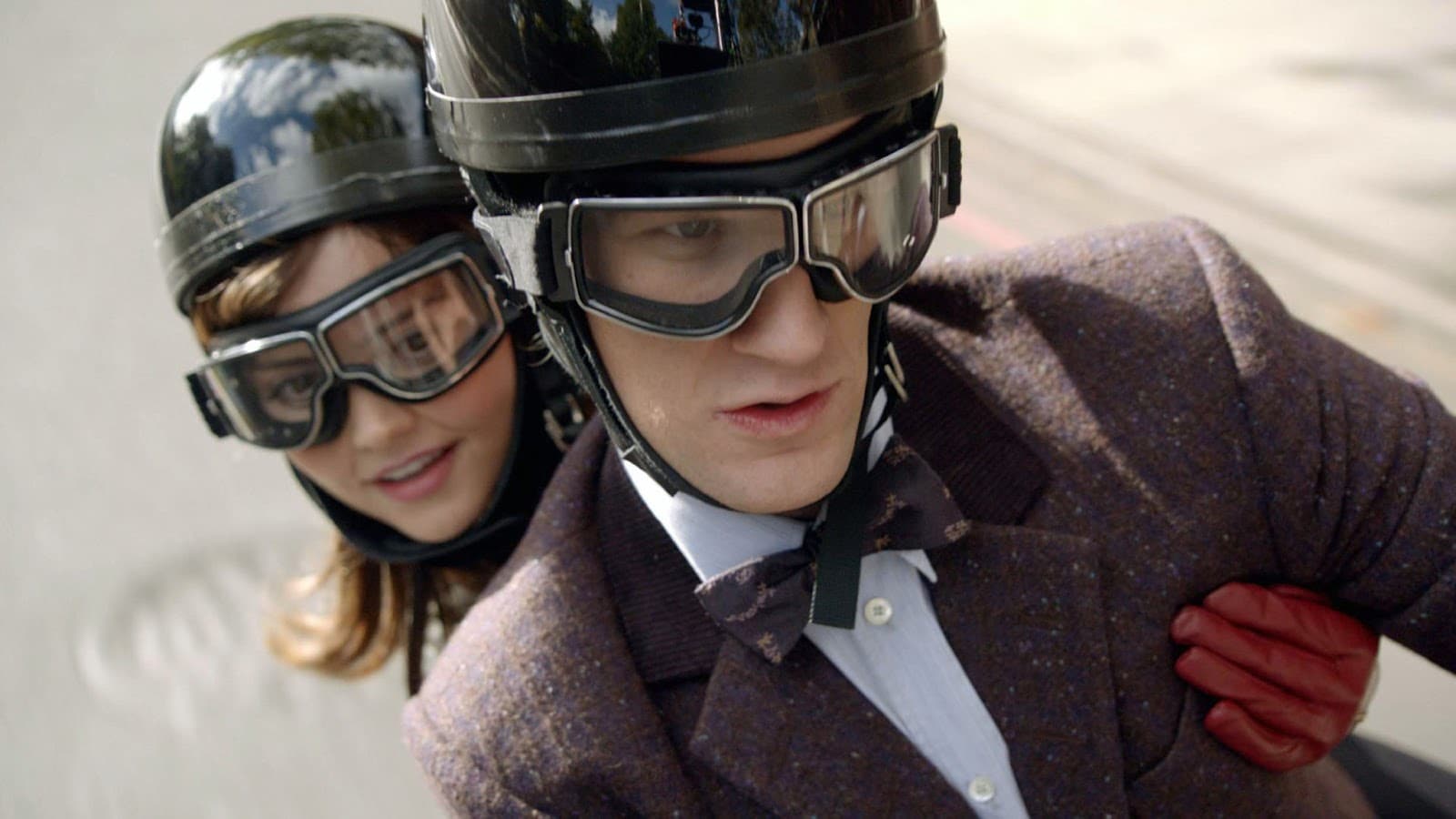
With “The Bells of Saint John,” the second half of Doctor Who’s seventh season follows smoothly from last year’s Christmas special.

Comedy ought to be the perfect medium in which to expose society’s hypocritical shaming of a trend that’s considered a sign of the times.

The series feels like it has some firm footing and a newfound sense of certain direction that was lacking intermittently in the second season.

Phil Spector’s nominal entertainment value proceeds almost entirely from its status as an explosive camp object.