The common refrain this season has been one of despair, of theatrical death by dearth.
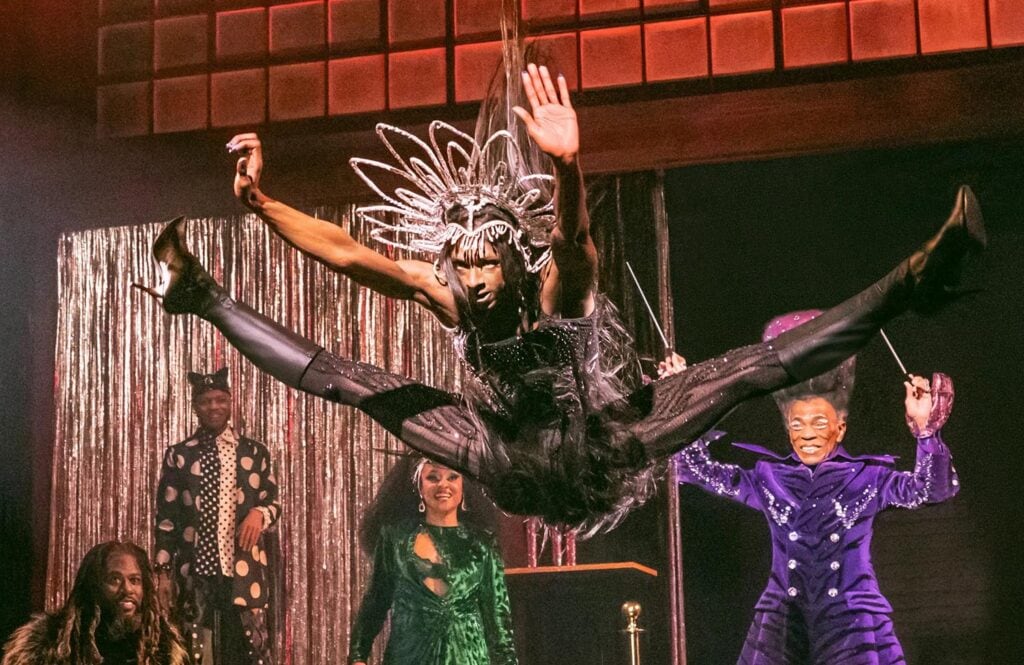

The common refrain this season has been one of despair, of theatrical death by dearth.

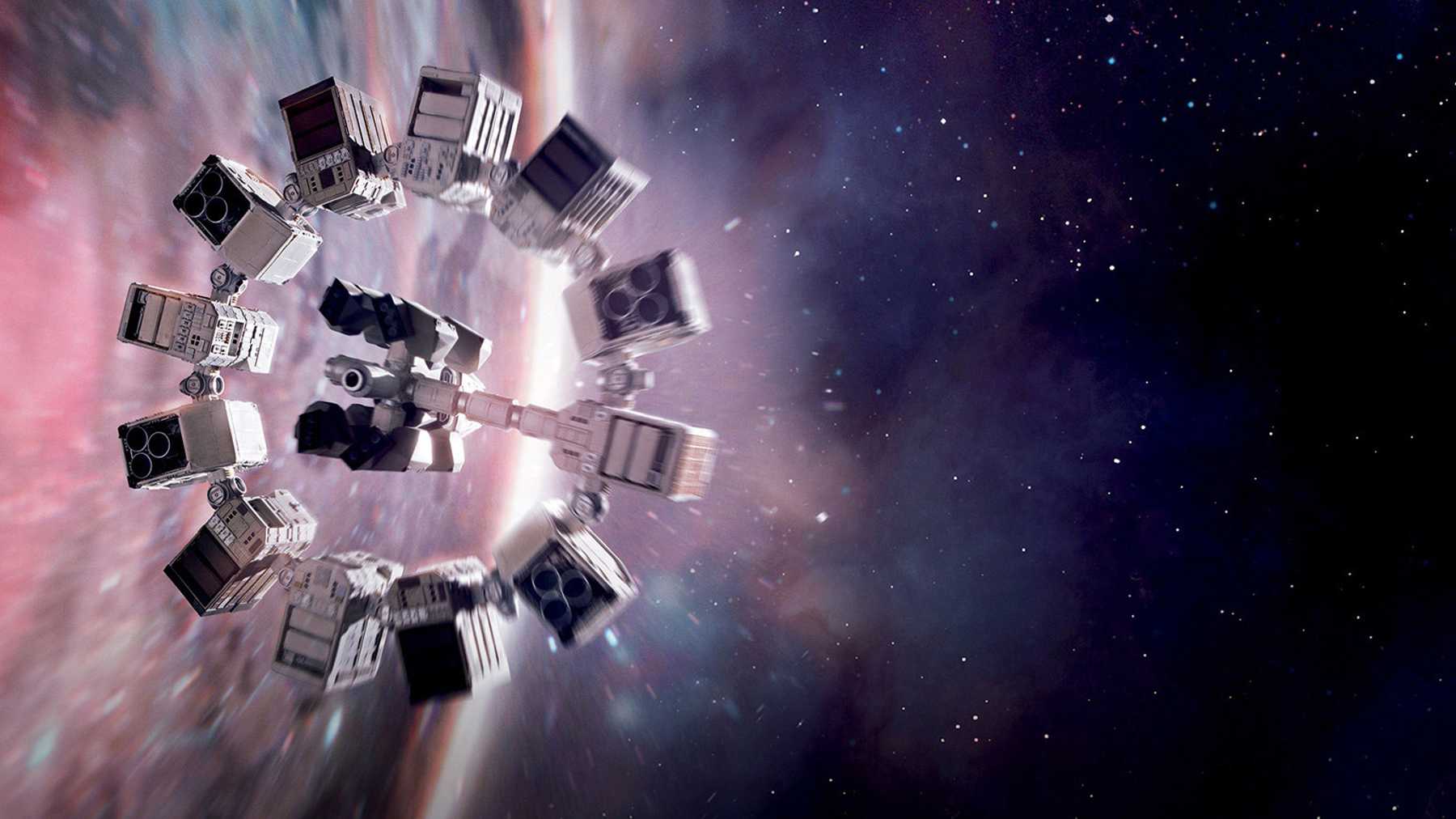
If best animated film, best documentary feature, and best director begat the year’s most conspicuous snubs, best sound mixing boasts the most controversial nomination: Interstellar.

Last year we accurately predicted 23 out of 24 Oscar categories.

Five respectable, if not especially revelatory, nominees; no controversy.
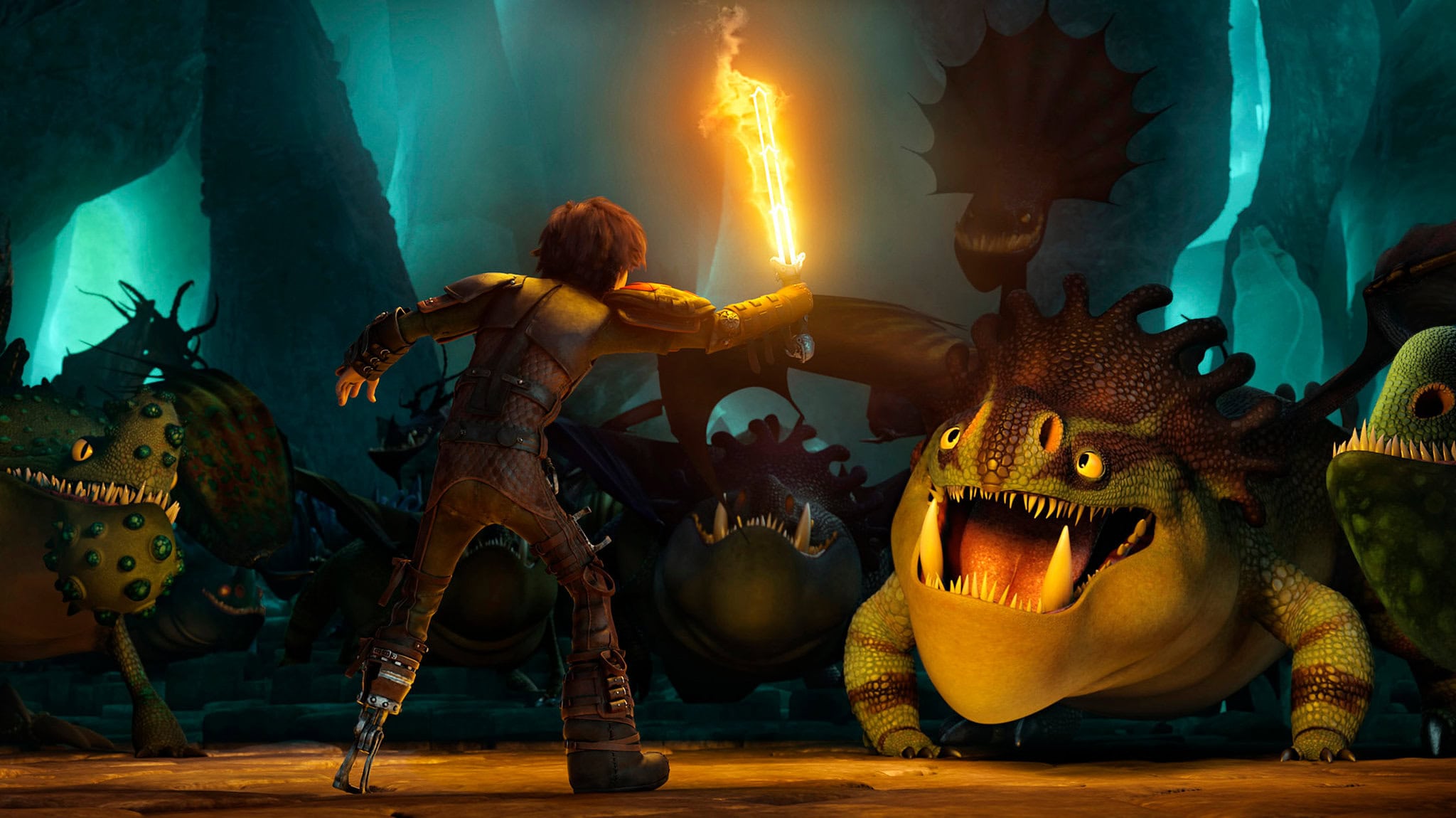
Having won the Golden Globe and six trophies at this year’s Annie Awards, How to Train Your Dragon 2 would appear to have this one in the bag.
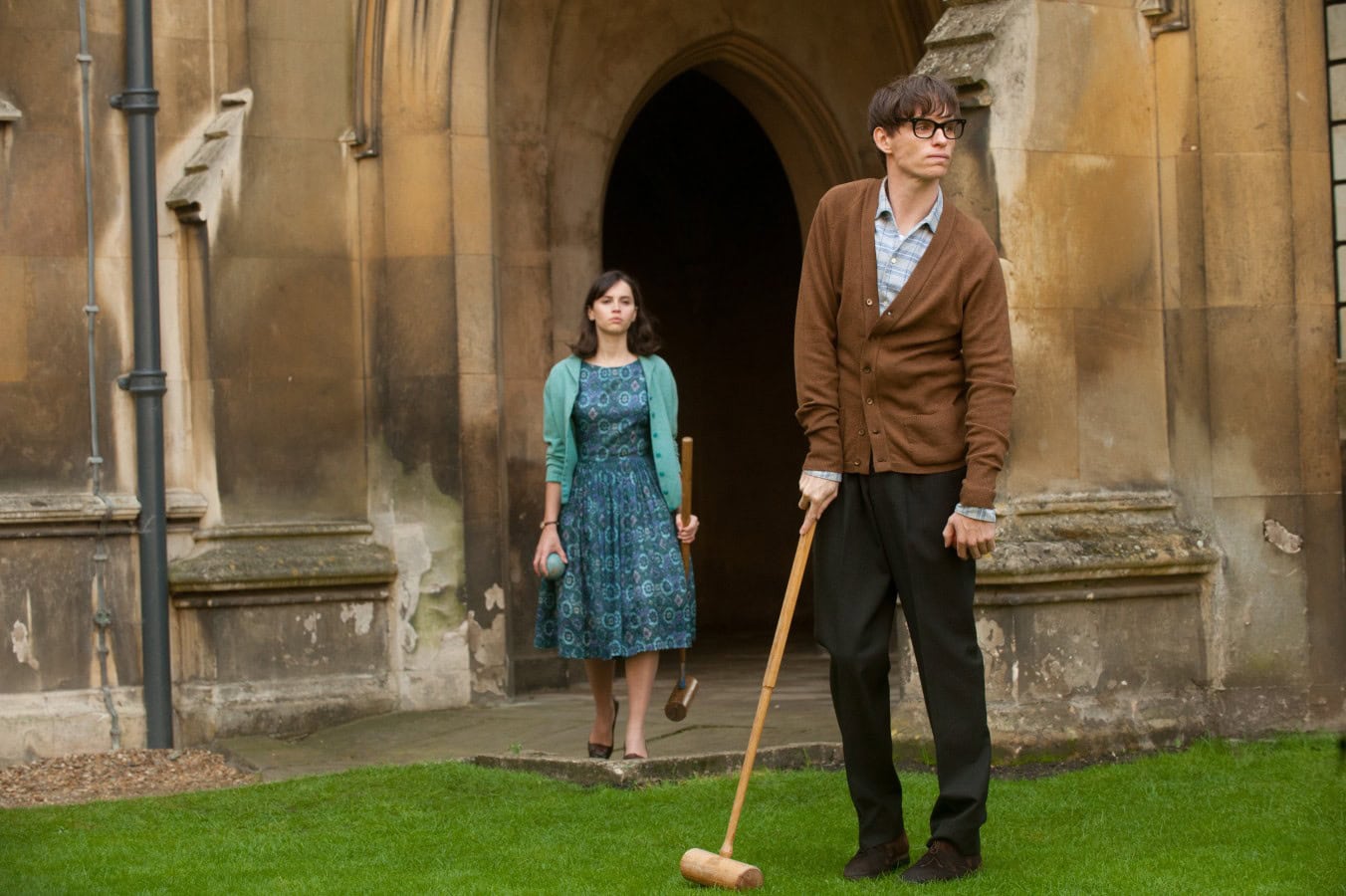
The Academy’s ever-mercurial music branch turned on to Desplat like a light switch starting with 2006’s The Queen, and in just 10 years, he’s racked up eight nominations.

Yes, the photo above is not of Edward Snowden, subject of Laura Poitras’s Citizenfour.
This year’s slate gives us PSTD-drenched flashbacks to the legion of fanboys defending the honor of their beloved caped crusaders in our various comments sections.
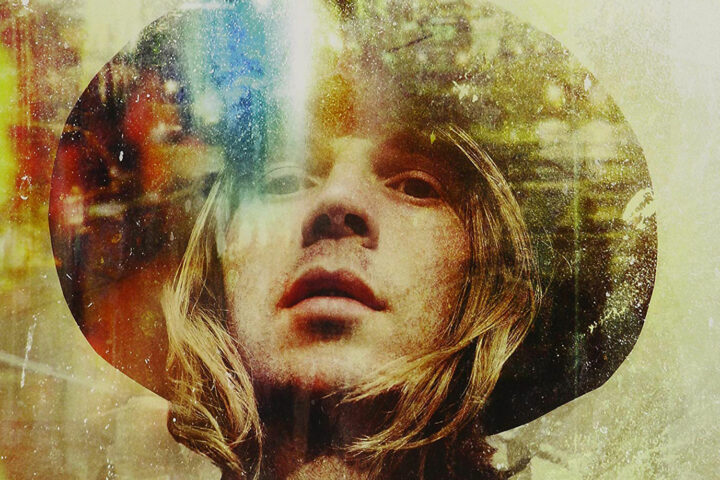
This is a race more of less between two albums: One great and daring, one mediocre and safe.

In dreams, too, Laura Dern wouldn’t also be passing through.

Just as the correlation between Record of the Year and Song of the Year seems to be truly drifting apart, along comes a nearly five-for-five slate.
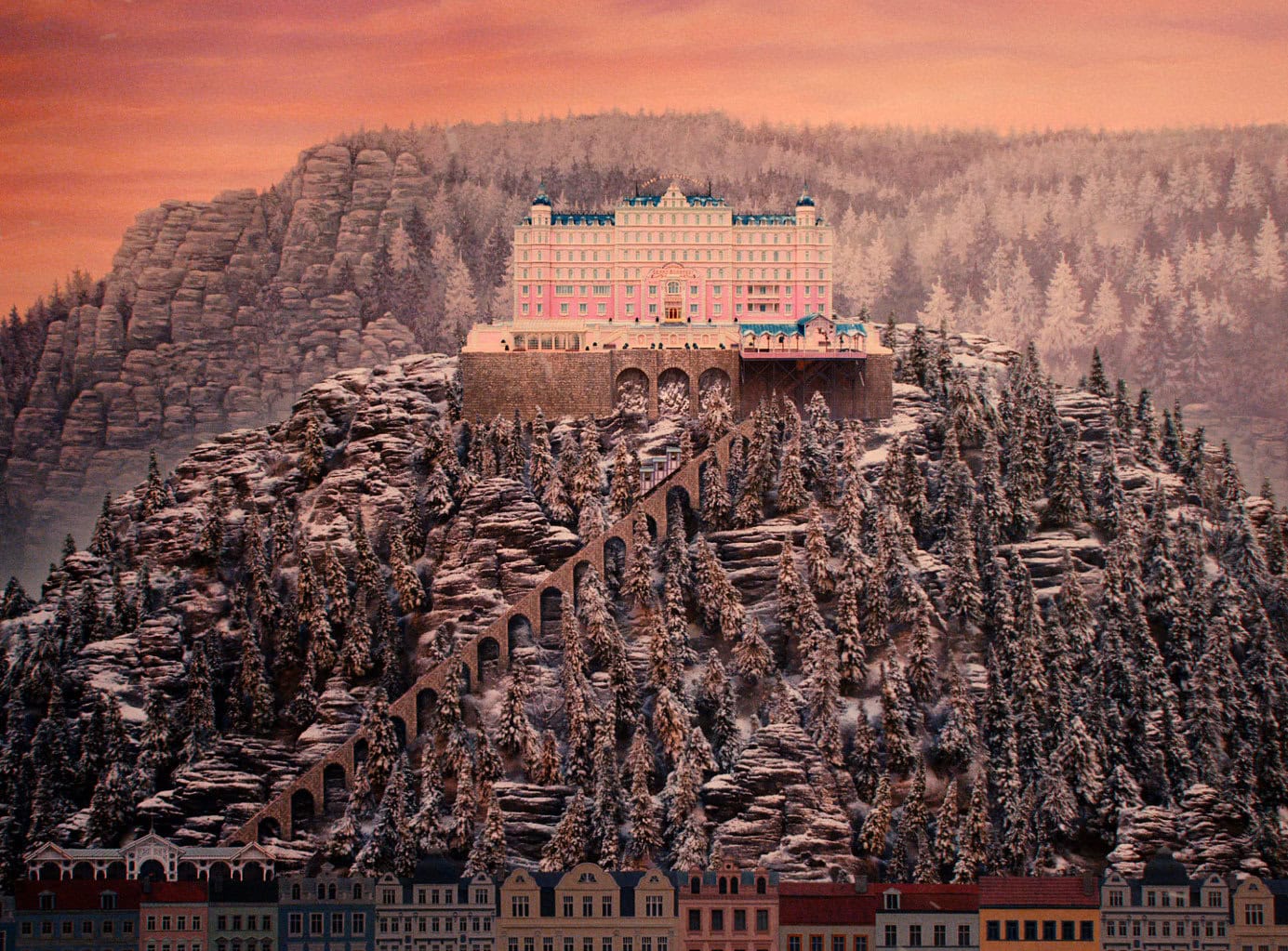
Us in 2014 about the best production design Oscar, following a string of missed guesses in this category: “We don’t know shit.”

For practitioners of the form, like Daniel Mindel, who’s never shot a film digitally, the choice here will be between The Grand Budapest Hotel or Ida.
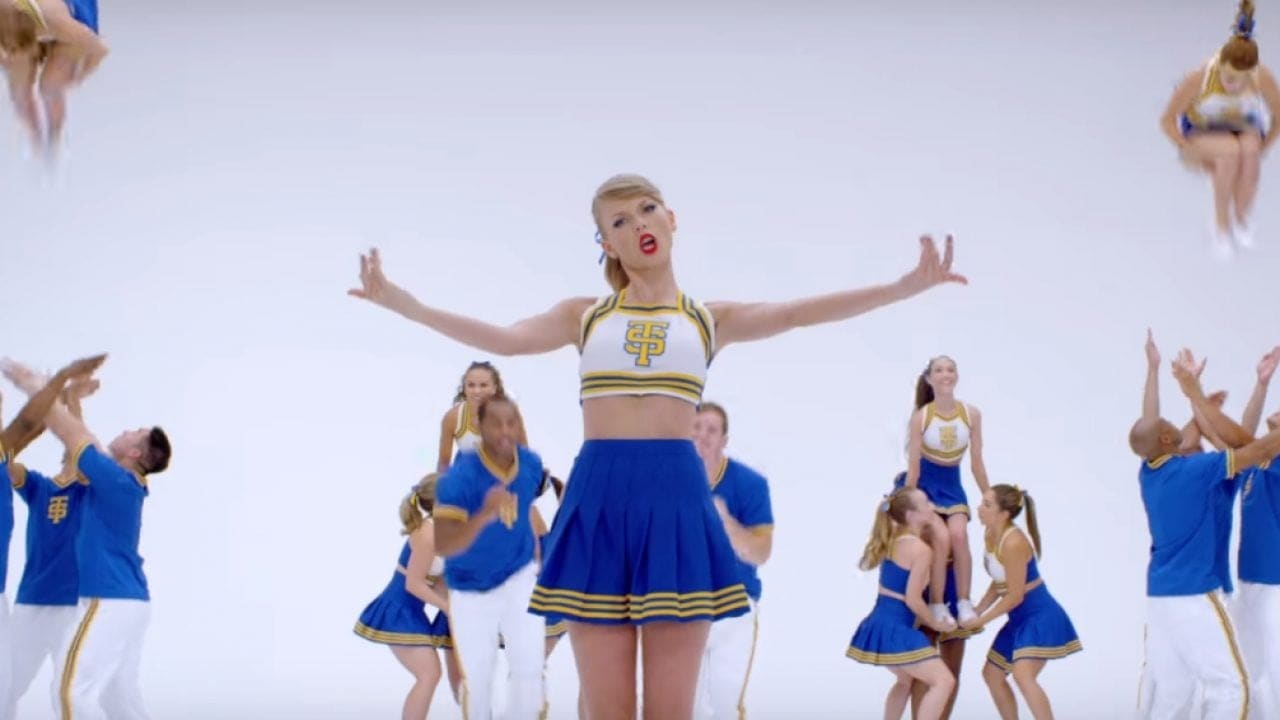
The closer this category flirts with mainstream appeal, the closer we are to wholly justifiable nominations for, say, “Turn Down for What.”
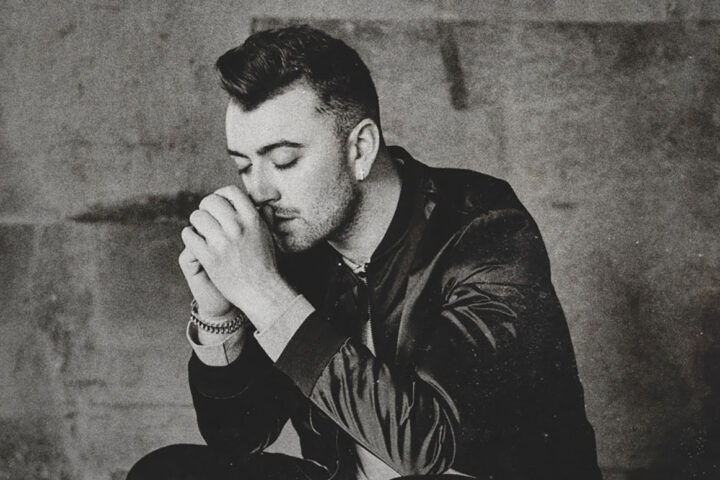
There are a few sure bets in life: rain, taxes, and, until recently, a female artist winning the Grammy for Best New Artist.

Many wondered why Foxcatcher’s Steve Carell didn’t attempt a campaign in supporting actor, which is where BAFTA slotted him.
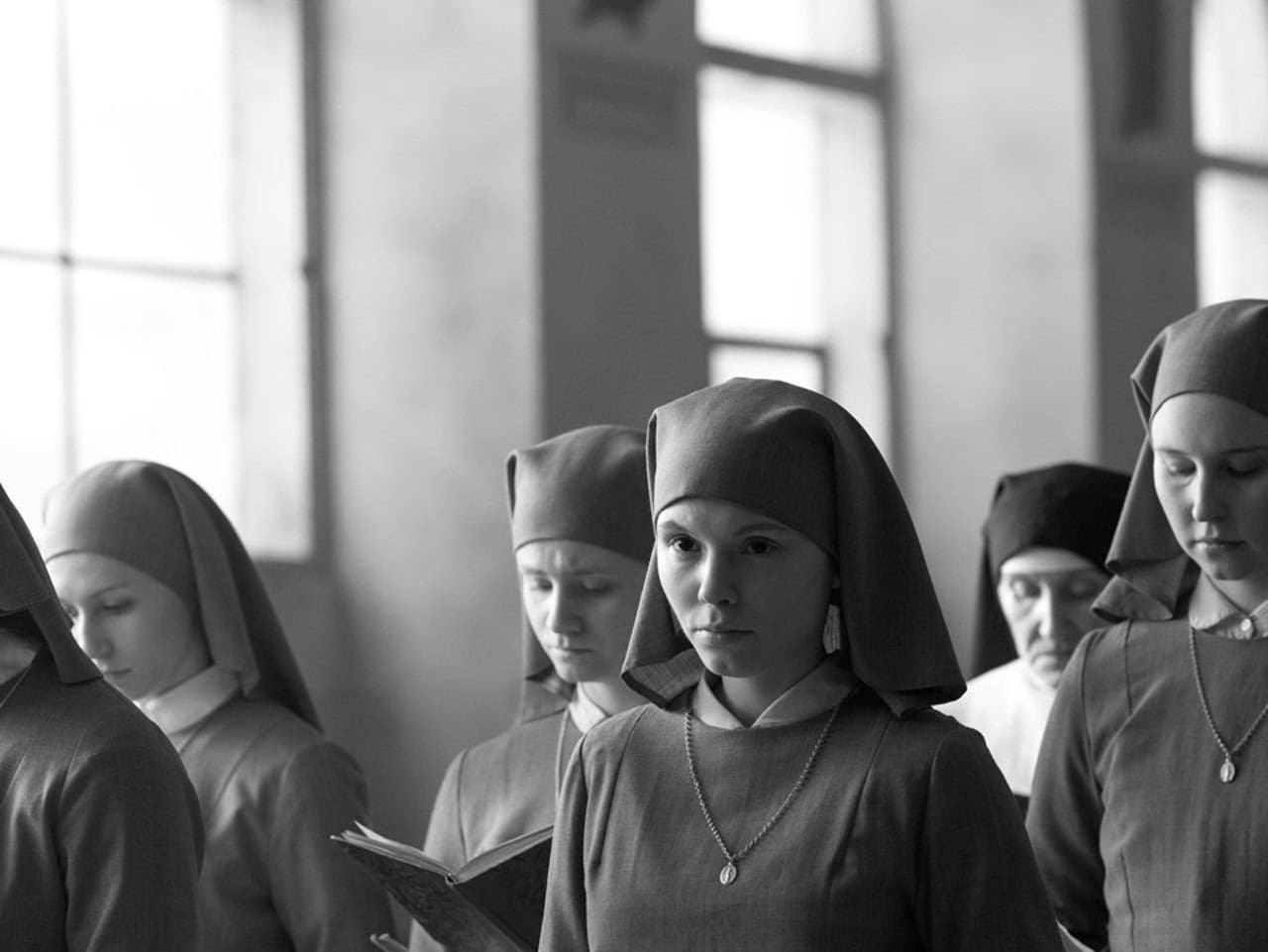
In the aftermath of the Charlie Hebdo terrorist attacks, Timbuktu’s lucid depiction of innocents rightfully, righteously fighting fundamentalism from within feels especially eye-opening.

All this week we’re predicting the winners in the so-called Big Four categories at the 57th Annual Grammy Awards.

Yes, gay panic-prone Mark Schultz, that was a joke at your expense.
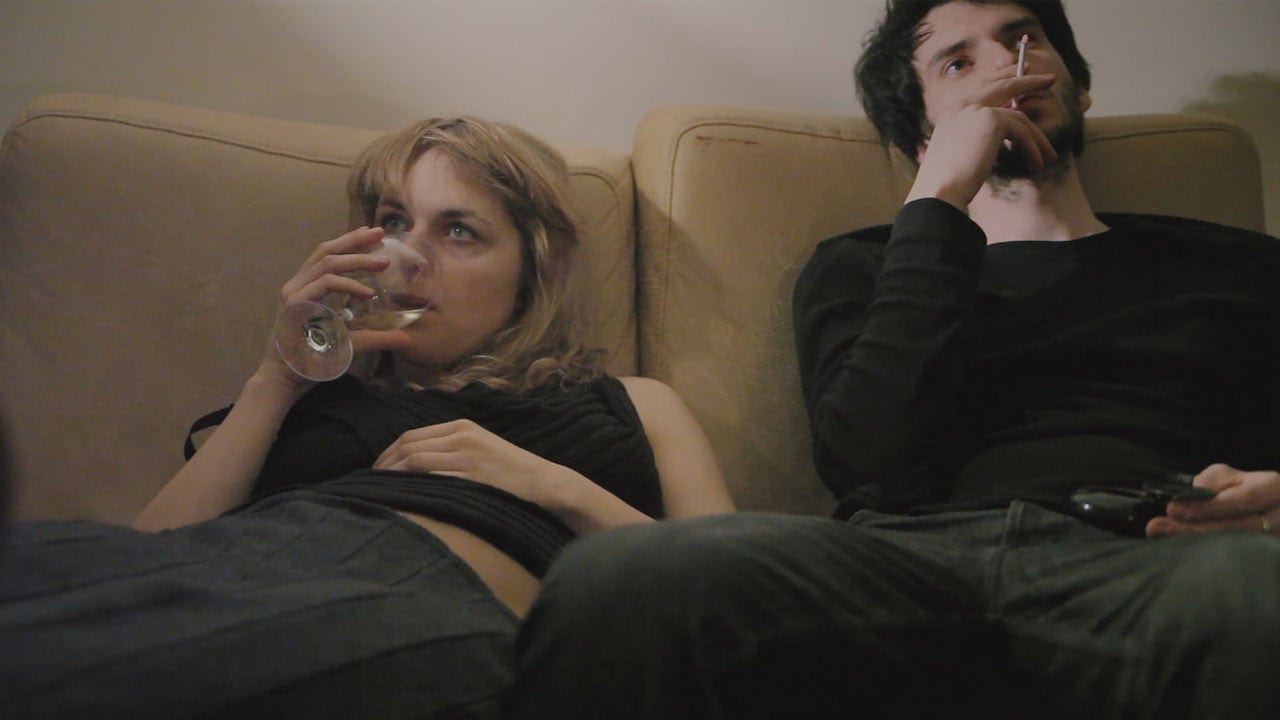
This year’s nominees are all, almost conspicuously, united by their deployment of the canniest of distancing effects.
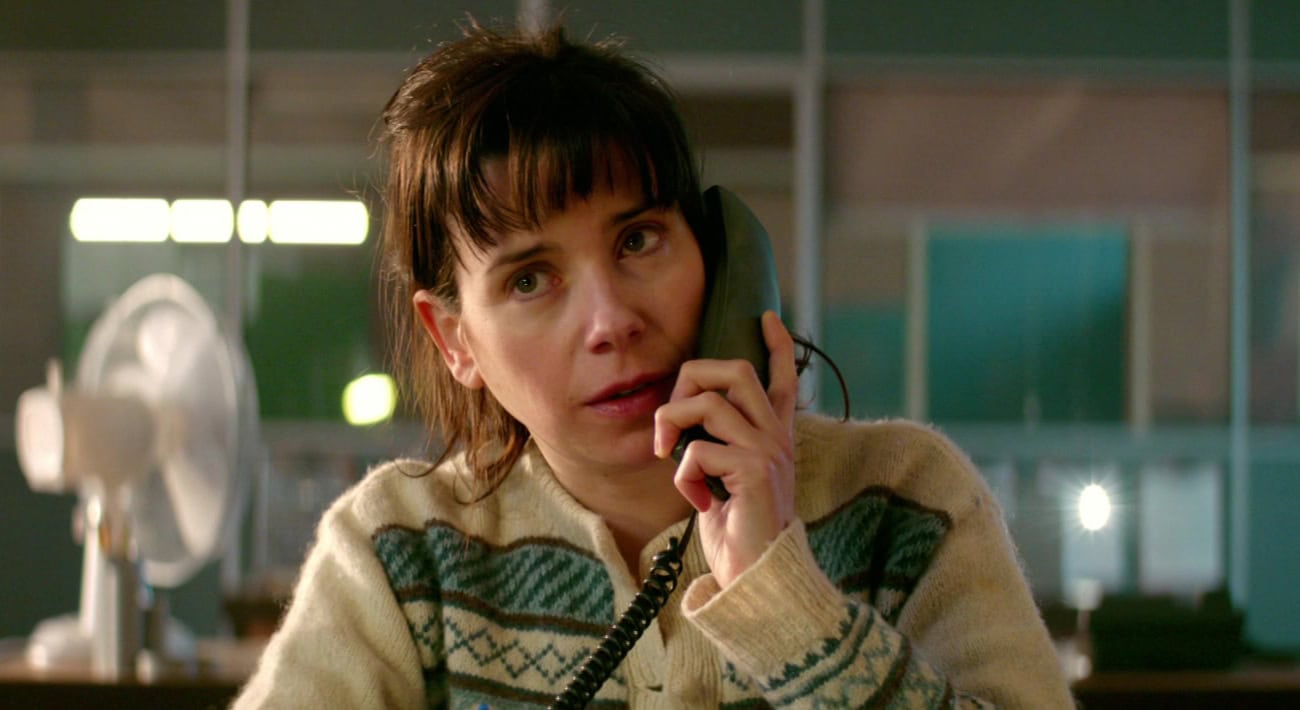
Much of the category manages to avoid spinning out into its usual twin pitfalls of snark and self-satisfied solemnity.