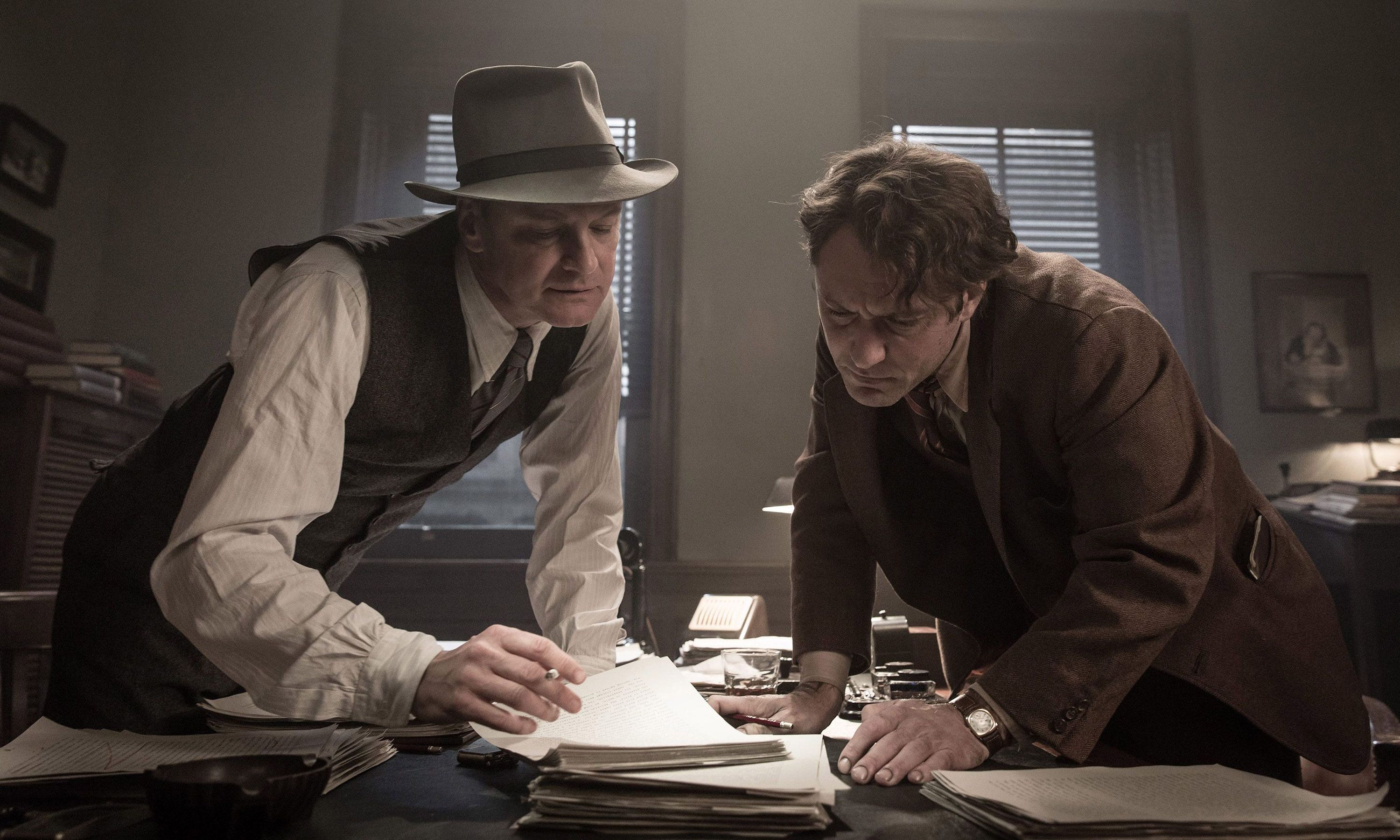
It makes a convincing argument for viewing Thomas Wolfe’s work as a product of the exuberance of the 1920s.


Oleg Ivanov is an assistant director at the American Jewish Committee.
It makes a convincing argument for viewing Thomas Wolfe’s work as a product of the exuberance of the 1920s.

The film is a seemingly endless series of convoluted double-dealing, backstabbing, and factional realignment.

This cult anime strikes a perfect balance between midnight-movie enchantment and arthouse sophistication.
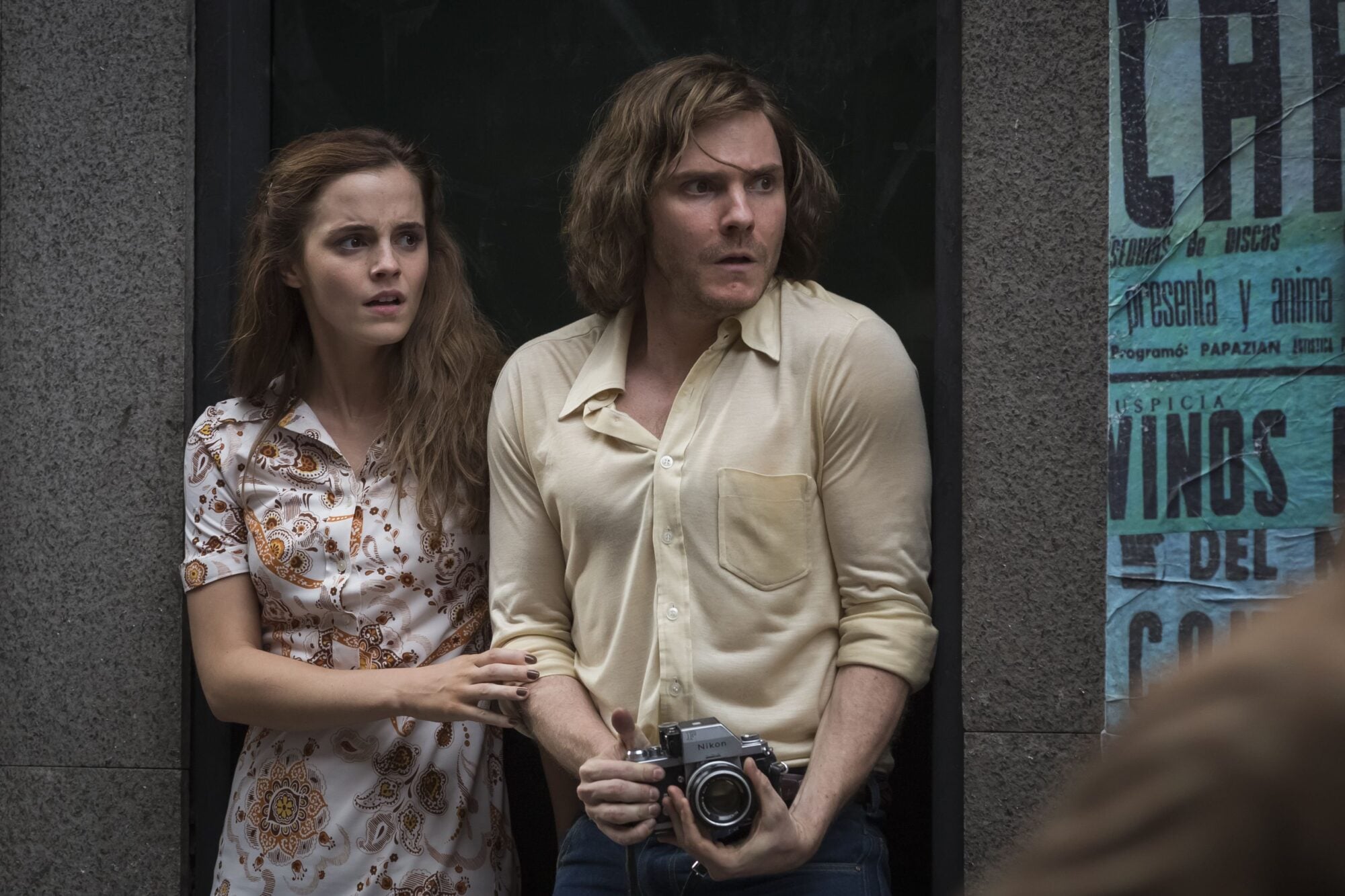
Nothing more than leftwing exploitation cinema, a cheap thriller dressed up in the guise of a social-justice exposé.
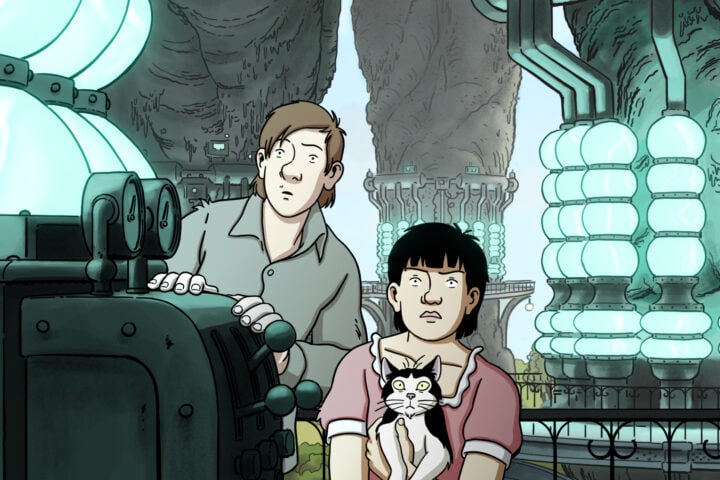
It provocatively has audiences see the world’s current ecological concerns in a different and unexpected light.

Avishai Sivan captures a world where the miraculous and the mundane are separated by a razor’s edge.
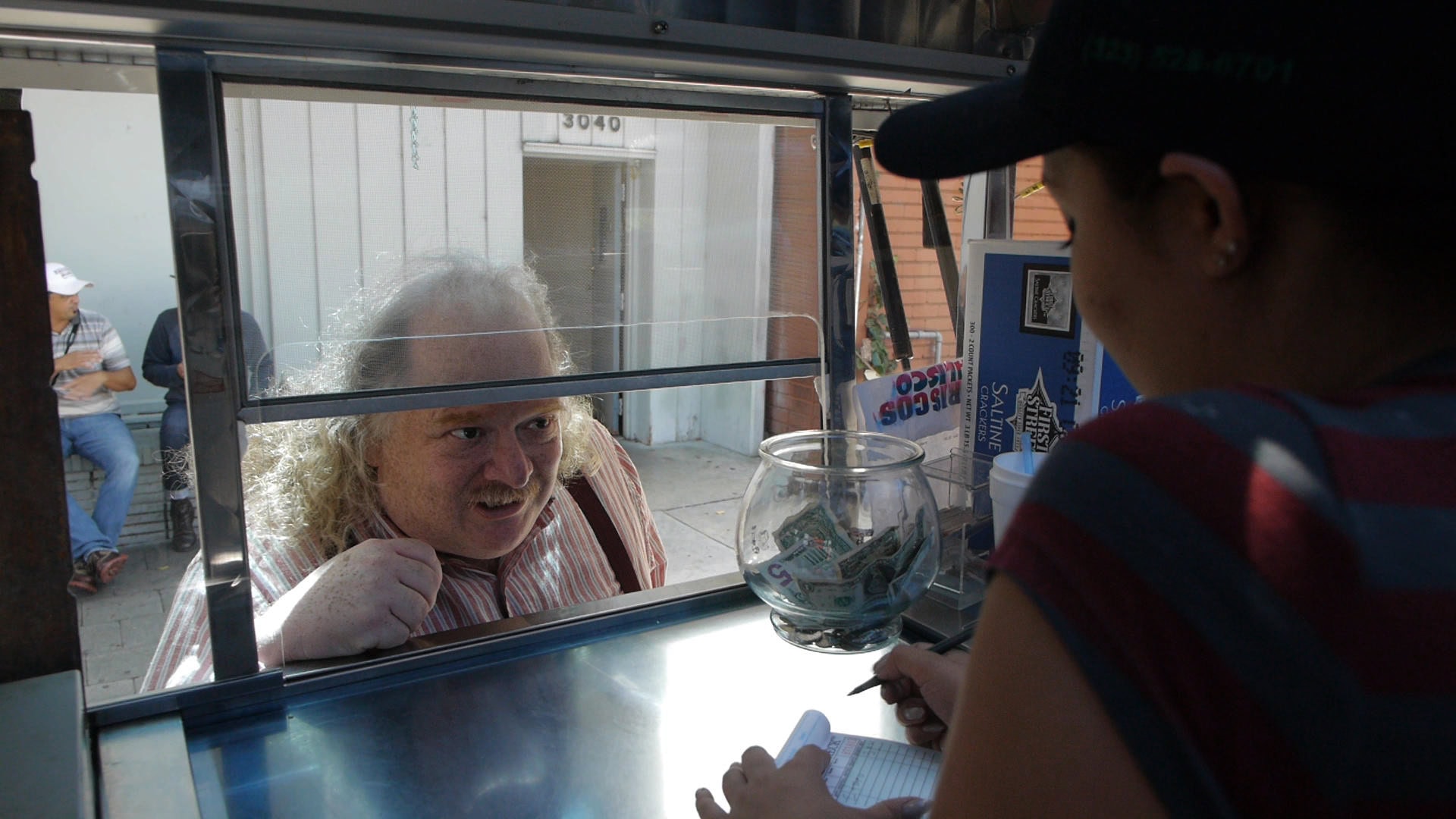
The film affectively defends food critic Jonathan Gold’s assertion that it’s ultimately cooking that makes us human.

Joseph Dorman and Oren Rudavsky’s perspective is firmly aligned with the views of liberal Zionism, as the leftist peace activists are given the most screen time.

Celestine’s submission to an evil and violent man becomes an eloquent indictment of a nation’s anti-Semitism.

25 April captures the participants’ experience of the Gallipoli Campaign as it shifts from being a kind of game or sport to an increasing nightmarish vision of hell on Earth.

Terrence Malick’s juxtaposition of the beautiful and grotesque captures life as a Felliniesque carnival, at once sad and life-affirming.

It transcends its generic and cultural trappings to say something vitally basic about the transience of life’s small disappointments and redemptions.

Its litany of human freaks and animal monstrosities are meant to distract from the superficiality of its psychological and intellectual concerns.

Anomalisa exhibits Charlie Kaufman’s patented mix of tender melancholy and dark, absurdist comedy.

The Club isn’t content to present a simple litany of crimes connecting the church with the Pinochet dictatorship.

Activist filmmaking that manages to be both angry and elegiac in its recounting of the 2014 Ukrainian revolution.

Ondi Timoner’s film gives English comedian turned “activist” Russell Brand a free pass.

It only scratches the surface of the mass psychological wounds and trauma that the Frankfurt Auschwitz trials unleashed on the Germany psyche.

It’s best appreciated as a tragicomic profile of a man whose extraordinary talent was undermined by the political reality in which he was enmeshed.

It becomes difficult to separate the natives from their communist masters in terms of their treatment of their natural surroundings.