Also known as Her Lonely Lane, A Wanderer’s Notebook is director Mikio Naruse’s hollow biopic of authoress Fumiko Hayashi, whose work the director often adapted for the screen.



Keith Uhlich's writing has been published in The Hollywood Reporter, BBC, and Reverse Shot, among other publications. He is a member of the New York Film Critics Circle.
Also known as Her Lonely Lane, A Wanderer’s Notebook is director Mikio Naruse’s hollow biopic of authoress Fumiko Hayashi, whose work the director often adapted for the screen.
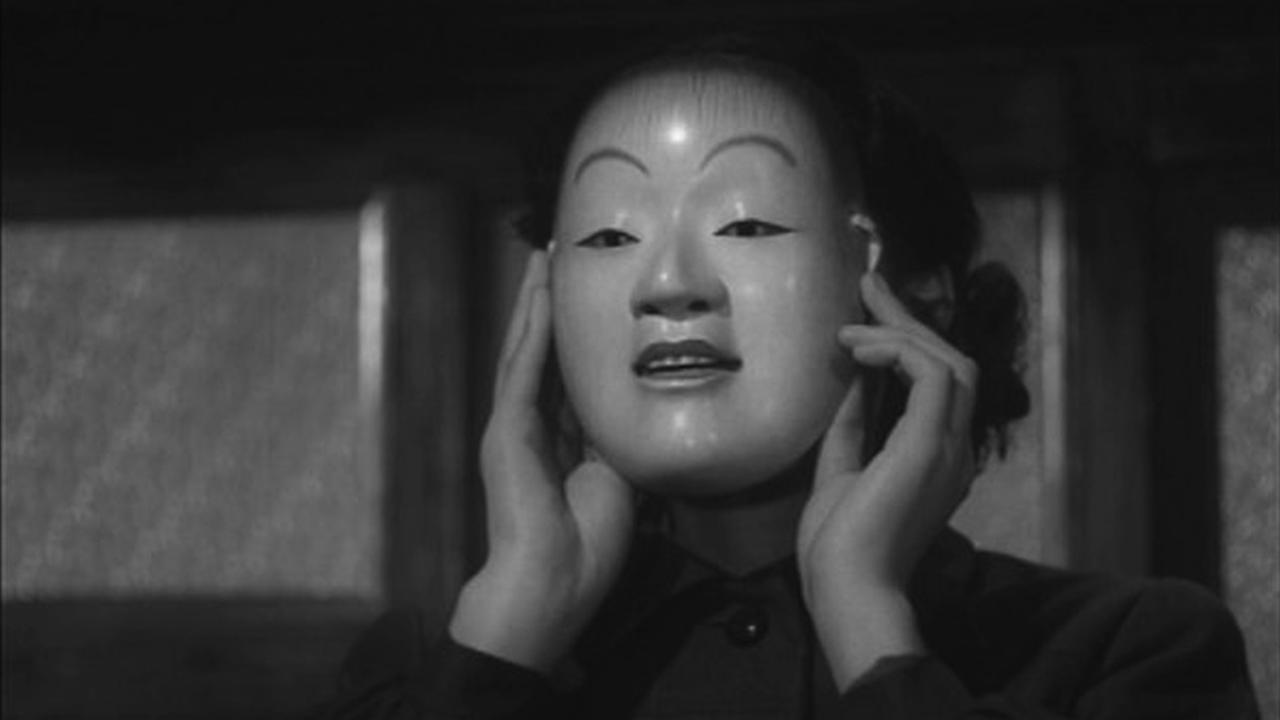
Sound of the Mountain is reportedly director Mikio Naruse’s favorite among his pictures and, to a point, it is easy to see why.

The climactic confrontation illustrates Mikio Naruse’s talent for concluding his films on an ideal, though rarely contented, final note.

Self-reflexivity can only take a film and its makers so far.

The cumulative effect, when cut together, is that of a connective circle of experience.

Bring home the Legend.
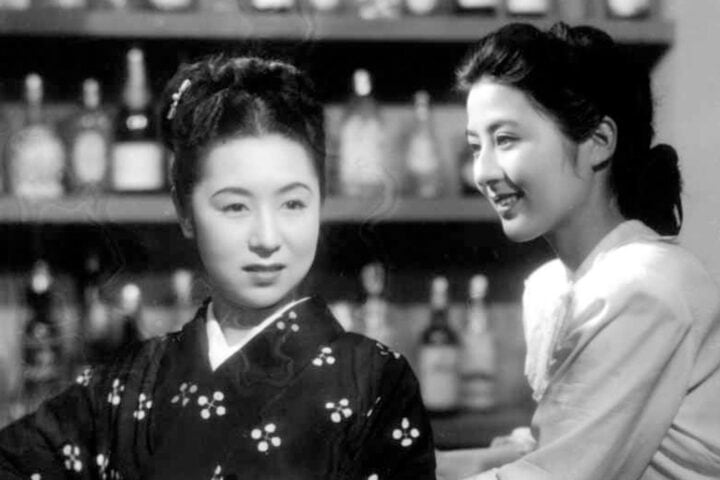
Ginza Cosmetics is both fascinatingly and frustratingly dogged by its creator’s self-awareness.

The Whole Family Works feels more of a piece with Mikio Naruse’s quietly observant and psychologically charged later work.
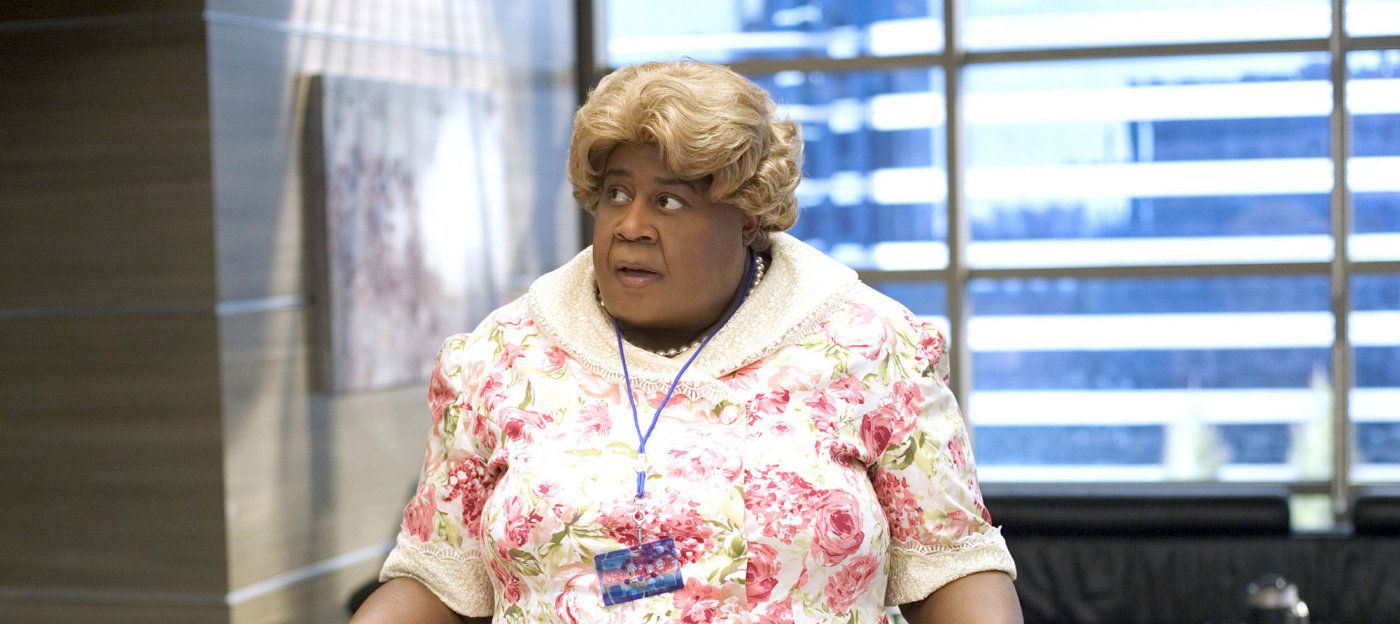
It may come as a shock—though I doubt it—that I missed out on the first offering in the Big Momma’s House franchise.
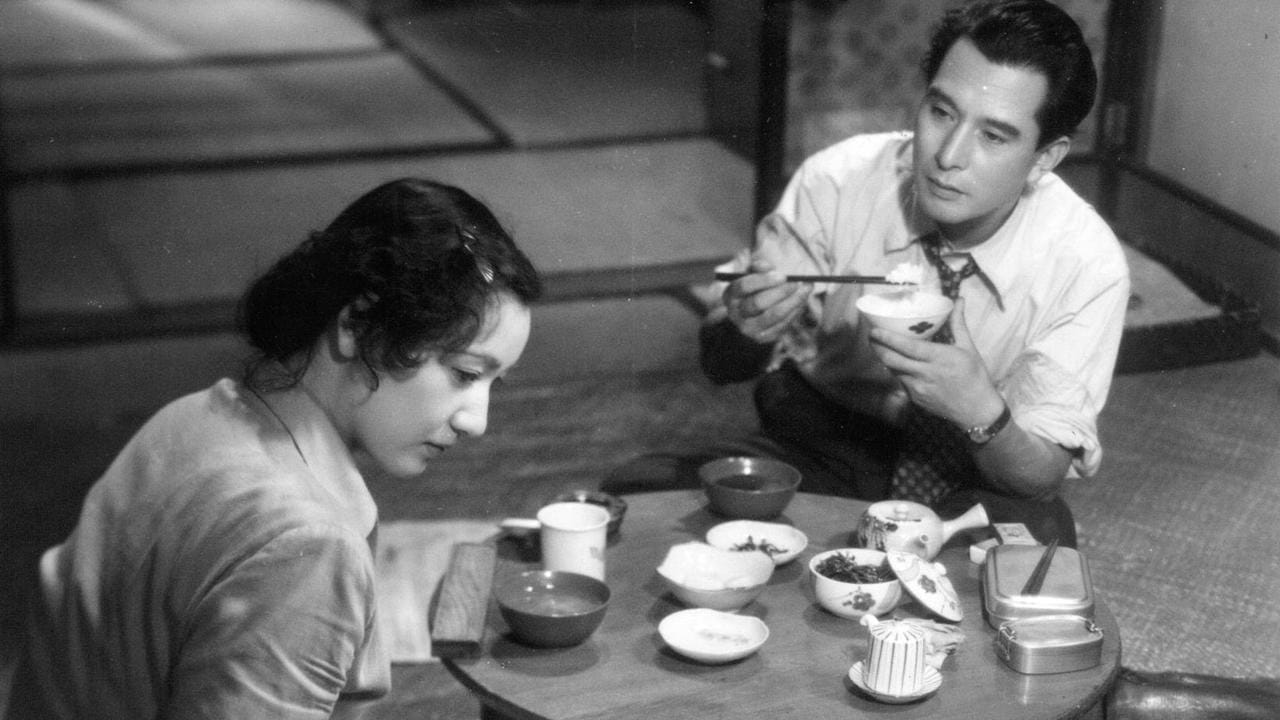
The day-to-day actions of a Mikio Naruse character are typically mundane and repetitious to the point of none-too-subtly cloaked disdain.

Kayvan Mashayekh’s inquisitive debut feature risks being overshadowed by its troubled production history.

Corpse Bride looks great but doesn’t hold a candle to The Nightmare Before Christmas.

Mikio Naruse’s Tsuruhachi and Tsurujiro is primarily a vehicle for its very attractive stars.

Mikio Naruse’s Wife! Be Like a Rose! has the distinction of being the first Japanese talkie to receive a commercial U.S. release.
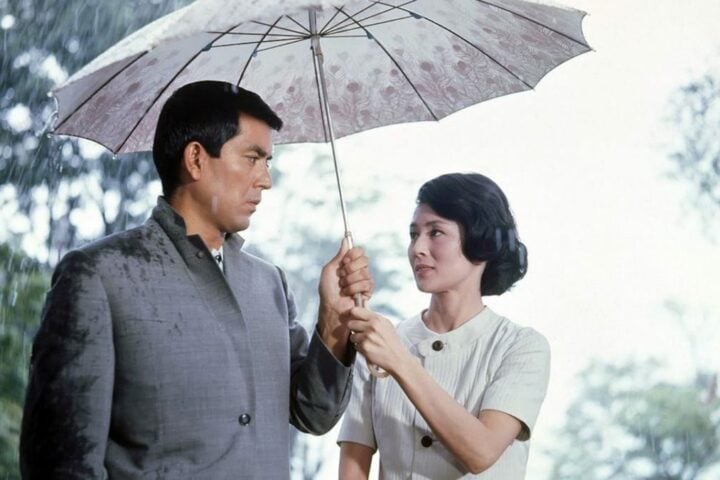
Scattered Clouds, director Mikio Naruse’s final film, plays like the melancholy last dance.

Even at a relatively brief 64 minutes, it feels as if Three Sisters explores a lifetime of heartache and tragedy.
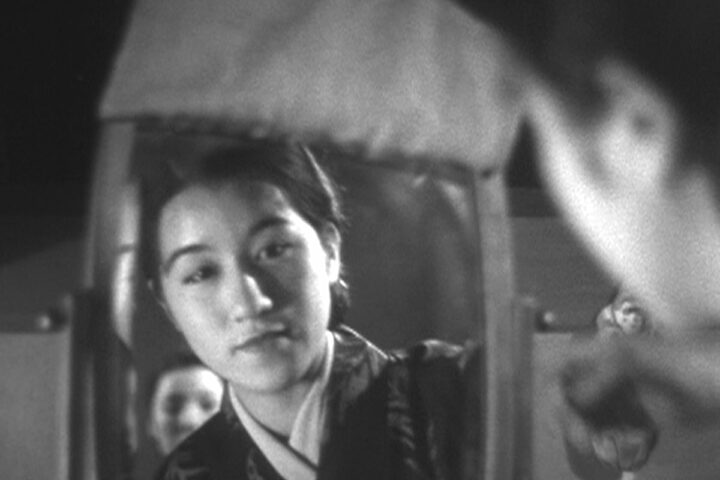
The classes collide in director Mikio Naruse’s silent melodrama Street Without End.
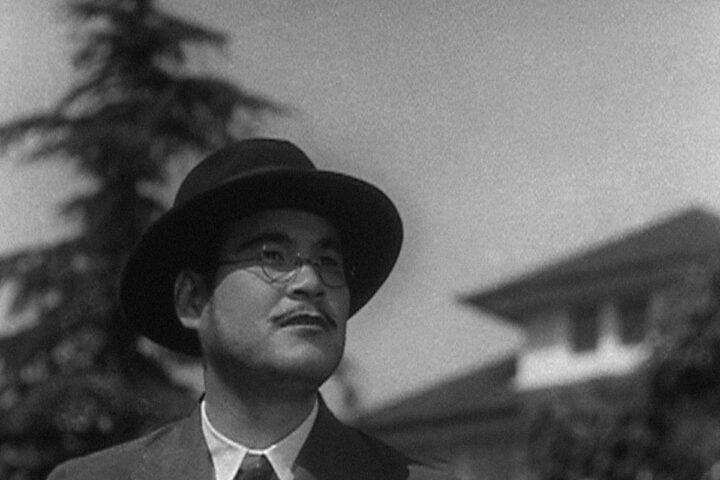
Flunky, Work Hard! contains an intriguing mix of elements from both early and later Naruse.

The Song Lantern is, scene for scene, a visual marvel, comparable to the regal sweep of a Mizoguchi film.
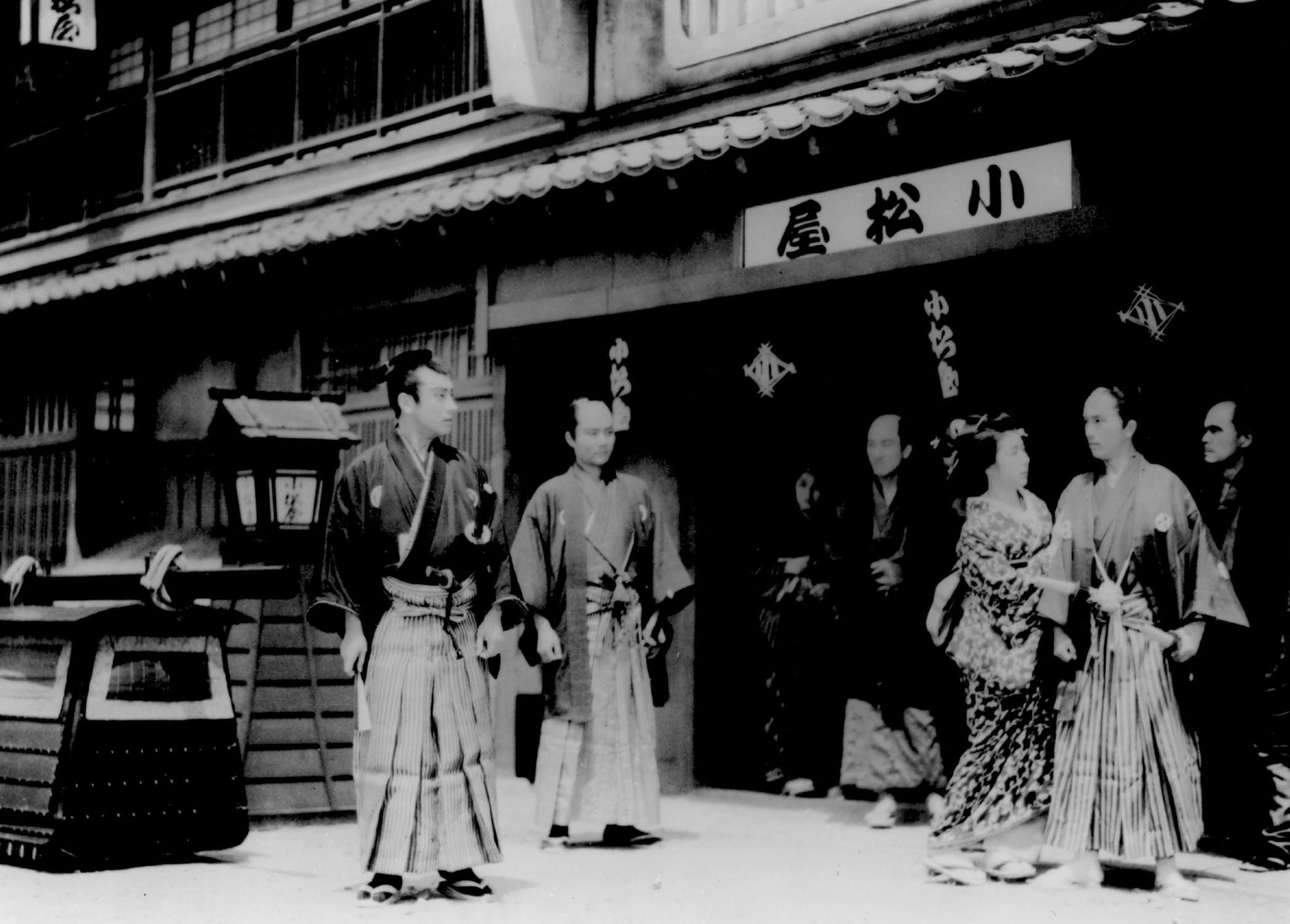
The film feels very much at odds with the popularly accepted view of Mikio Naruse as a stasis-minded chronicler of the modern-day Japanese working class.