It’s best to begin a discussion of Mikio Naruse’s Yearning by focusing on its concluding image.



Keith Uhlich's writing has been published in The Hollywood Reporter, BBC, and Reverse Shot, among other publications. He is a member of the New York Film Critics Circle.
It’s best to begin a discussion of Mikio Naruse’s Yearning by focusing on its concluding image.
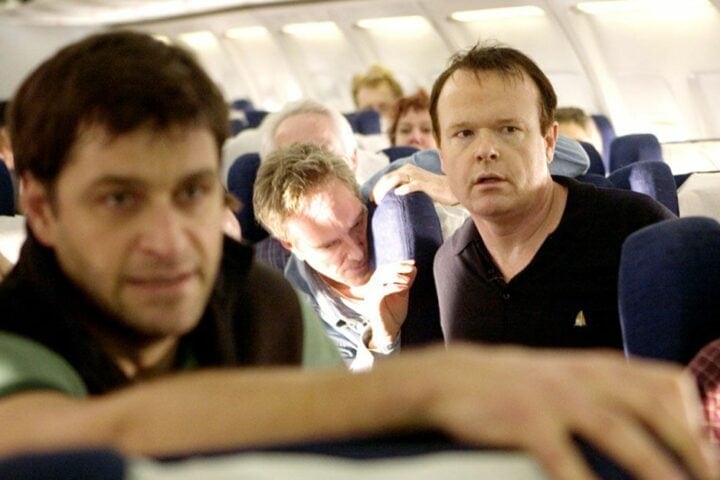
The Cinemascope frame has never looked or felt as much like a coffin.

Make your way toward Pluto and don’t forget your bottle of Chanel No. 5!
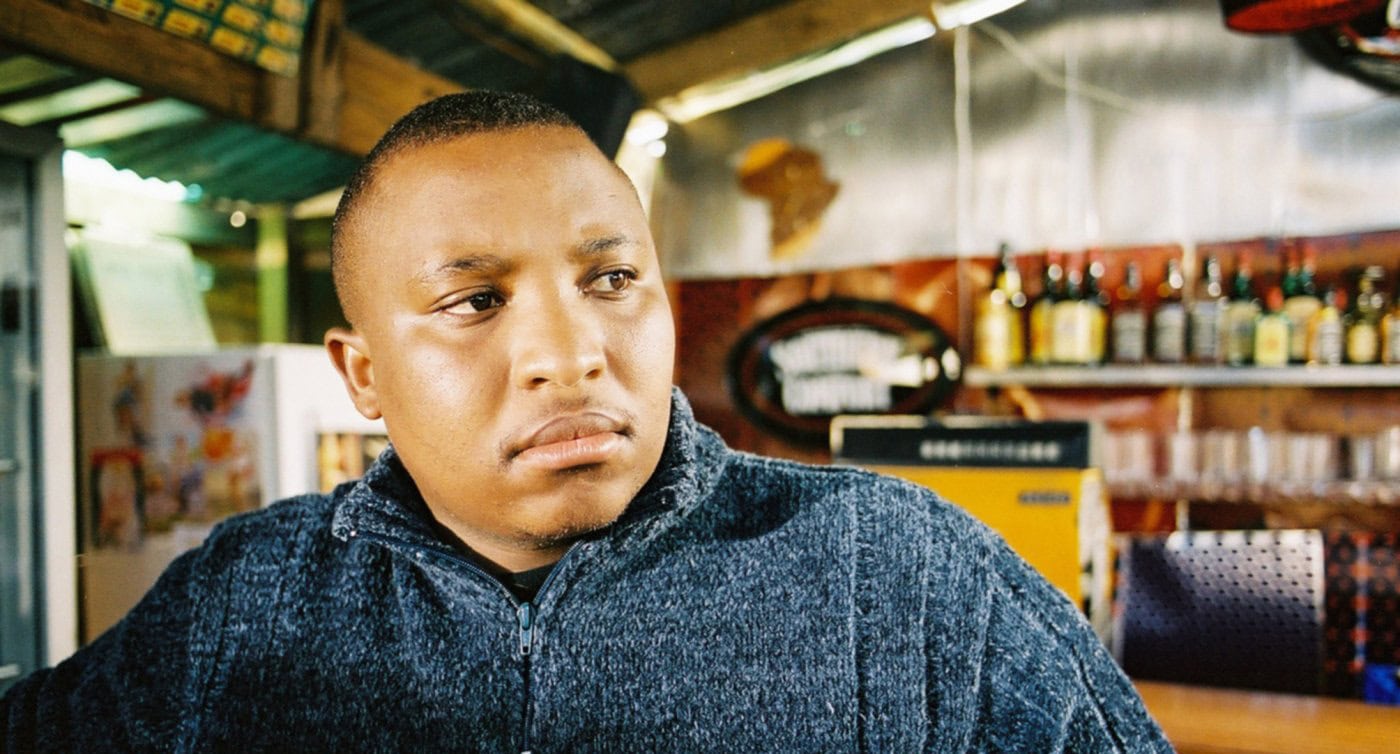
Only one feature, Les Saignantes, and one short, The Colonial Friend, struck me as unqualified masterpieces.

Robinson Devor’s Police Beat is akin to an Epcot Center attraction.

A painting in perpetual motion.

The brilliance of Mother and Son is how it turns perspective and perception against us.
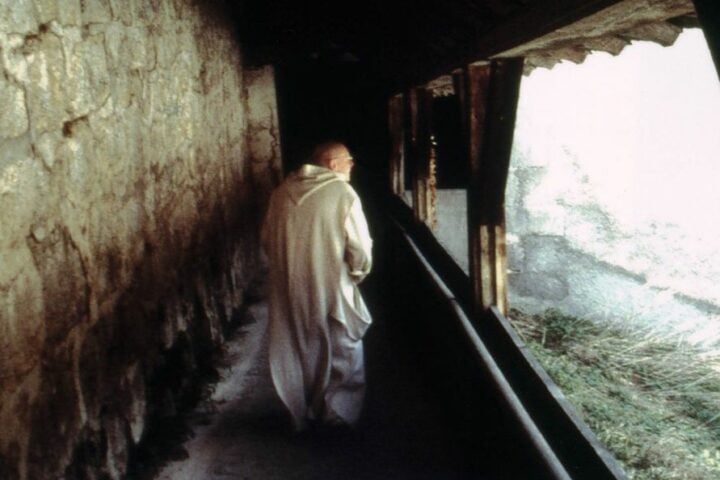
Philip Gröning’s film offers up some striking and unforgettable parallels between religious and artistic struggle.
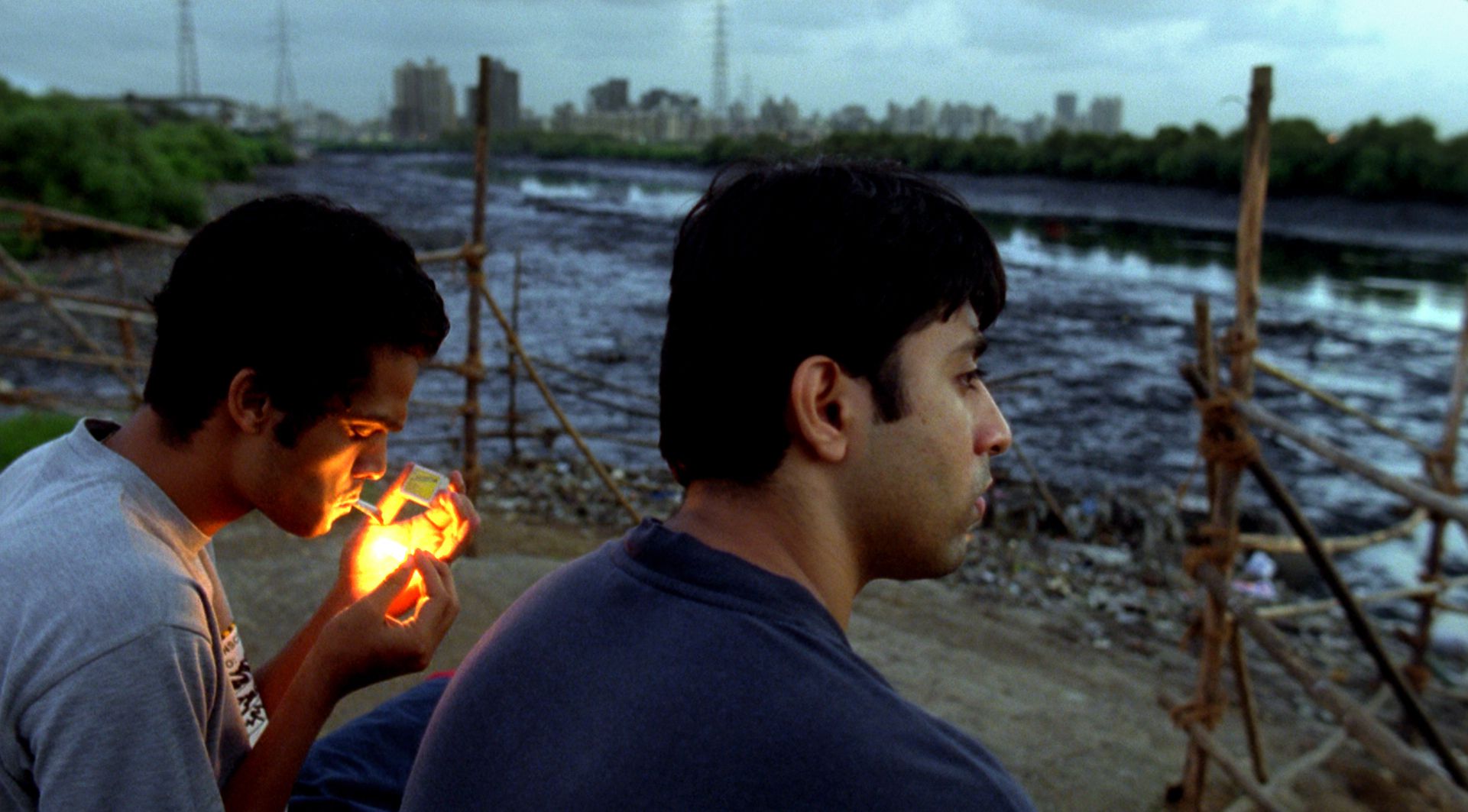
As Ashim Ahluwalia delves deeper into his subjects’ lives, John & Jane Toll-Free becomes increasingly nightmarish.

As its title suggests, the frenetic Italian youth picture Texas is a pastiche of primarily Western influences.
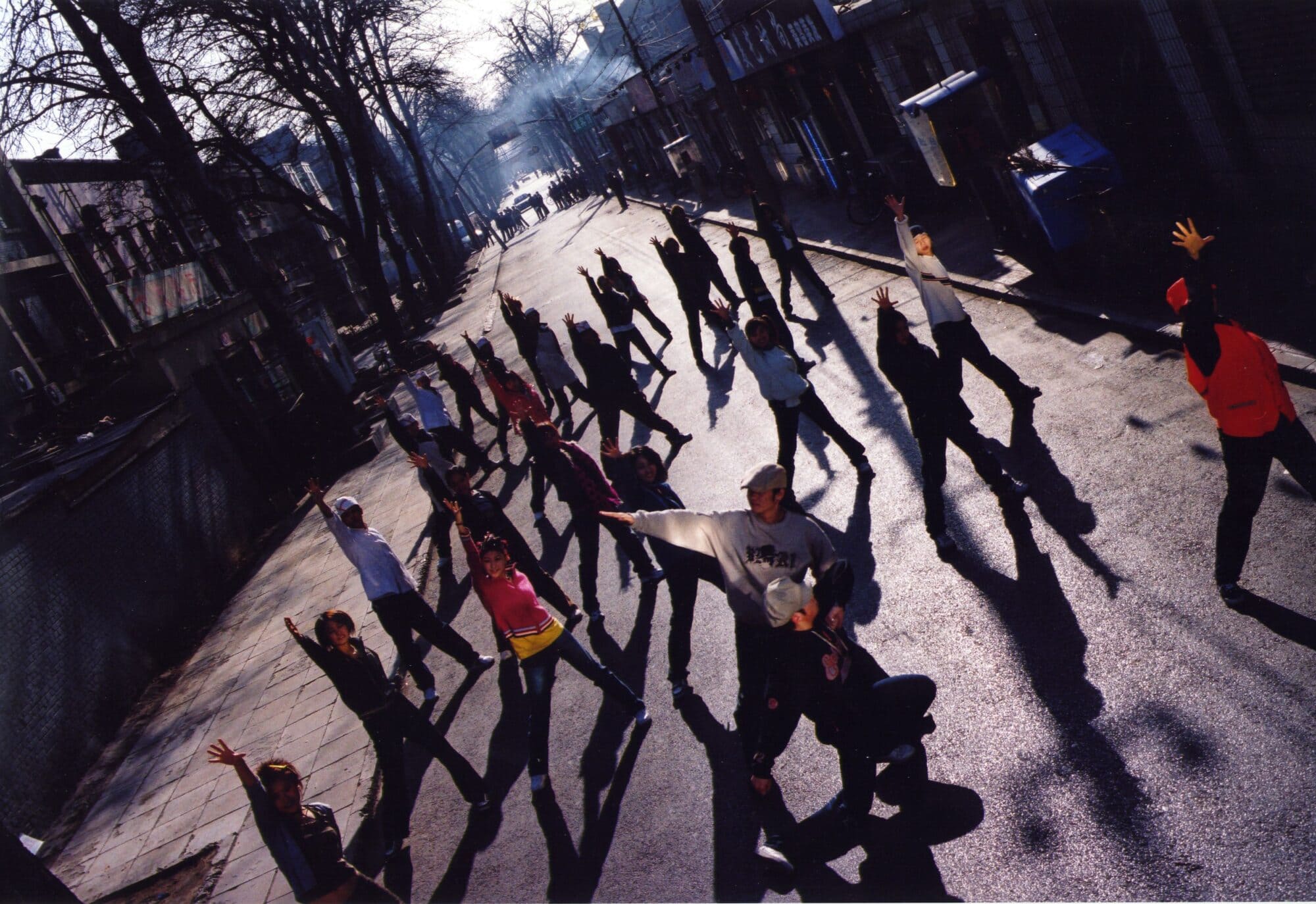
The social and political upheavals of the Cultural Revolution are glanced over to make way for ineffectually meta-movie counterpoints.

Twelve and Holding comes off as something of a neo-con paranoid fantasy.
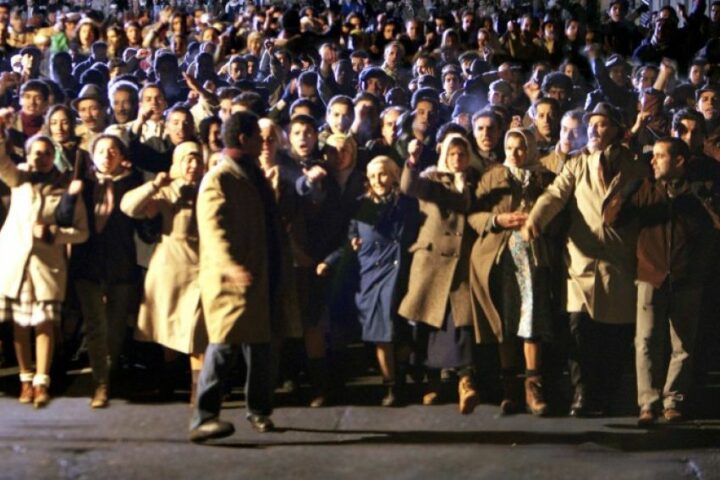
Make no mistake, there’s an epic scope to October 17, 1961.

It’s little wonder that Alan Moore has officially disowned the movie version of his dystopian comic series V for Vendetta.

This deceptively lighthearted comic confection is Mikio Naruse’s first collaboration (of a total 17) with the great Japanese actress Hideko Takamine.

Mikio Naruse recognizes the futility of prayers in the face of a harsh, perhaps genetically predisposed reality.
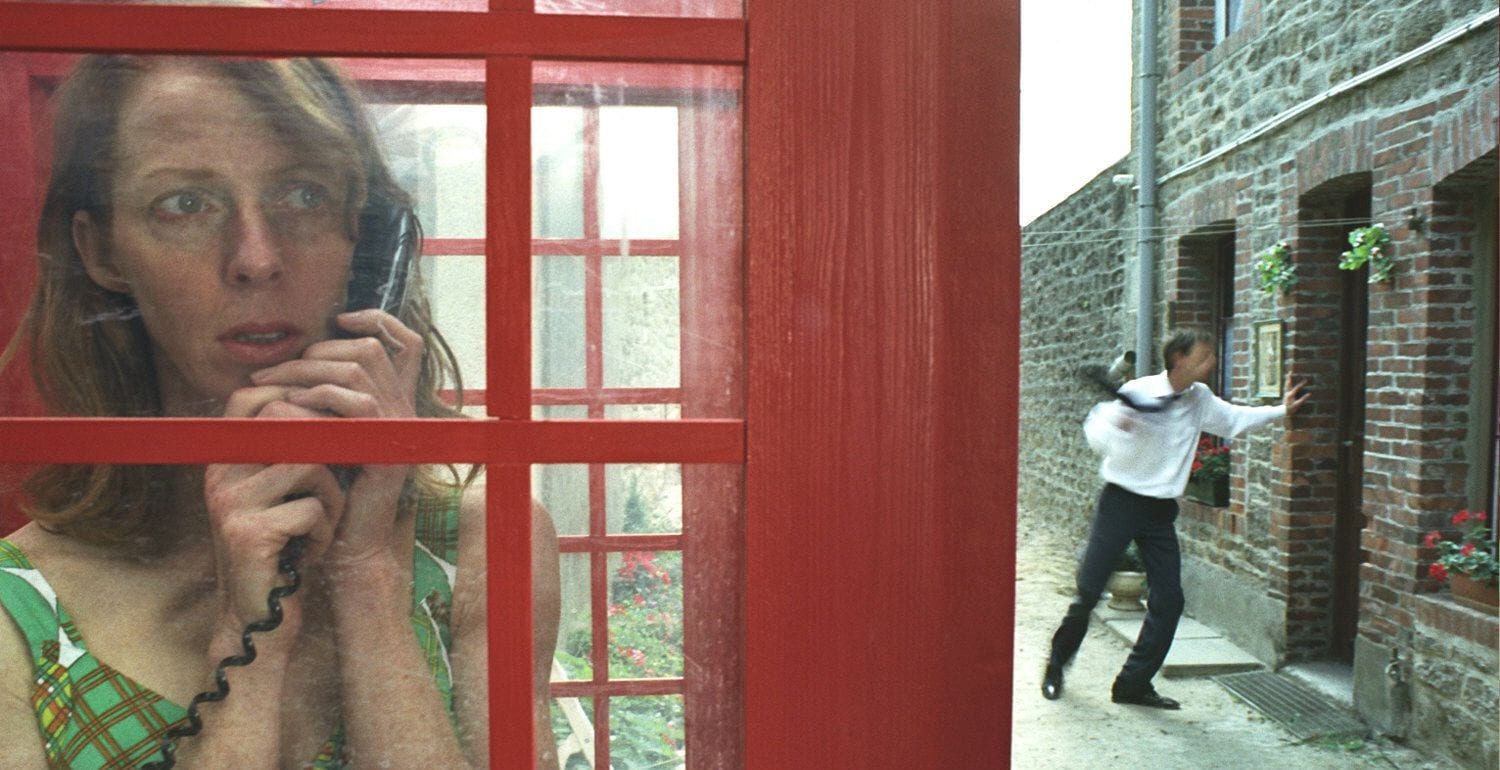
L’Iceberg is a more than welcome breath of fresh air.

It is to director Auraeus Solito and screenwriter Michiko Yamamoto’s credit that they view their characters through a quietly revolutionary queer perspective.

When you get right down to it, Ask the Dust is unforgivably dull as dishwater.
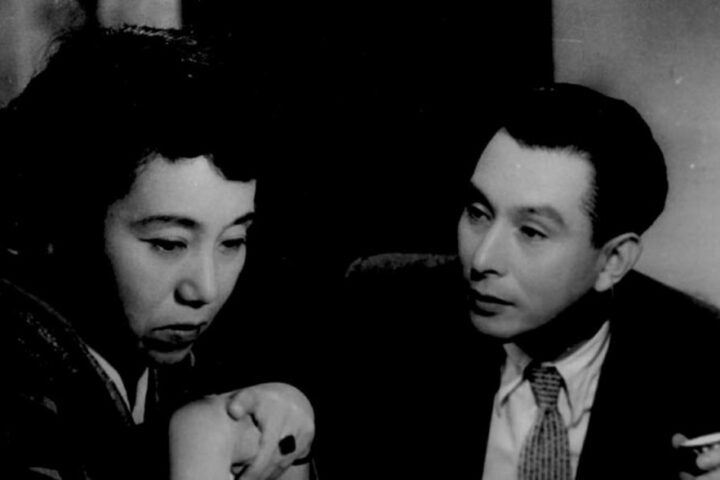
Late Chrysanthemums is a film of unbridled riches, so it’s only appropriate that it contains two of Mikio Naruse’s typically superb climaxes.